


Noravank Monastery

Armenia’s Cultural Gem at 1300m Elevation
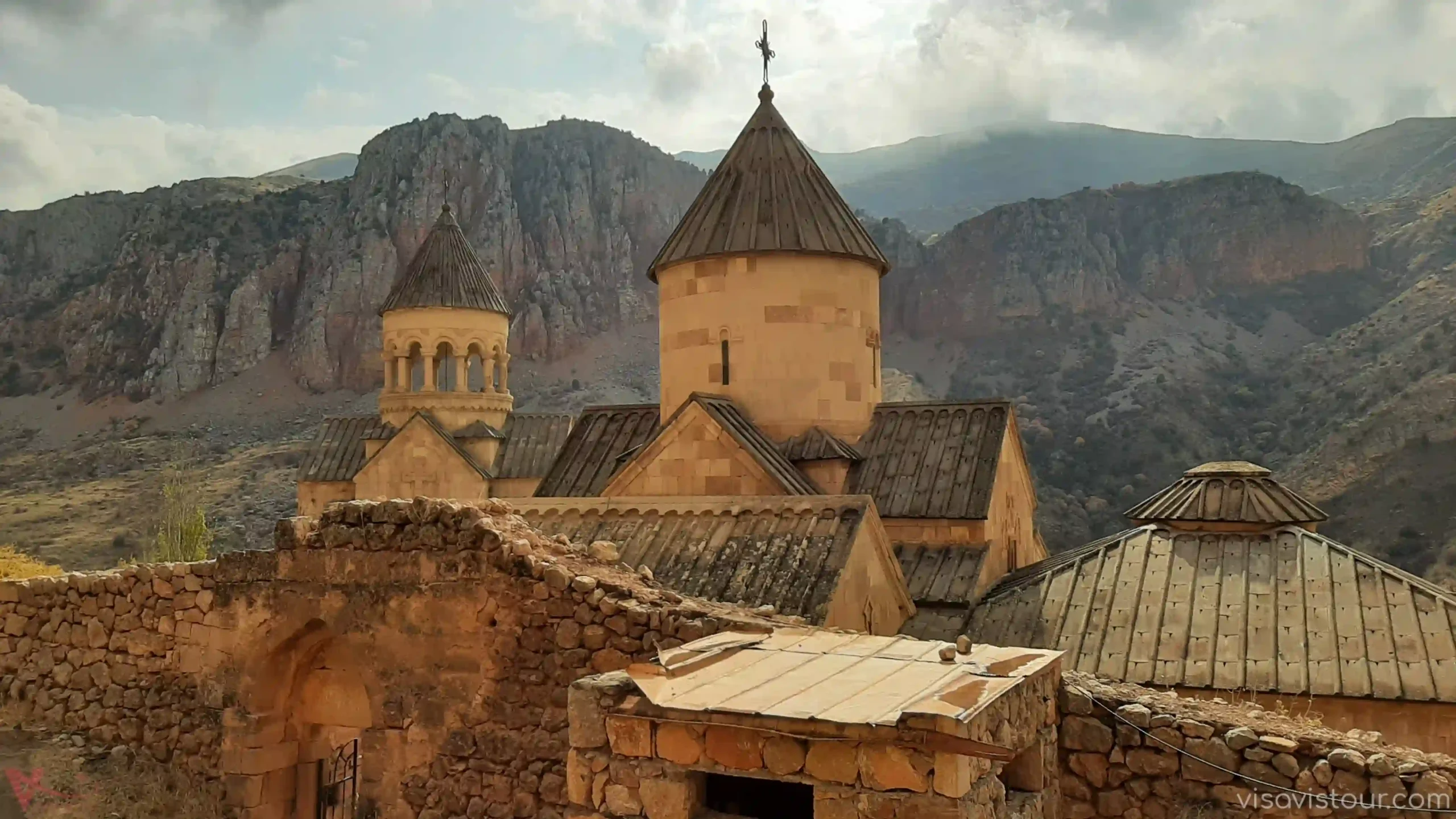
Noravank Monastery, dating back to the 13th and 14th centuries, is one of Armenia’s most treasured religious and cultural landmarks. Known for its historical importance and architectural beauty, Noravank was also closely linked to the renowned medieval Gladzor University and library, making it a beacon of learning and spirituality.
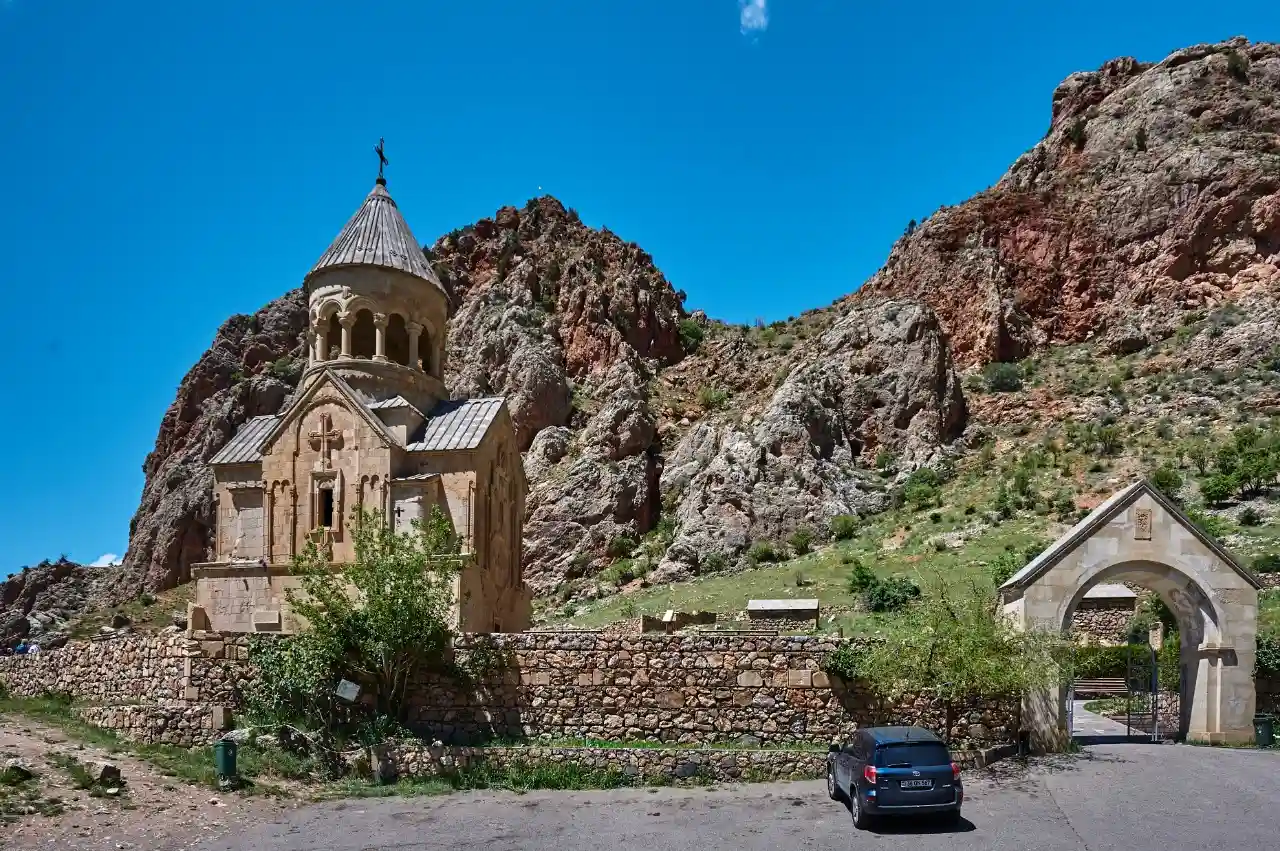
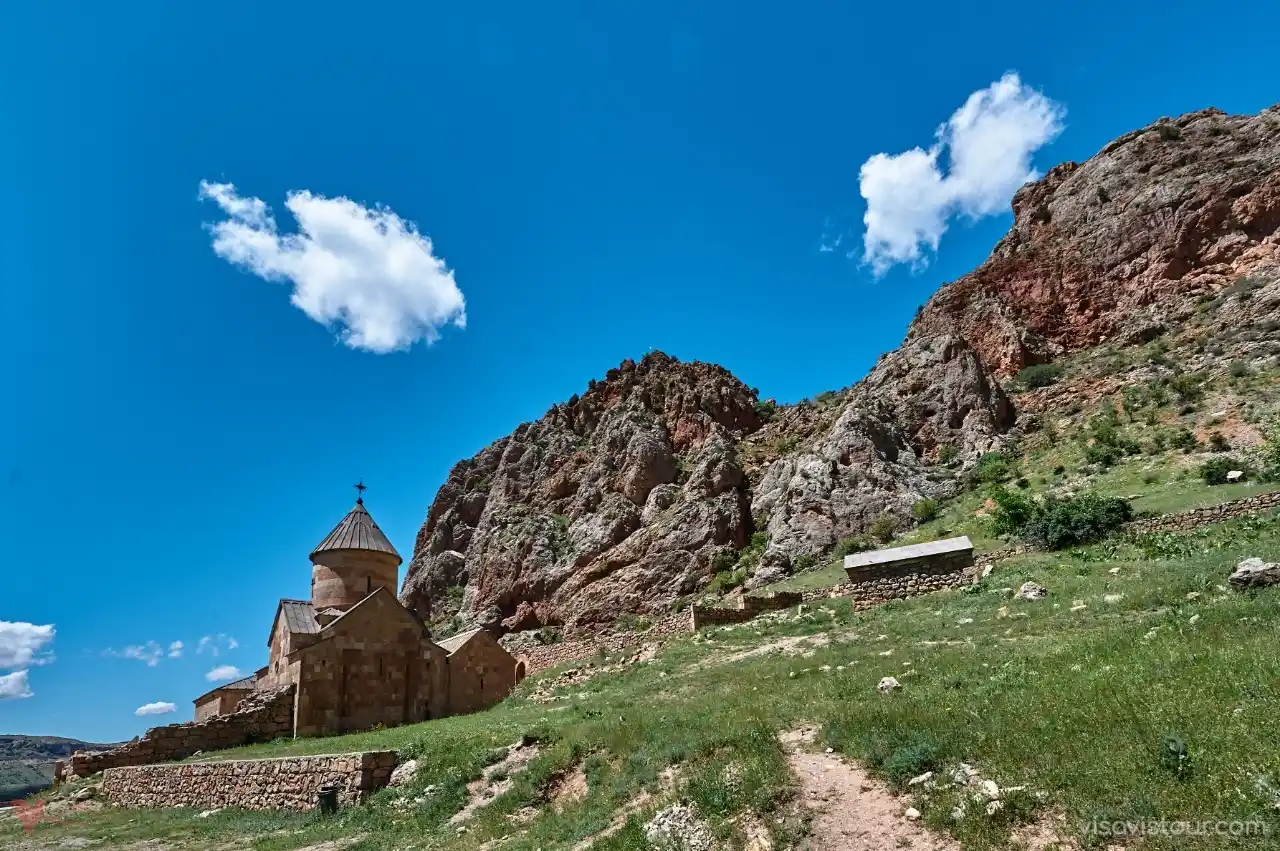
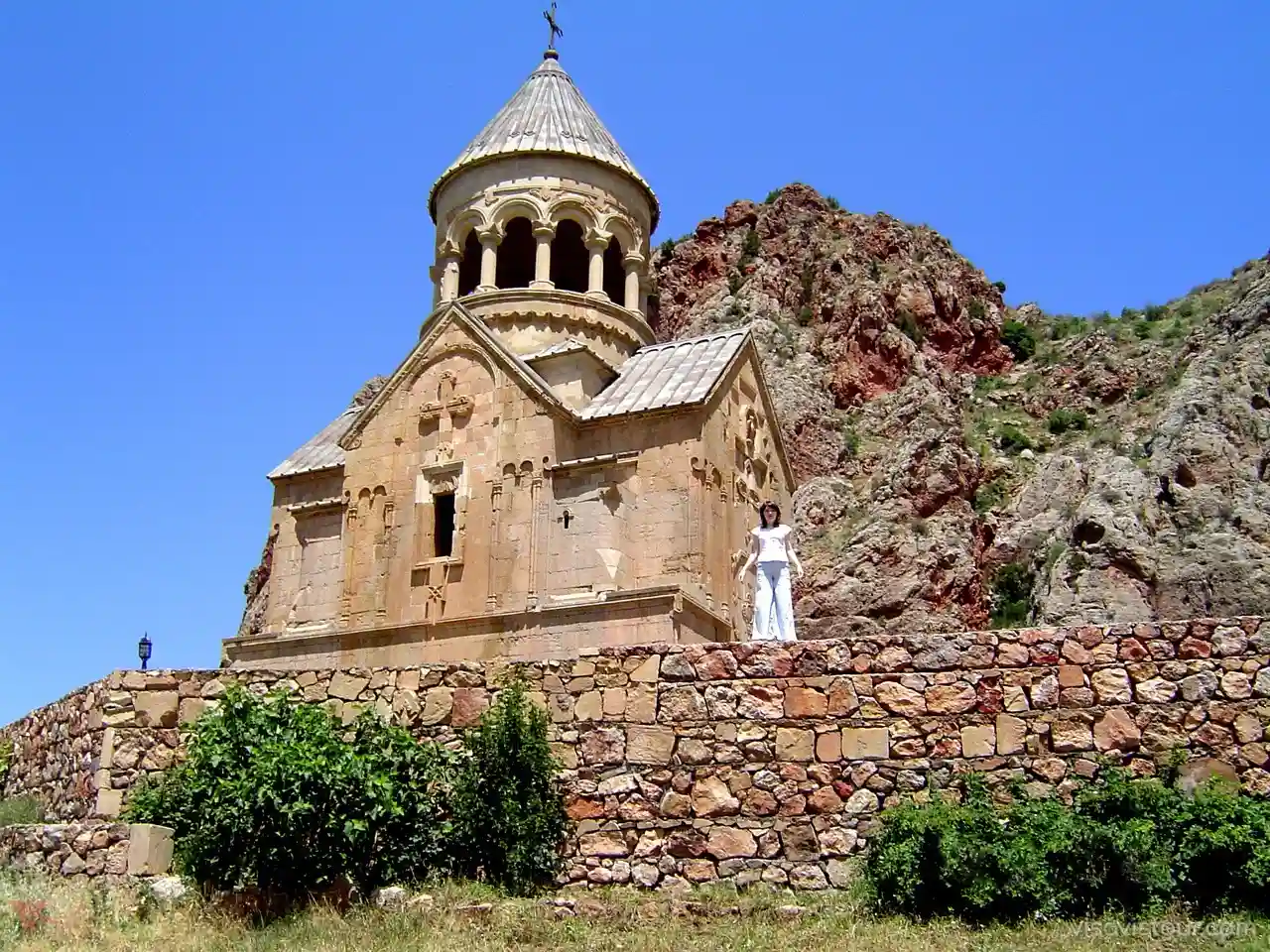
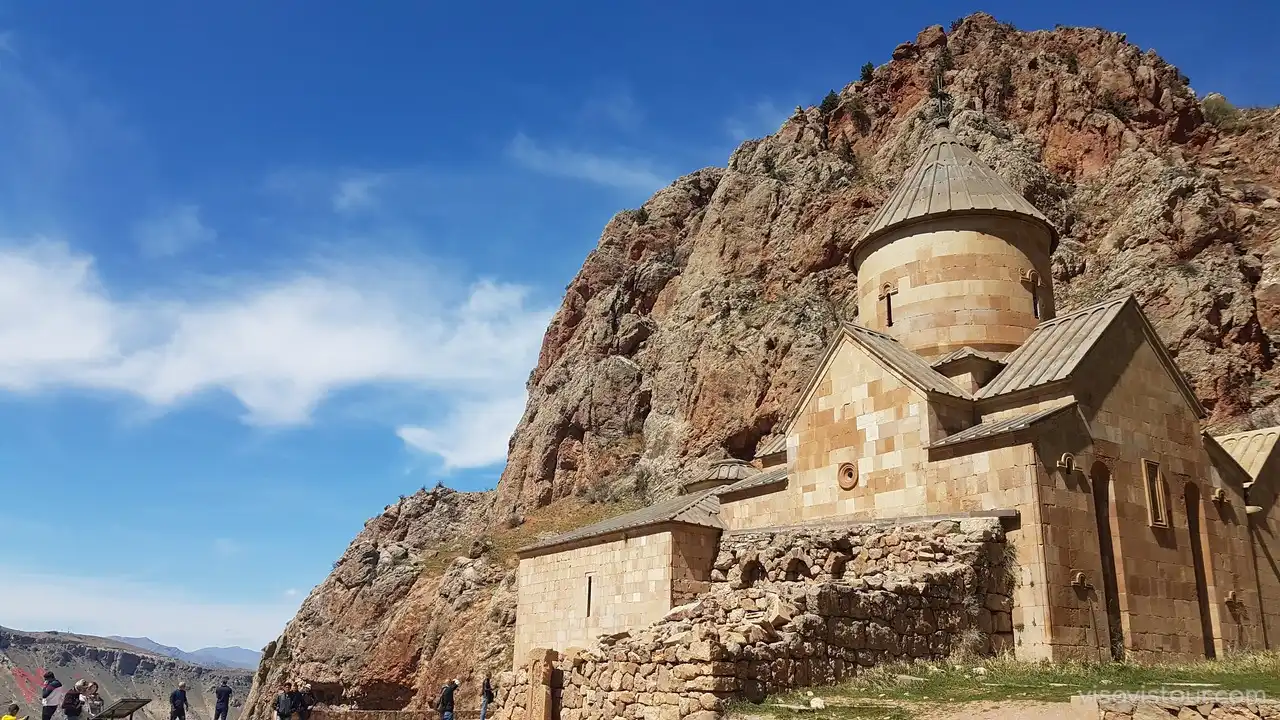
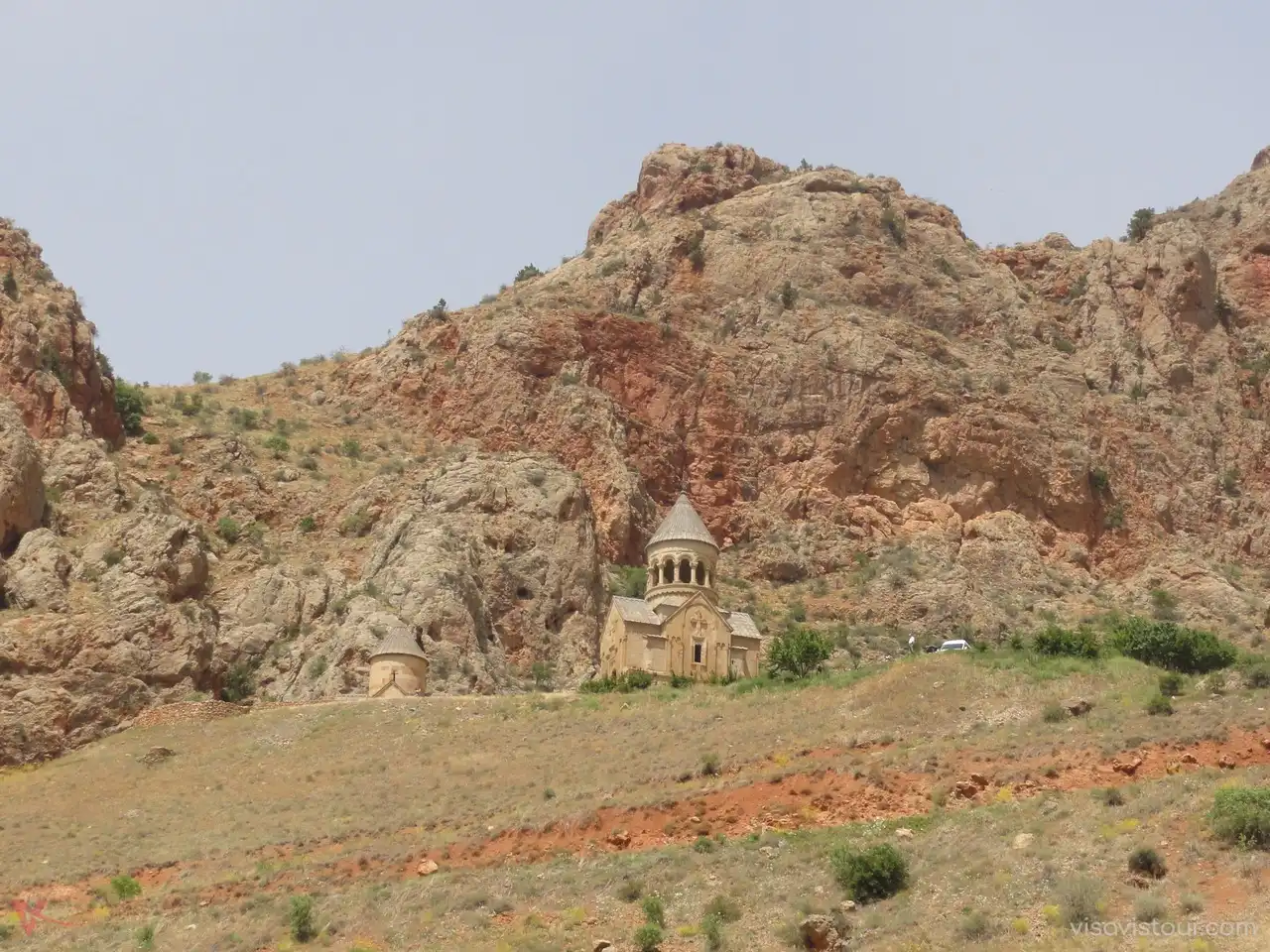
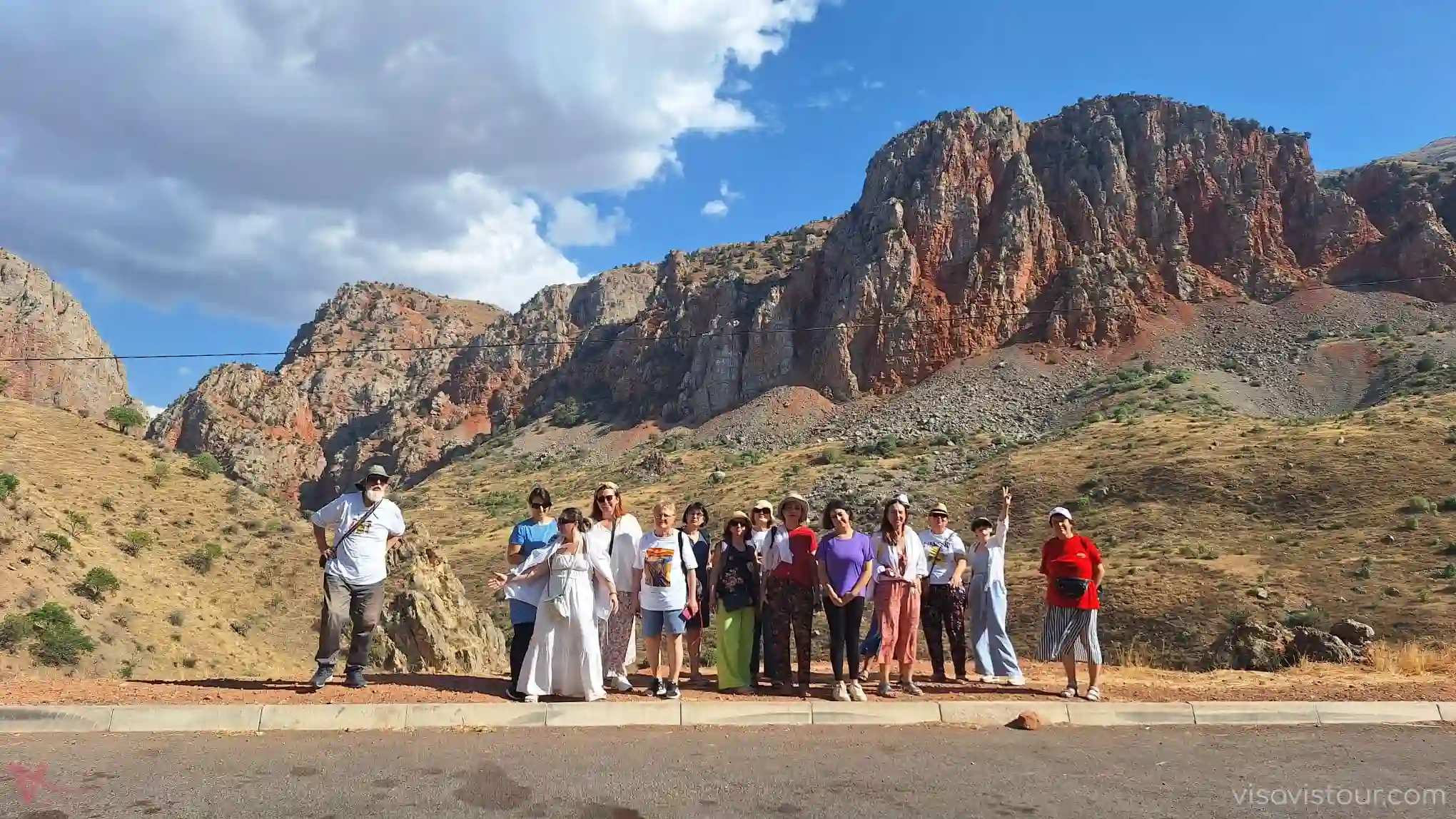
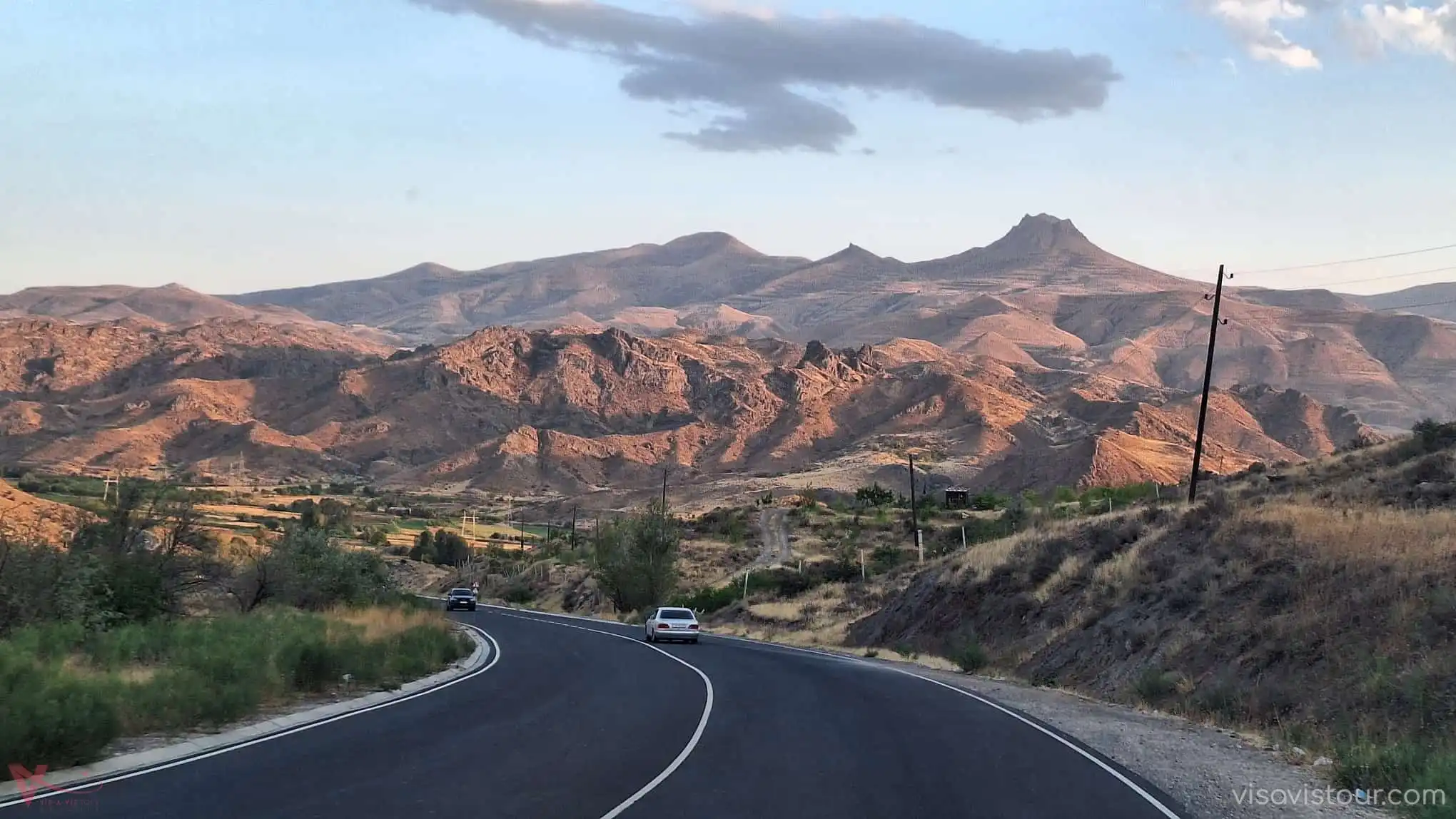
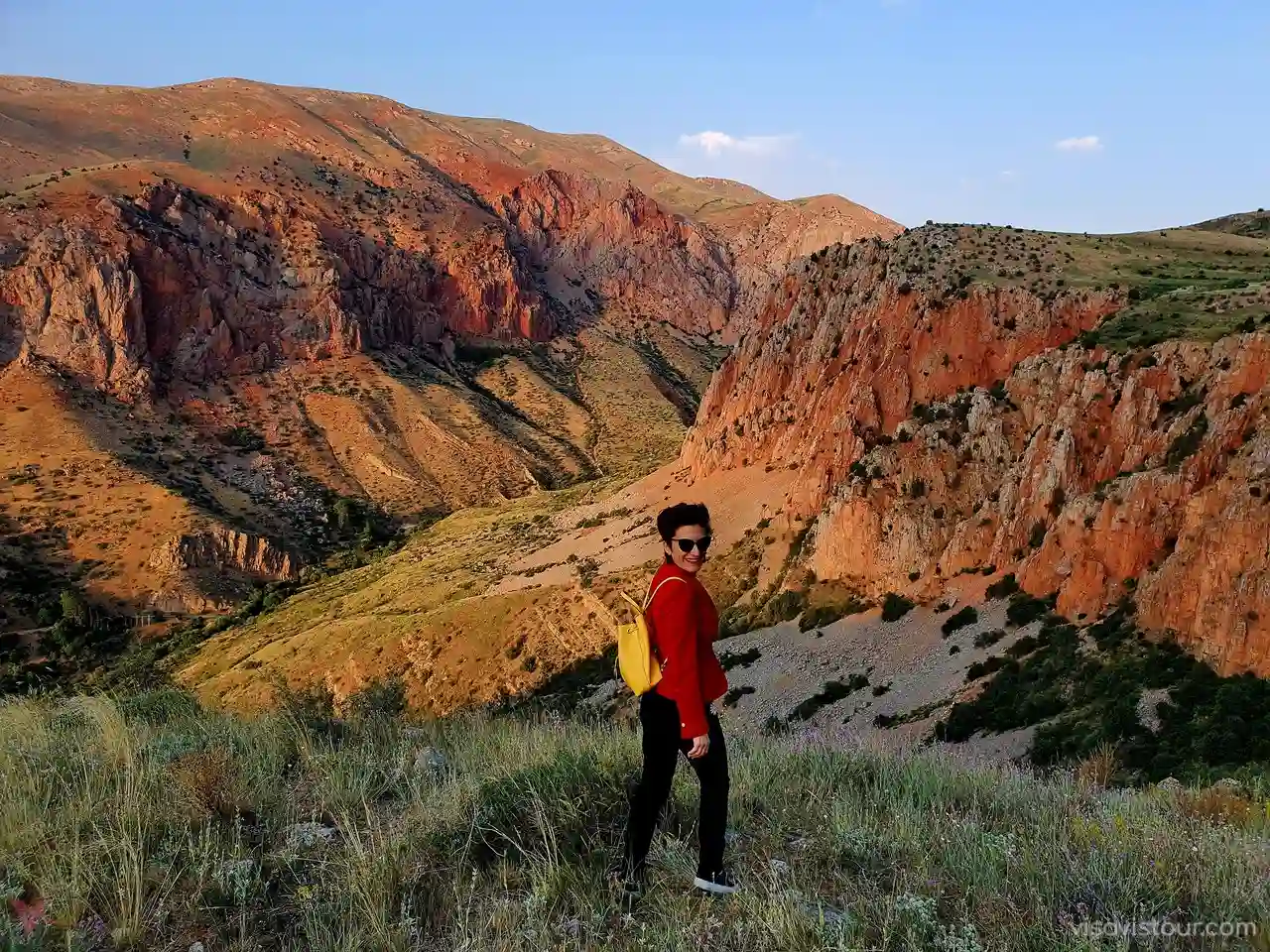
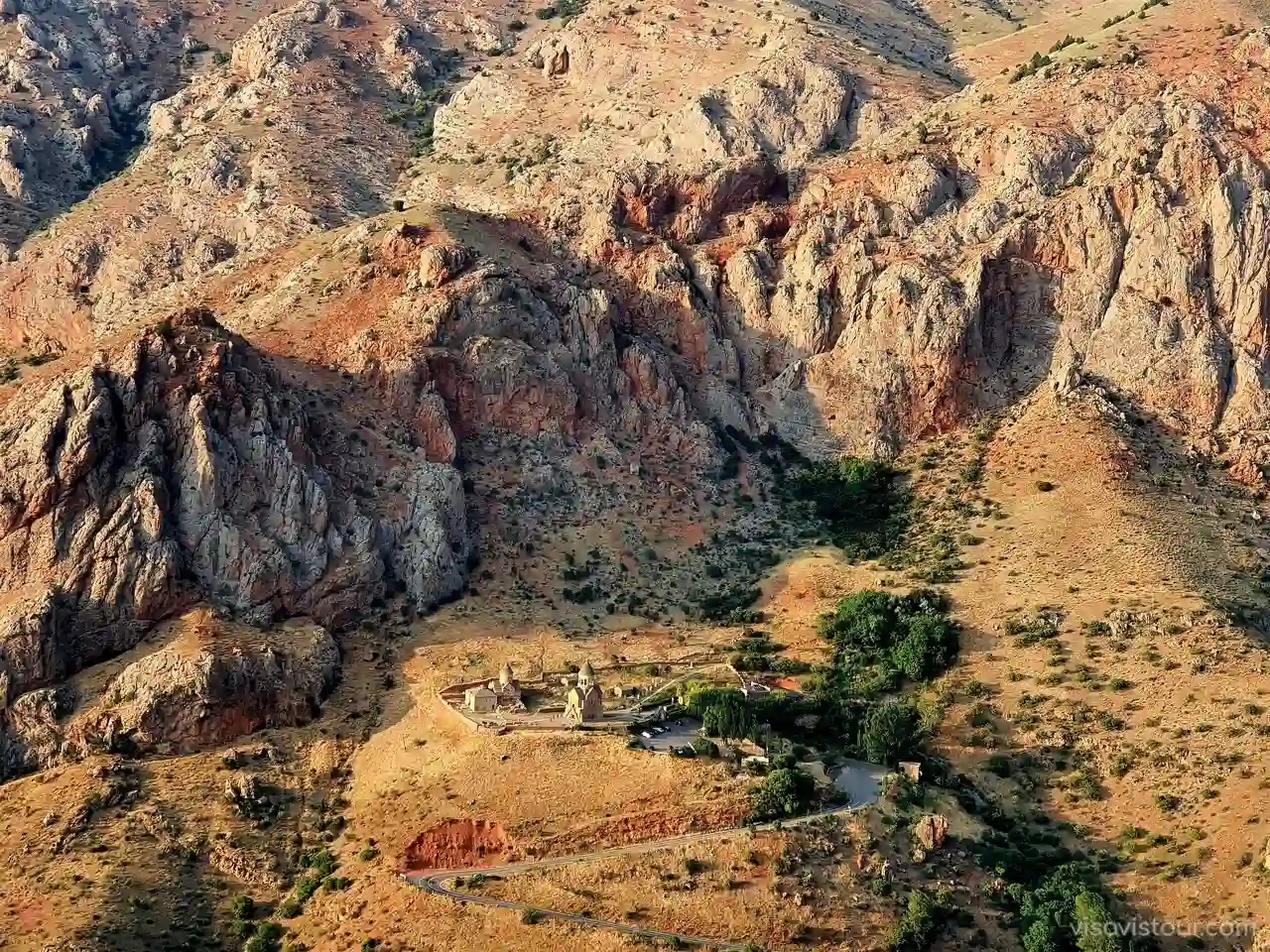
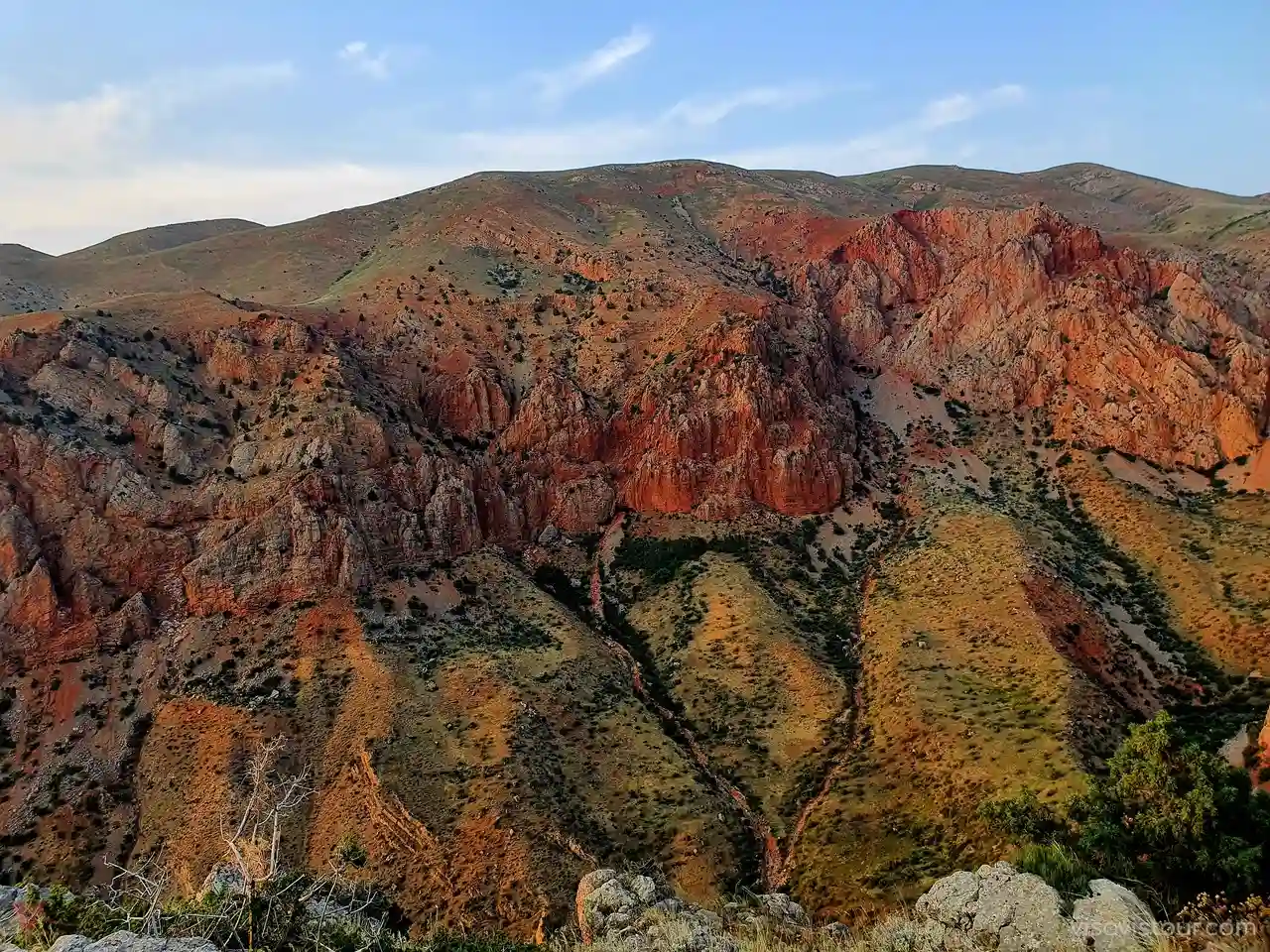
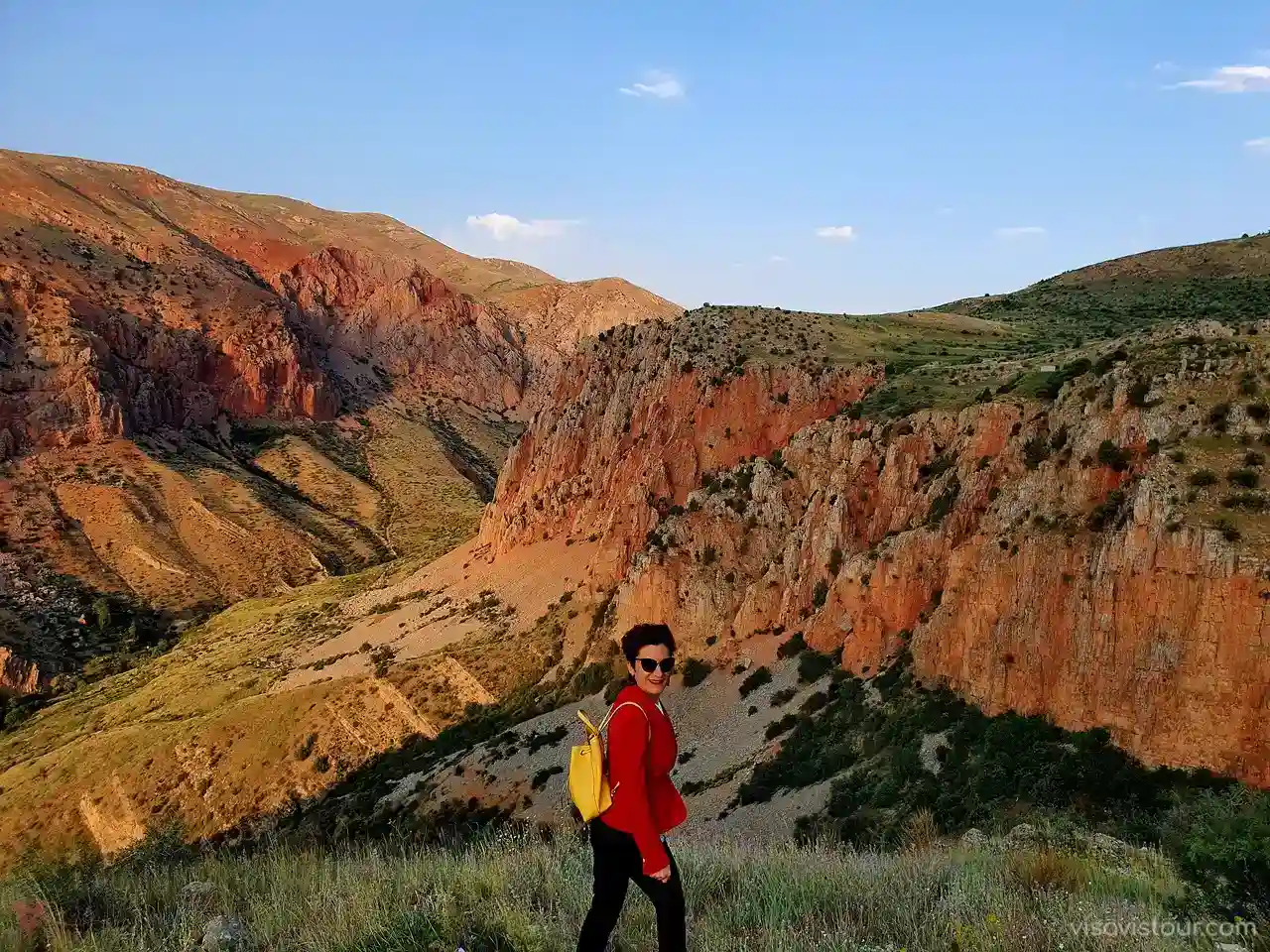
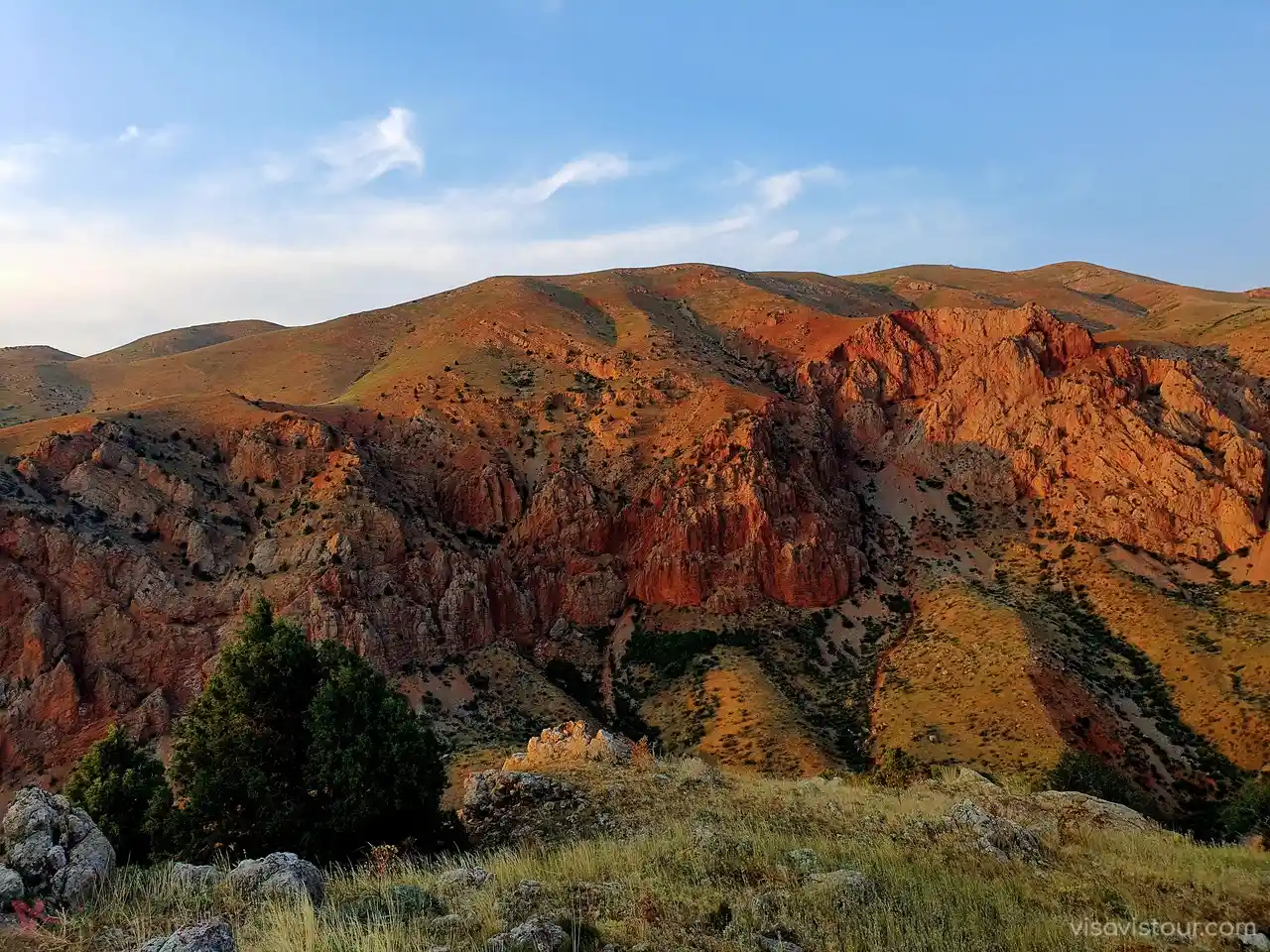
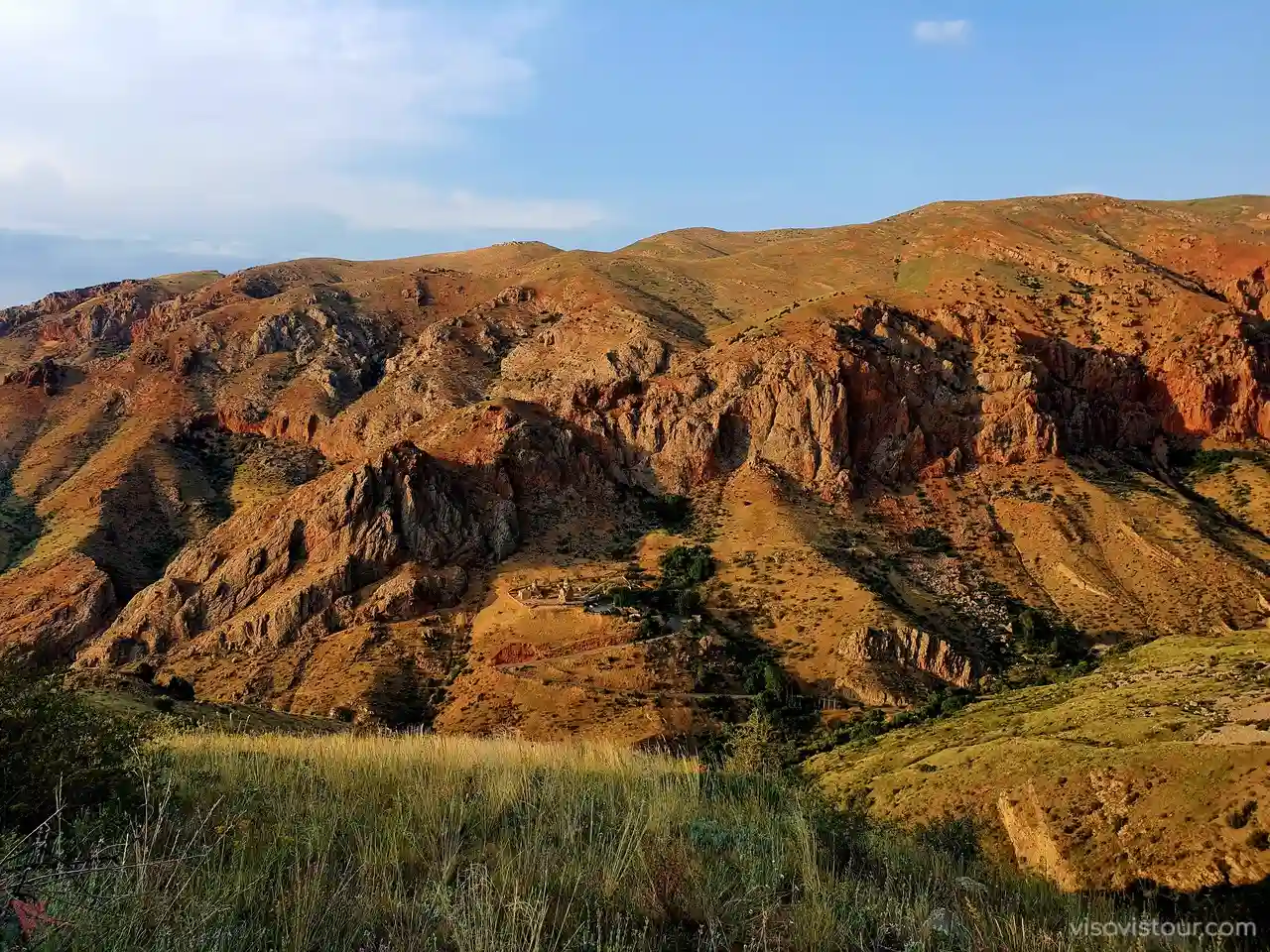
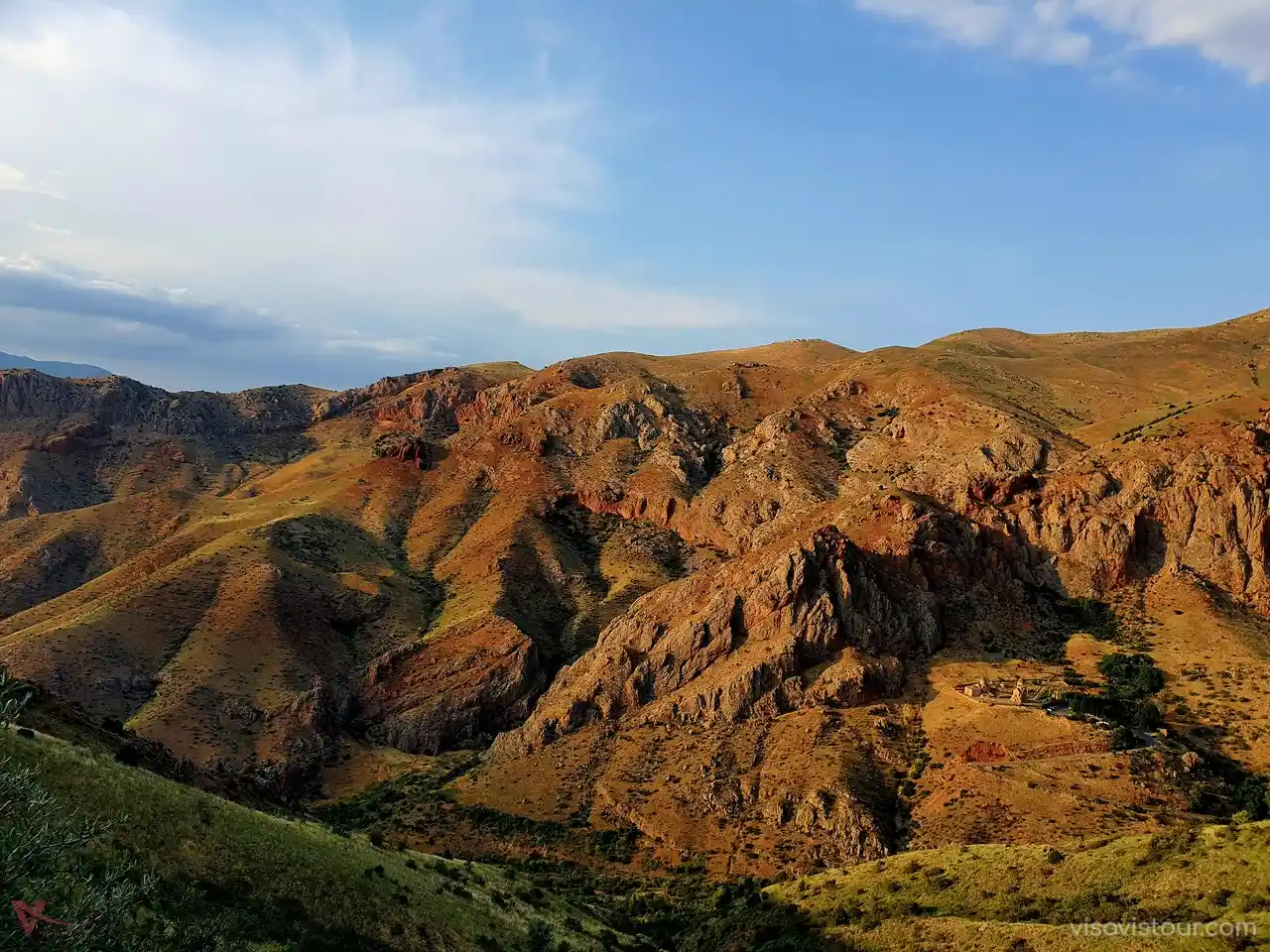
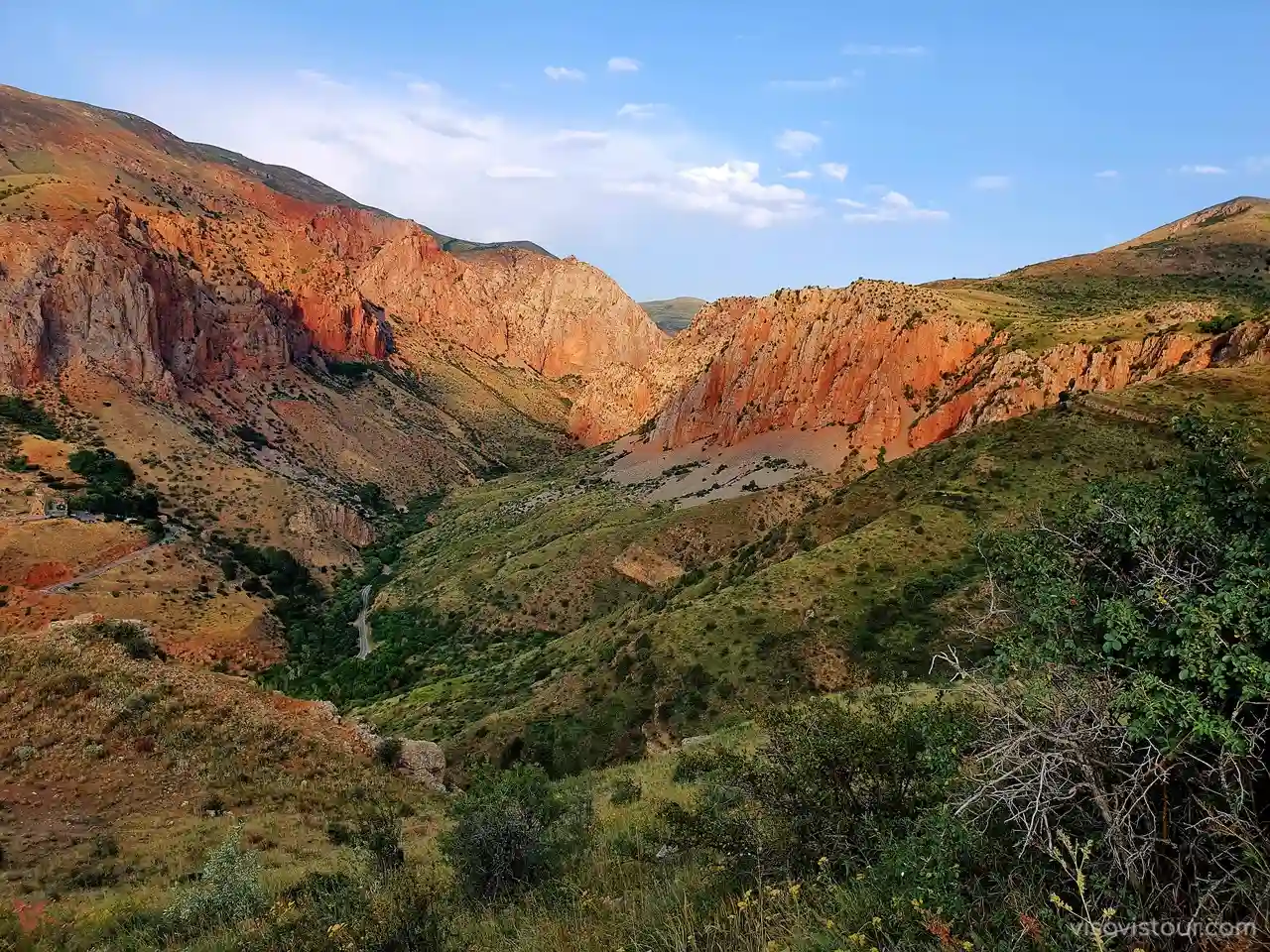
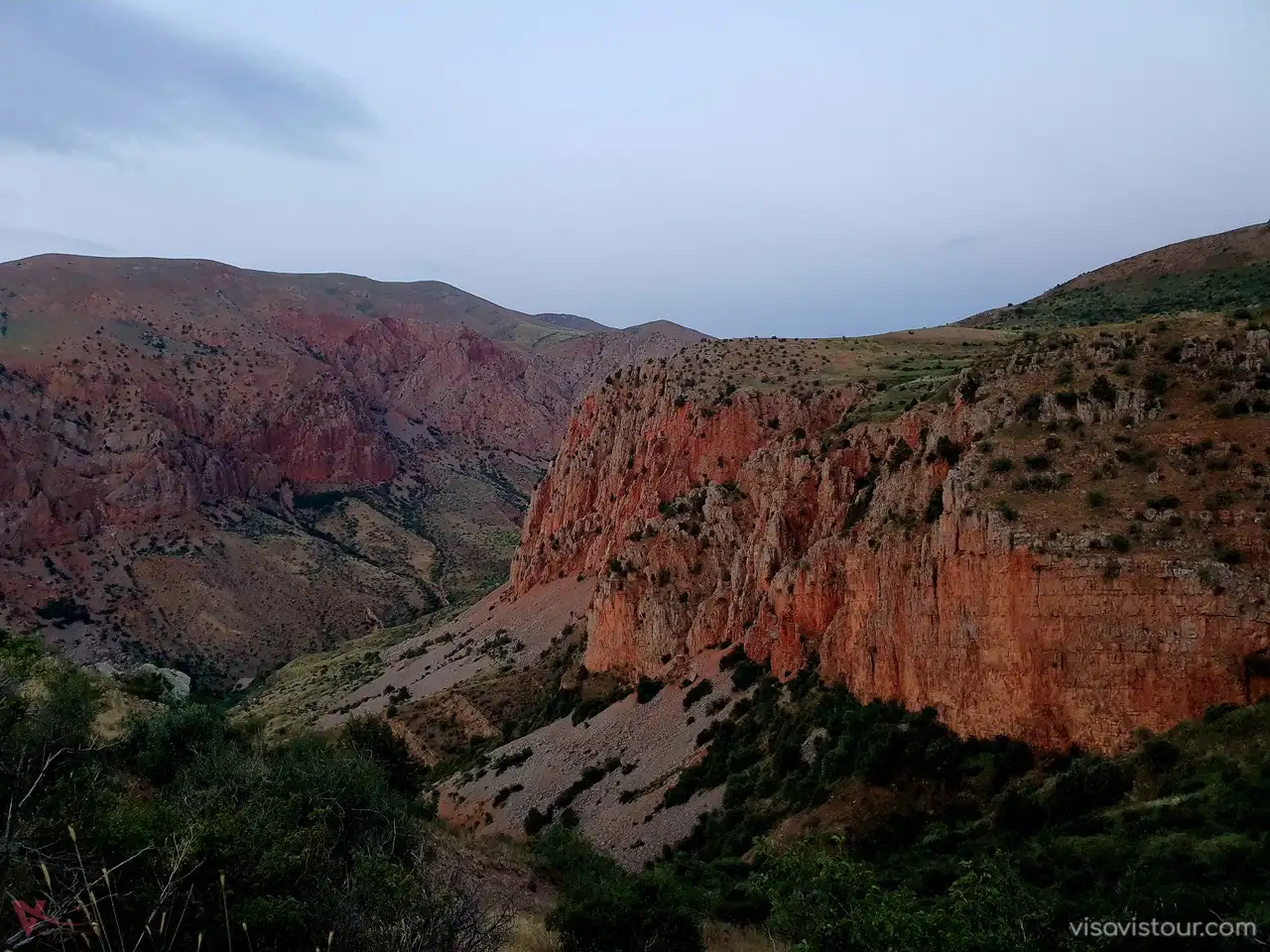
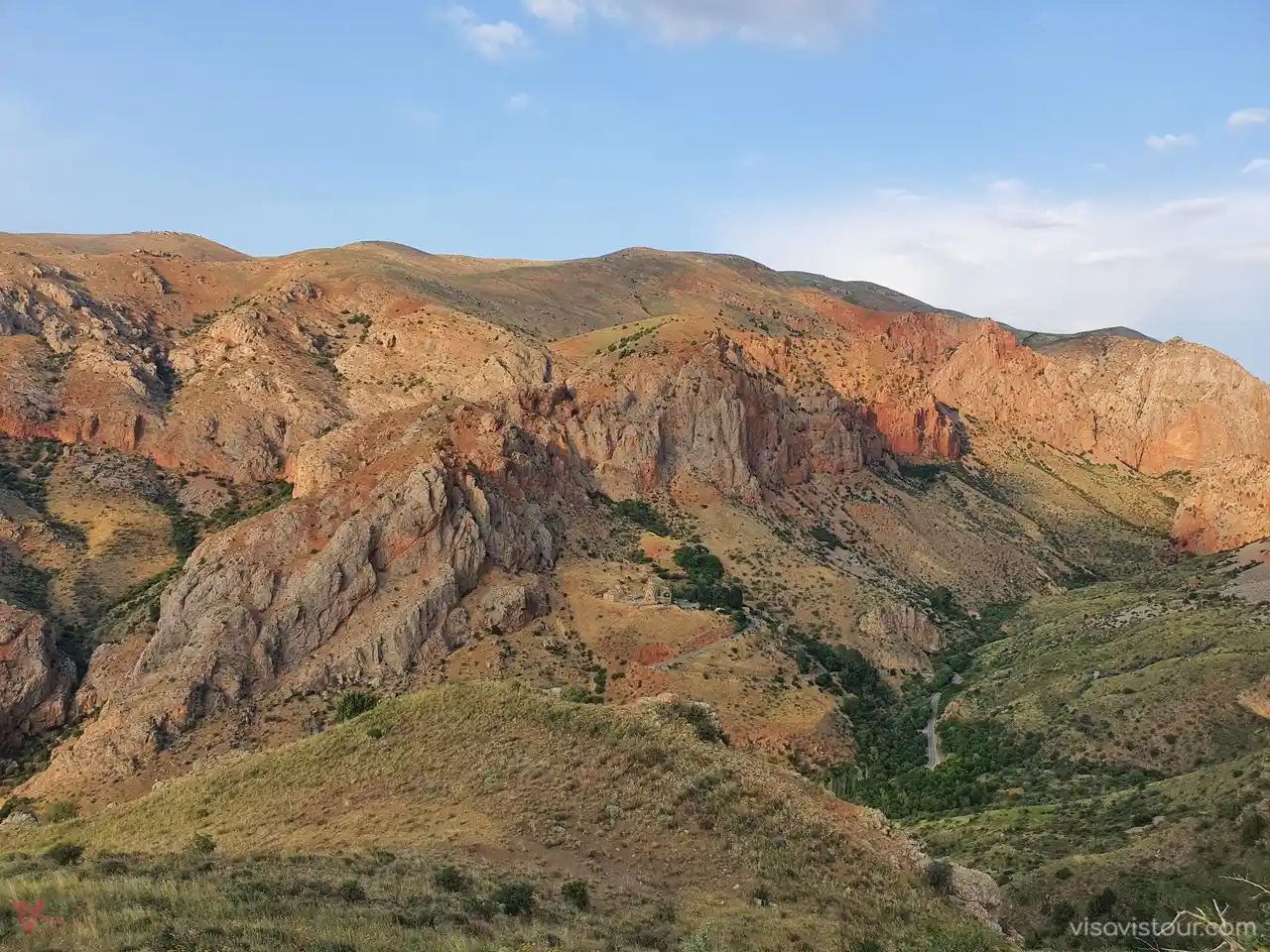
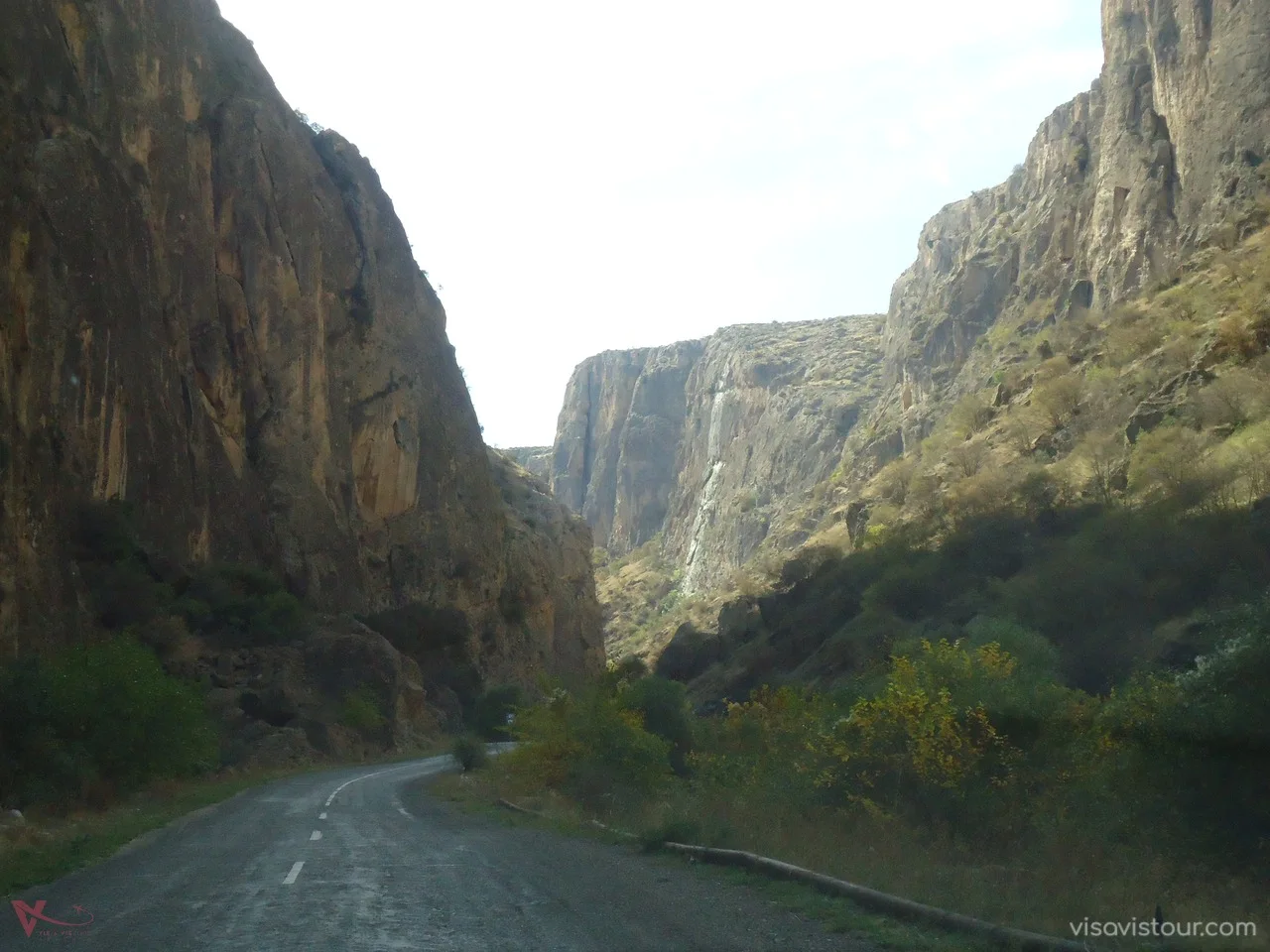
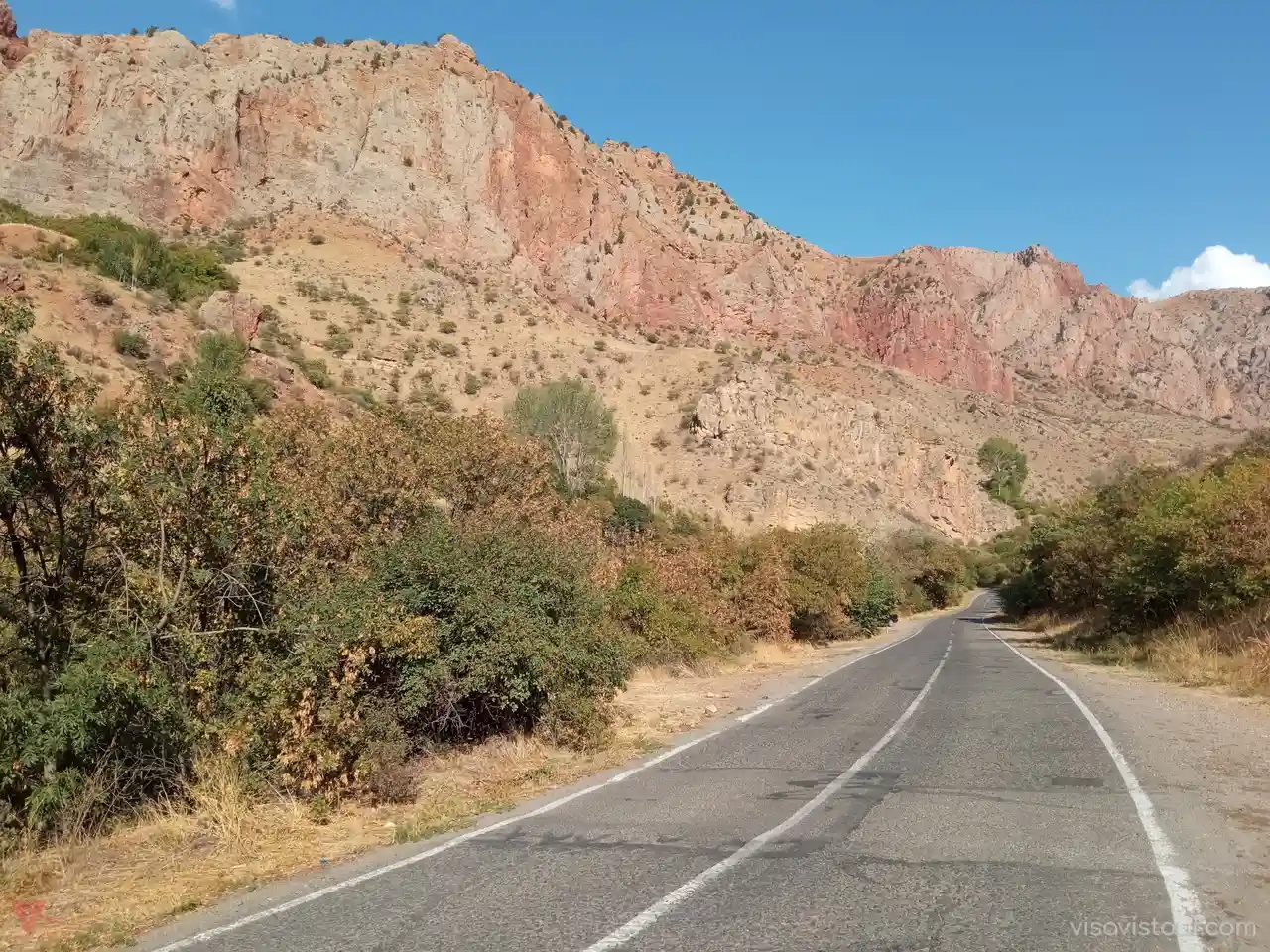
As you journey to Noravank, you’ll be captivated by the beautiful landscape that surrounds it. The road winds through rugged terrain, with towering red cliffs carved by nature into bizarre and intricate shapes. Many visitors find the view so mesmerizing that they opt to walk the final stretch to the monastery, capturing the beauty of the canyon and its unique rock formations.
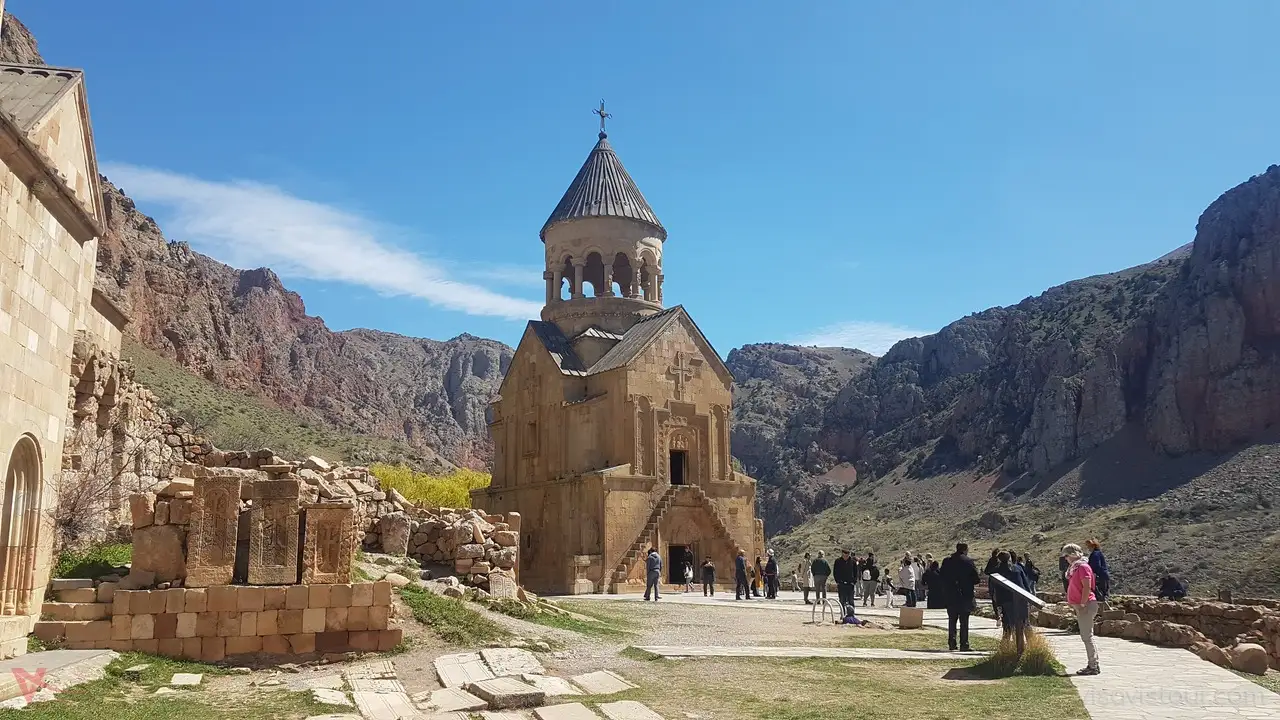
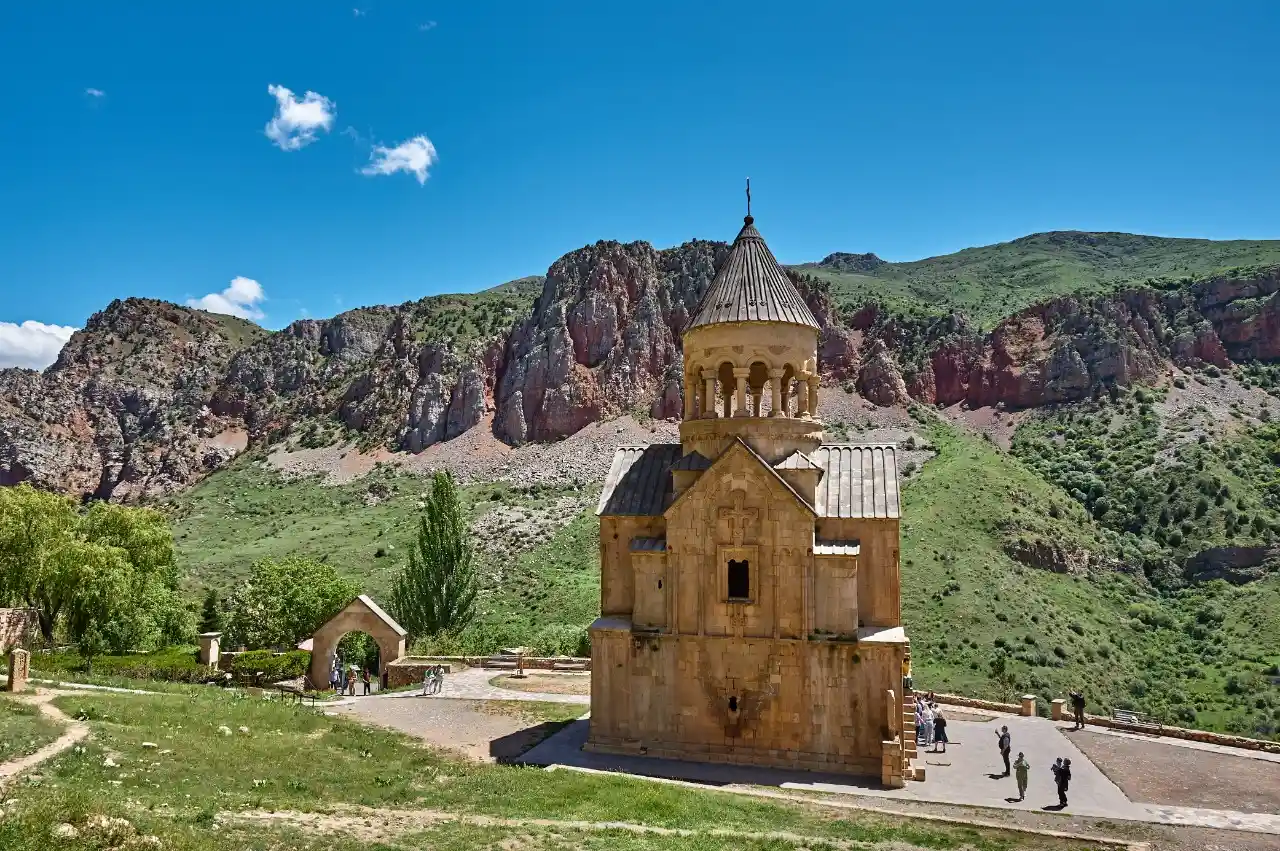
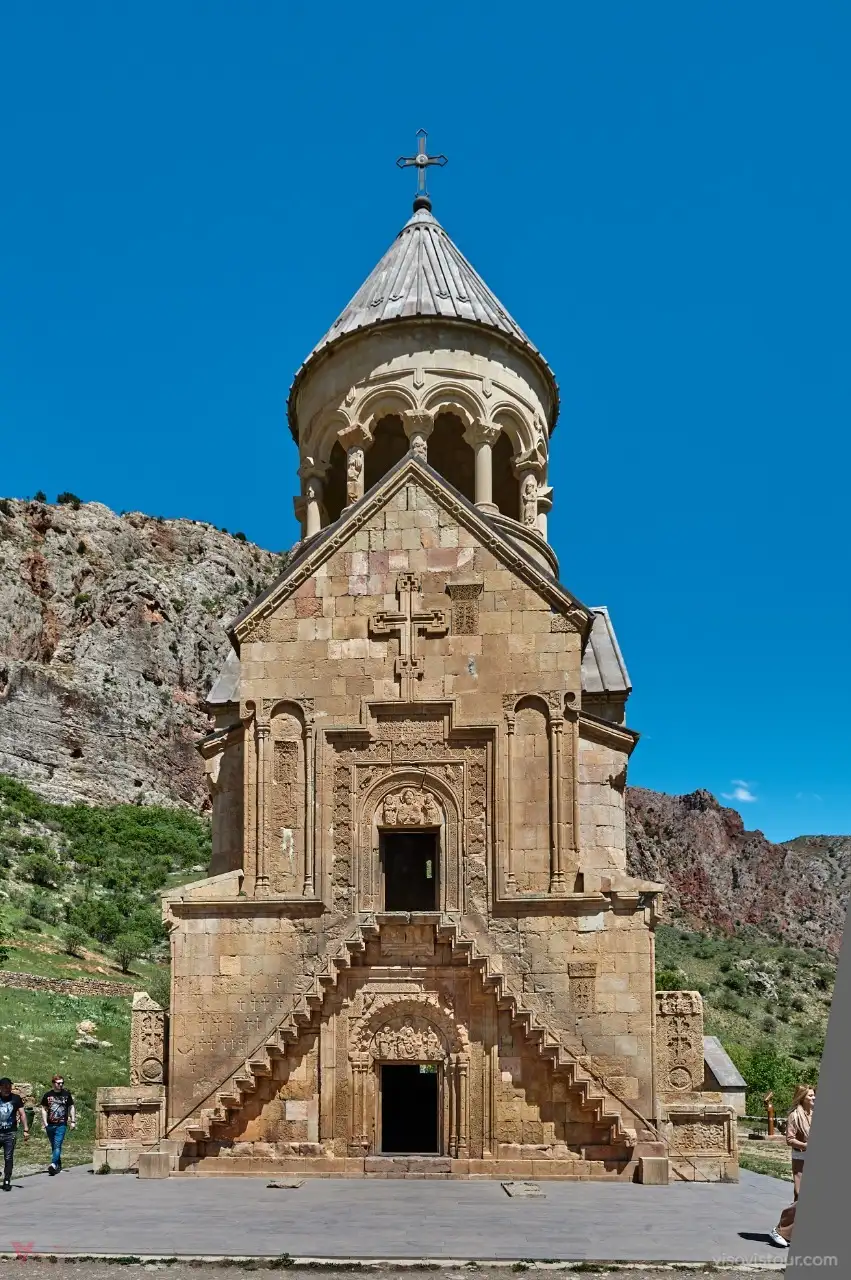
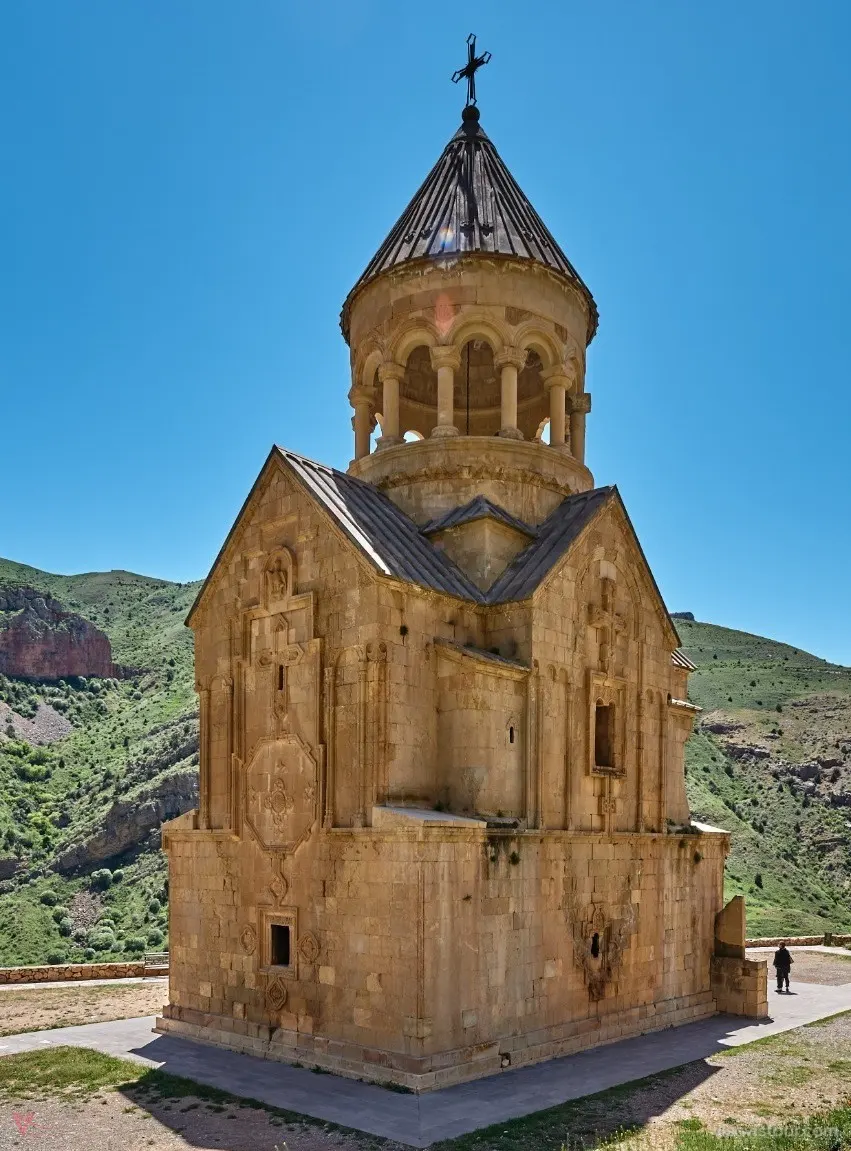
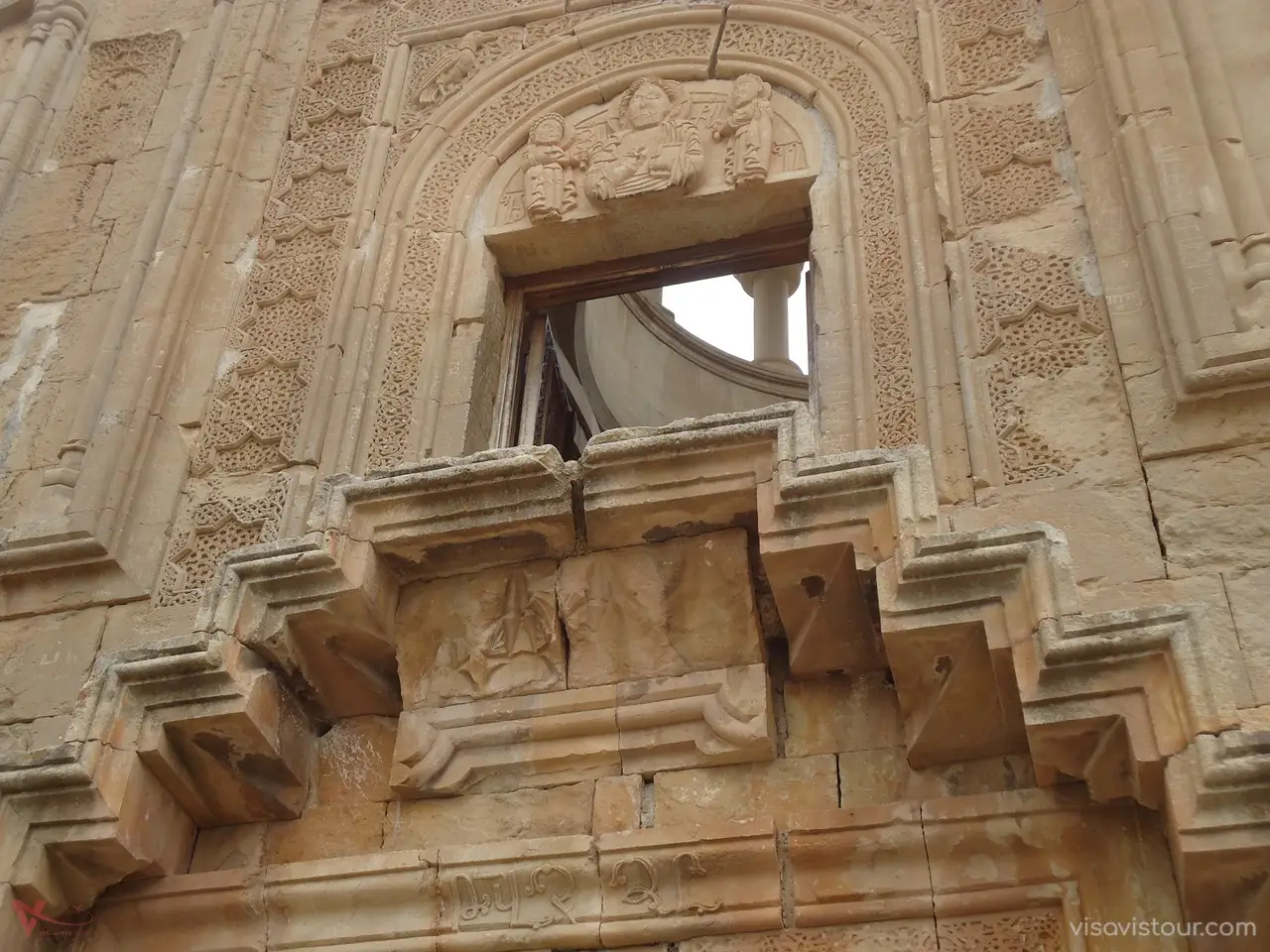
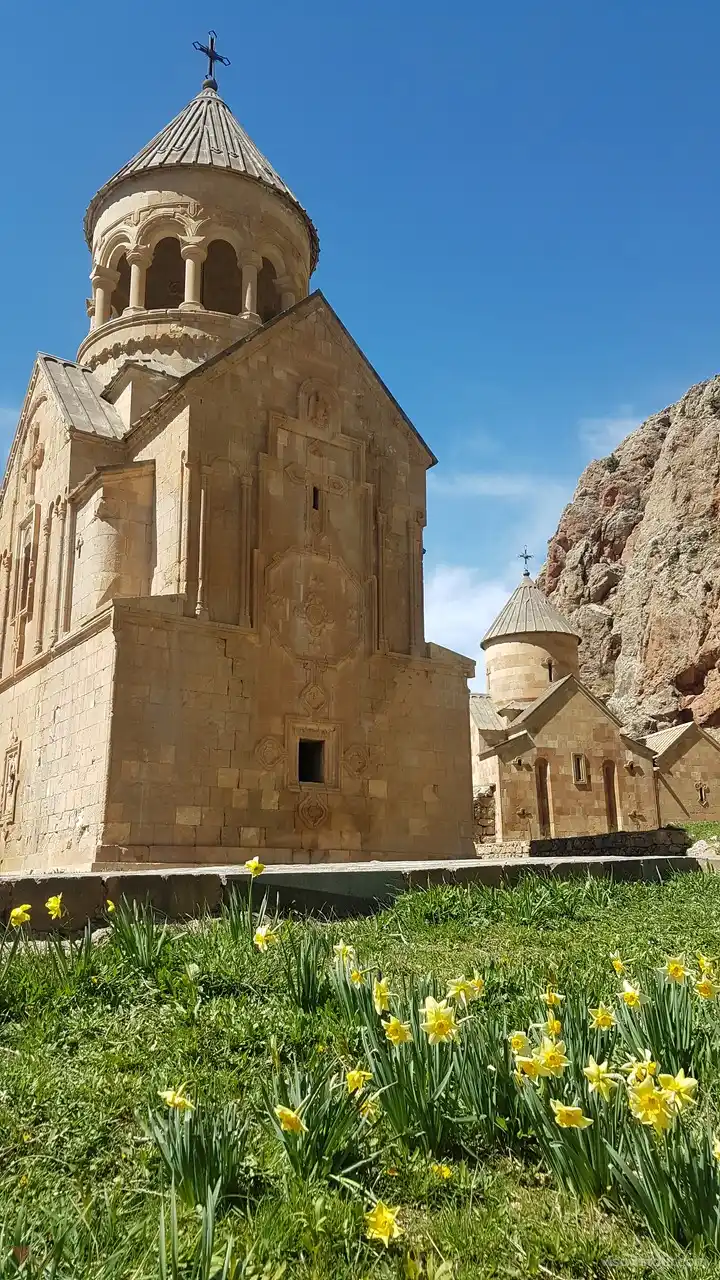
The oldest monument in the complex is the Church of St. Karapet, which dates back to the 9th or 10th century. However, Noravank’s crown jewel is the Church of the Holy Mother of God, completed in 1339 and considered a masterpiece by the esteemed Armenian sculptor and architect, Momik. This church, a breathtaking example of medieval Armenian artistry, features richly detailed carvings of the Virgin Mary, God the Father, and the Crucifixion of Christ, as well as numerous khachkars (cross-stones) engraved with intricate designs.
To the north of the main church lies the burial site of the Orbelian dynasty, a powerful Armenian noble family from the 13th to 14th centuries. The Church of the Holy Mother of God serves both as a memorial and a place of worship. Its ground floor contains a crypt, while the second floor, accessible by an exterior staircase, serves as the main chapel—a unique and artistic feature that adds to the monastery’s allure.
With its stunning architecture, spiritual significance, and spectacular surrounding scenery, Noravank is an unforgettable destination for visitors who wish to explore Armenia’s rich cultural heritage.