


Sanahin and Haghpat Monasteries UNESCSO
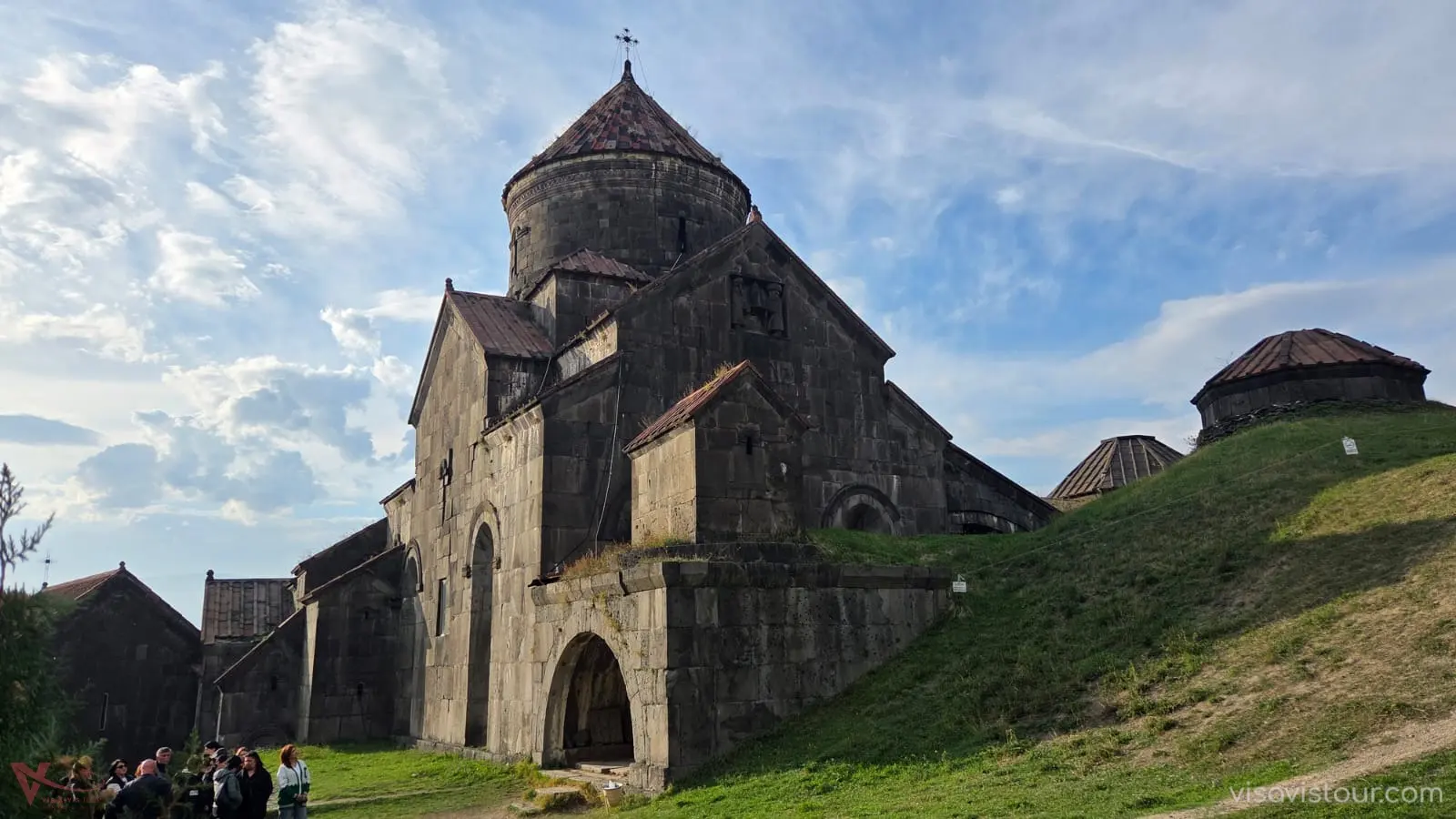
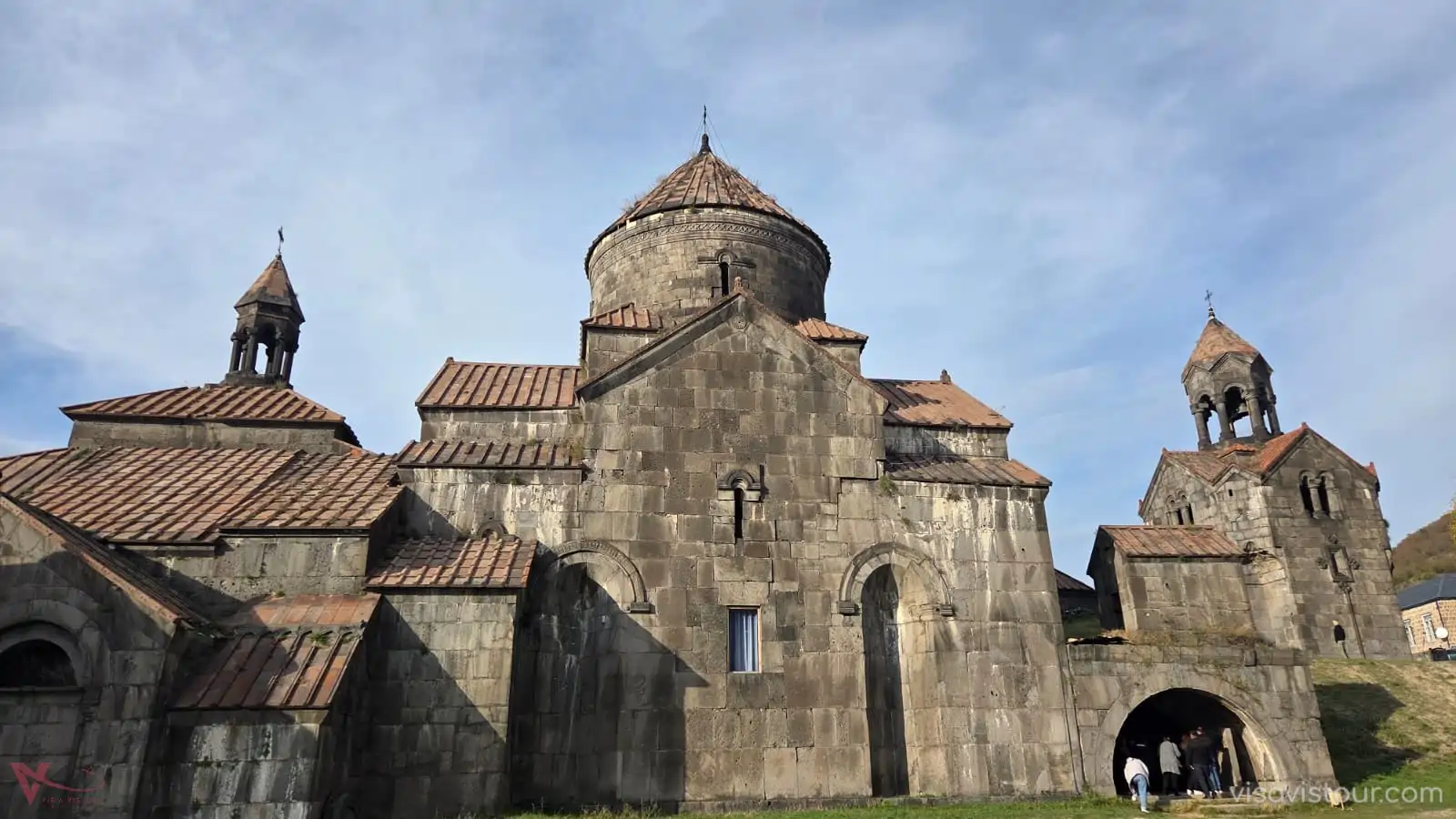
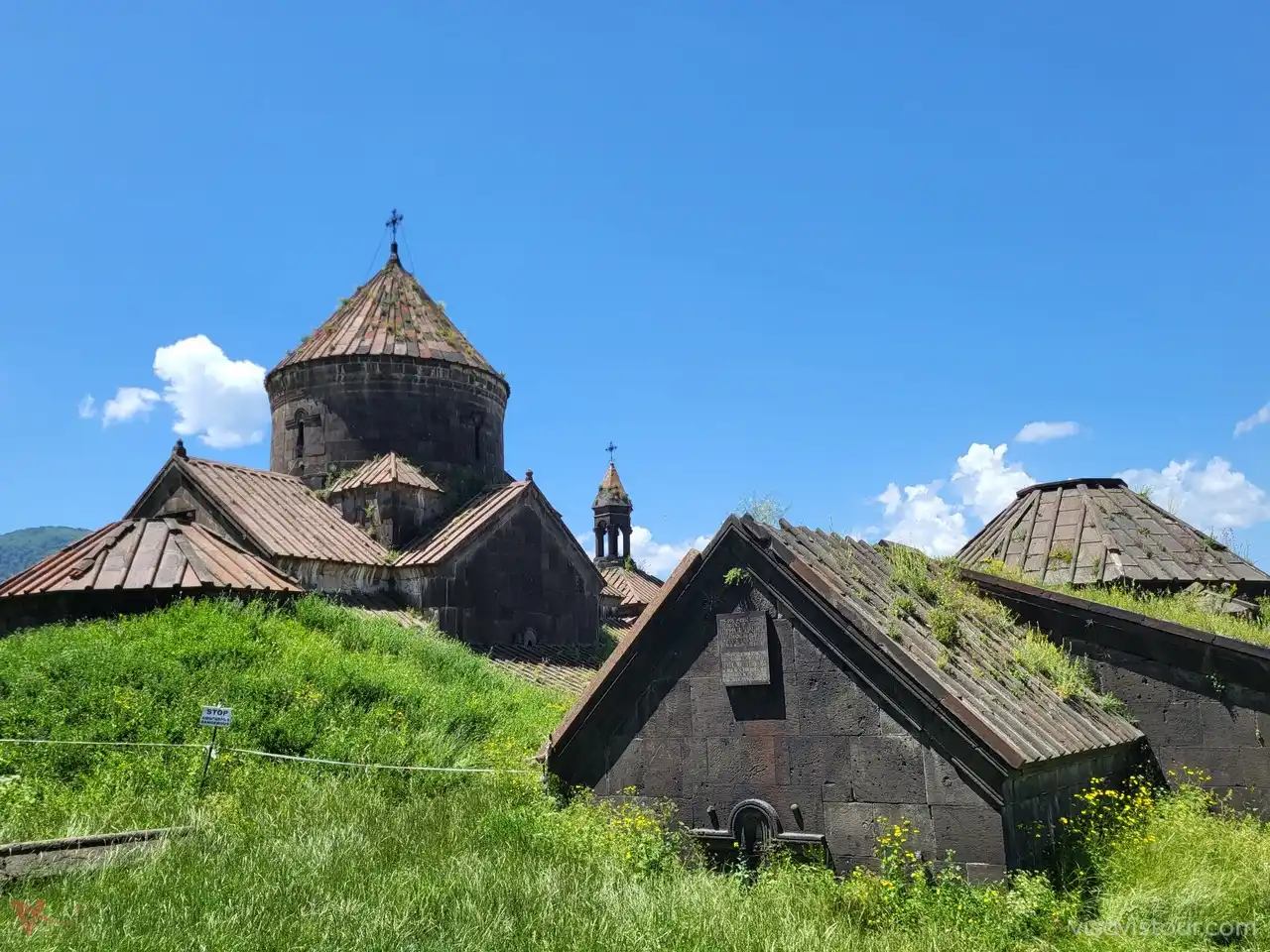
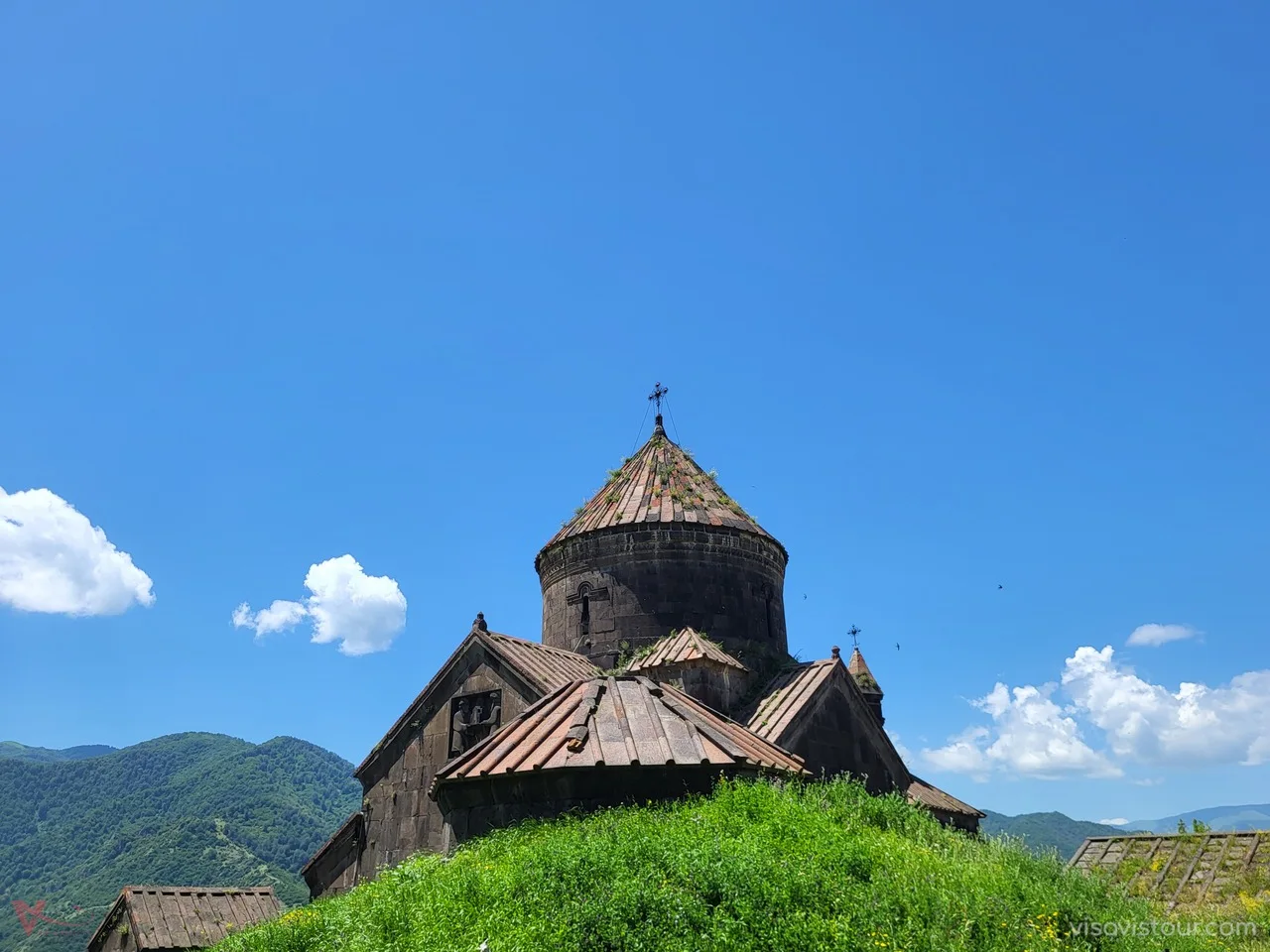
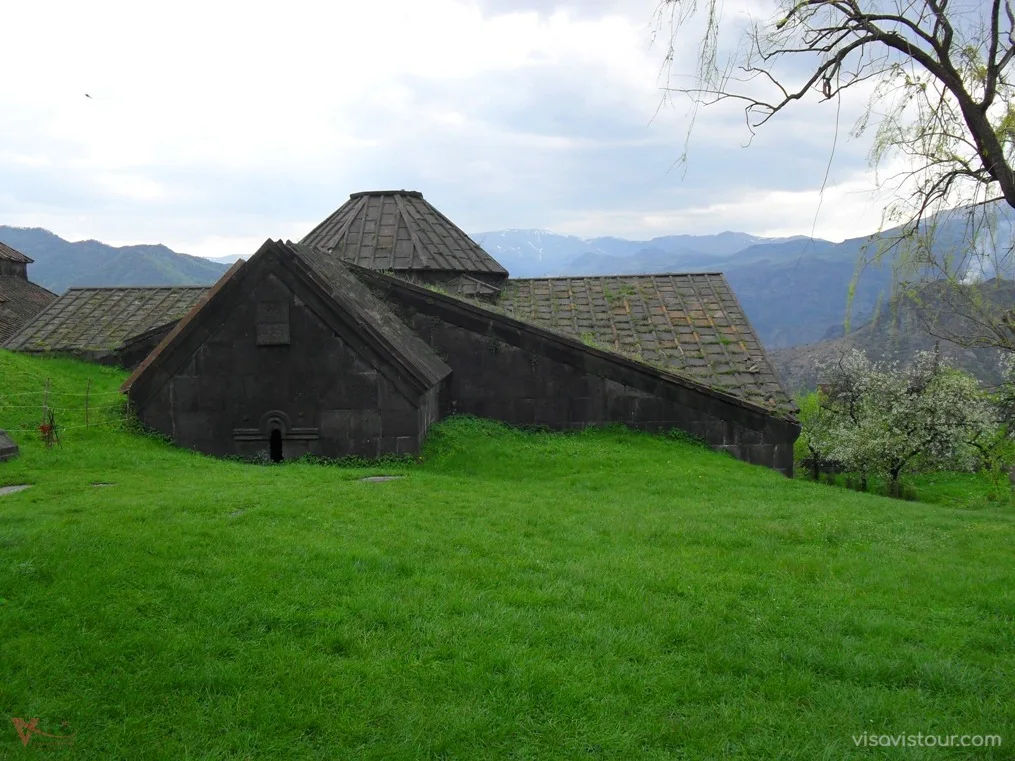
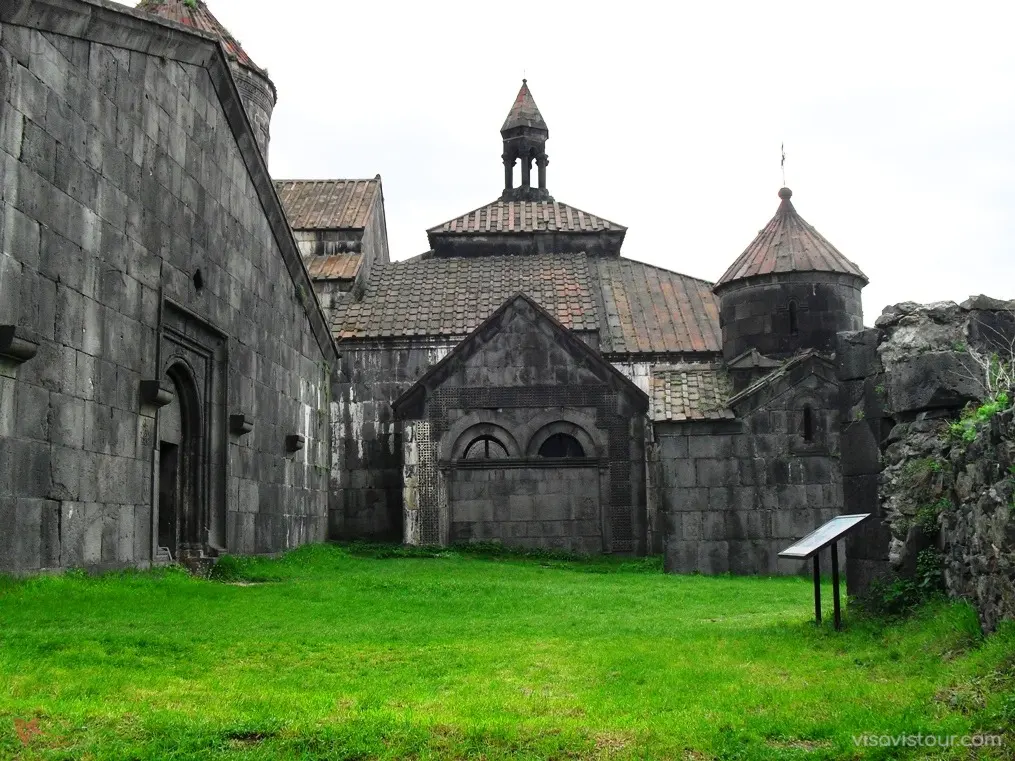
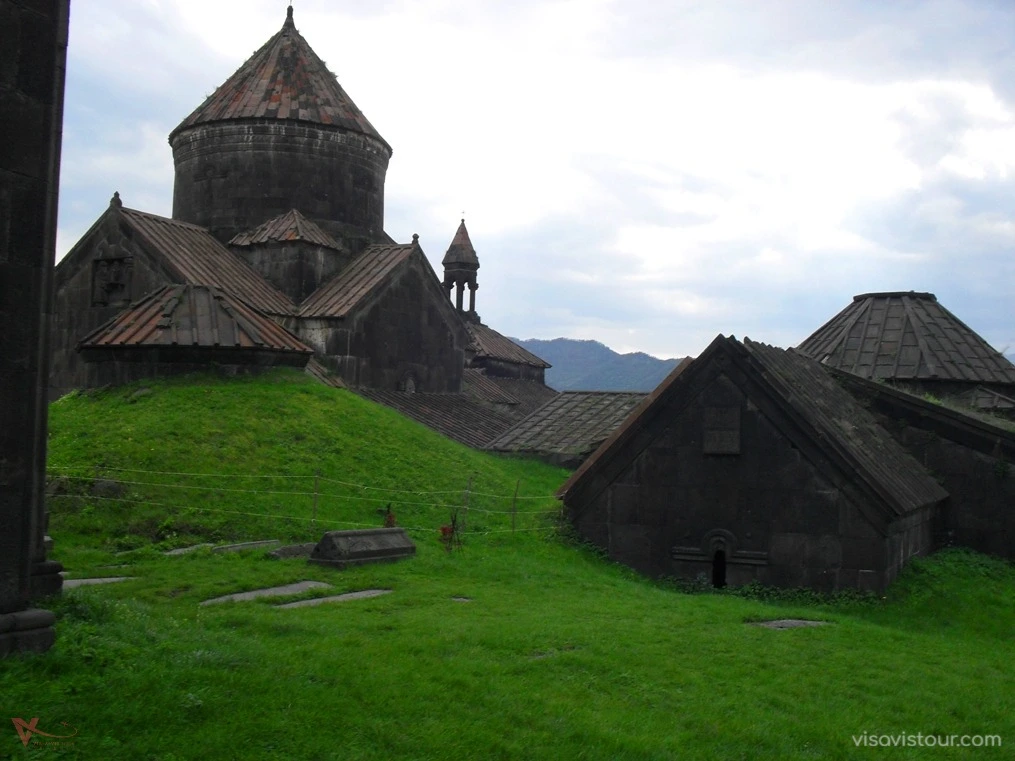
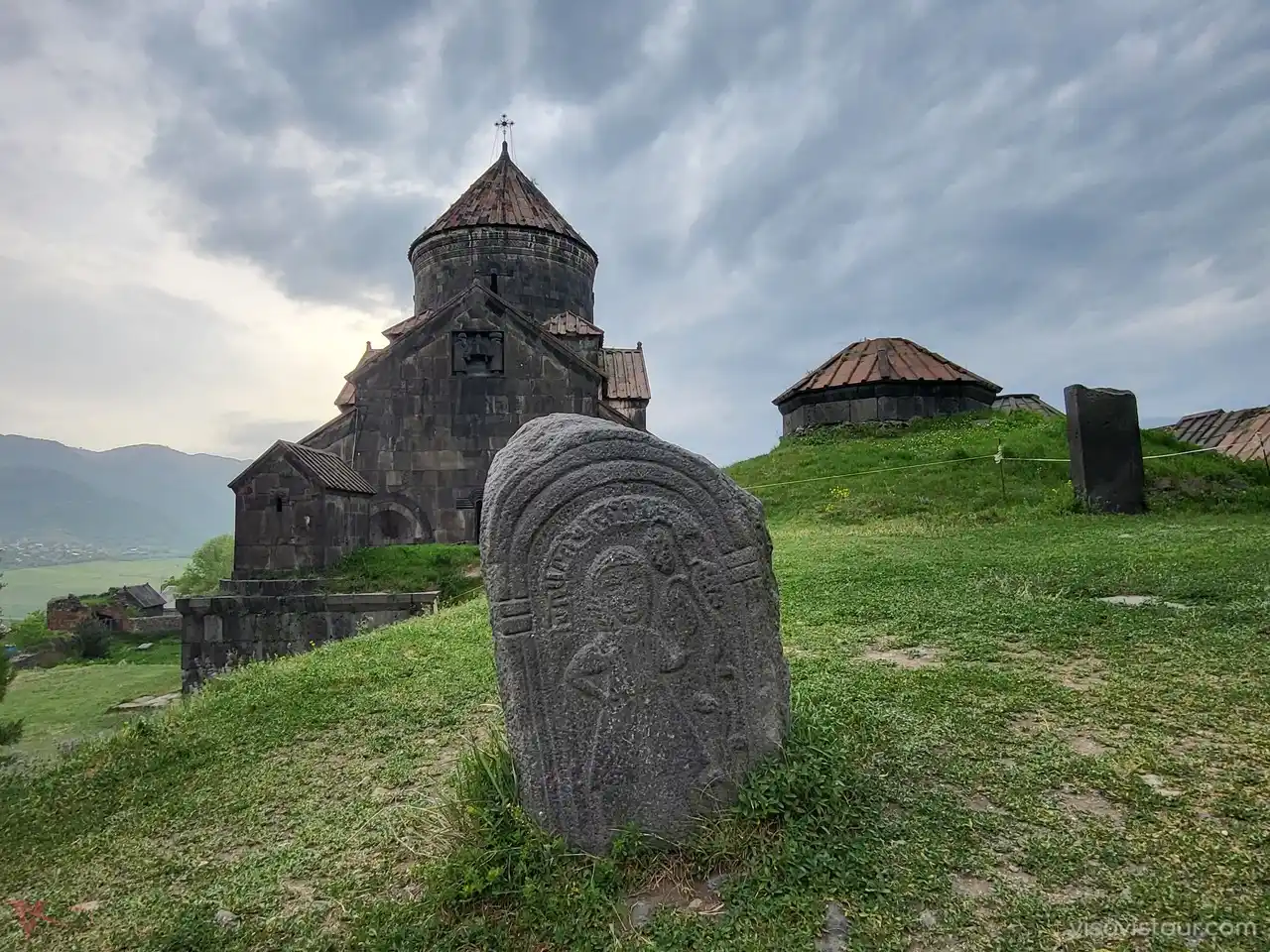
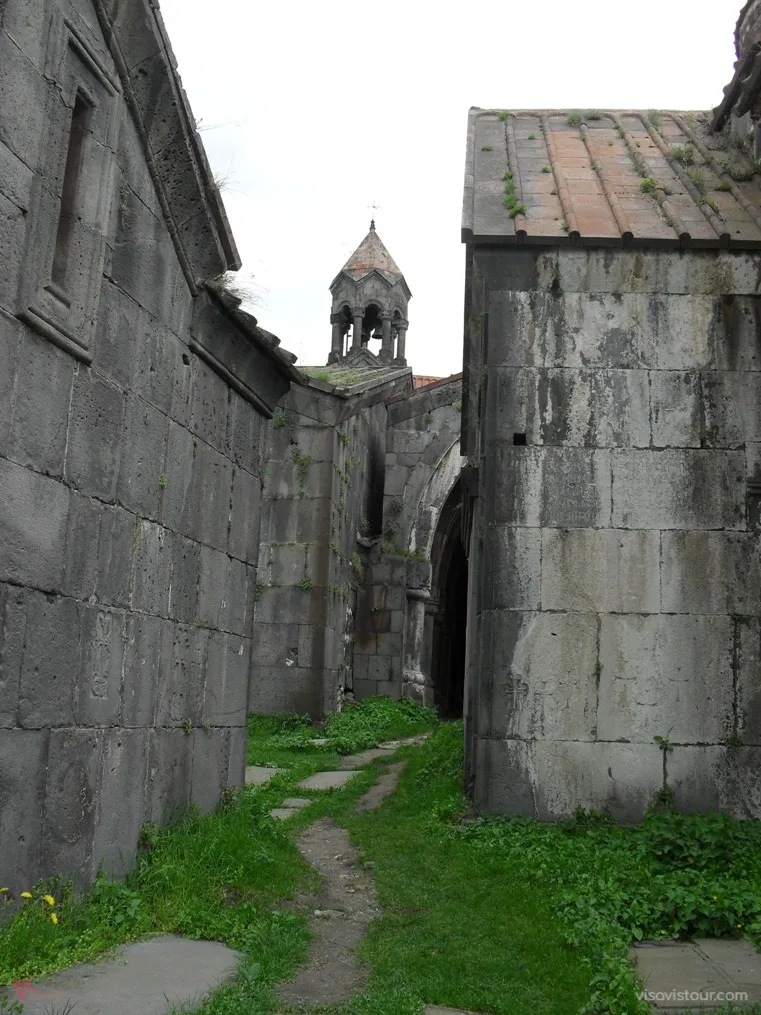
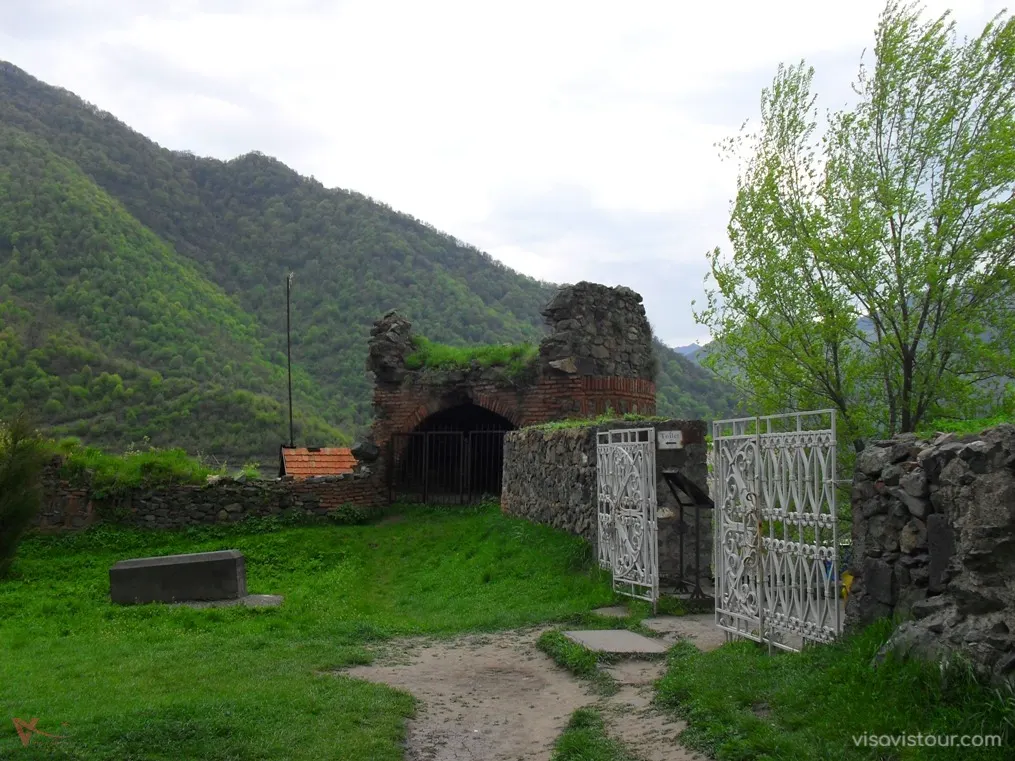
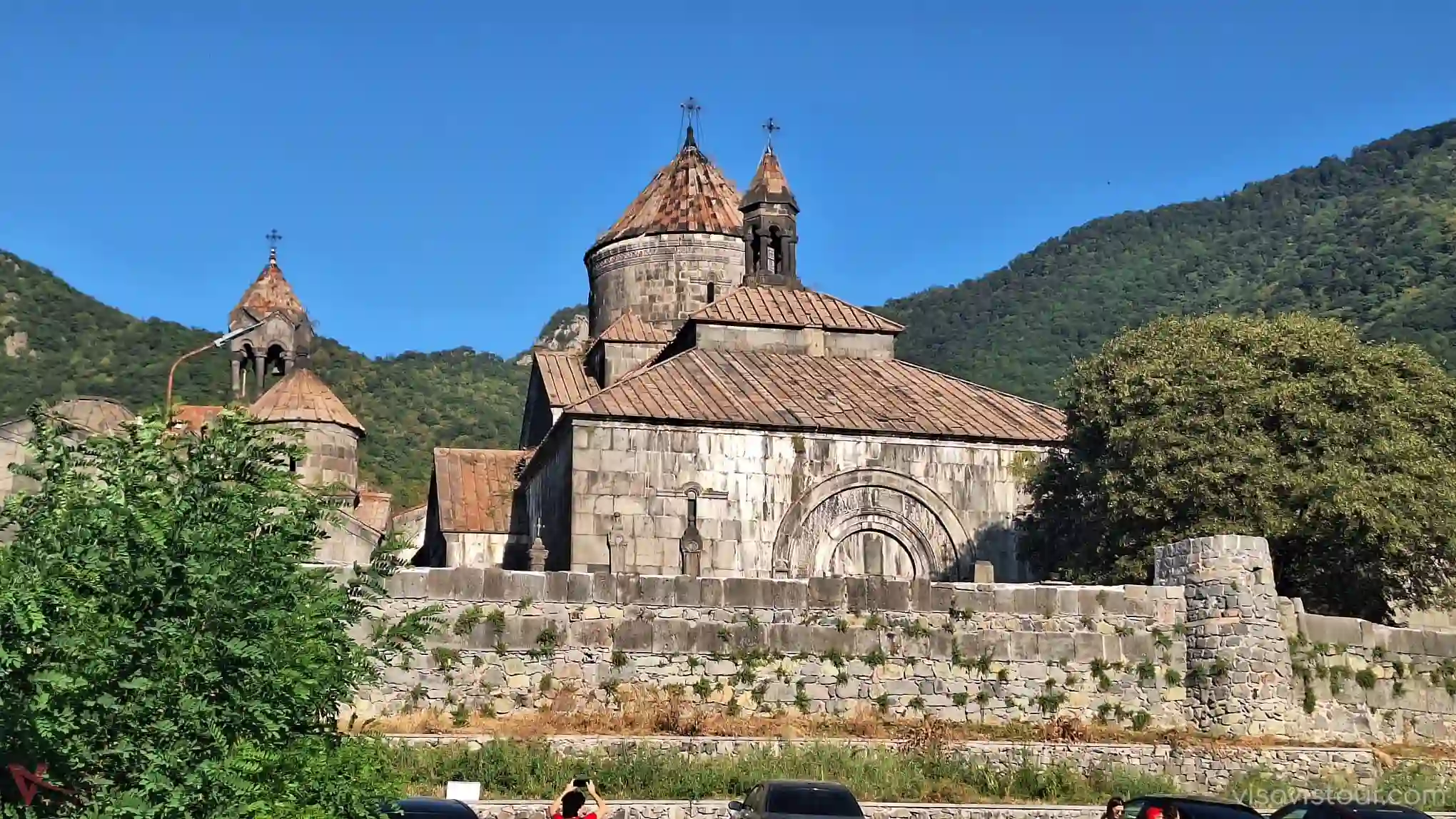
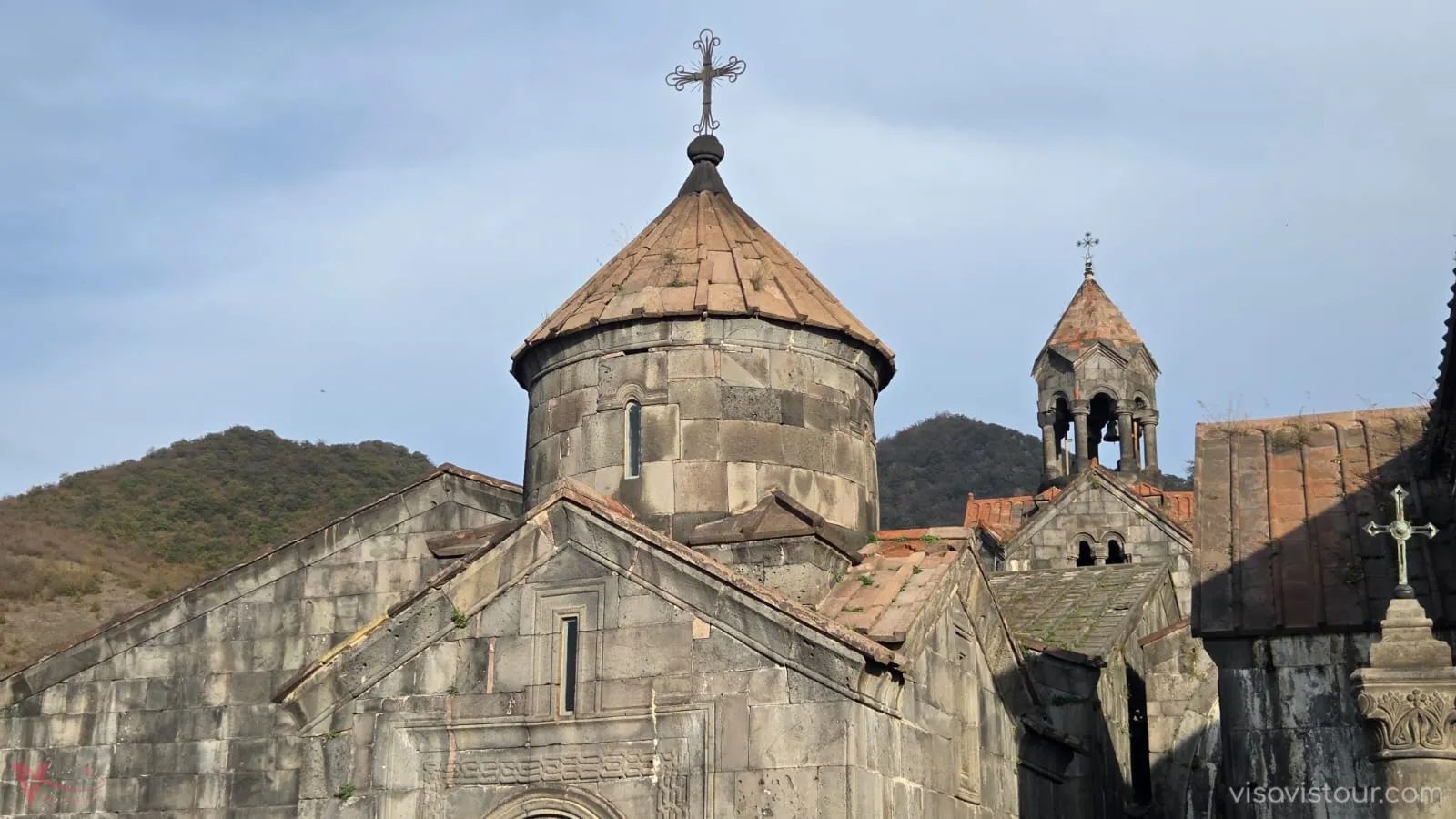
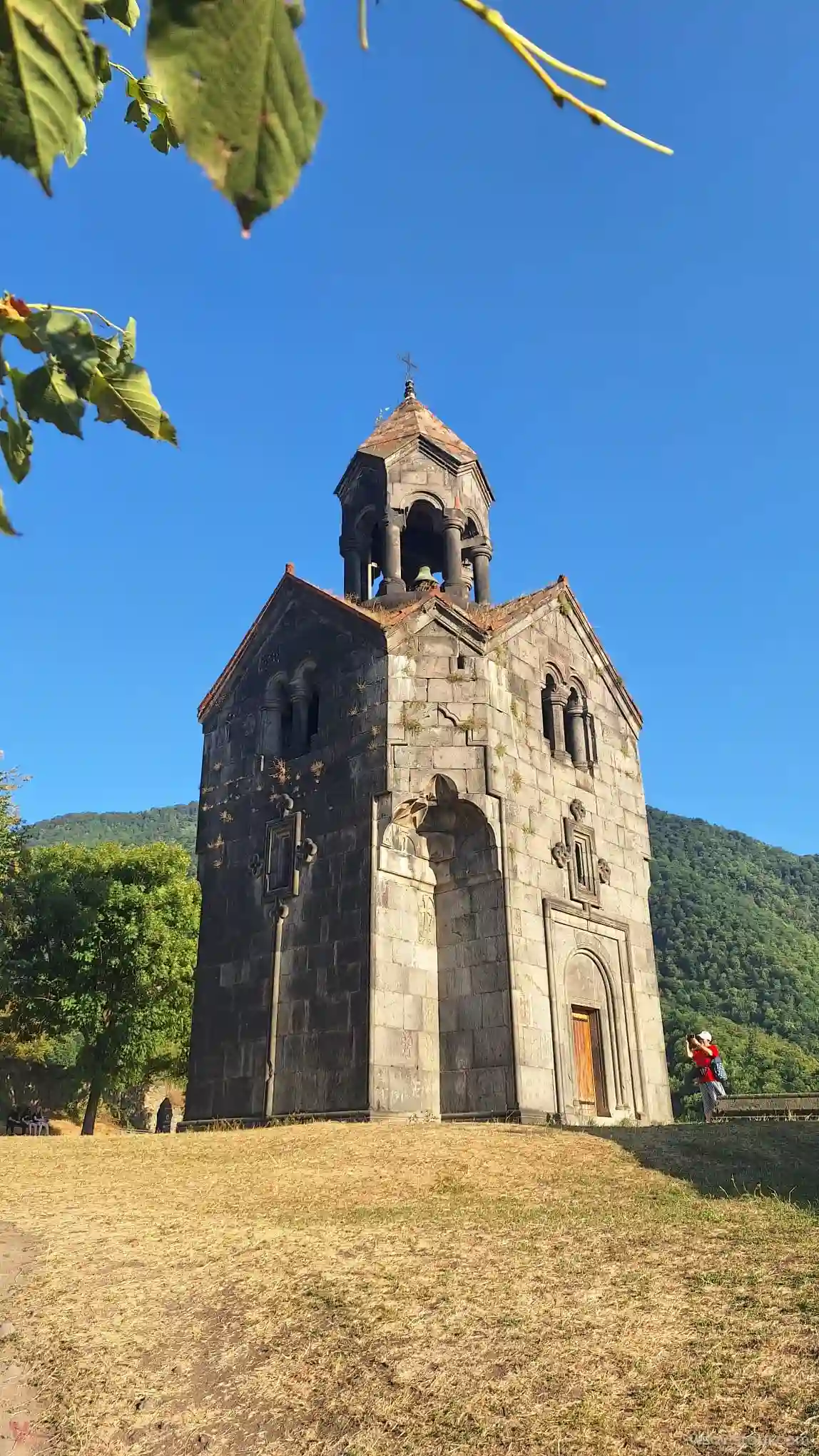
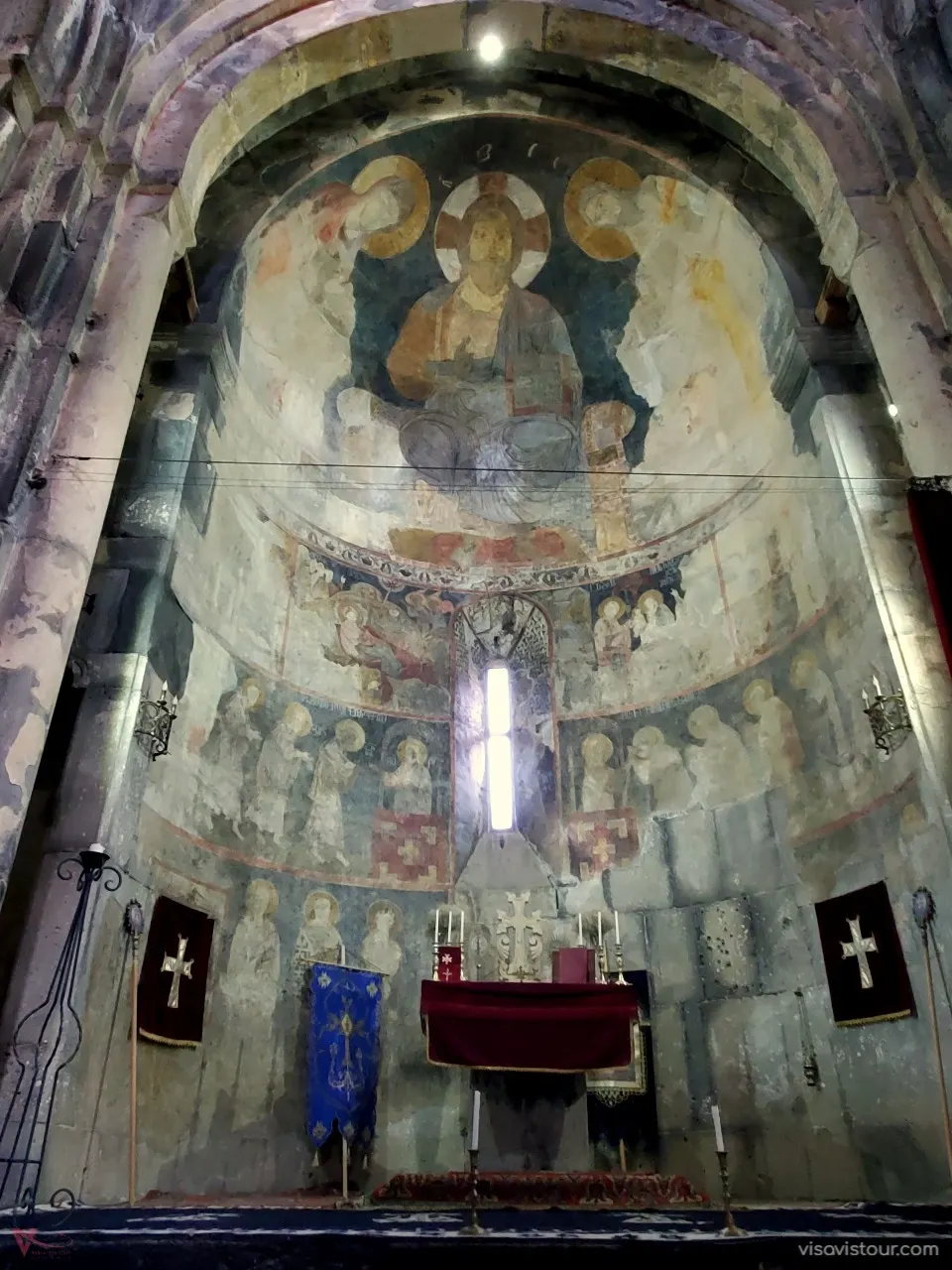
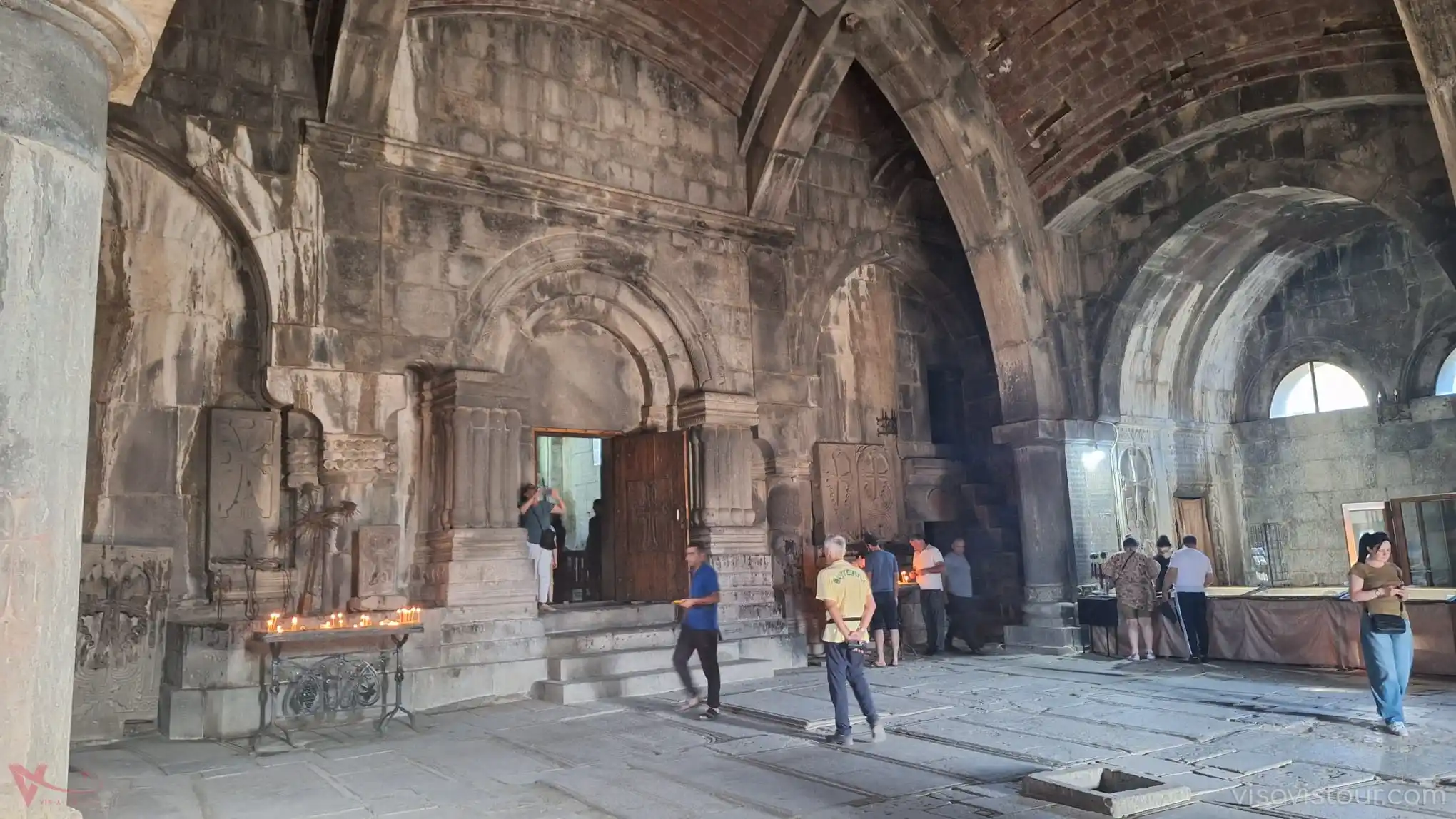
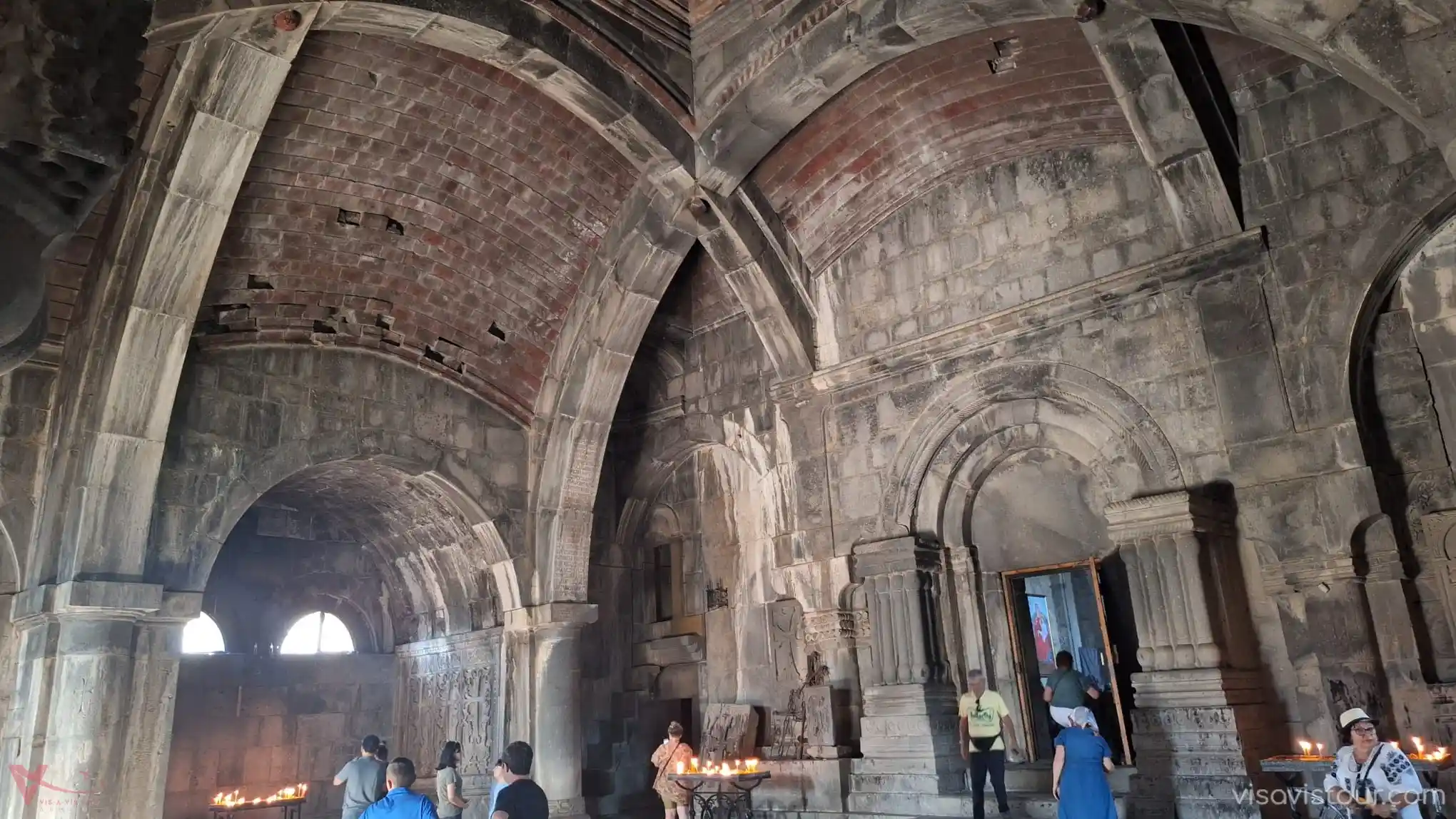
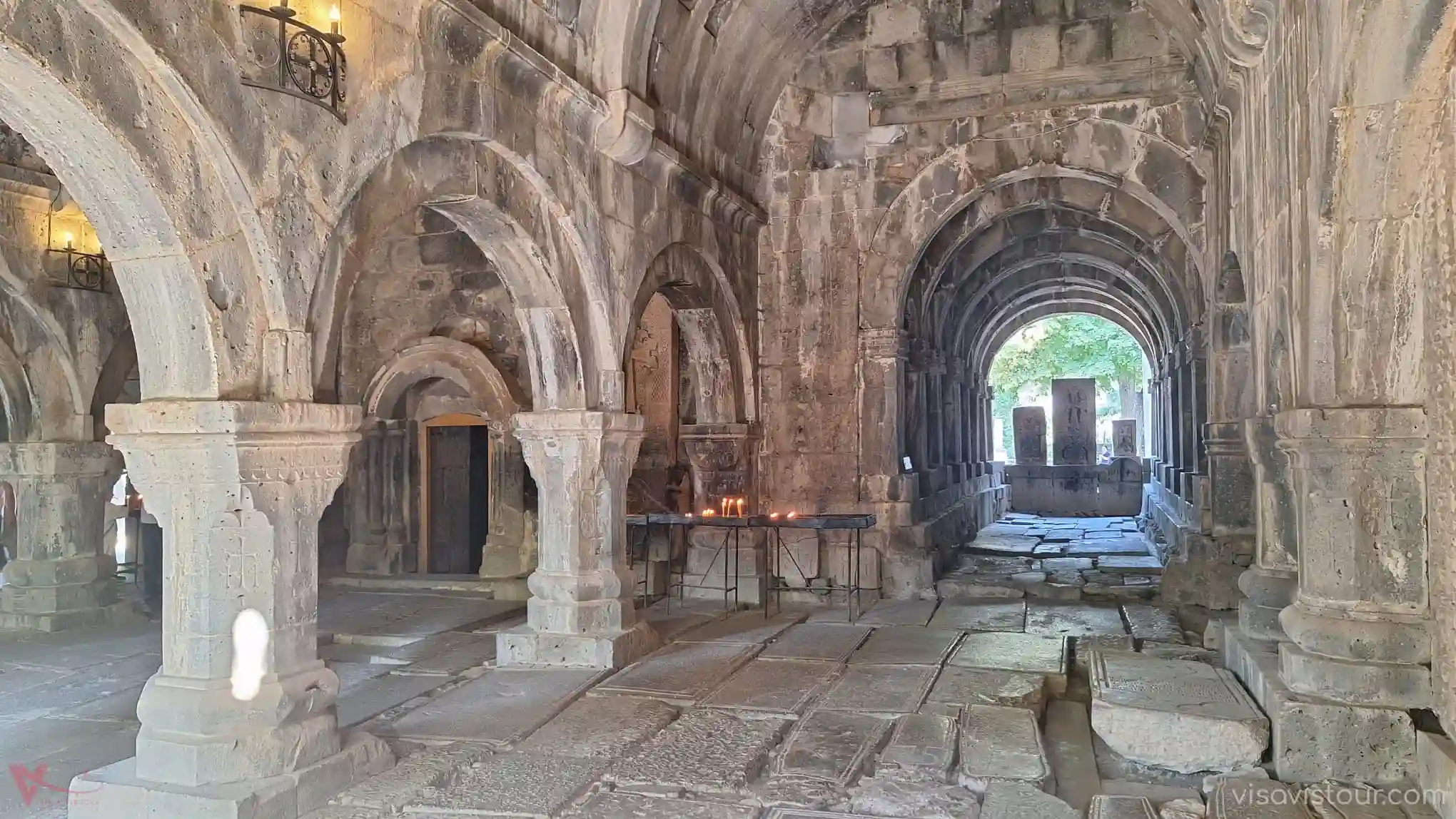
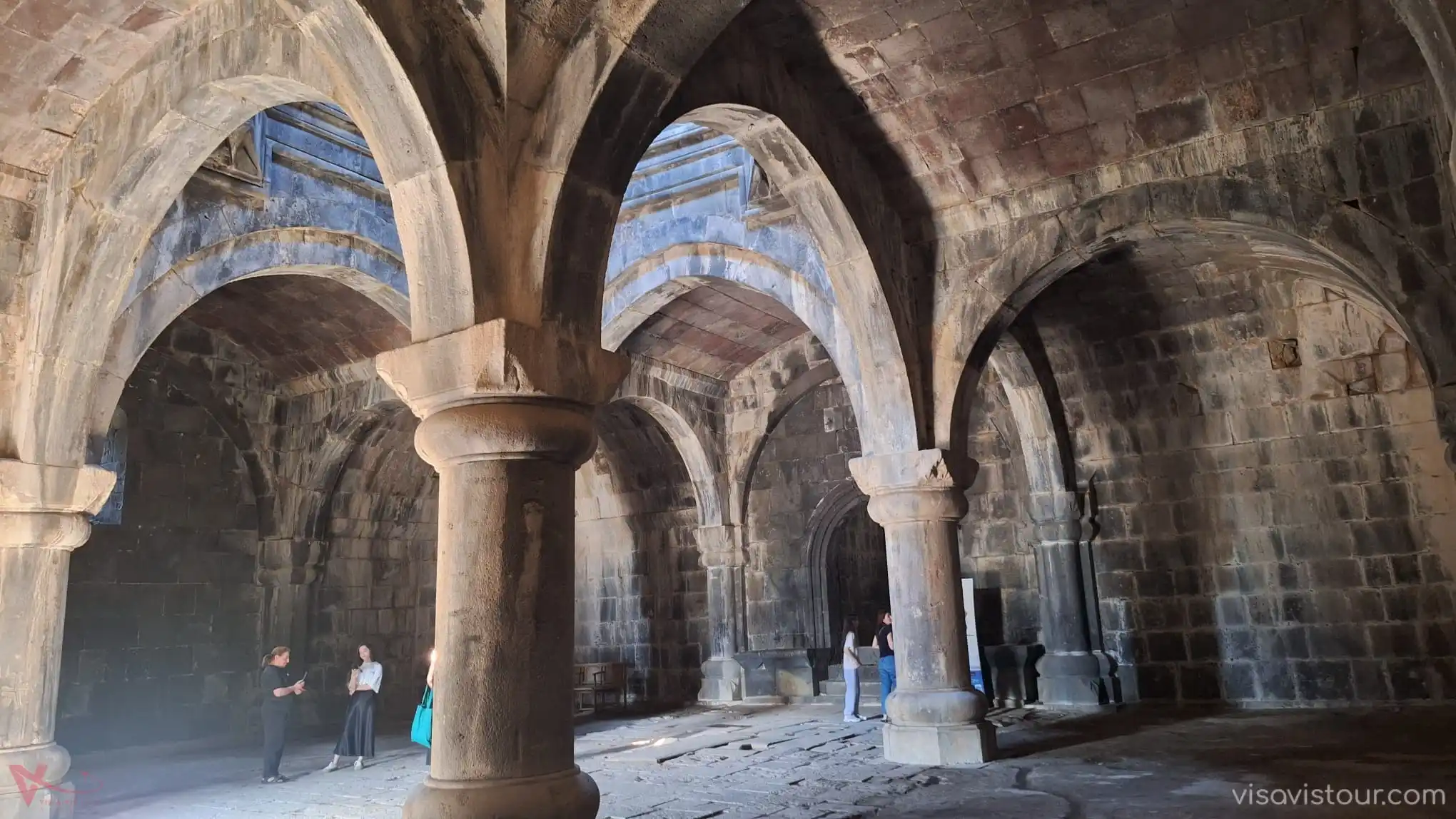
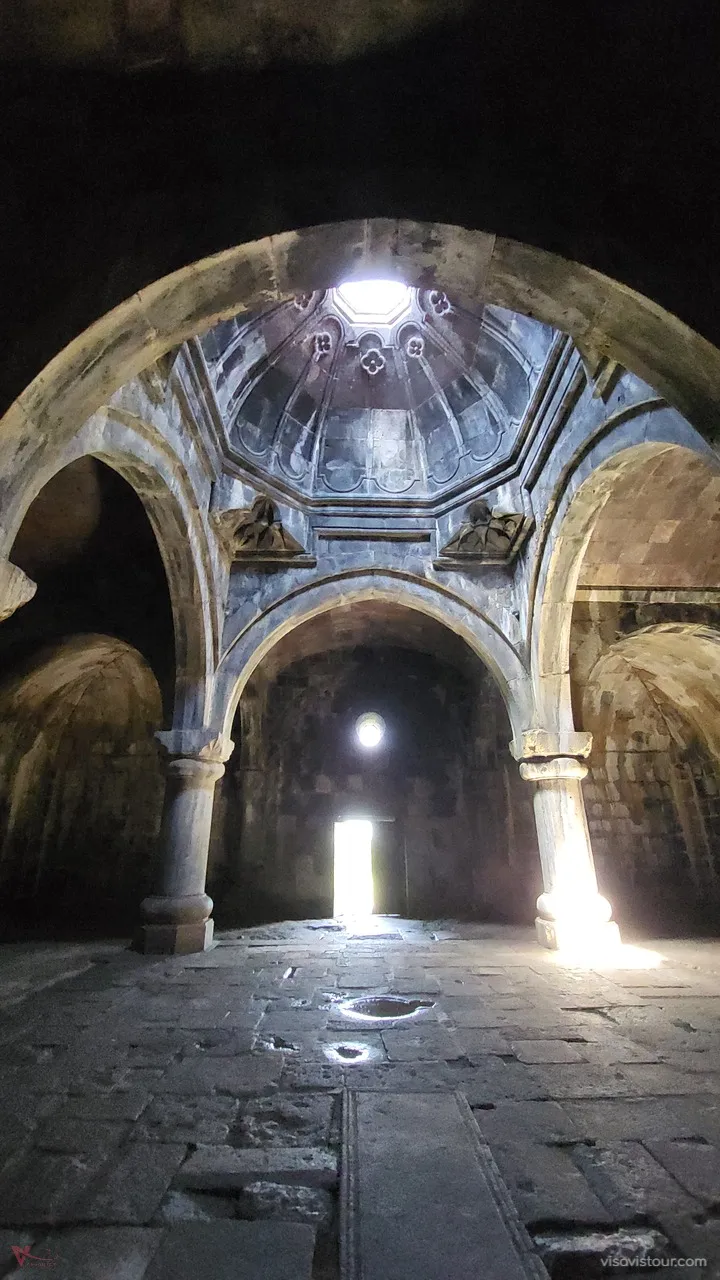
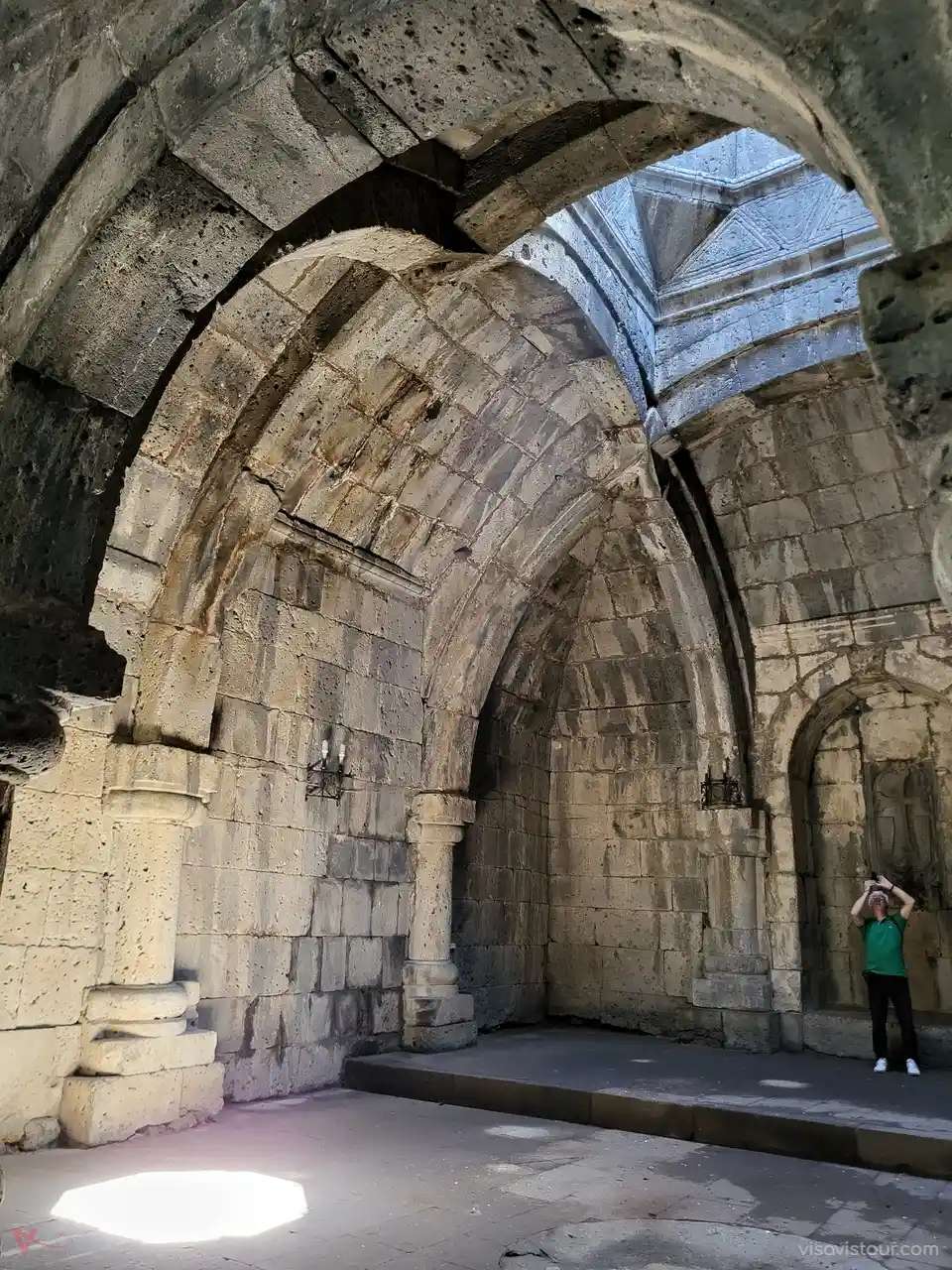
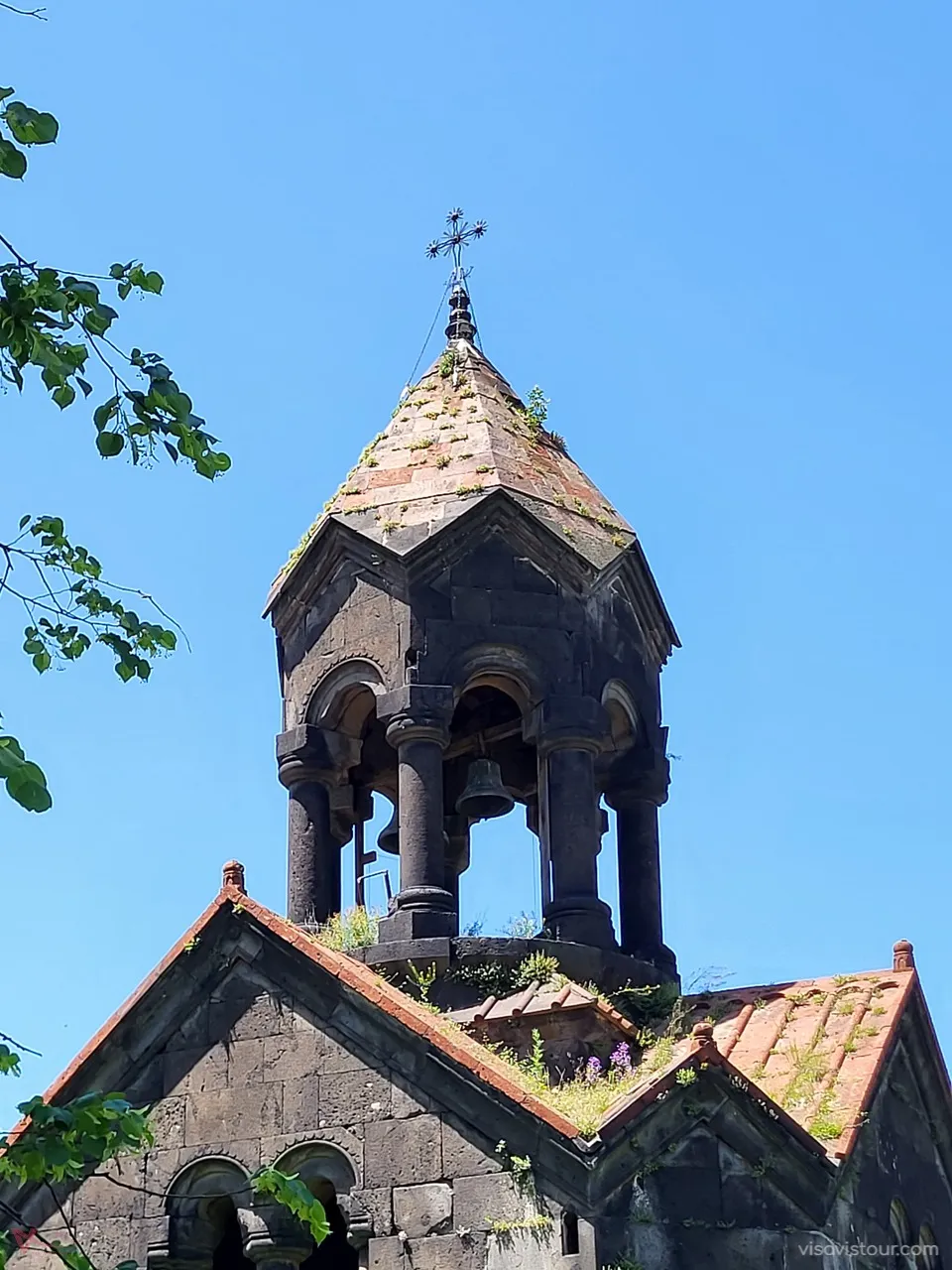
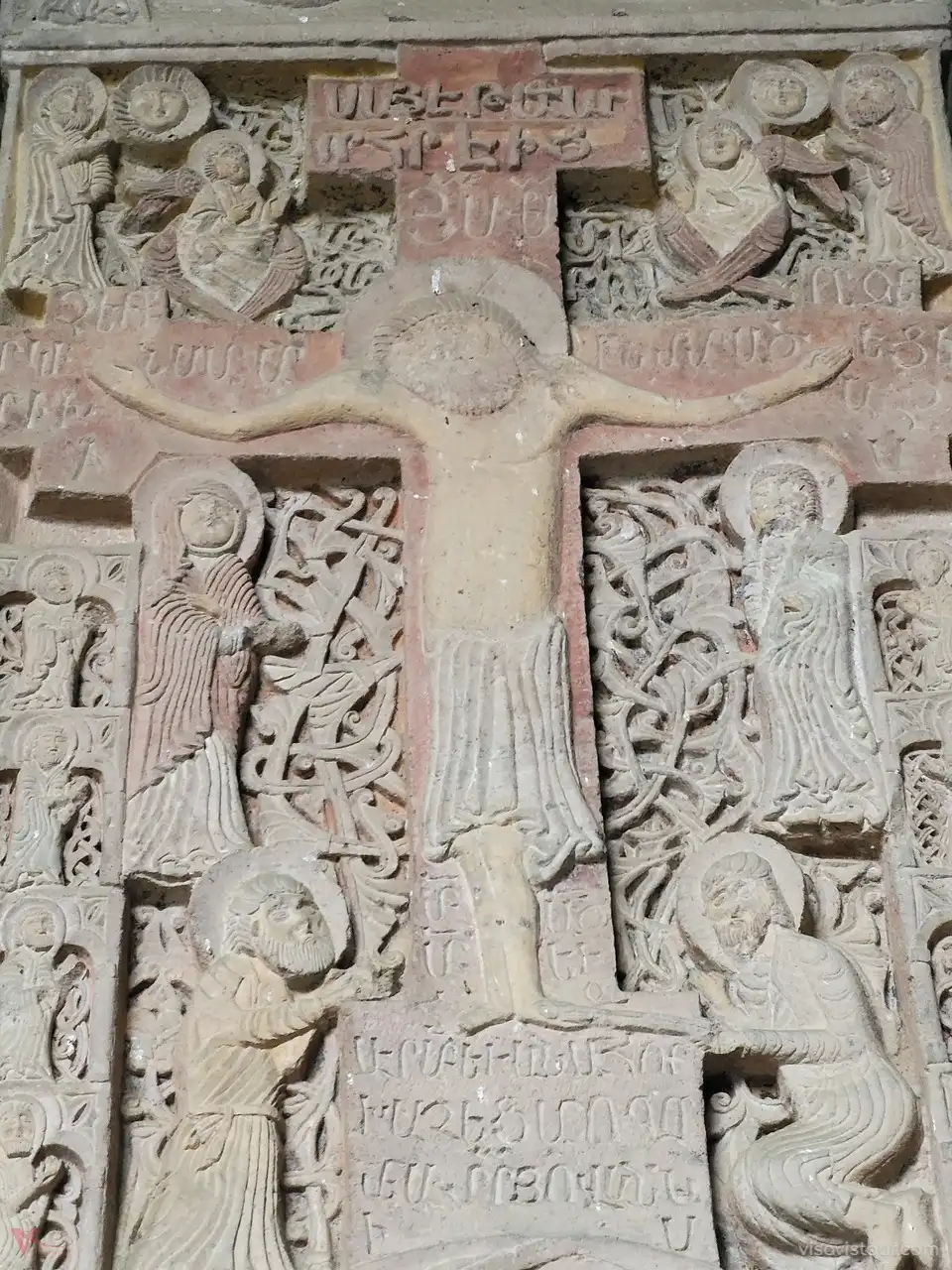
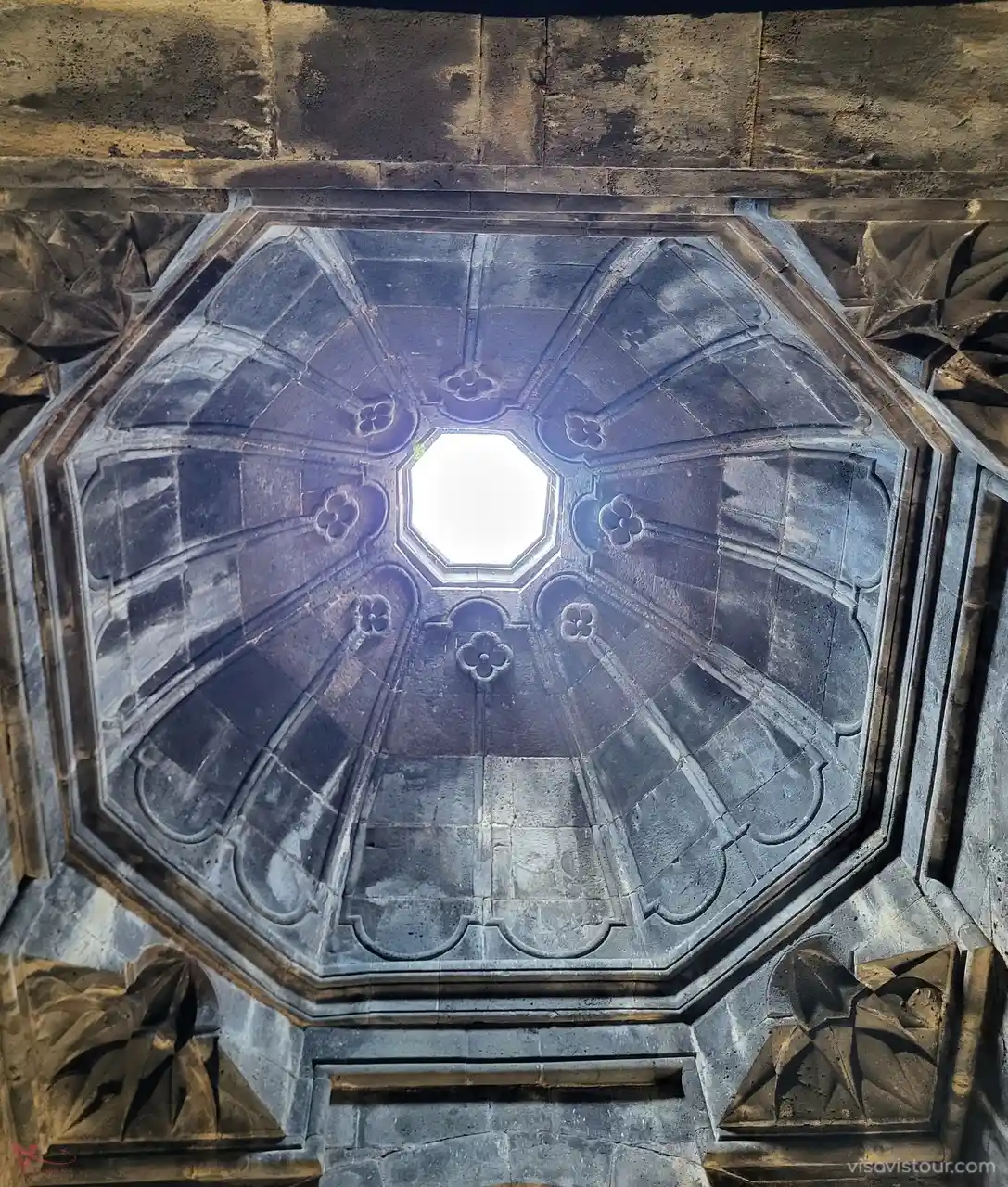
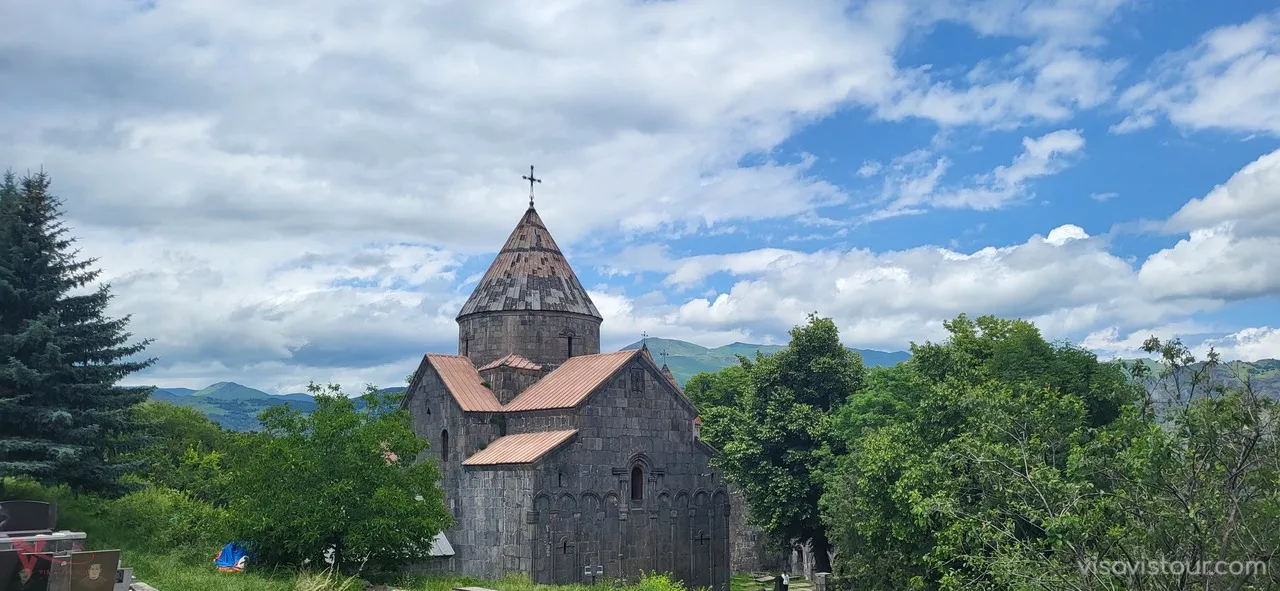
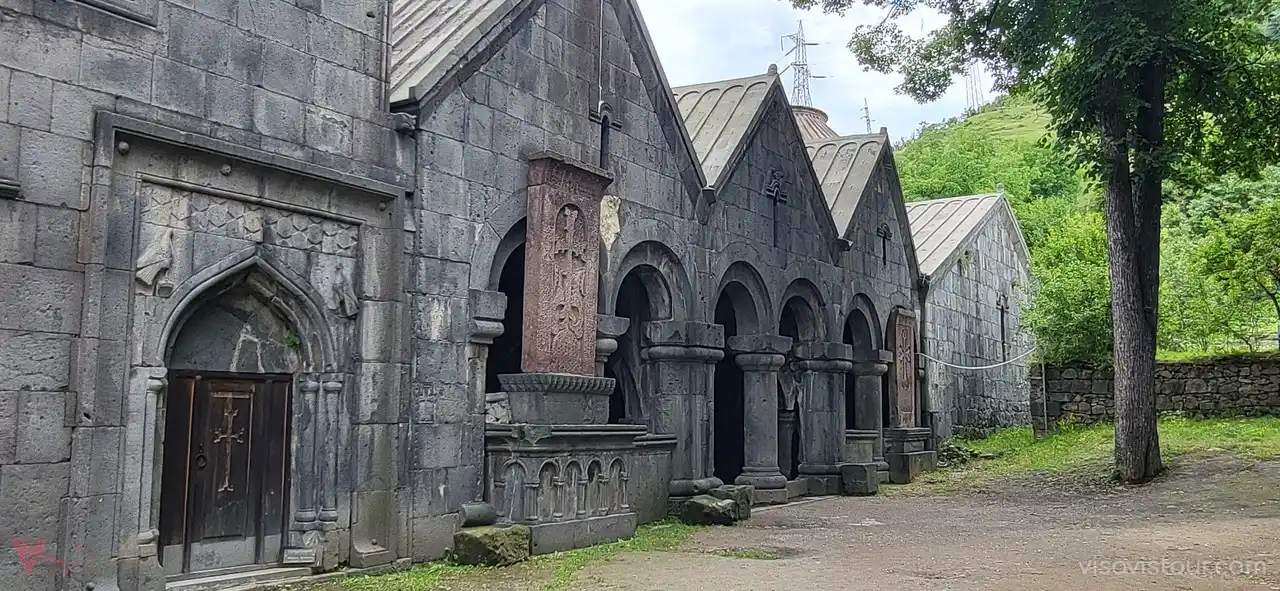
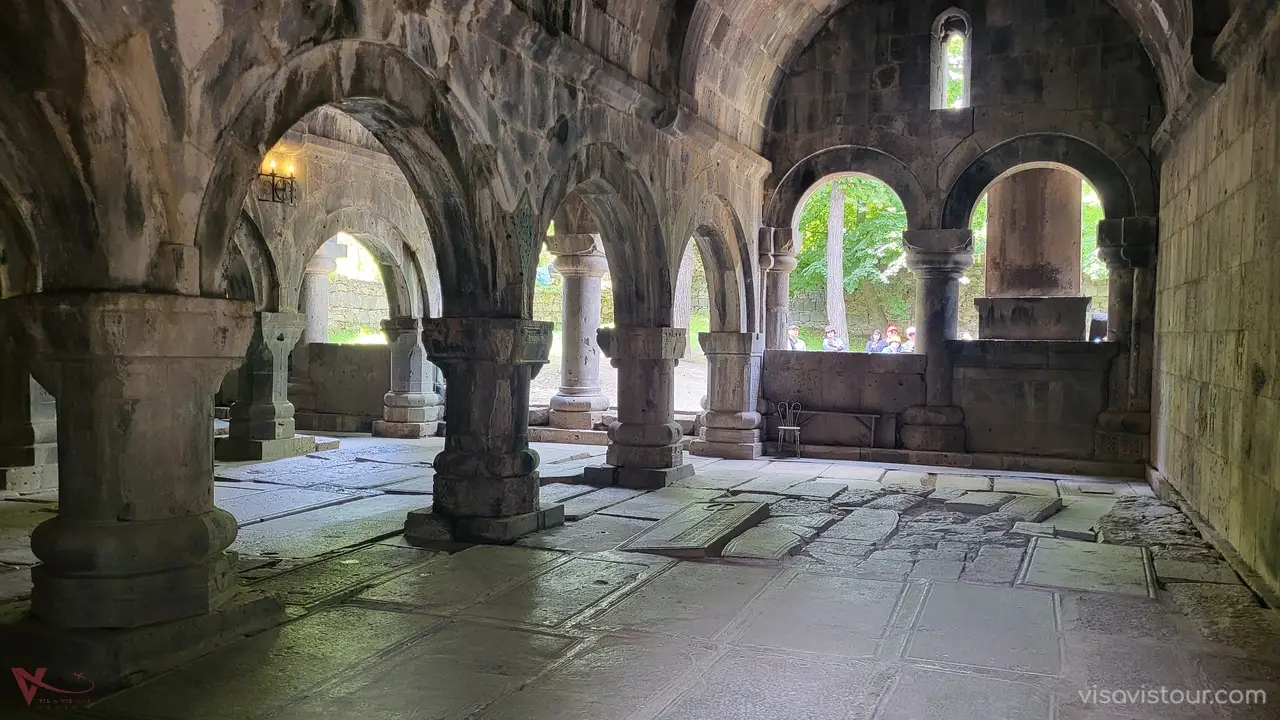
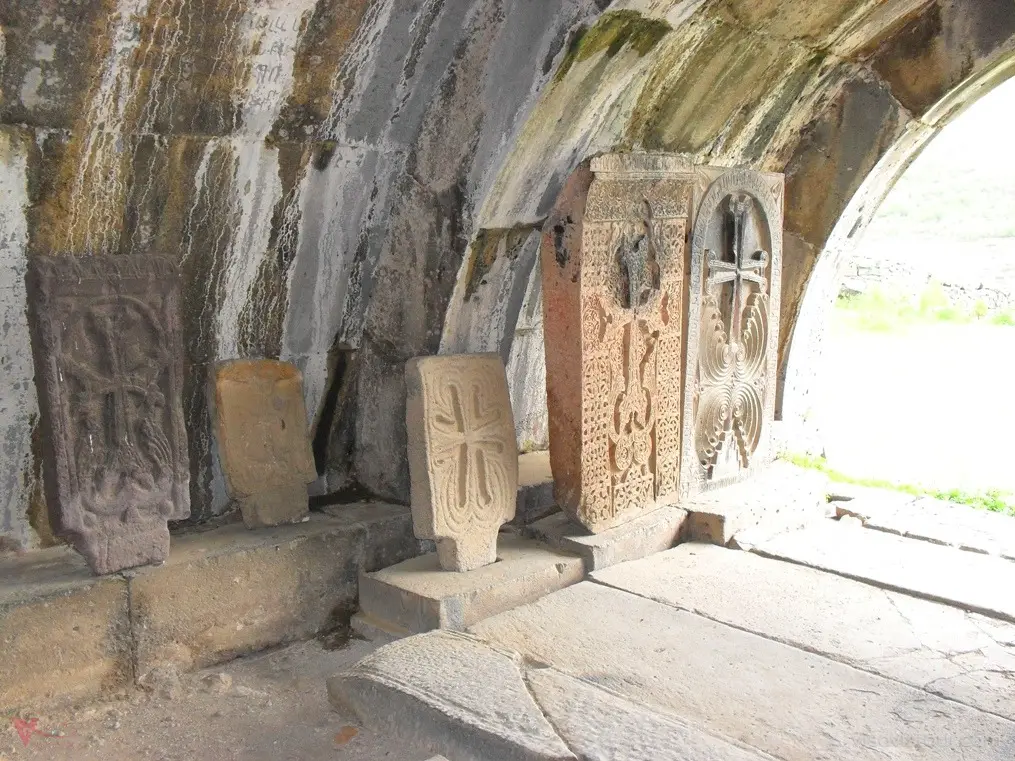
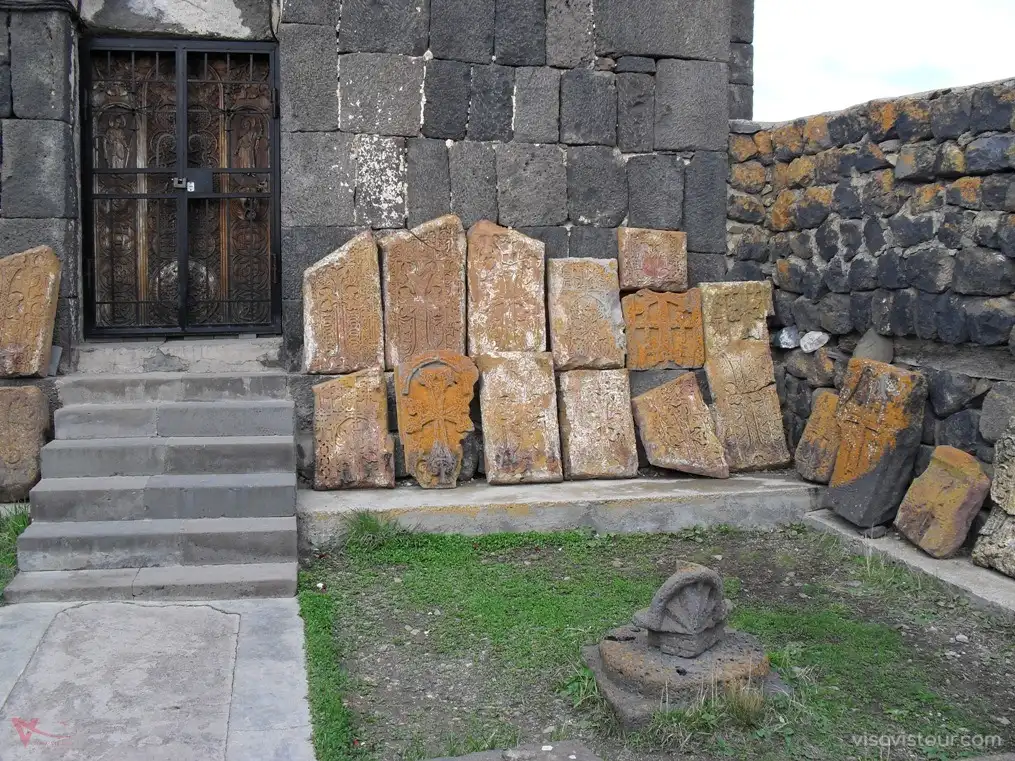
The Haghpat and Sanahin Monasteries are listed as UNESCO World Heritage sites (2000). Located in the northern part of Armenia, in the Lori region, near the town of Alaverdi, these monasteries were important religious and educational centers. Around 500 monks lived there, and the monasteries also served as repositories for manuscripts.
Sanahin Monastery
Sanahin is one of the most renowned monasteries of medieval Armenia. The complex includes significant structures such as the Church of the Mother of God, the Church of St. Amenaprkich, the St. Gregory Chapel (10th century), an Academy building (11th century), a depository (11th century), a gallery (10th century), a vestibule (12th century), and bells (13th century). These buildings are clustered around the old Church of the Blessed Virgin. Historically, Sanahin’s academy, known as the Academy of Grigor Pahlavuni, was famed for its focus on the arts and humanities. Prominent Armenian scholars taught at this academy, and by the 12th century, Sanahin had established a medical school. Among its notable alumni was Sayat-Nova, a national poet, singer, and musician.
Haghpat Monastery
Located northeast of Sanahin, Haghpat Monastery shares a similar design and architectural style. The clock tower, built in 1210, is one of the finest examples of medieval Armenian architecture. The monastery’s bell tower, constructed in 1245, stands apart from the main ensemble of monuments and is architecturally significant. The complex was once home to libraries, scriptoriums, schools, and refectories, where arts, humanities, theology, and painting were taught. One of the most fascinating features of Haghpat is its refectory, dating back to the 13th century.