



Armenia & Georgia
Regional Tours
12 days / 11 nights
availability
Full Year
Arrival in Yerevan / Departure from Tbilis
Detailed Descriptions
Arrival in Yerevan. Transfer to the hotel. O/N in Yerevan
Yerevan - City tour
Breakfast at the hotel.
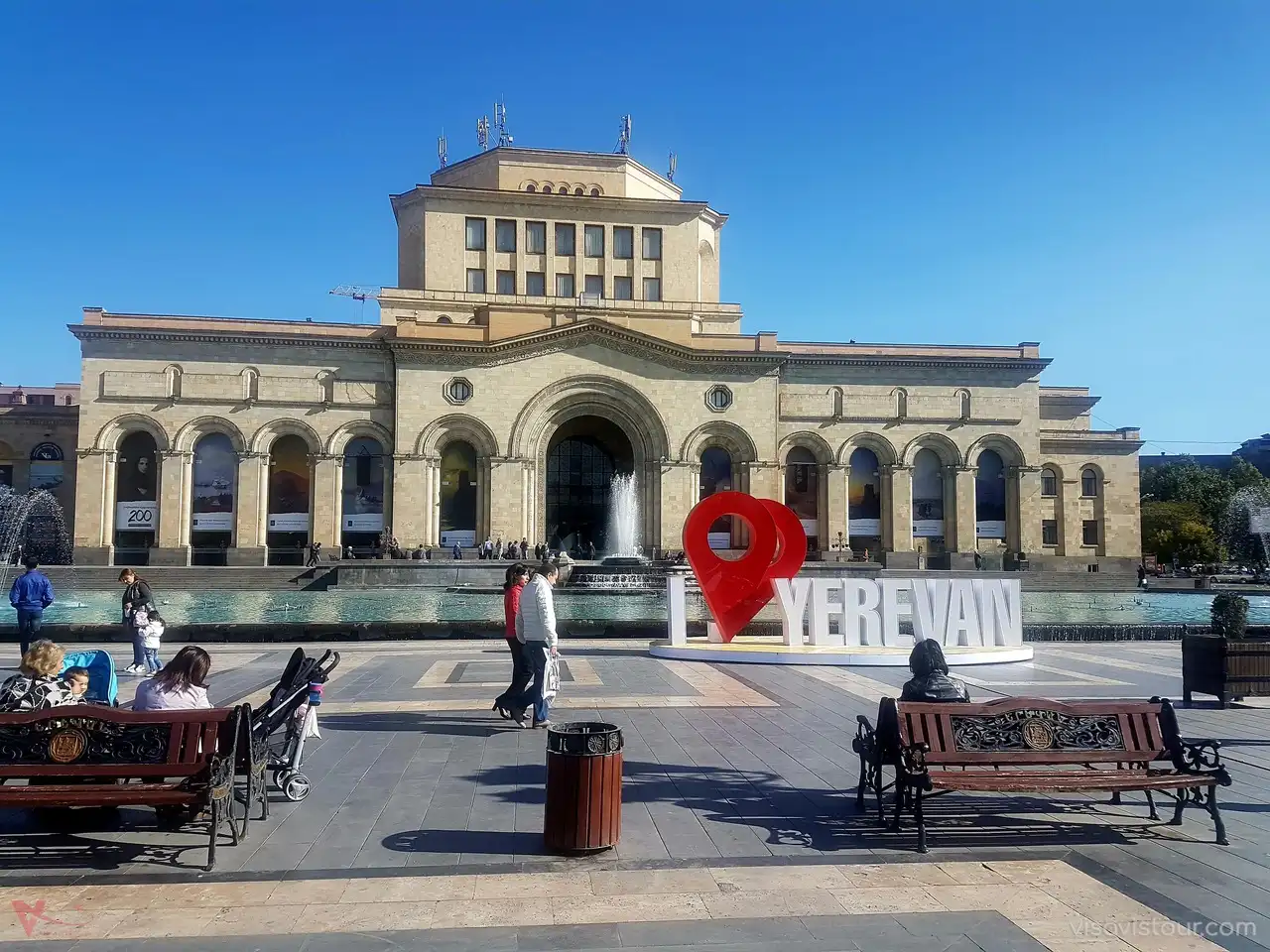
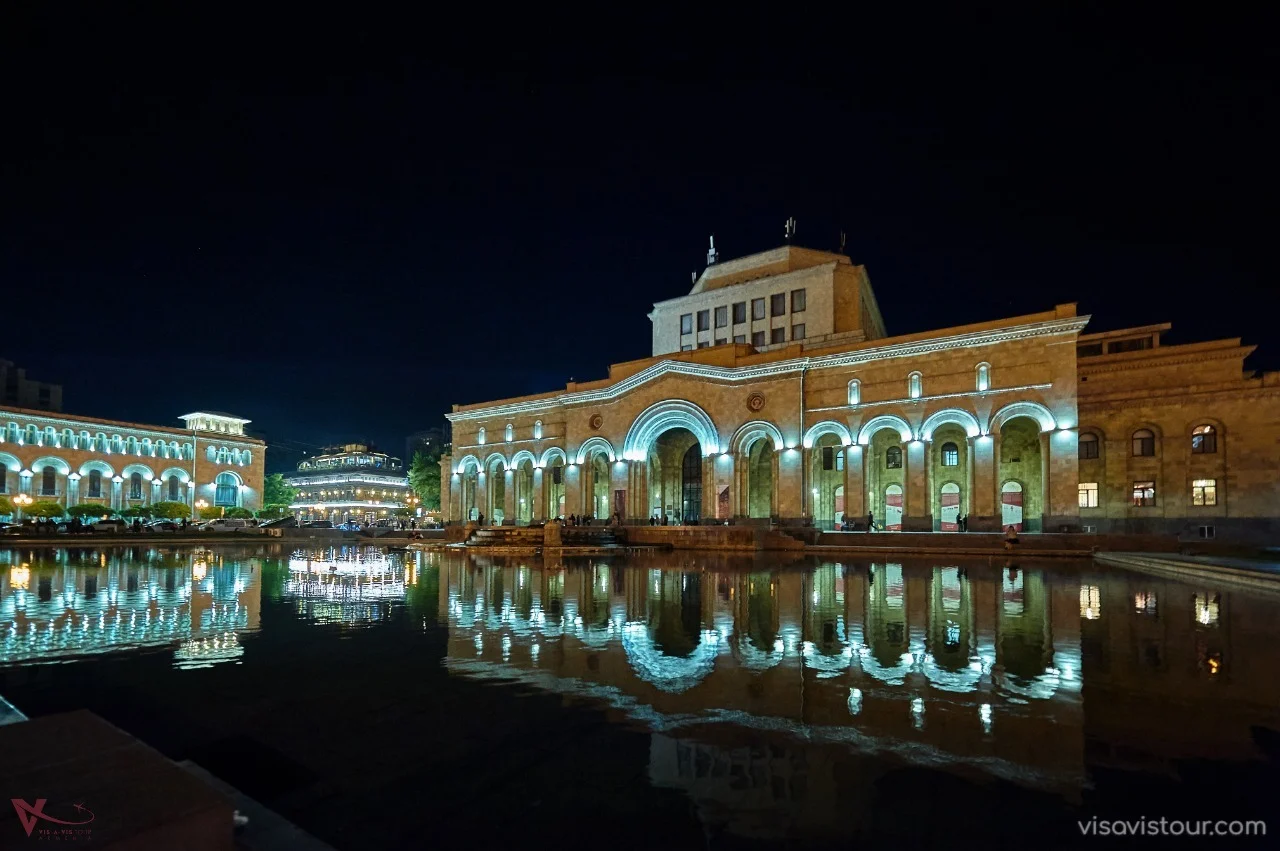
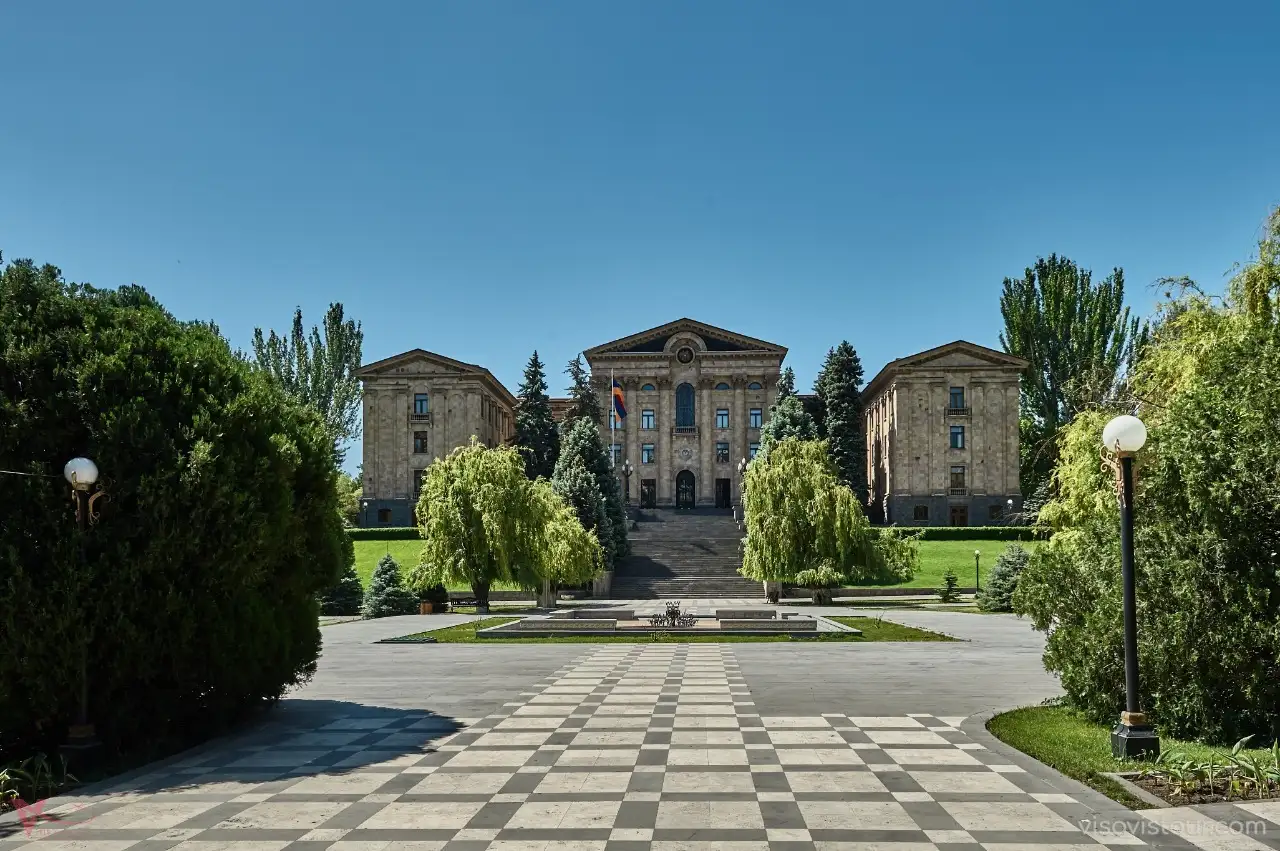
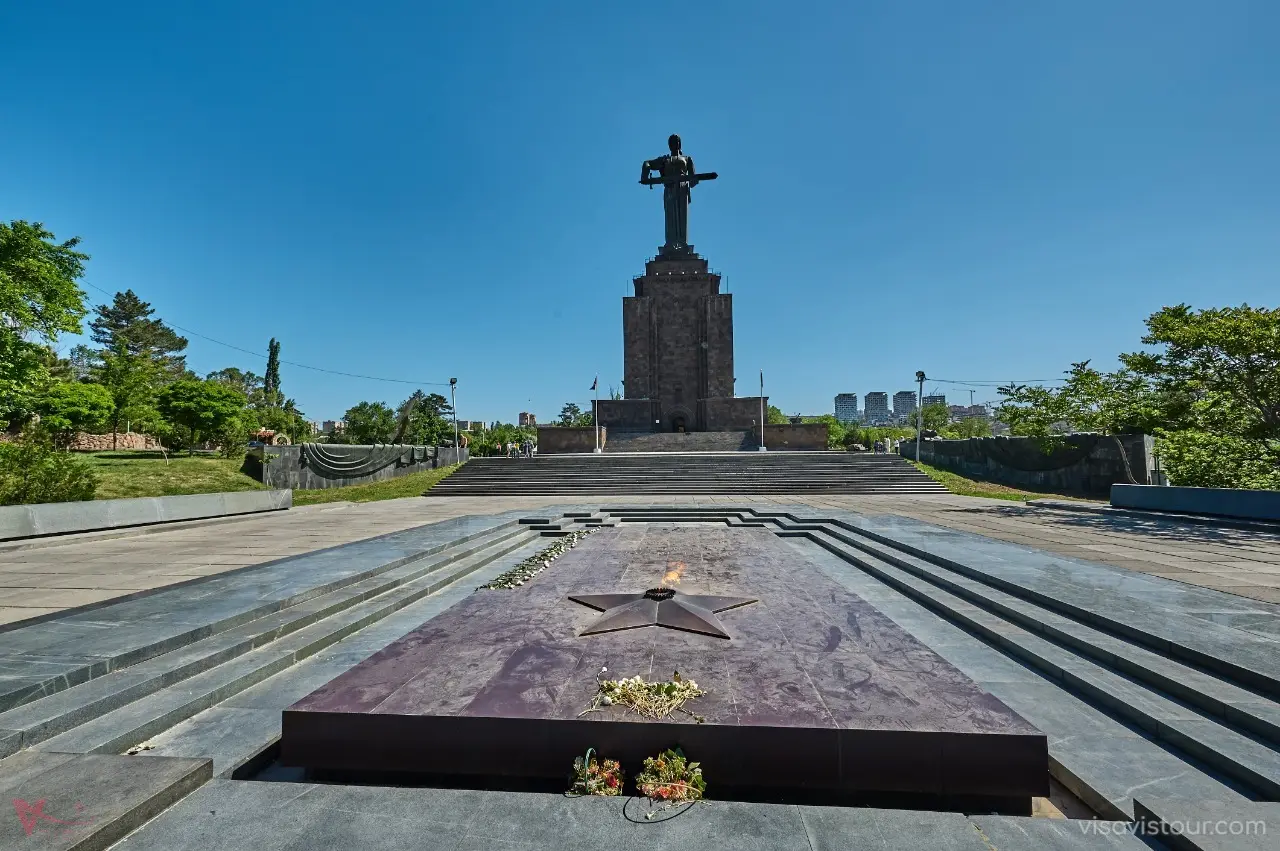
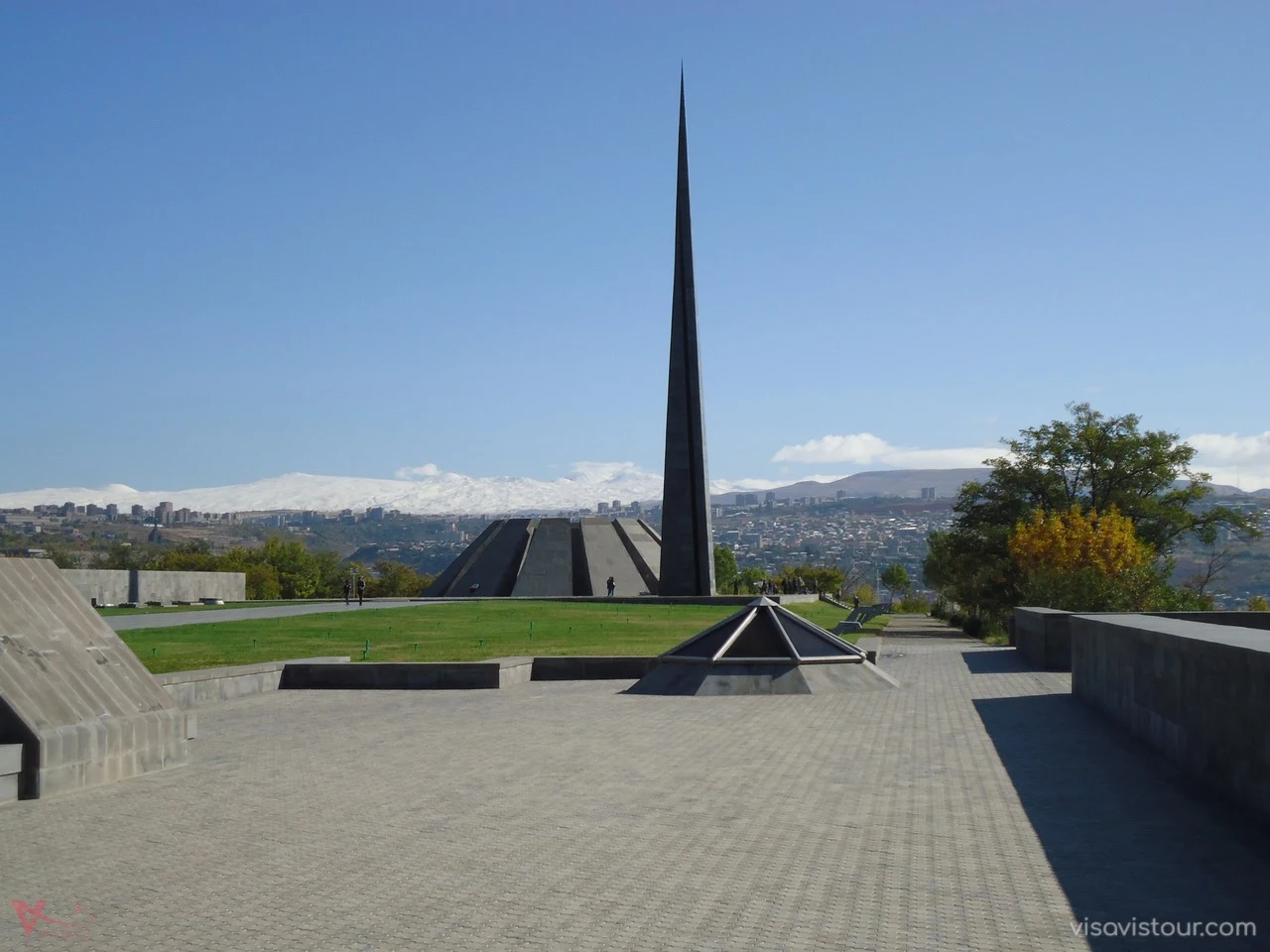
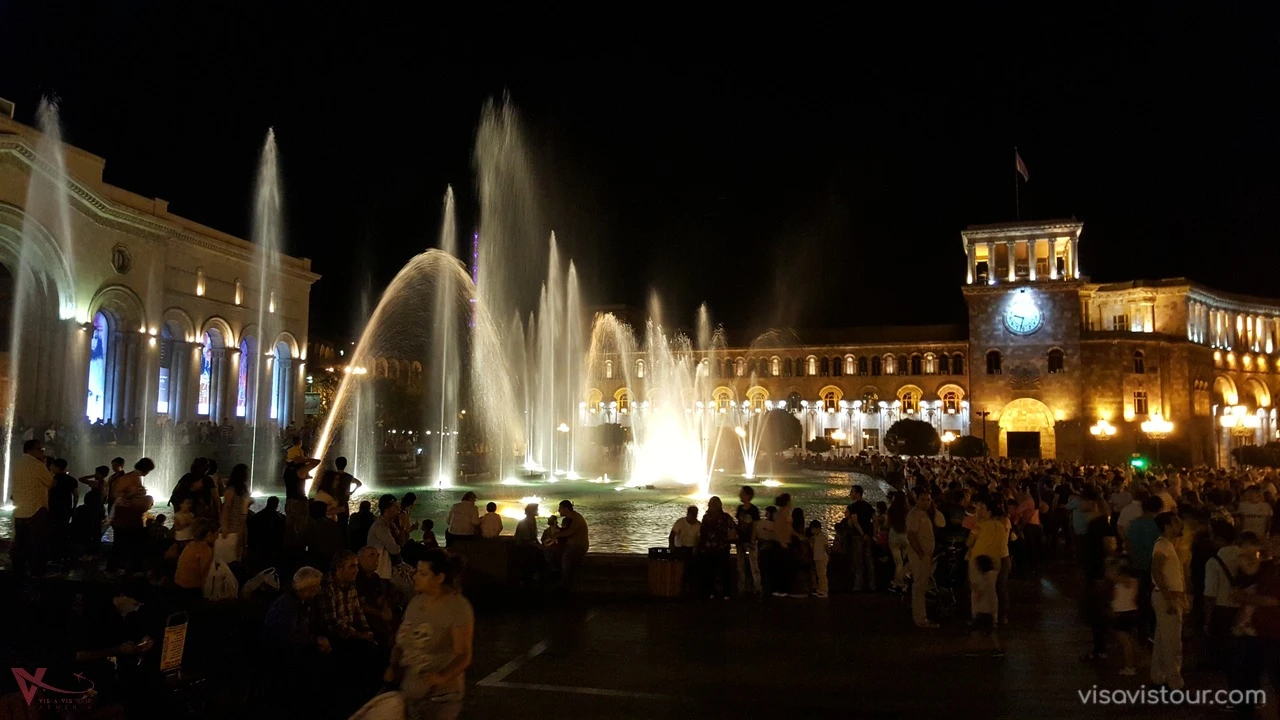
Discover Yerevan with a guided city tour, including City center, Republic Square, Northern Avenue, the Mother Armenia Monument, Parliament, President’s Palace, Opera House, Swan Lake, Genocide Memorial, dedicated to the Victims of 1915 and the Genocide Museum.
Visit Matenadaran, home to one of the world’s largest collections of 17,000 ancient manuscripts.
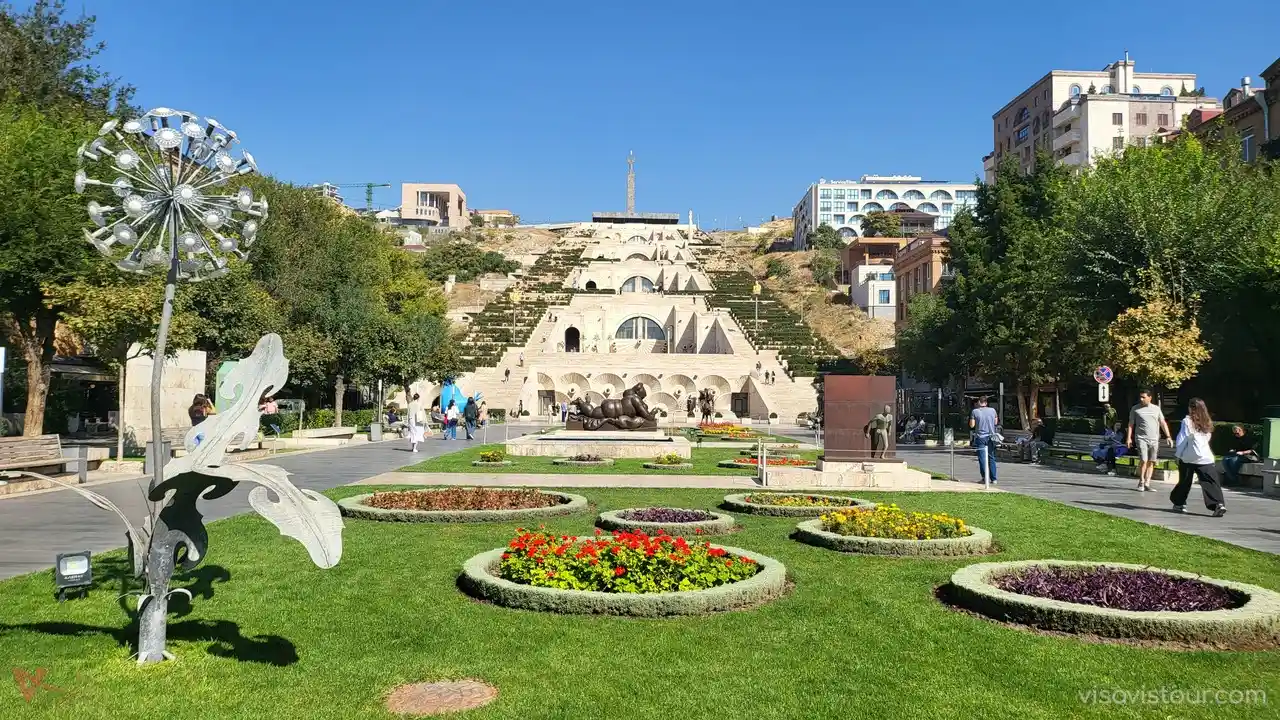
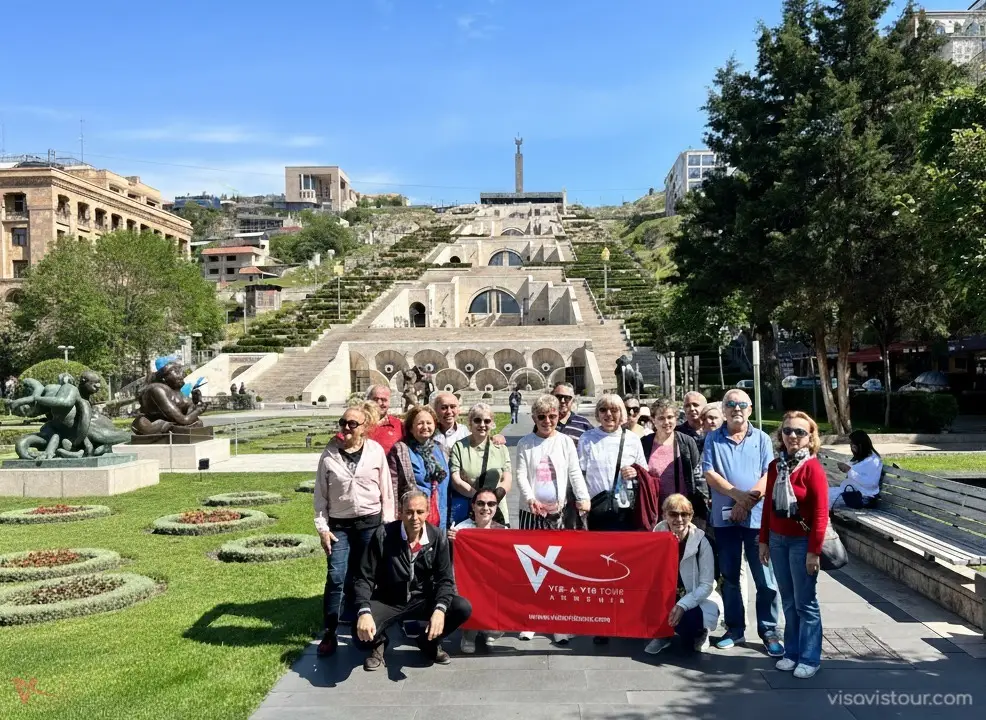
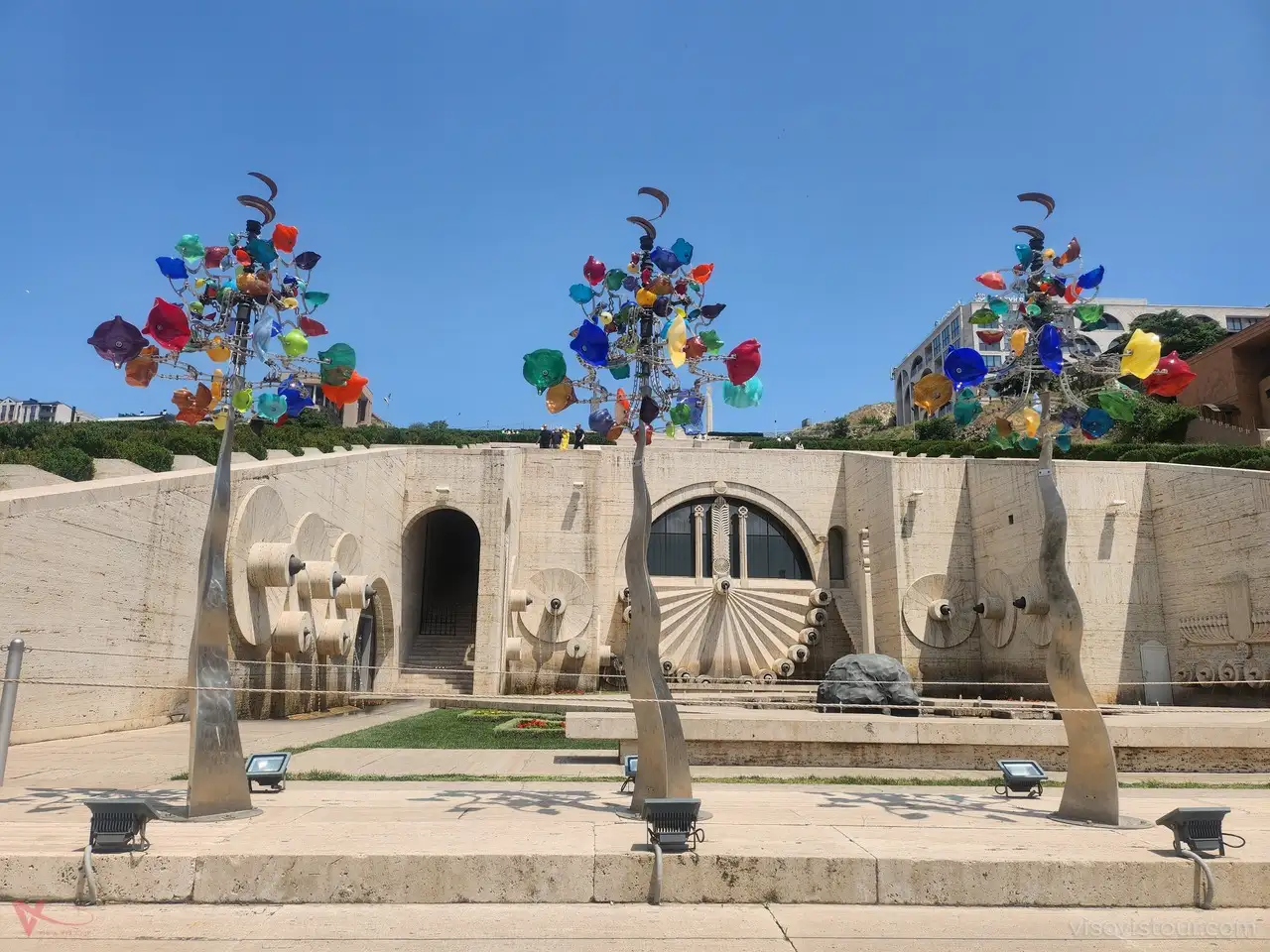
Explore Cascade Complex, the hub of contemporary art in Yerevan with art pieces displayed throughout the whole area: the boulevard and up the stairs. From top of Cascade the marvelous panoramic view on the city and Mountain Ararat is open. Cascade is home to Cafesjian modern art museum. This place becomes even more charming in the evenings, when it is full of people, both locals and tourists from all over the world, enjoying the magic and the warmth of the capital. It is also a popular place for open air concerts at summer season.
Optional: Very interesting one hour tour around Armenian brandy factory offers tourists familiarization with the history of the plant, process of brandy preparation, showrooms and halls of storages. Visitors will also have degustation of 2 types of brandy in degustation hall. Brandy shop at the factory territory will be available for purchasing of these famous Armenian brandy directly from the factory.
O/n in Yerevan.
Yerevan- Echmiadzin Cathedral (UNESCO) - St Hripsime and St Gayane Churches - Zvartnots Temple (UNESCO) -Yerevan
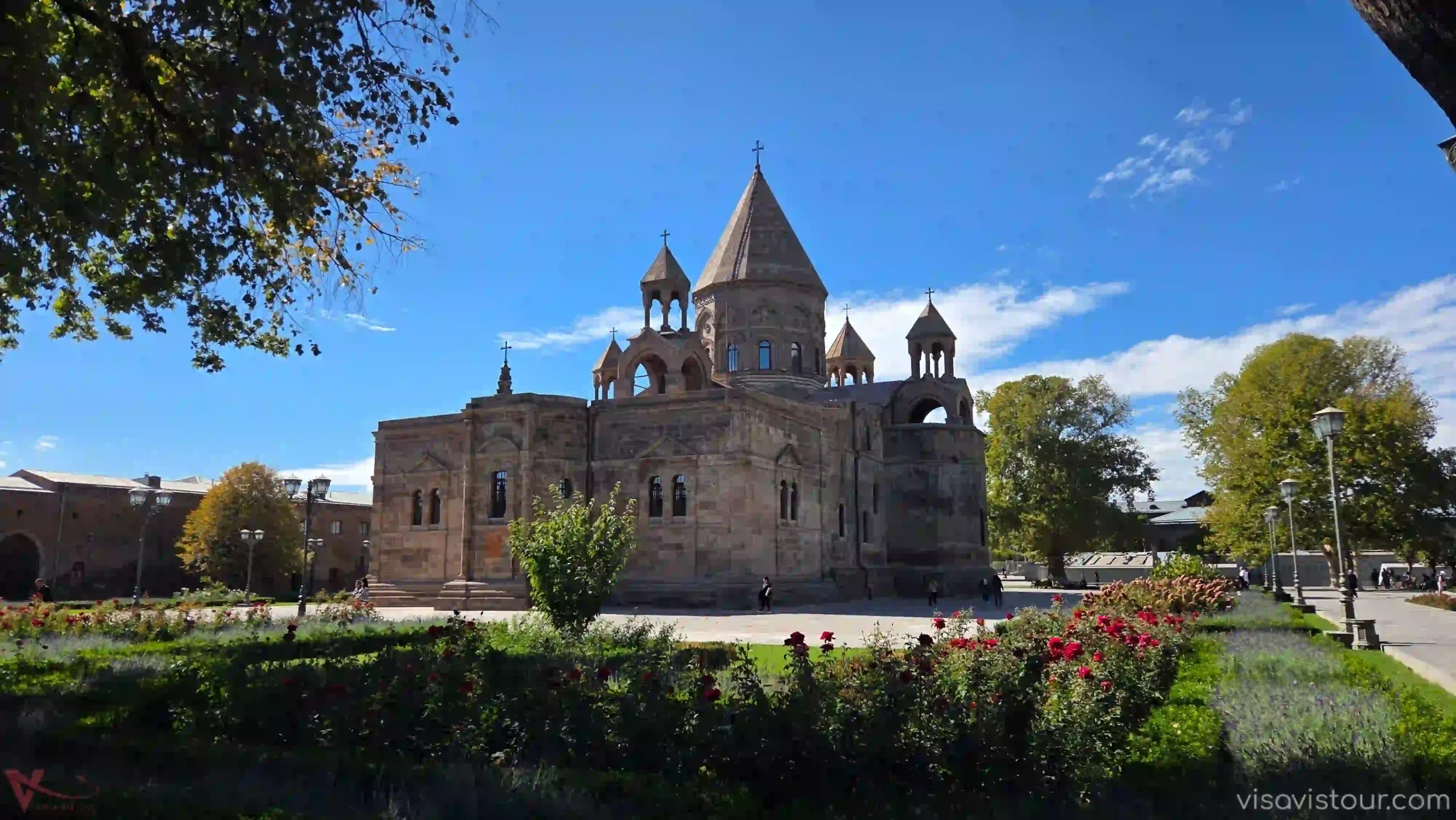
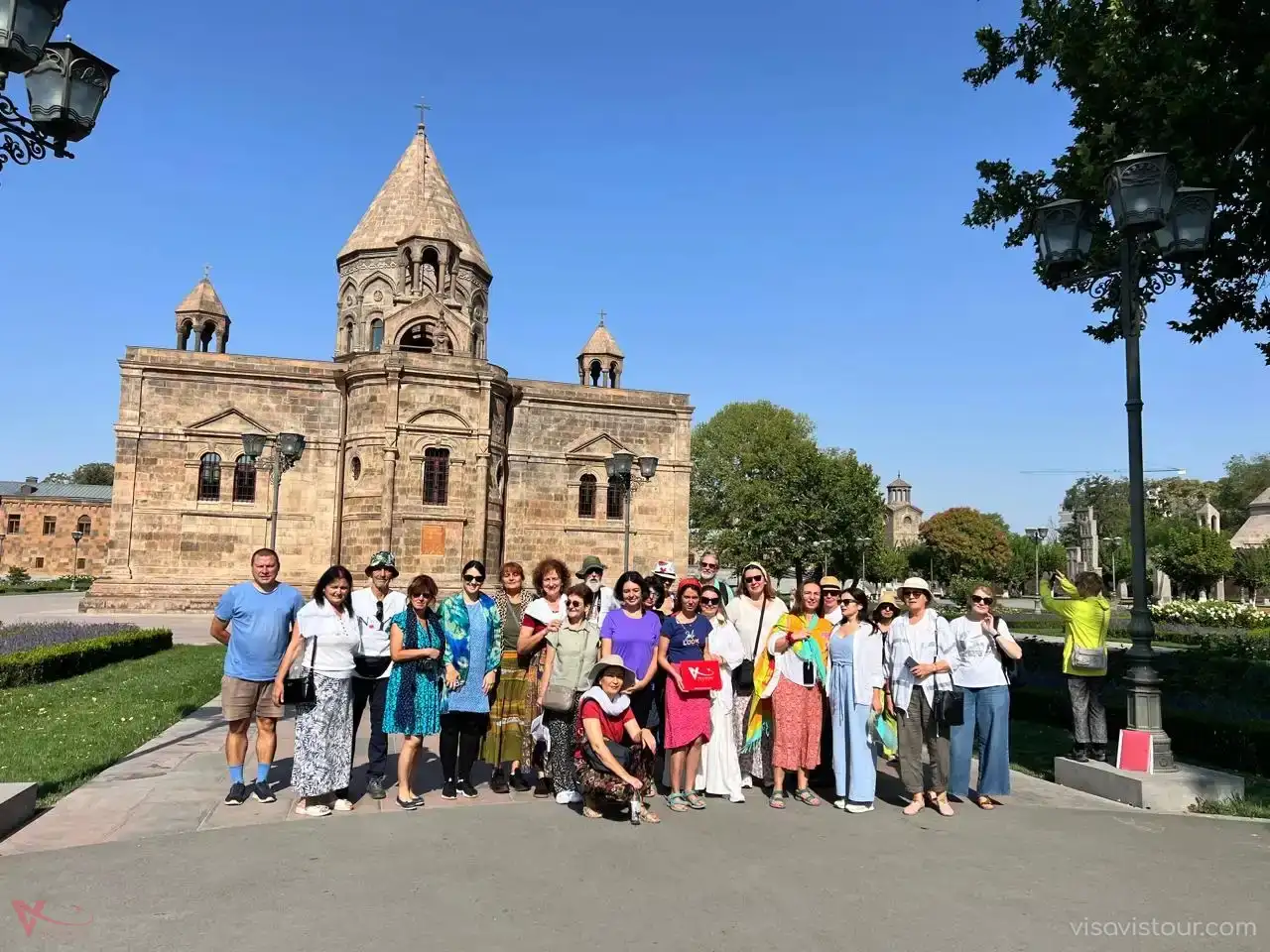
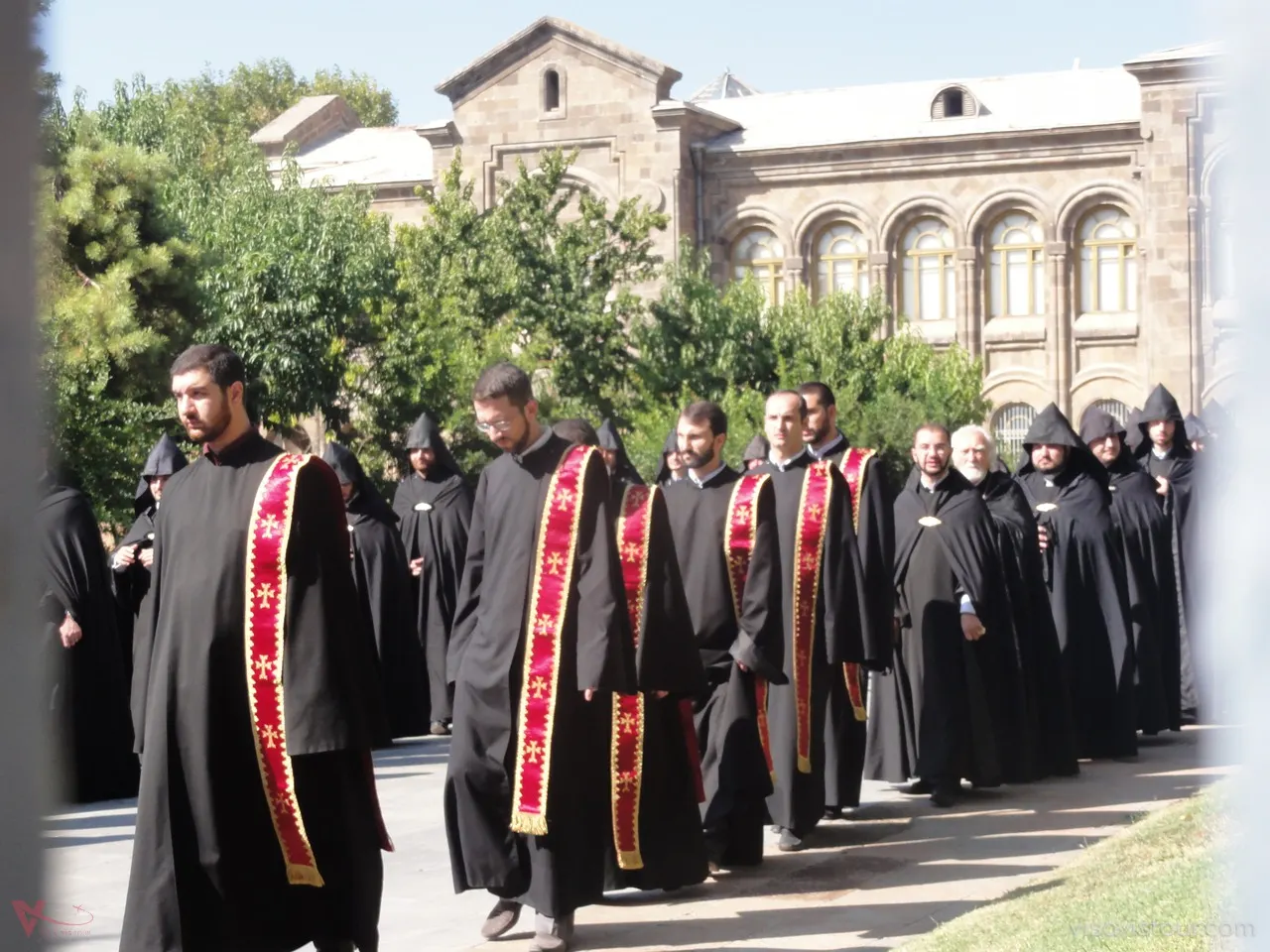
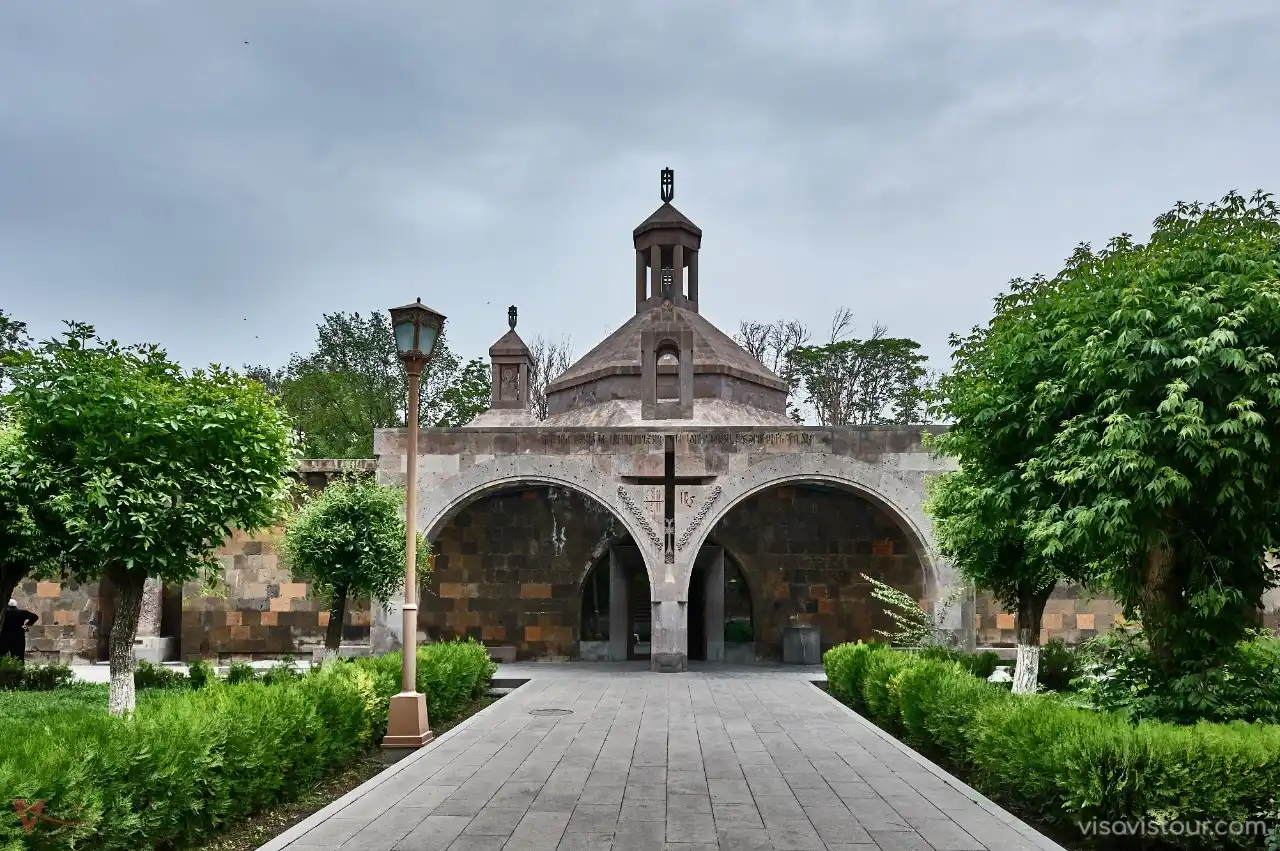
After breakfast, drive to Etchmiadzin town, the ancient capital of Armenia and the spiritual center of the Armenian Apostolic Church. Visit the Etchmiadzin Cathedral, a UNESCO World Heritage site, founded in 301 A.D by St. Gregory the Illuminator and thus being one of the ancient churches in the Christian world. Later it was rebuilt and currently it stands as a complex including the Cathedral, Spiritual Academy, residency of the Catholicos of all Armenians, Synod of Armenian Church and a library. The museum of the Cathedral has collection of religious artifacts about Holy Mass, subjects made of gold, silver, precious stones, decorations, colossal silver boiler for making the myrrh and legendary Holy spear.
Visits to churches St Hripsime and St Gayane, both included in UNESCO World Heritage List.
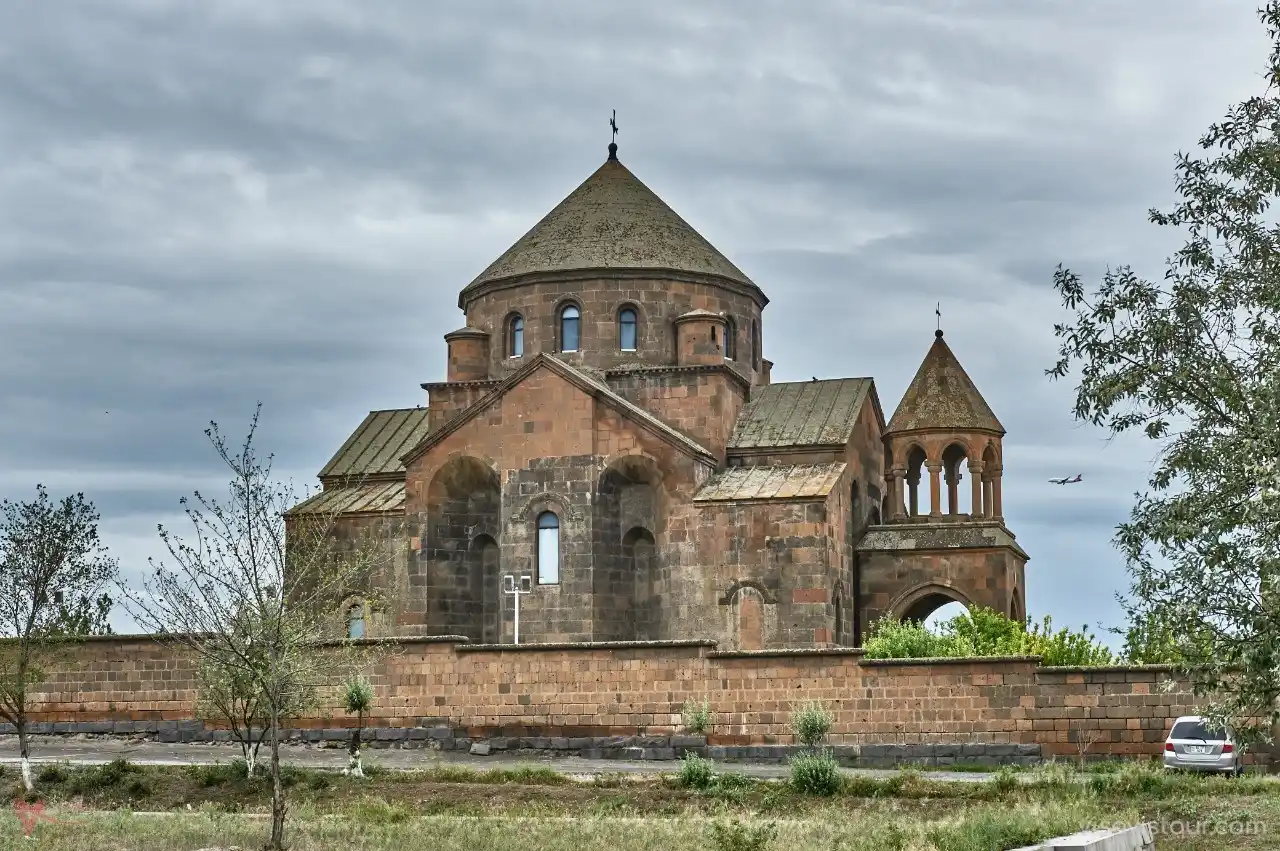
One of the most significant landmarks of the Armenian Apostolic Church, St. Hripsime Church was founded in 618 by Catholicos Komitas. It is devoted to St Hripsime, who escape from persecution by the Roman Emperor Diocletian, and sought refuge in Armenia. Despite being a beautiful and devoted follower of Christ, she bravely refused to marry the pagan King Tirdat III when commanded. Choosing martyrdom over compromise, she was killed, and a small chapel was erected over the site of her death.
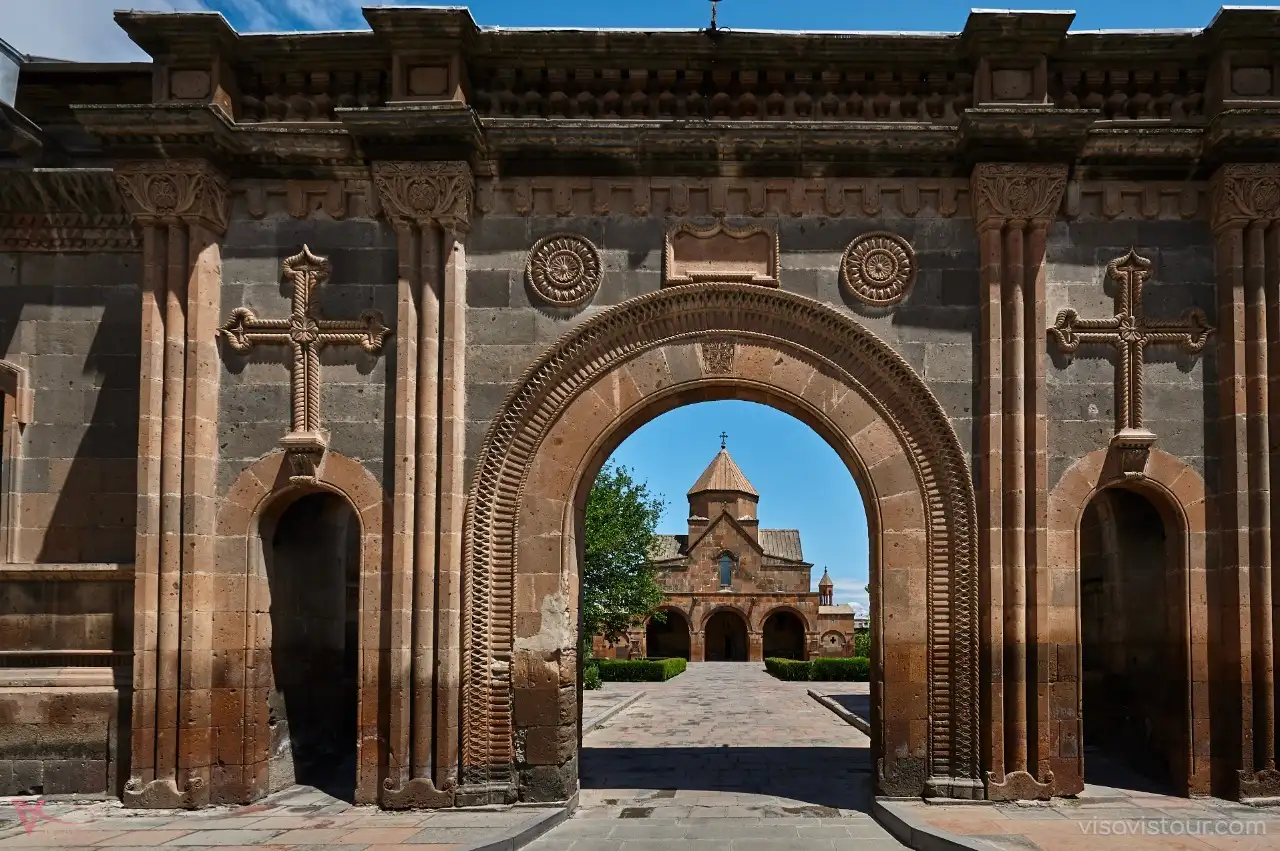
Built in 630 AD by Catholicos Ezra I, St Gayane church dedicated to Saint Gayane, a Christian martyr who played a crucial role in Armenia’s conversion to Christianity. Saint Gayane’s story of faith and sacrifice adds profound historical and spiritual value to the site. For centuries, it has been a place of pilgrimage for Armenians and Christian visitors from around the world.
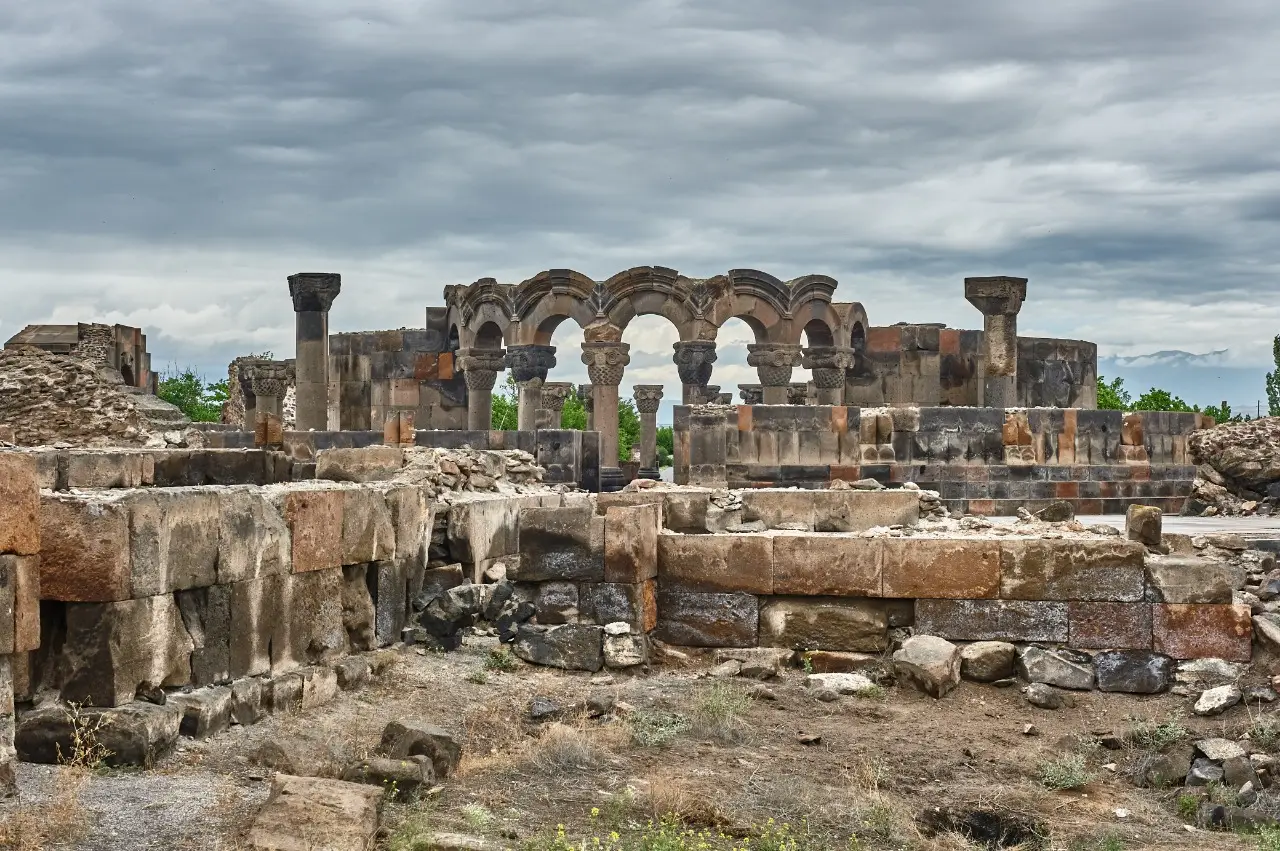
Continue to one of the architectural wonders of Armenia – Zvartnots Temple (641-661), that got its name from the word “Zwart”, meaning “joyful and beautiful”. The remaining ruins give an idea of the rare beauty of this temple. The temple is listed as a UNESCO World Heritage Site (2000). Drive back to Yerevan.
Discover the vibrant heart of Armenian craftsmanship at Vernisaj, Yerevan’s famous open-air market, located in the city center. This lively bazaar offers a colorful array of traditional Armenian goods, including handwoven carpets, intricate woodwork, unique pottery, silver jewelry, and beautiful textiles. It’s a perfect spot to explore local art and handicrafts, where you can find one-of-a-kind souvenirs to take home.
O/n in Yerevan.
Yerevan – Temple Garni – Geghard Monastery (UNESCO) – Yerevan
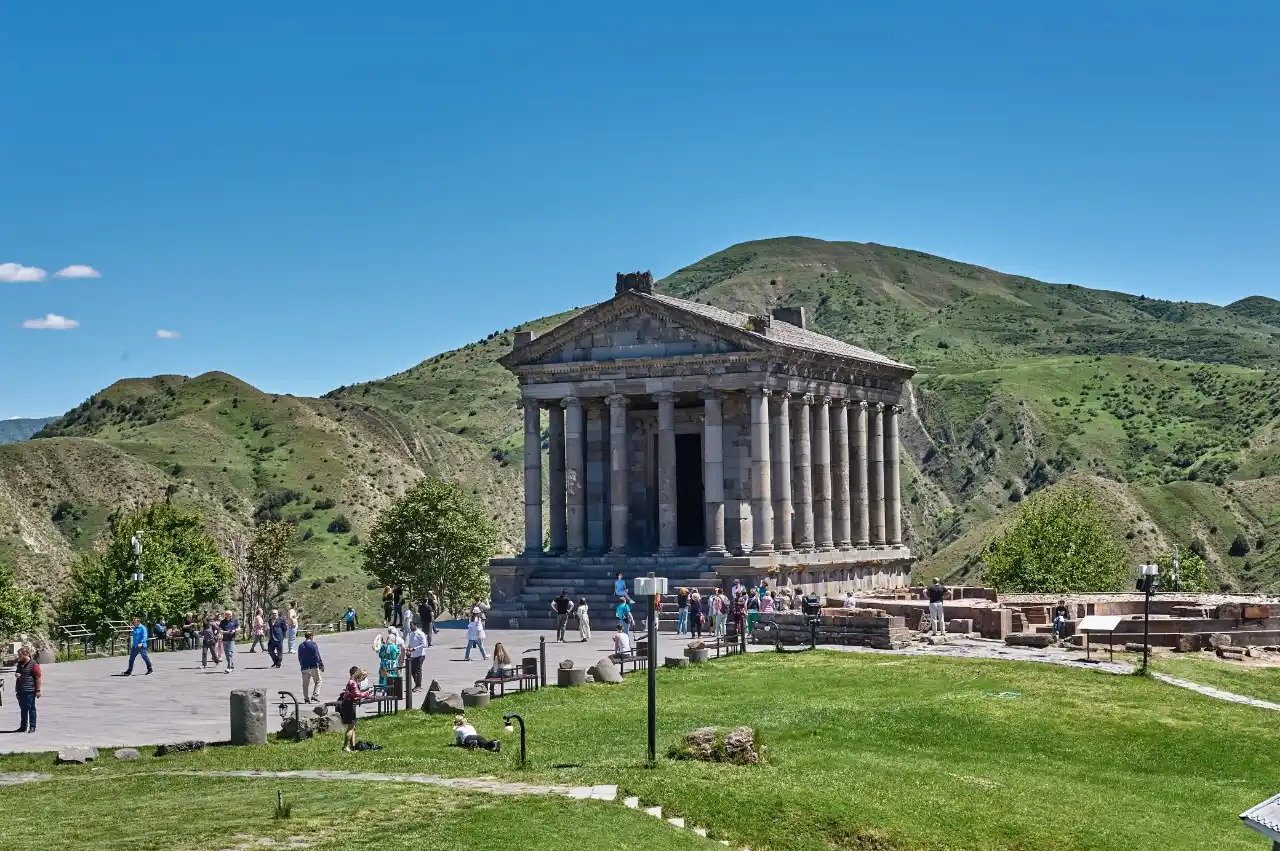
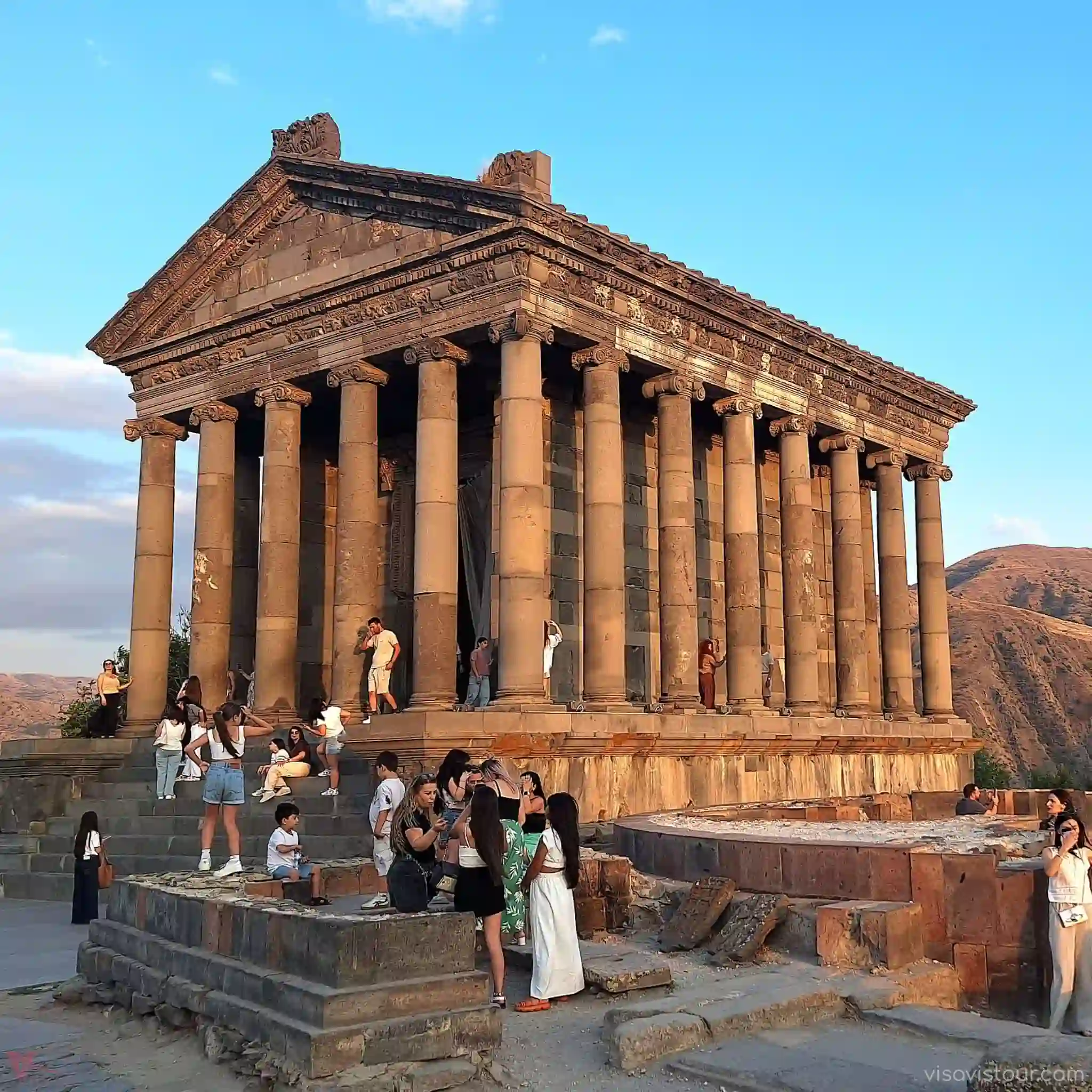
After breakfast, head to Garni Temple, the only remaining pagan temple in Armenia, devoted to the God of Sun – Myrth, in Garni, built in 77 AD by King Trdat (Arshakid Dynasty). On the way enjoy a photo stop at the Charentc Arc with a nice view on Ararat Mountain.
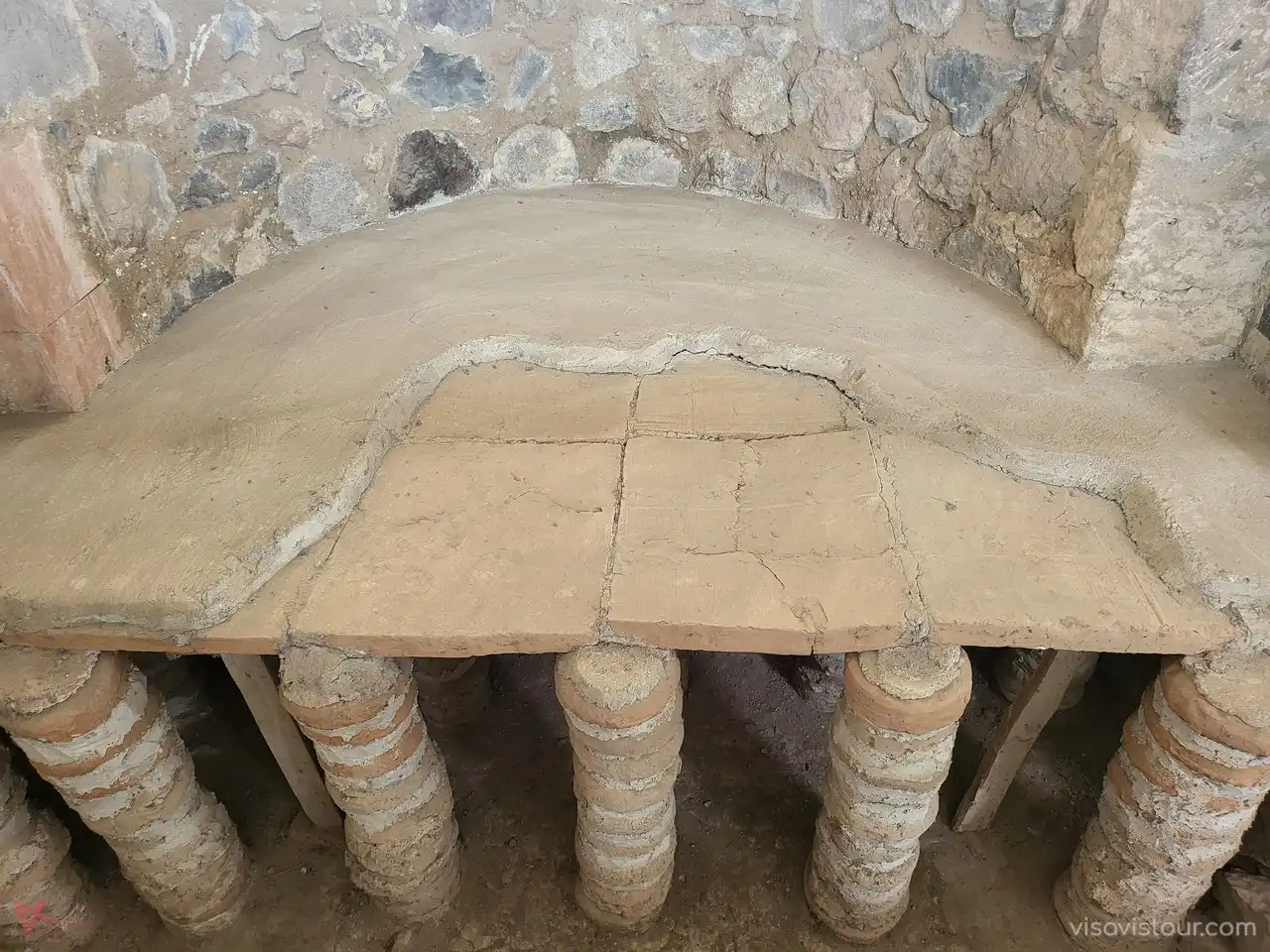
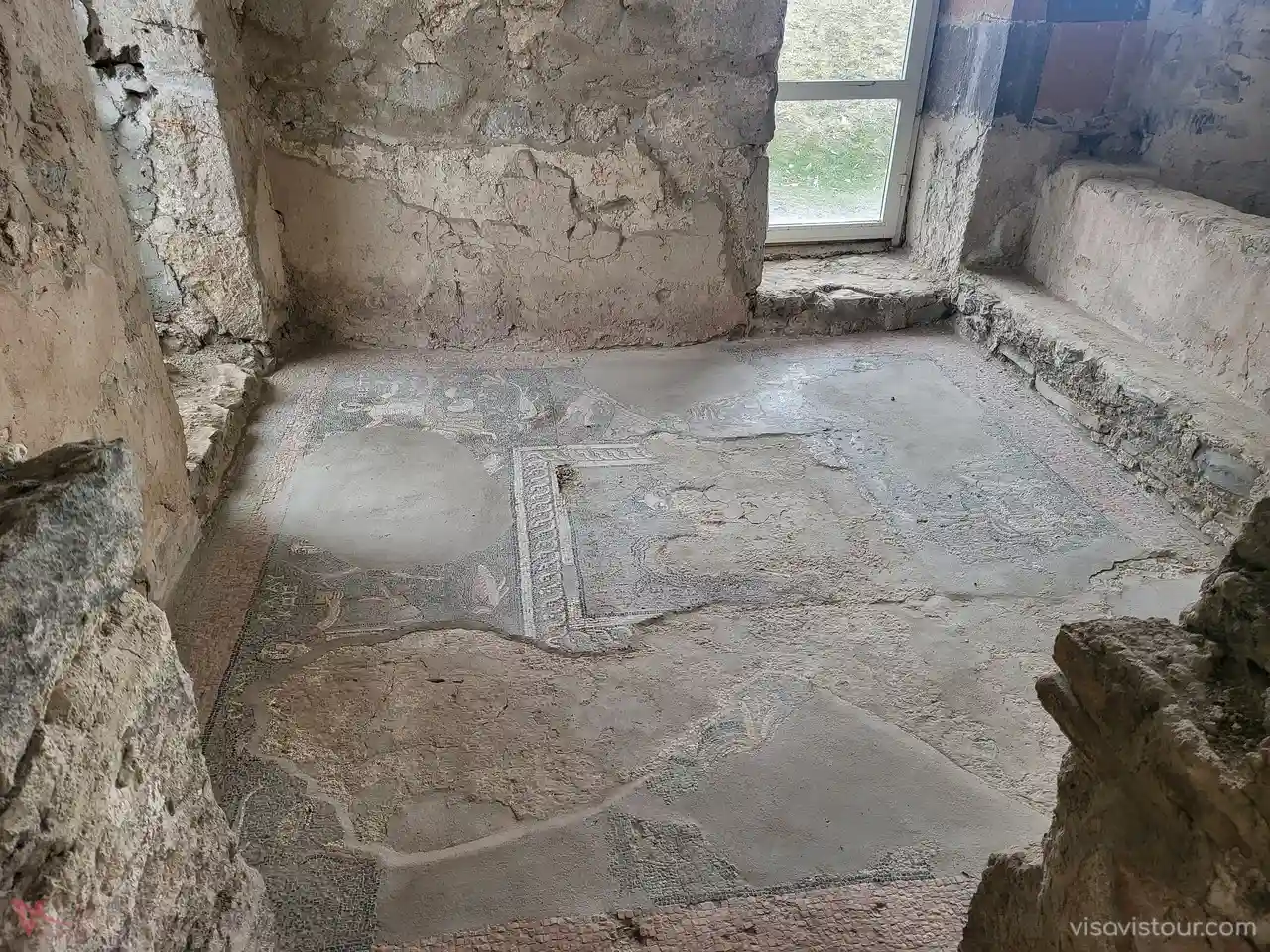
Visit to the ruins of Royal Palace and Royal bath-house next to Garni temple.
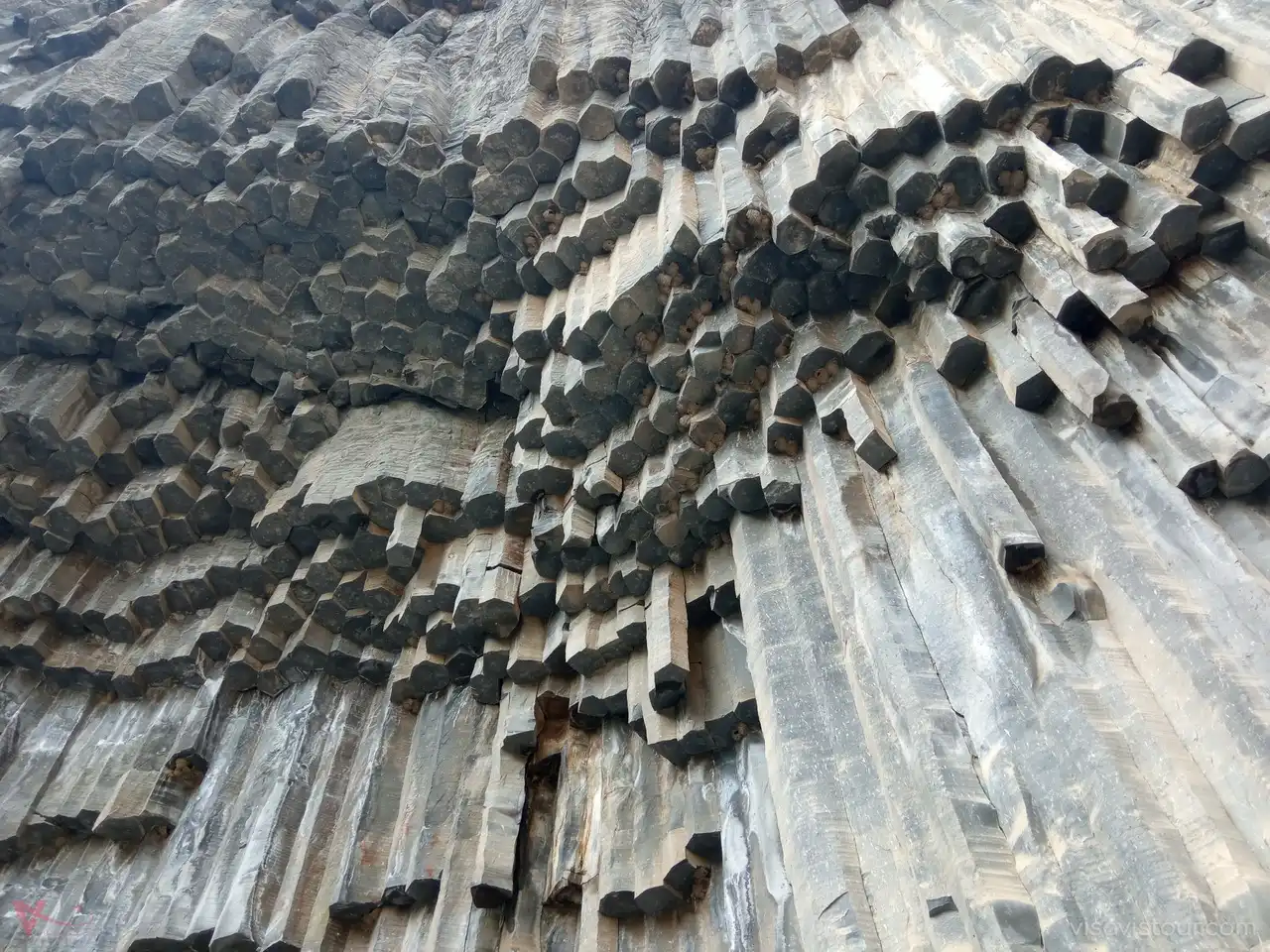
Optional: take 4×4 wheels tracks to visit the impressive Garni Canyon – magnificent and outstanding scene, which creates the image of falling crags. It obtained the name “Symphony of Stones” due to its view. The fantastic landscape of Garni canyon shakes the human imagination.
Optional: Small performance of Armenian national musical instrument ,,Duduk’’ (Tsiranapogh- means Tsiran- abricot, pogh- trumpet). After the local musician will describe the origin, nature, symbolism of Duduk and fully experience its rich and versatile music. One of the most famous performances of the duduk was featured in the movie “Gladiator”, where its soulful tones perfectly captured the film’s emotional depth and timeless appeal. Duduk and its music
were inscribed in 2008 on the Representative List of the Intangible Cultural Heritage of Humanity (originally proclaimed in 2005).
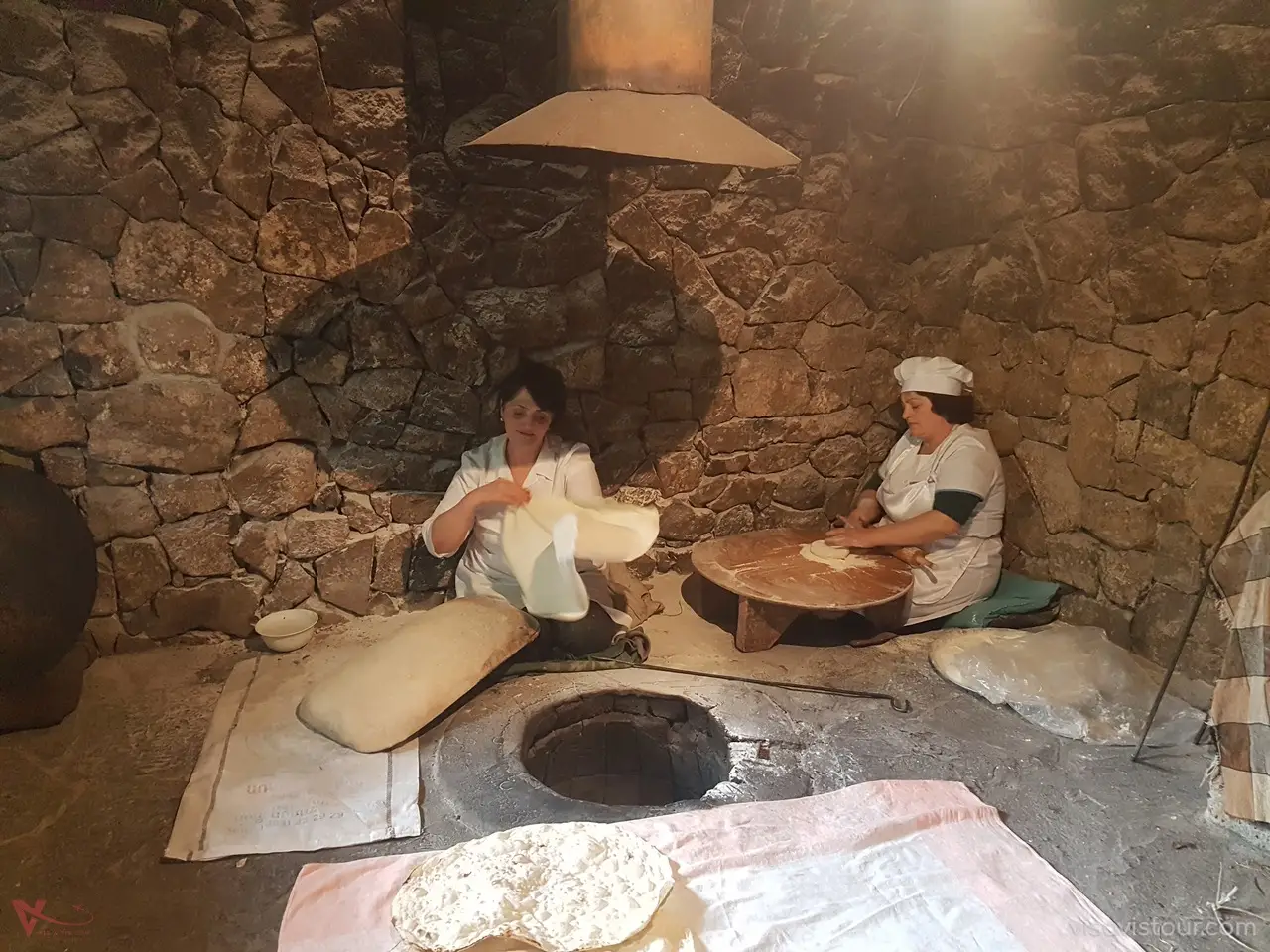
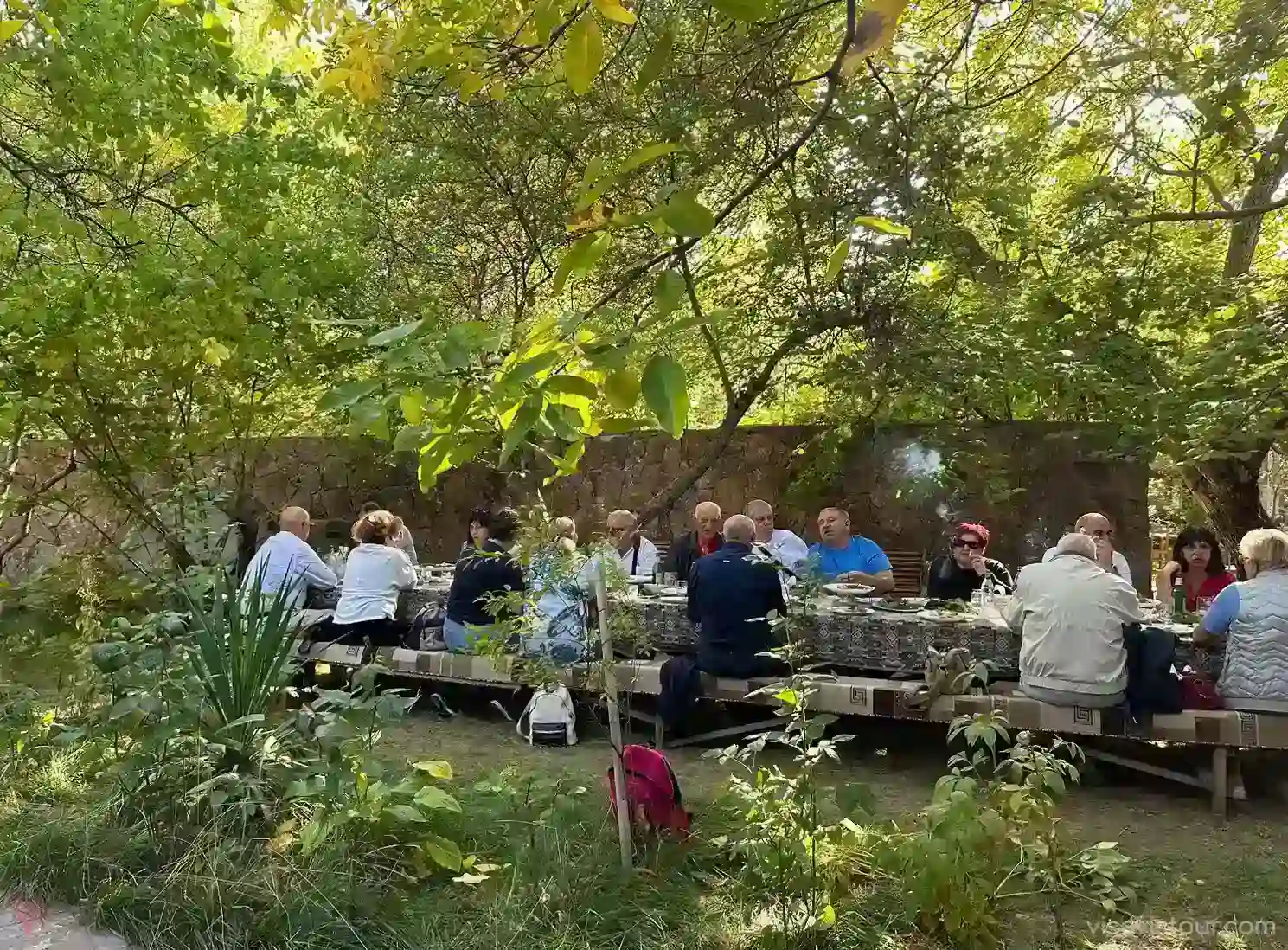
Optional: Experience a traditional flat bread – lavash baking demonstration and enjoy a family-hosted lunch. Lavash, the preparation, meaning and appearance of traditional bread as an expression of culture in Armenia was inscribed in 2014 on the List of the Intangible Cultural Heritage of Humanity
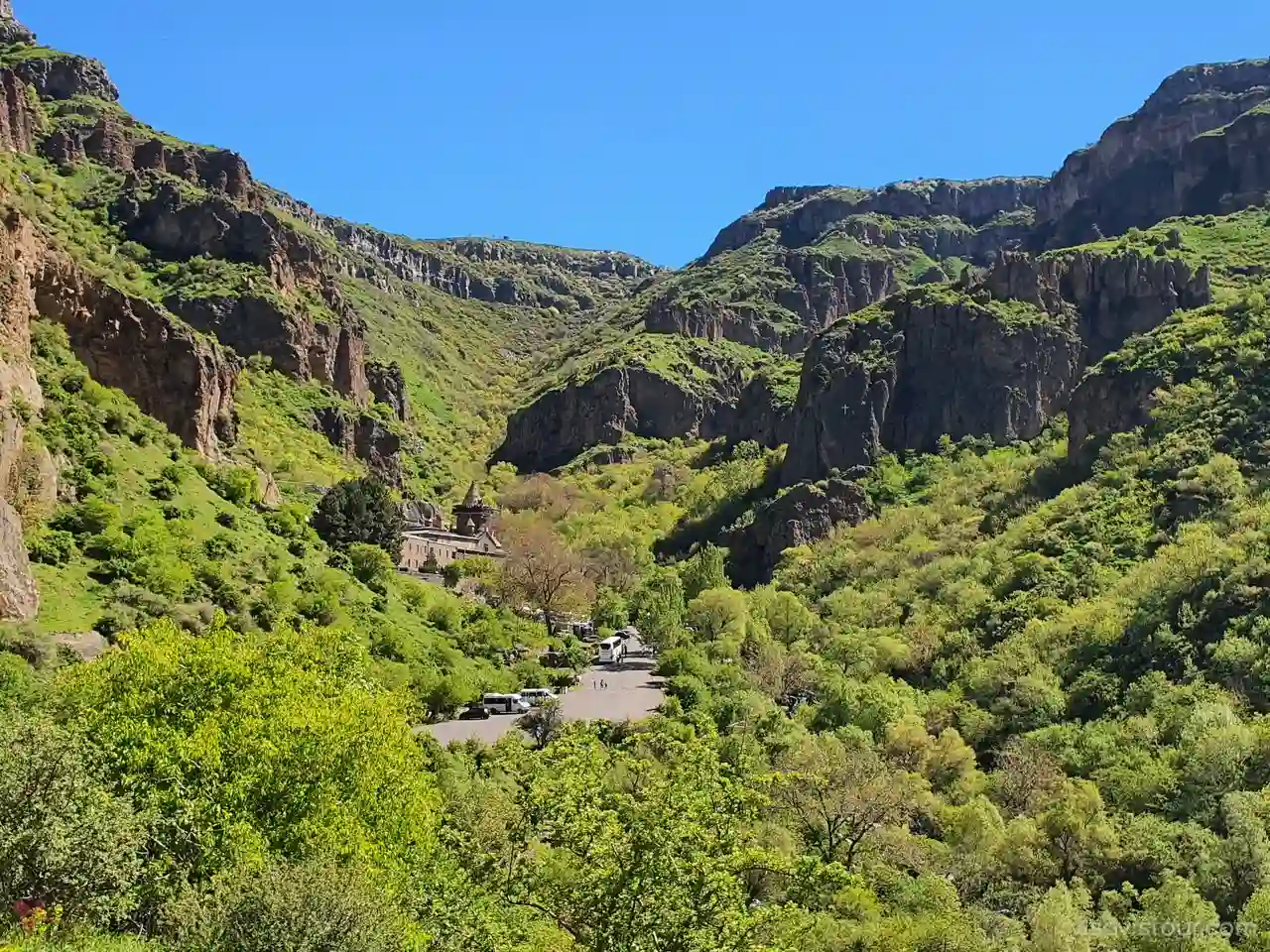
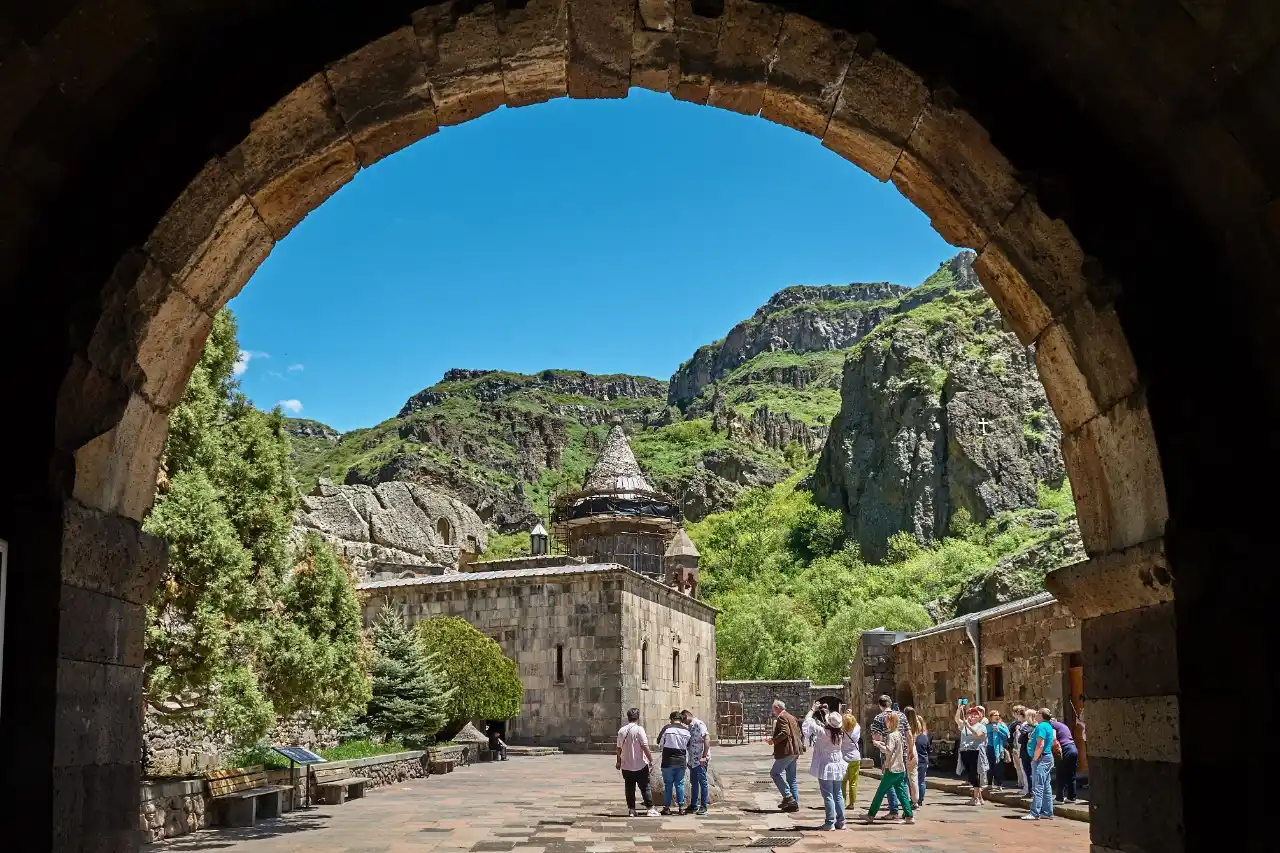
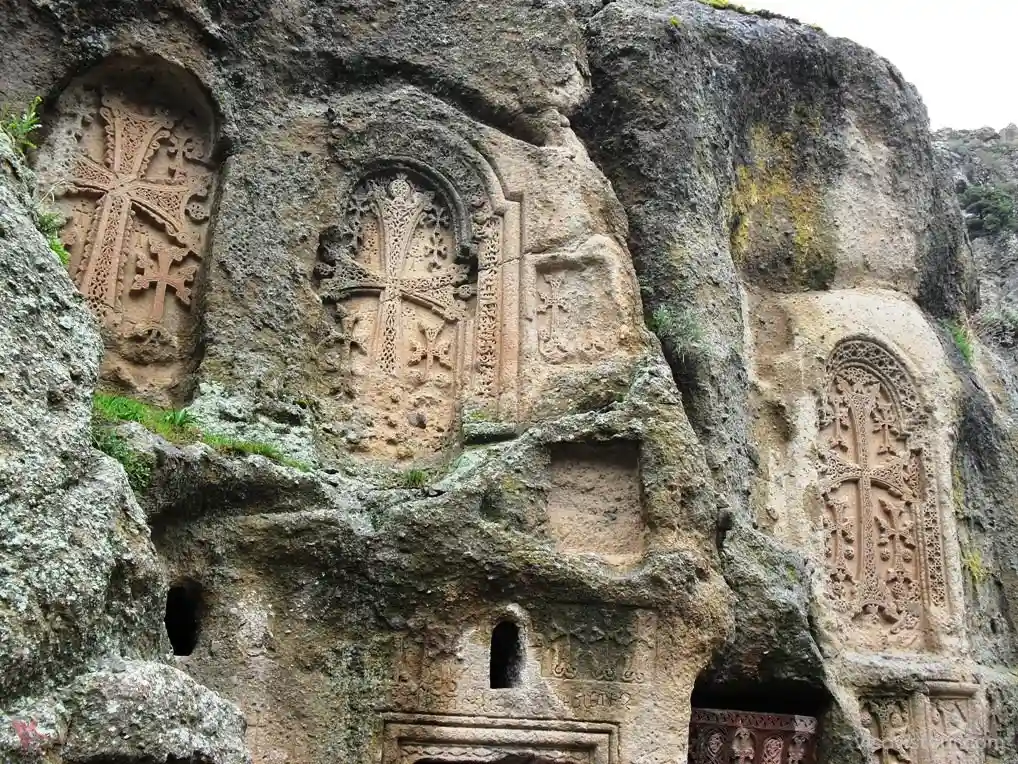
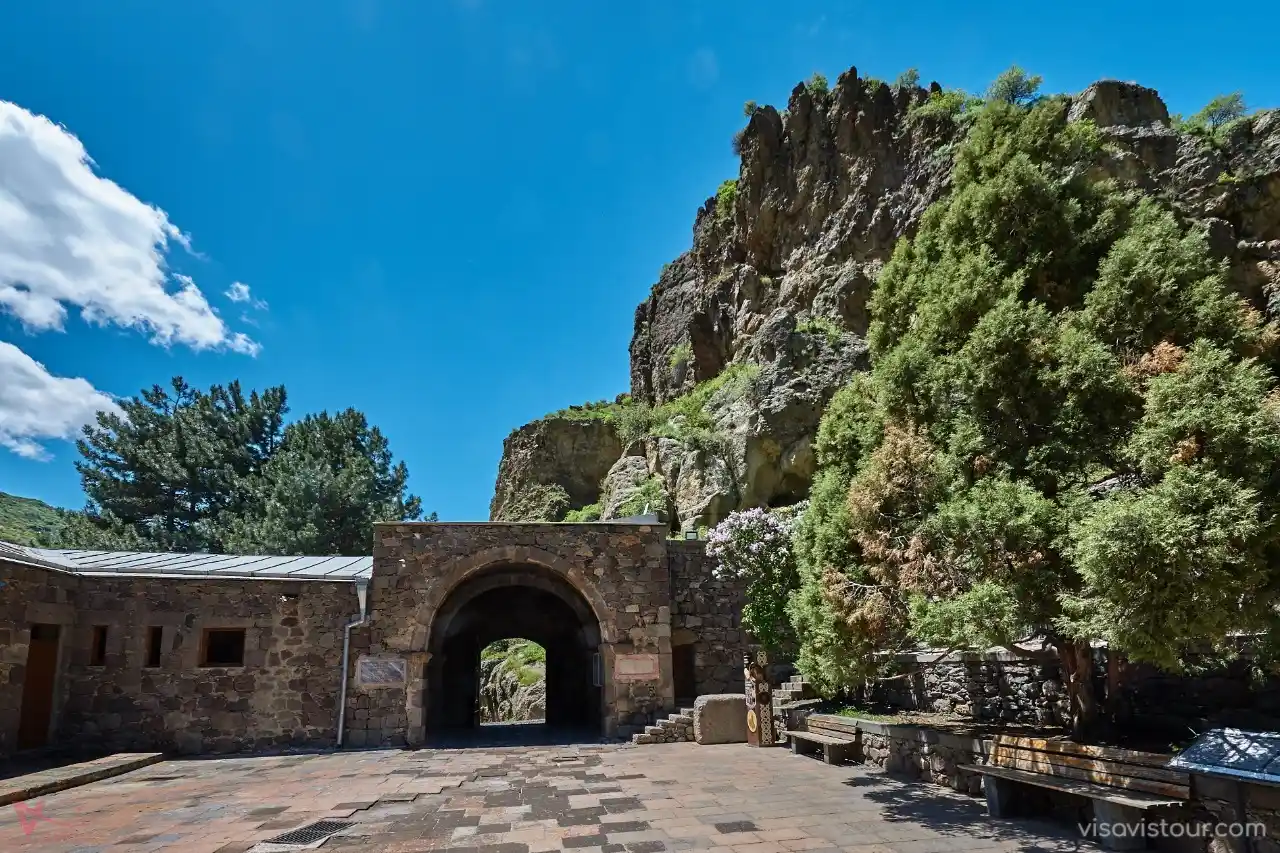
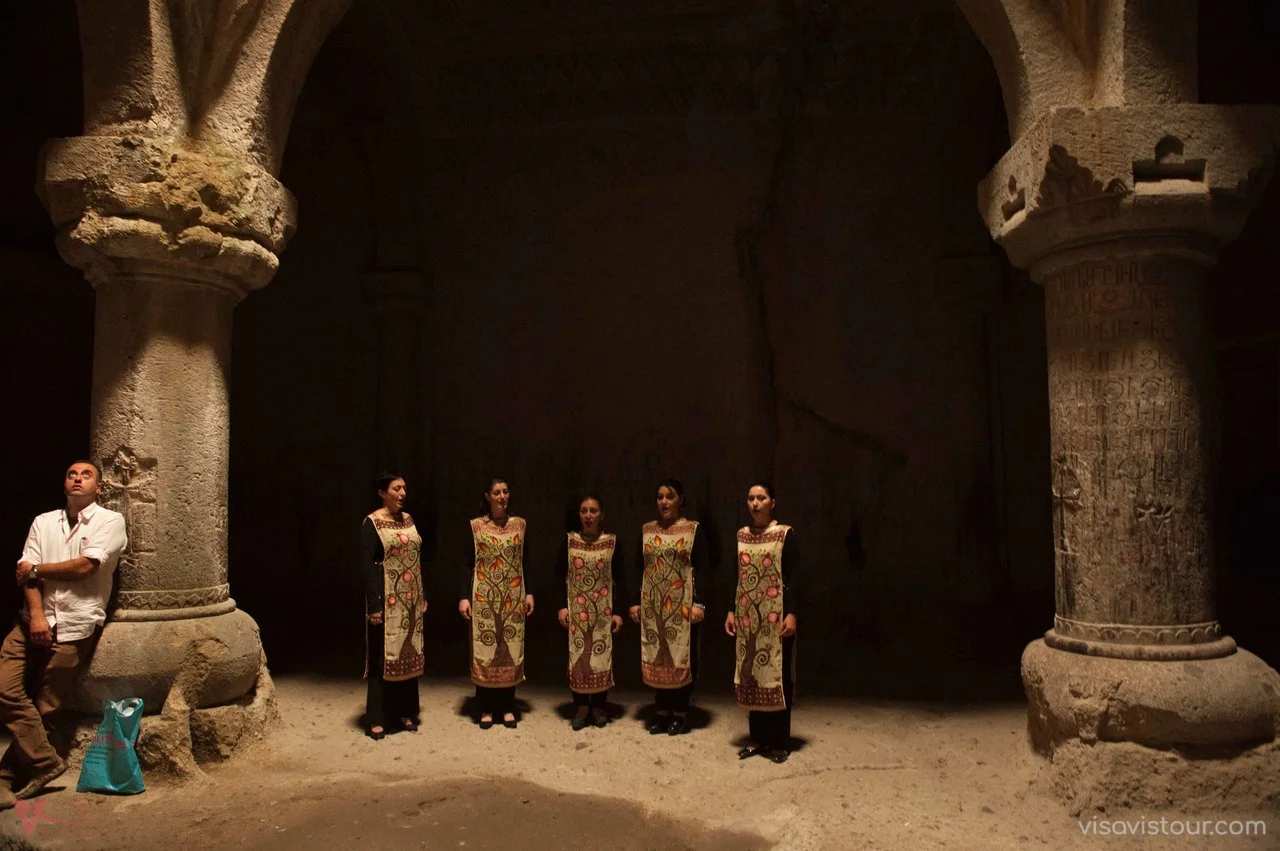
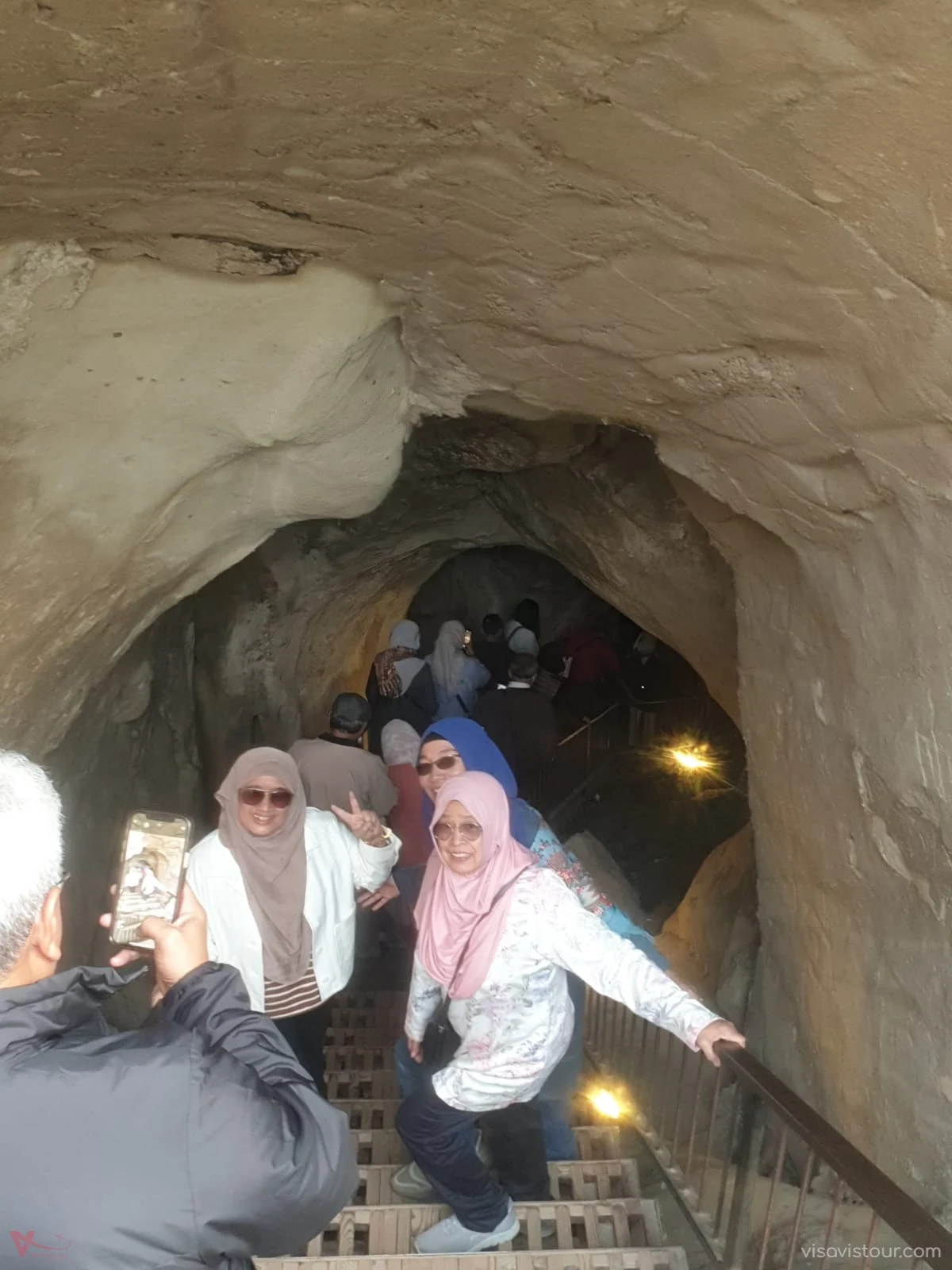
Journey to the extraordinary Geghard Monastery, a stunning XIIXIII century temple partially carved into the rock. Named “St Geghard” or “Holy Spear,” it honors the sacred relic believed to have pierced the body of Christ during the crucifixion, that was preserved here and now housed in the museum of Etchmiadzin Cathedral. Recognized as a UNESCO World Heritage Site in 2000, this architectural gem showcases Armenia’s rich spiritual and cultural heritage.
Optional: Enhance your visit with a mesmerizing concert of liturgical songs. Experience the monastery’s remarkable acoustics, where the crystal-clear harmonies resonate beautifully within the ancient stone walls.
Drive back to Yerevan.
O/n in Yerevan.
Yerevan - Ararat valley- Khor Virap Church – red rock canyon - Noravank monastery – Areni Winery – Zorats Karer - Goris
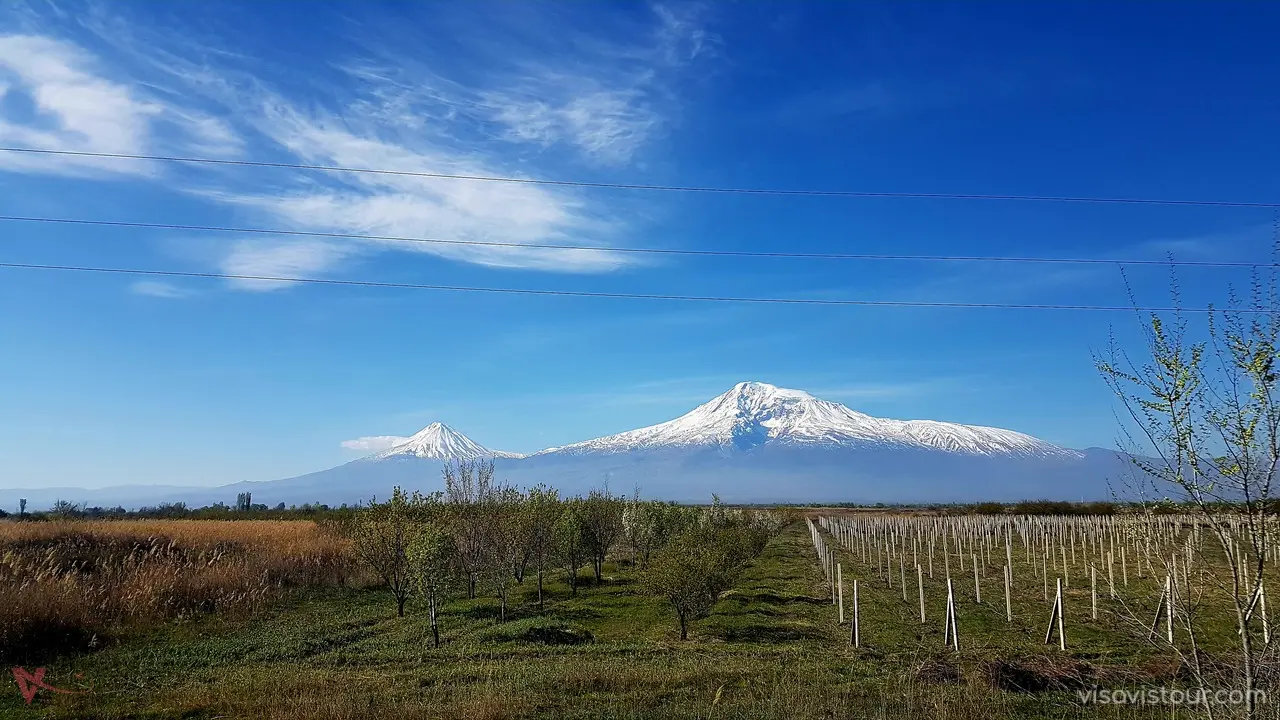
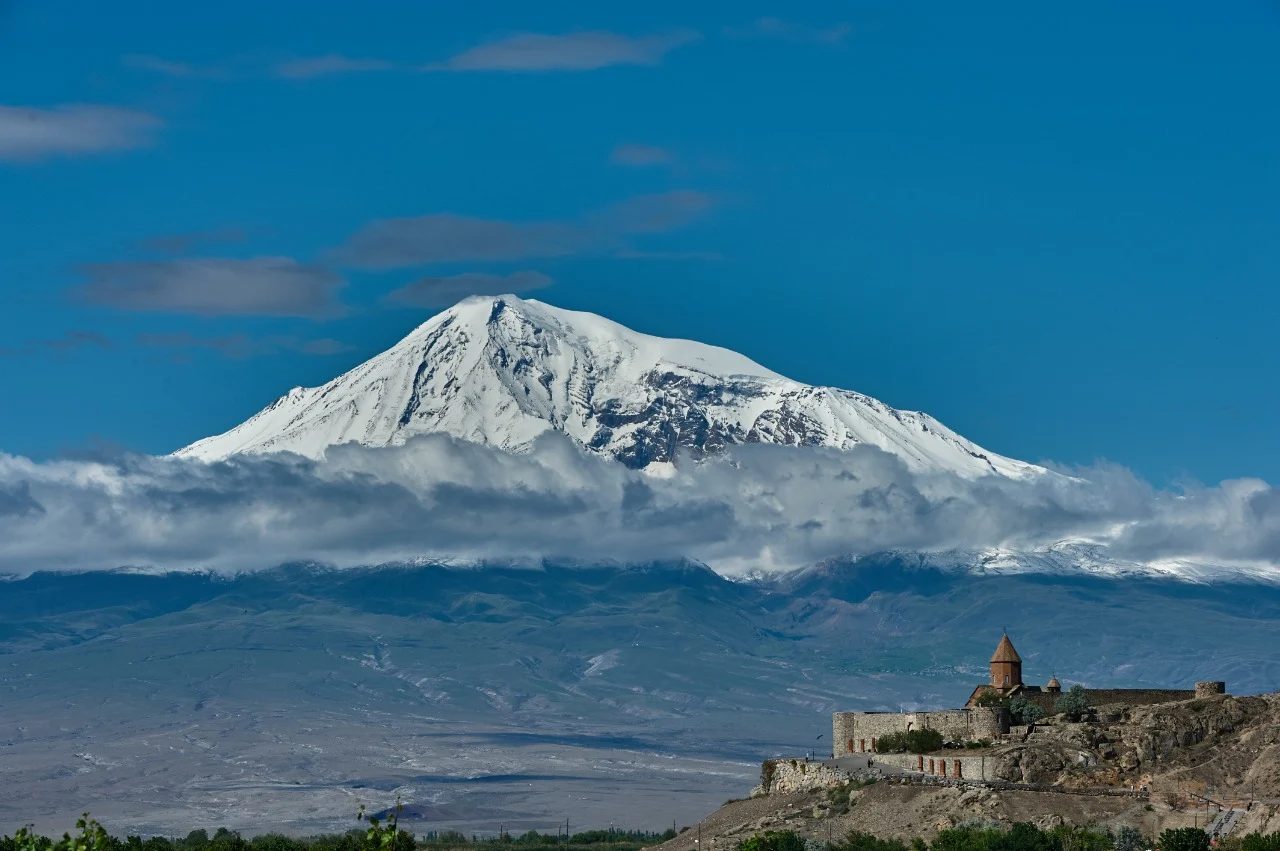
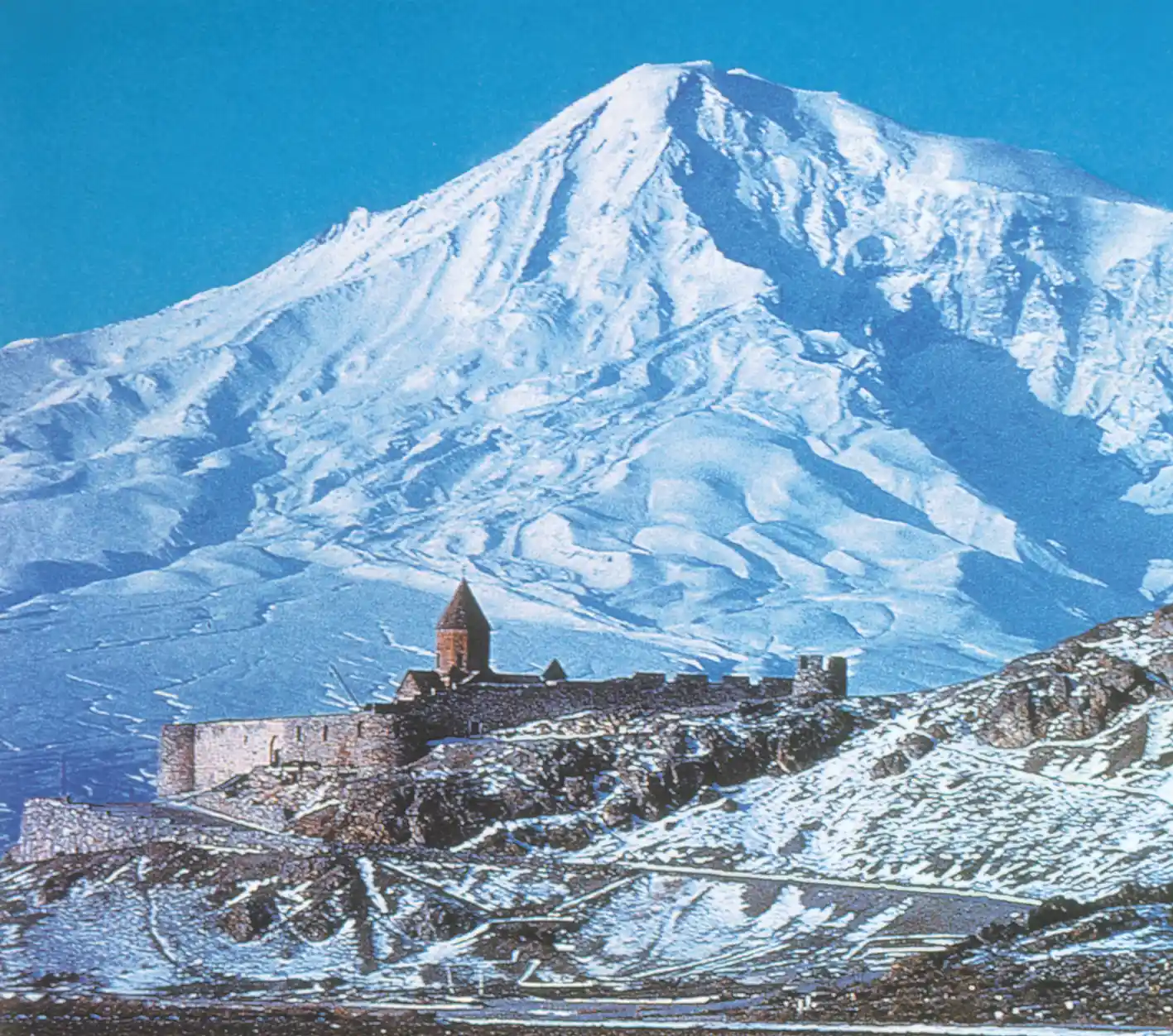
After breakfast journey to Ararat valley. Marvel the gorgeous biblical Mount Ararat shining with its two majestic white peaks.
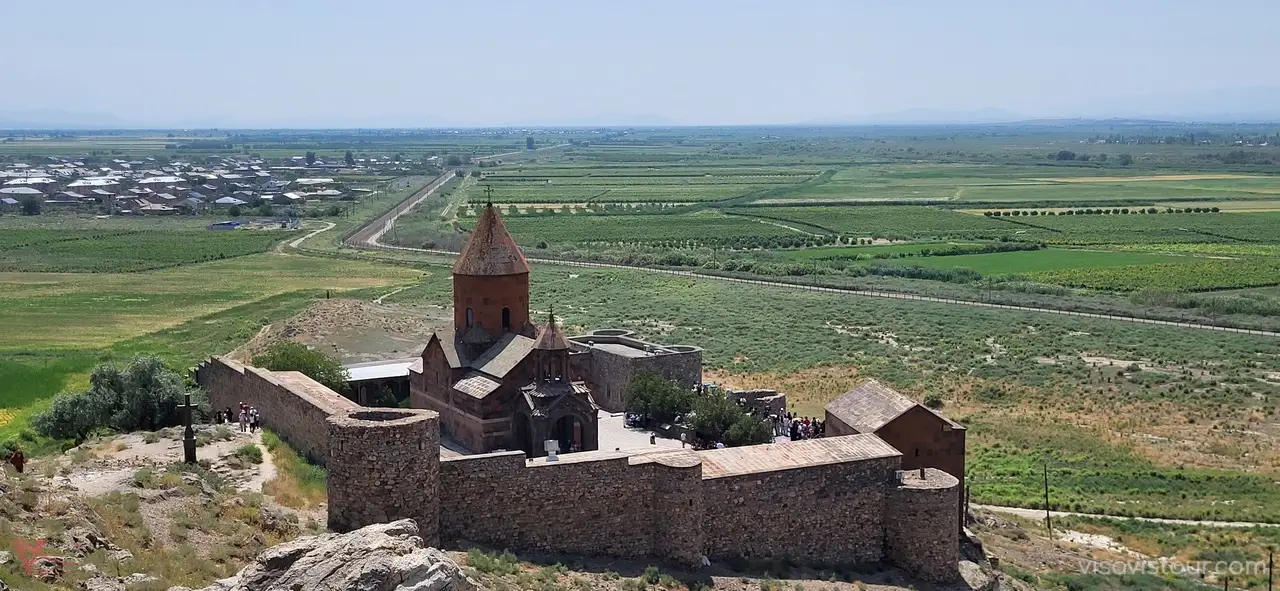
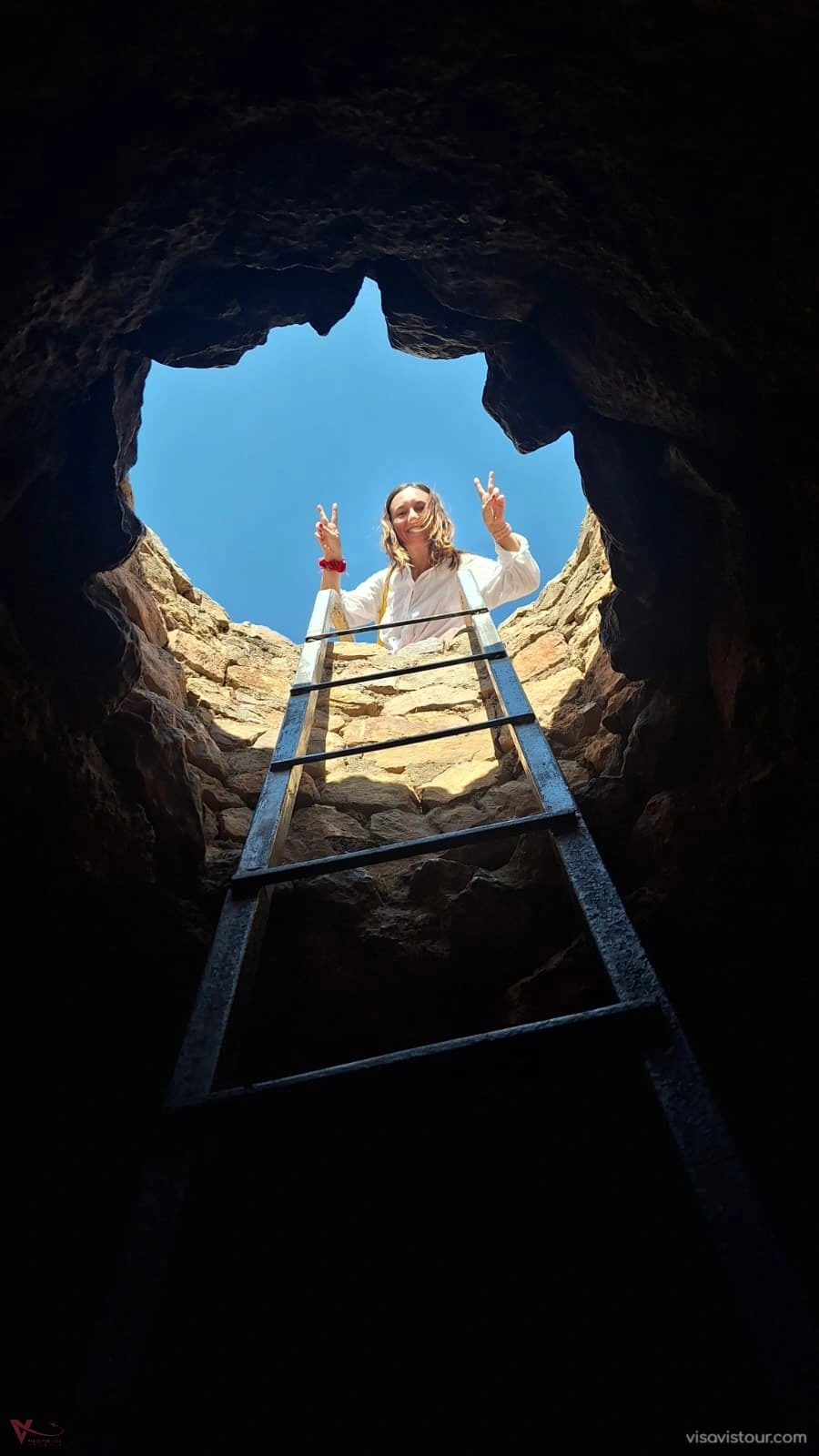
Next, visit Khor Virap Church, an important Christian pilgrimage site located atop a small dungeon where St. Gregory the Illuminator was imprisoned for 13 years. St. Gregory’s release in 301 AD marked a pivotal moment in history, as Armenia became the first nation in the world to adopt Christianity as its state religion. Explore the dungeon where he endured captivity, and experience one of Armenia’s holiest and most significant Christian landmarks.
The hills adjoining Khor Virap were once the site of the ancient capital of Armenia, Artashat, established around 180 B.C. by King Artashes I, the founder of the Artashesid dynasty. Notably, Artashat is one of the few ancient towns designed by the special project by the renowned Carthaginian general Hannibal, who sought refuge in Armenia after his defeat in a war against Rome.
Next, stop at the Areni Winery for a wine tasting experience in one of Armenia’s historic wine regions, known for the discovery of the world’s oldest winery. Recent archaeological excavations in the Vayots Dzor region uncovered a 6,100-year-old winery and five wine cellars in a cave near Areni. Researchers found grape presses, fermentation vessels, storage containers, drinking cups, and remains of grapevines and seeds—evidence that this is the oldest known winery in the world.
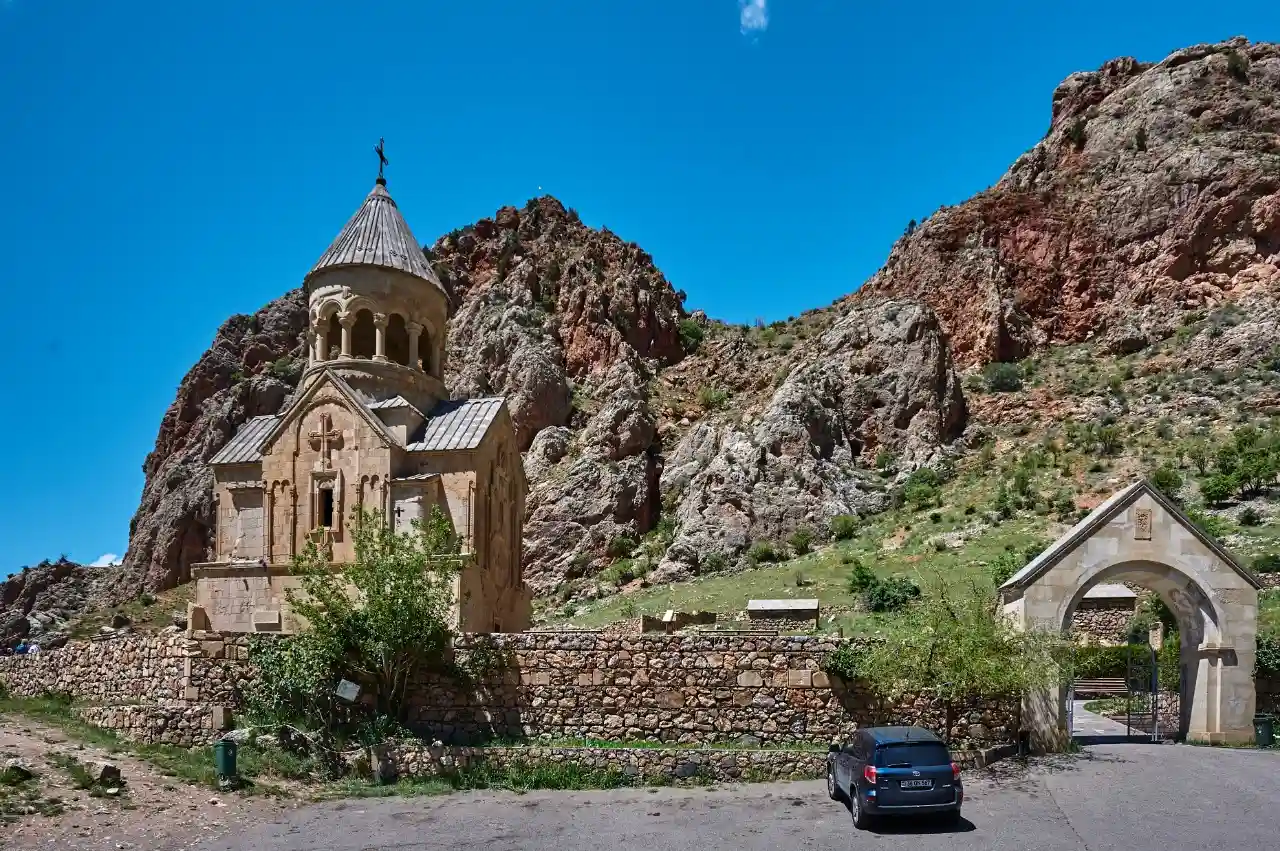
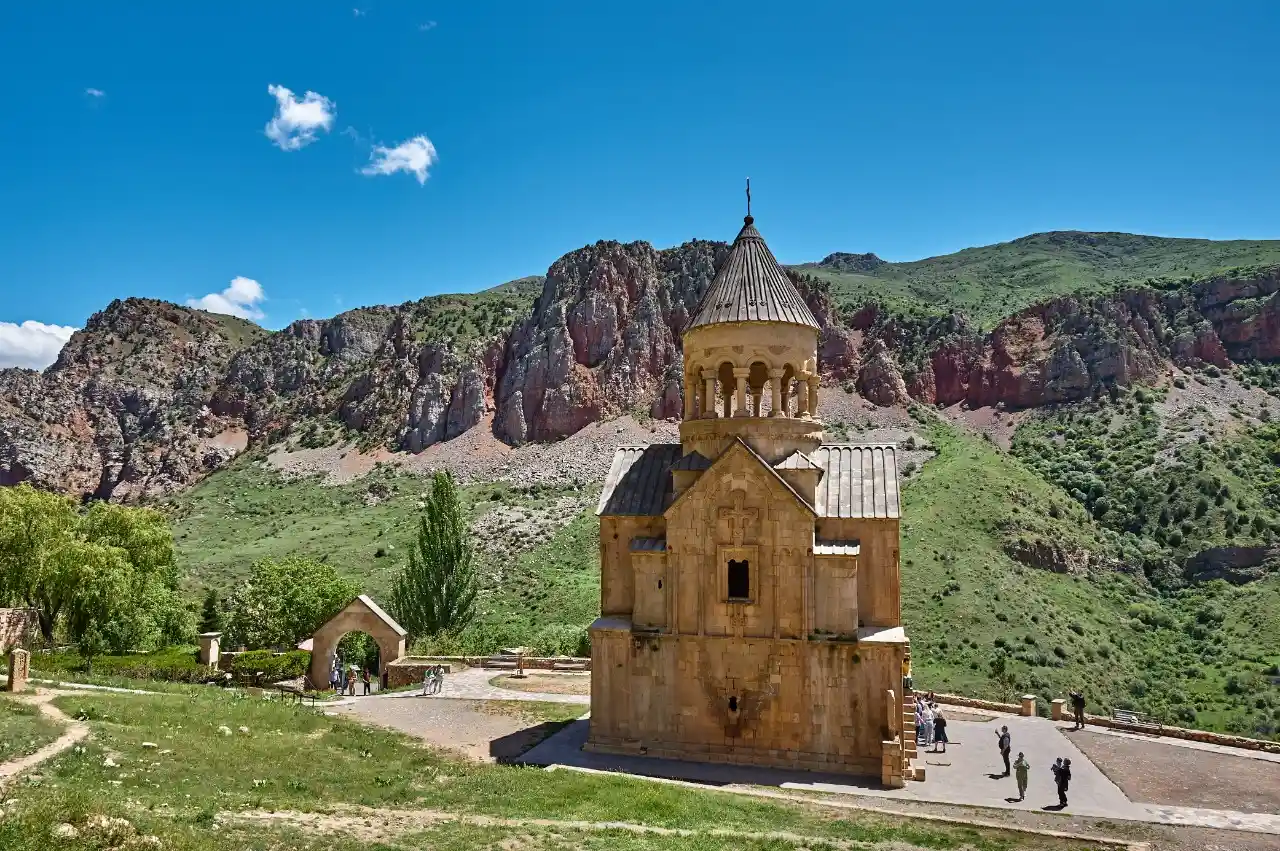
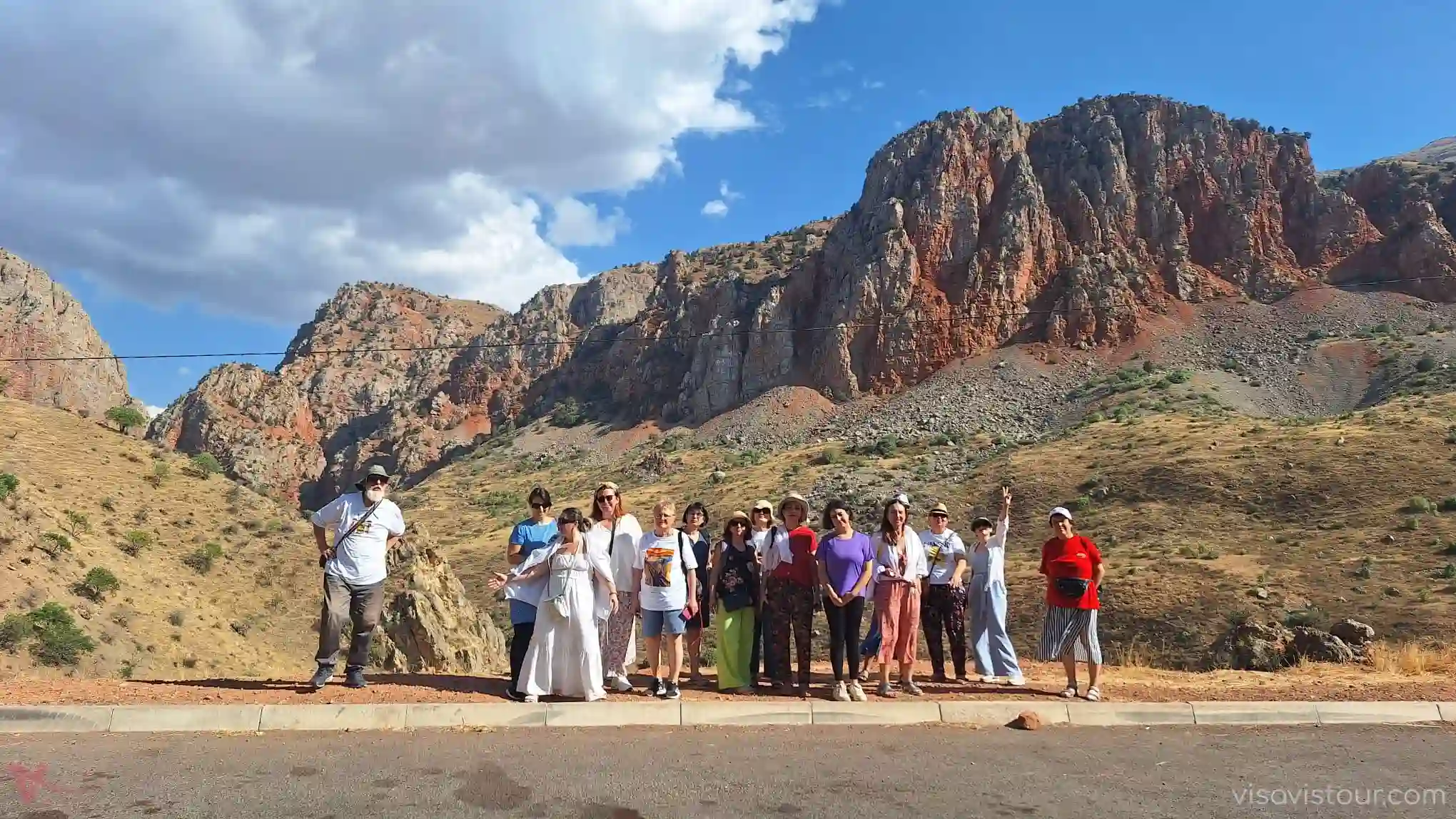
After Khor Virap, enjoy a scenic drive through stunning red rocks canyons to Noravank Monastery (XIII century), one of Armenia’s most treasured religious and cultural landmarks, known for its historical importance and architectural beauty. Noravank was also closely linked to the renowned medieval Gladzor University. Many visitors find the view so mesmerizing that they opt to walk the final stretch to the monastery, capturing the beauty of the canyon and its unique rock formations. Wander this historic monastery, surrounded by dramatic red rock cliffs. The interplay of sunlight on these rocks creates a vivid natural spectacle.
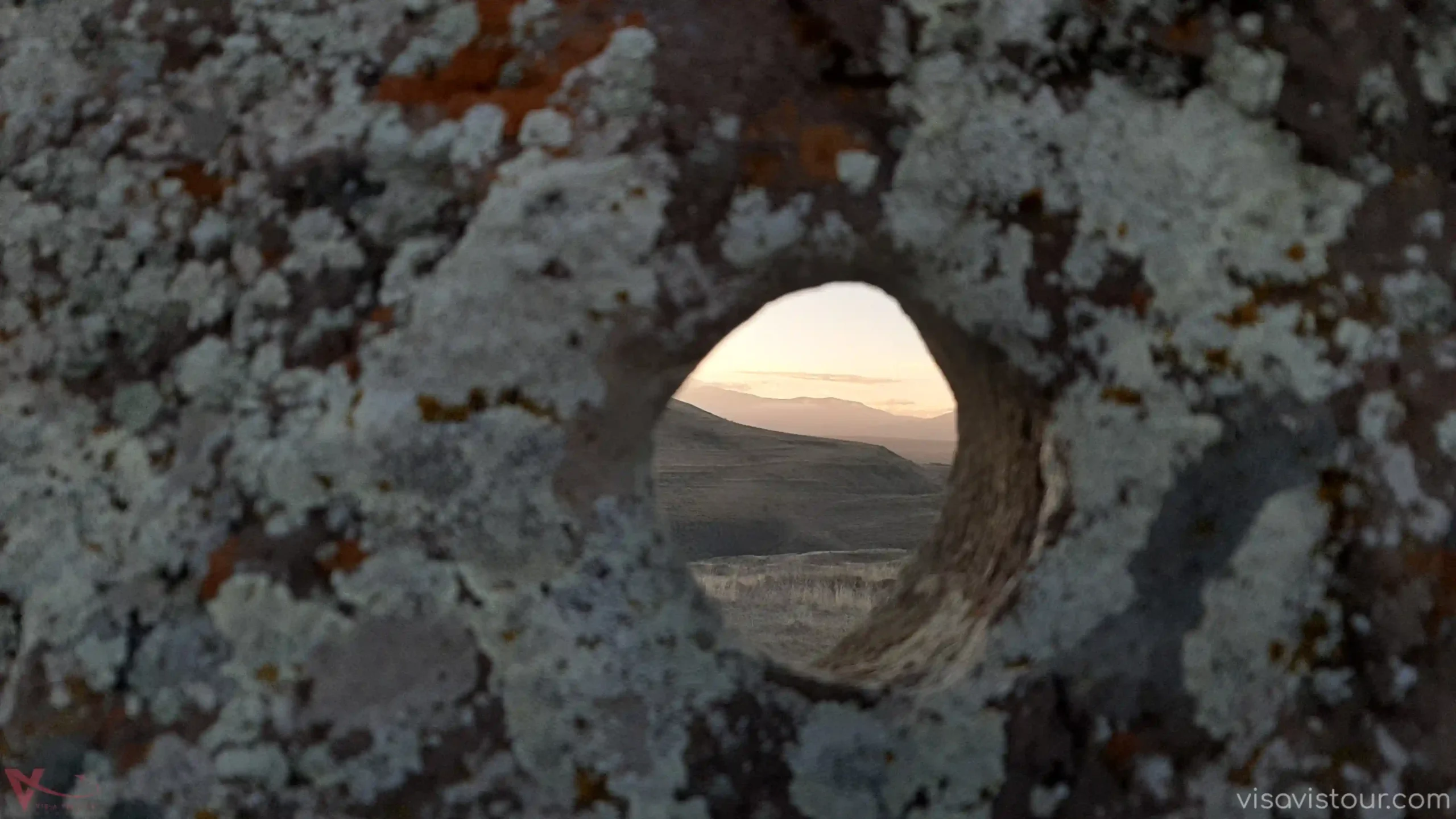
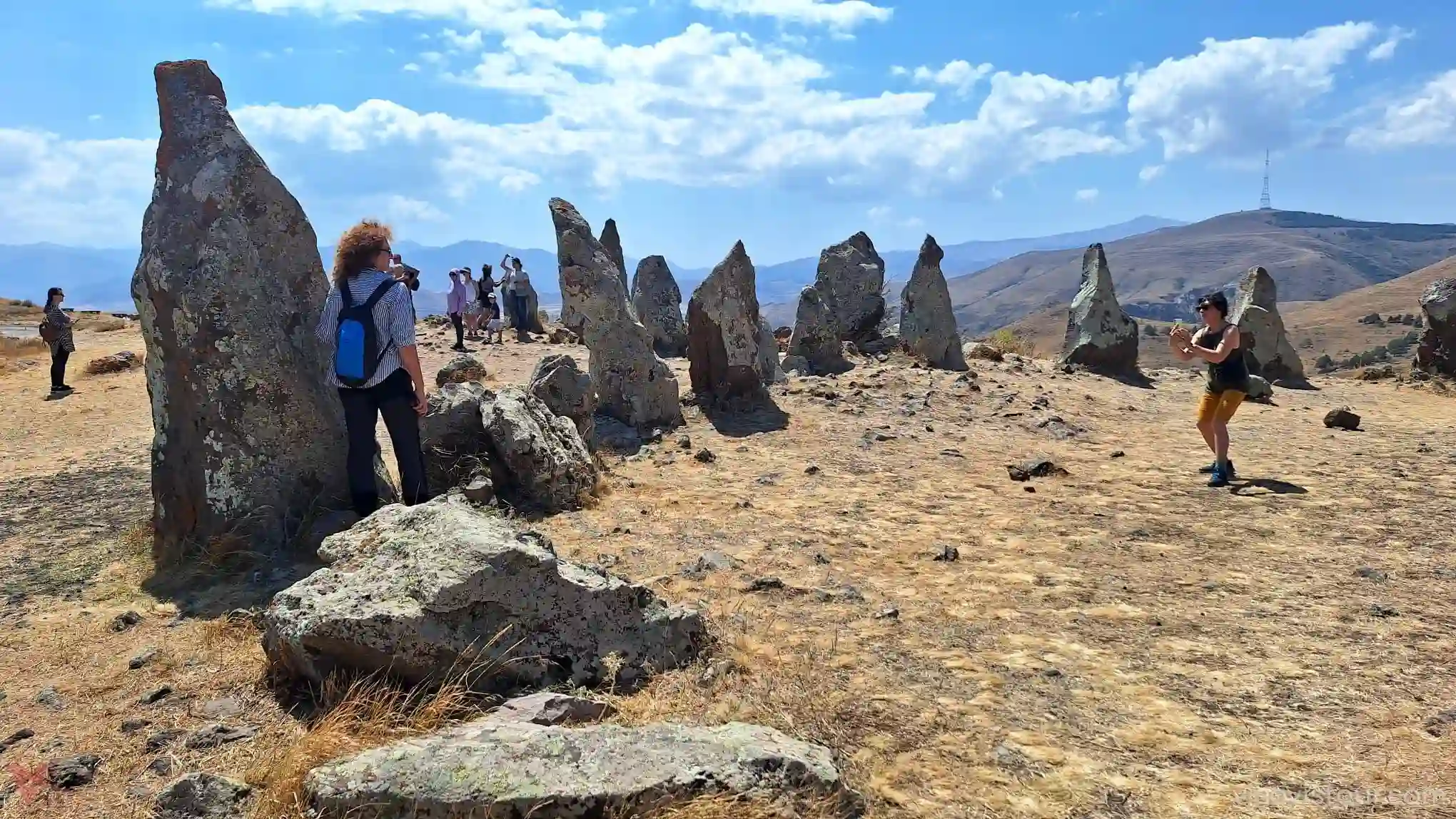
On way visit Qarahunj or Zorats Karer, which is proved to be one of the oldest, 7500 years old observatories in the world. Currently it stands as precisely arranged stones in the field with the holes that were used for astrological observations. The petroglyphs found nearby Karahunj prove that the early inhabitants in Armenia were well aware of astrology. Karahunj has been named by tourists “the Armenian Stonehenge”.
Continue to Goris, check in hotel.
Overnight in Goris
Goris – "Wings of Tatev" tramway - Tatev Monastery –Selim Pass – Lake Sevan
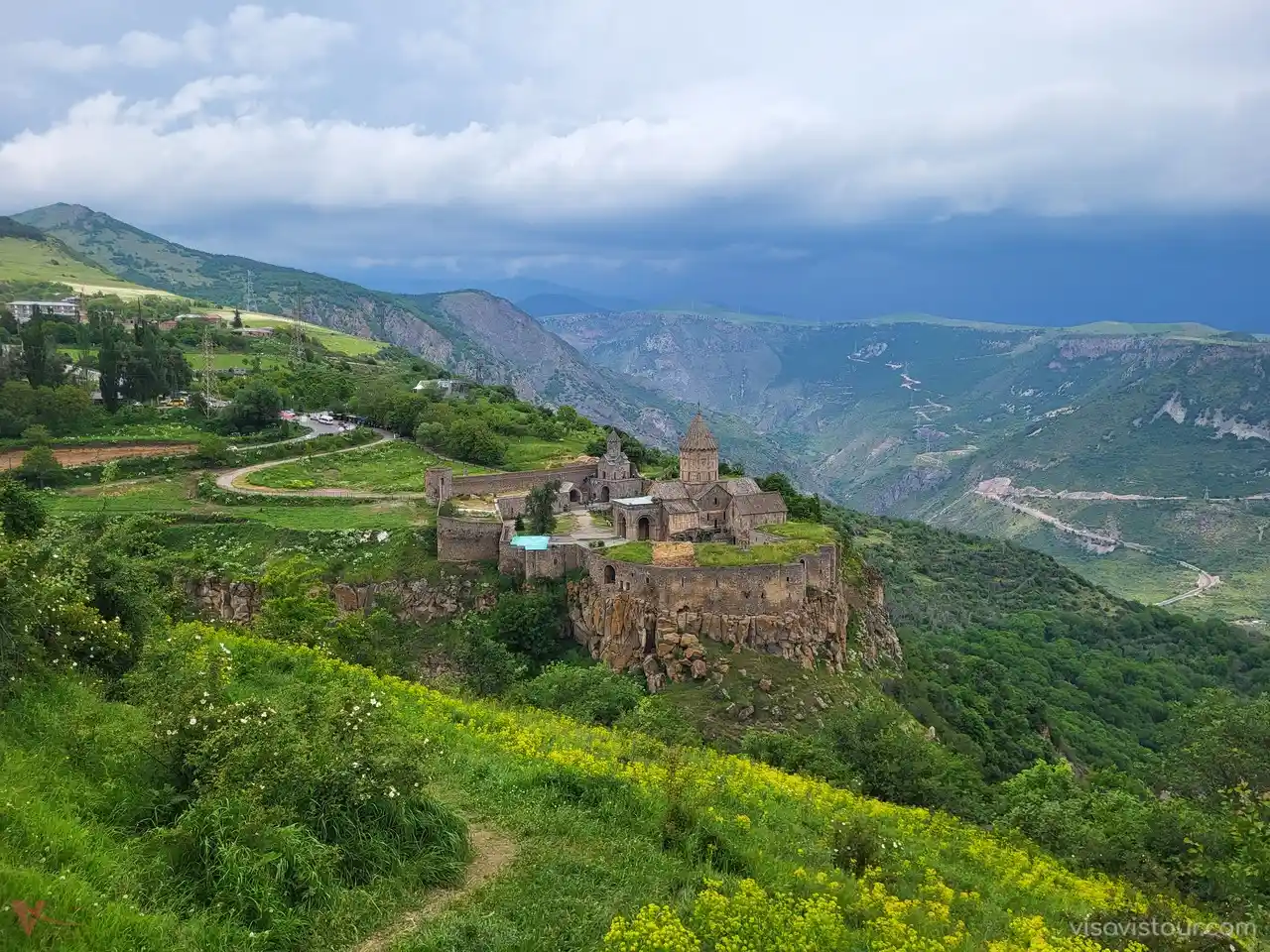
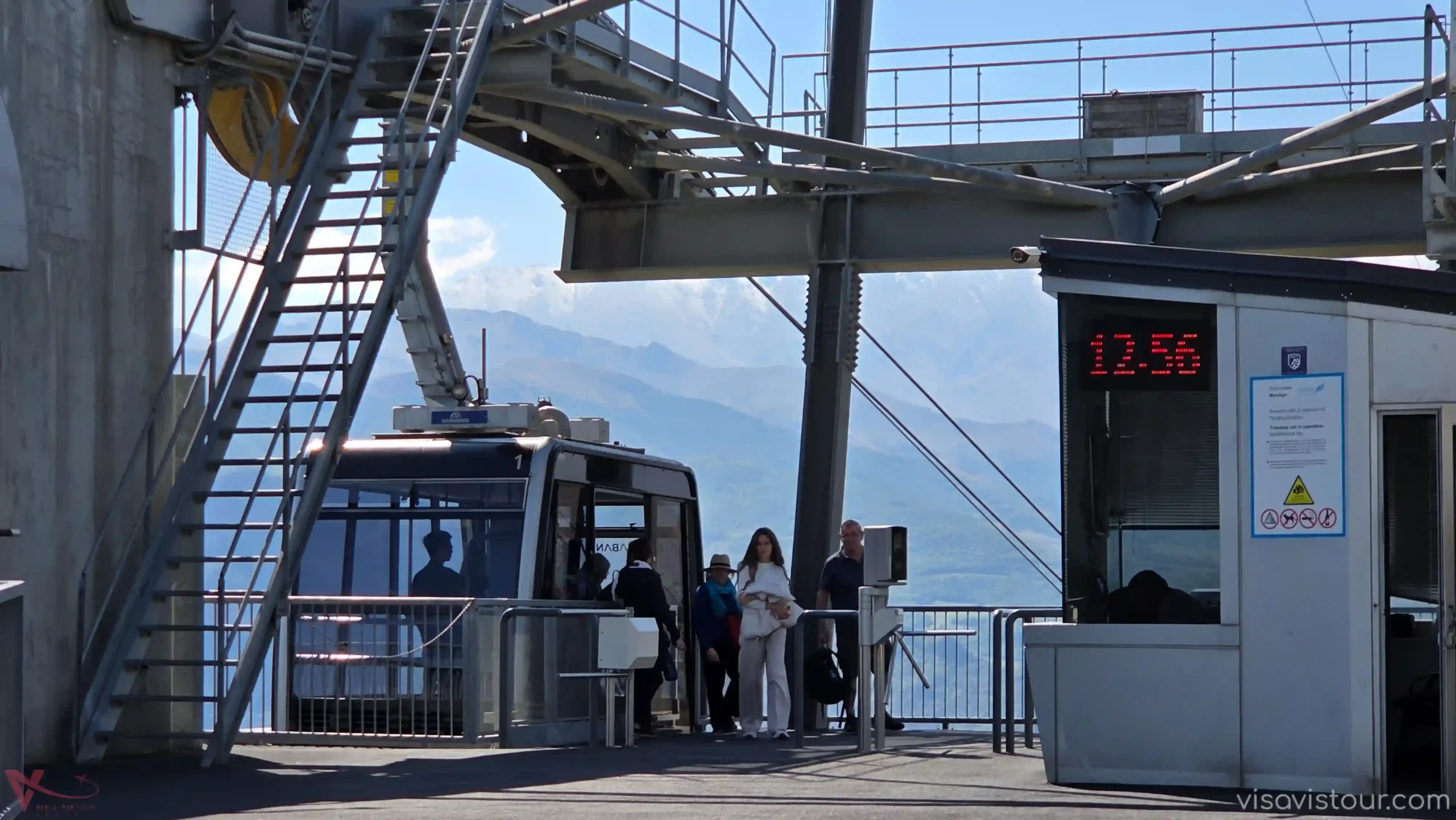
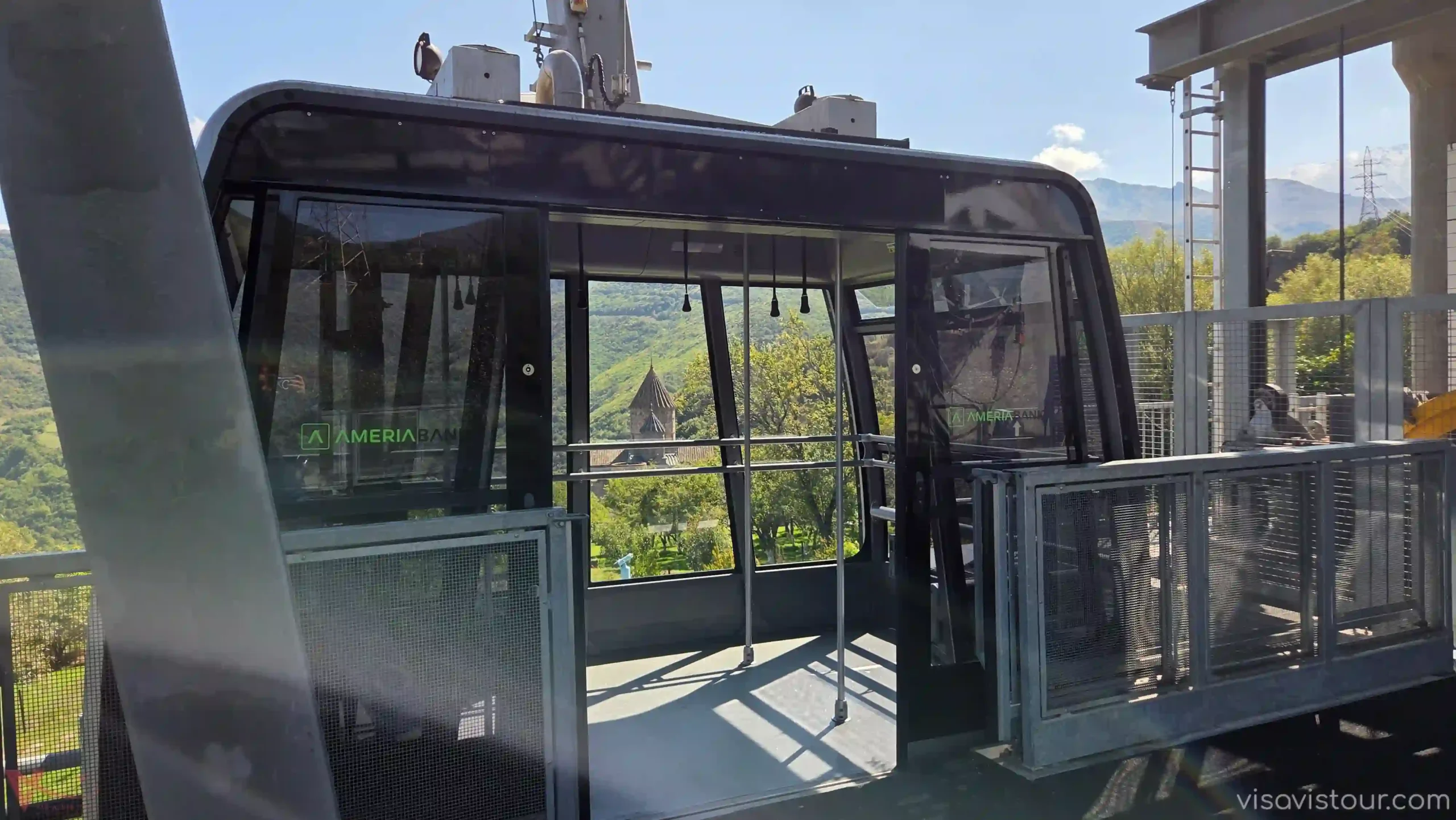
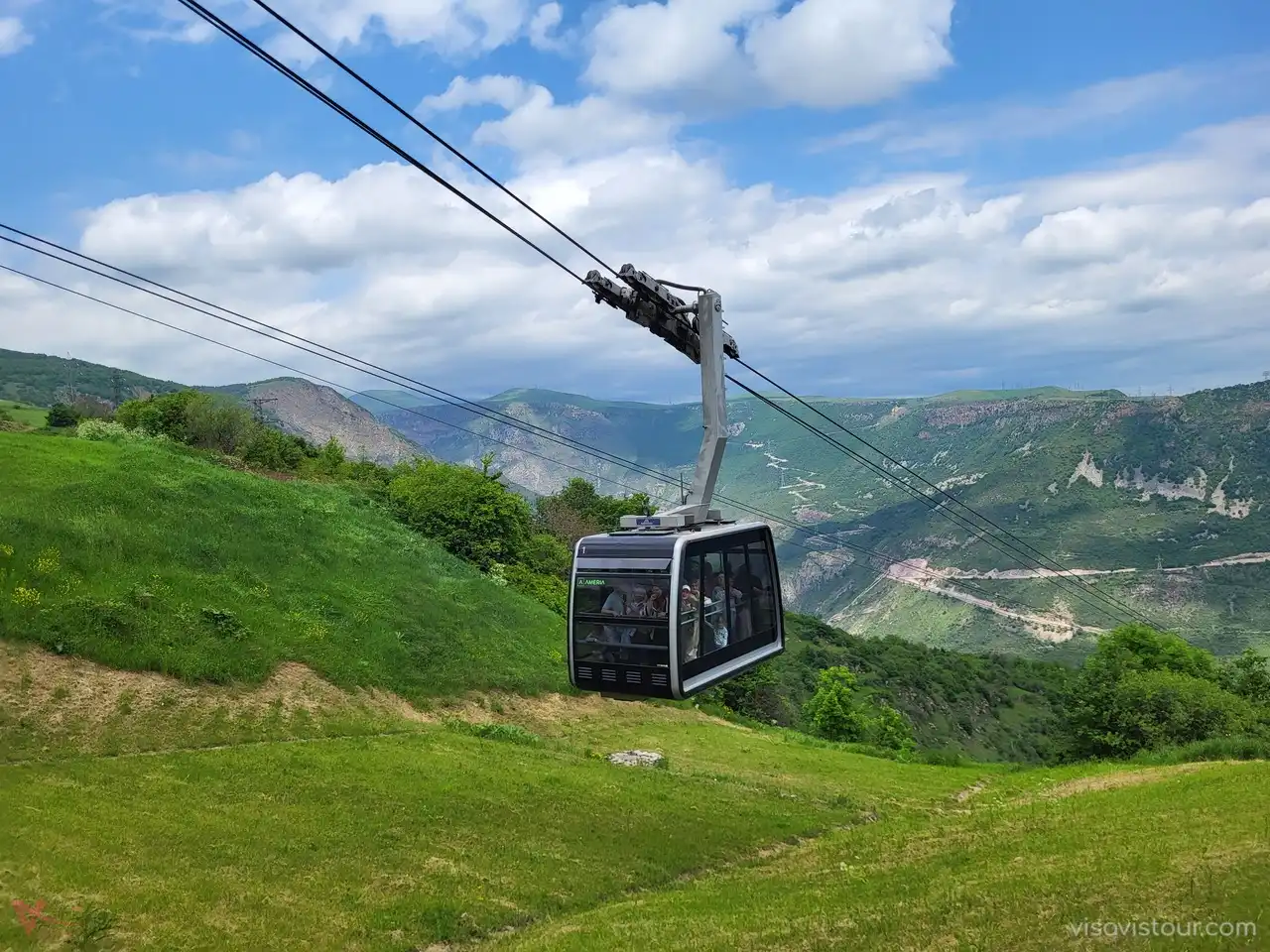
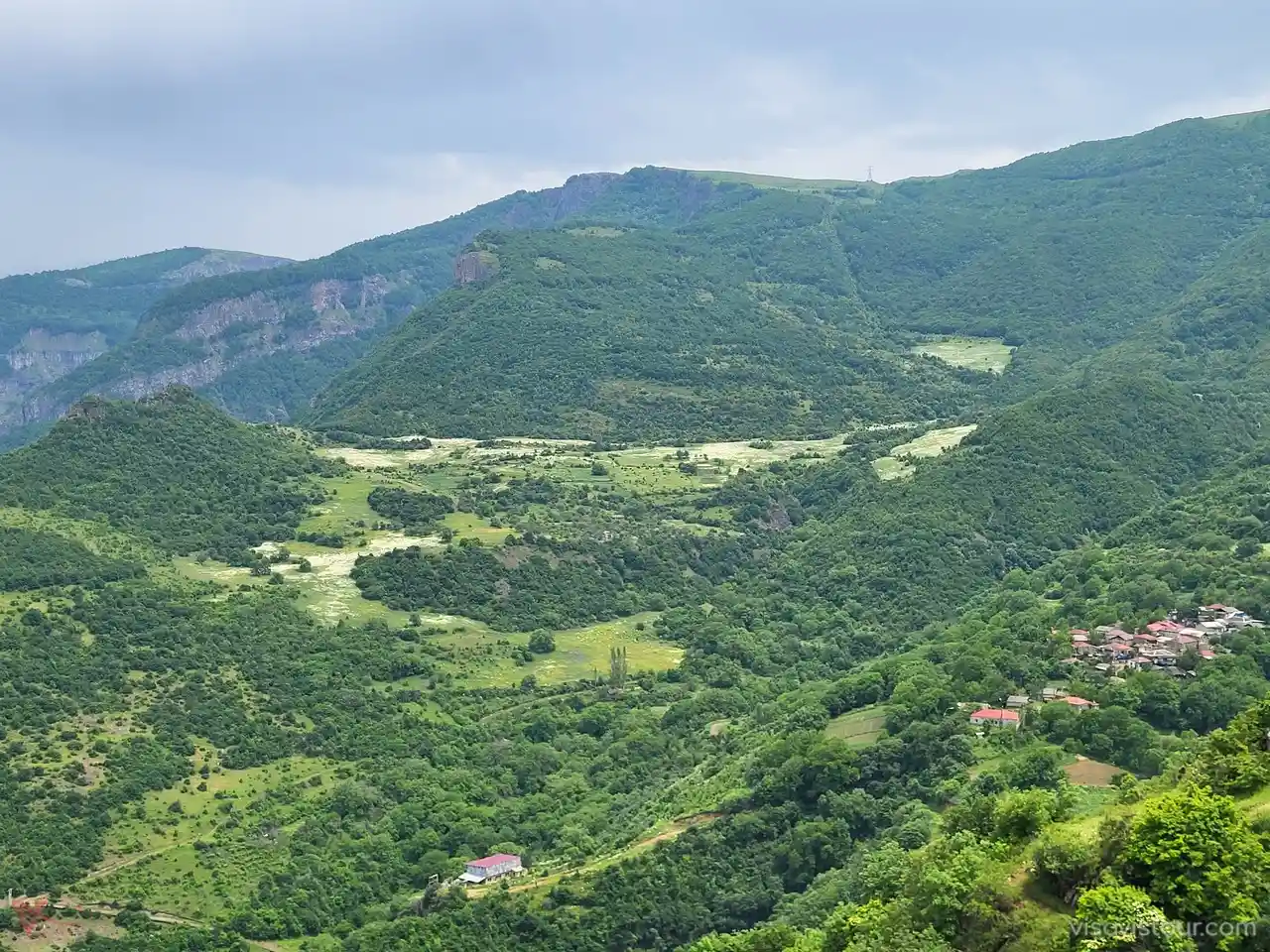
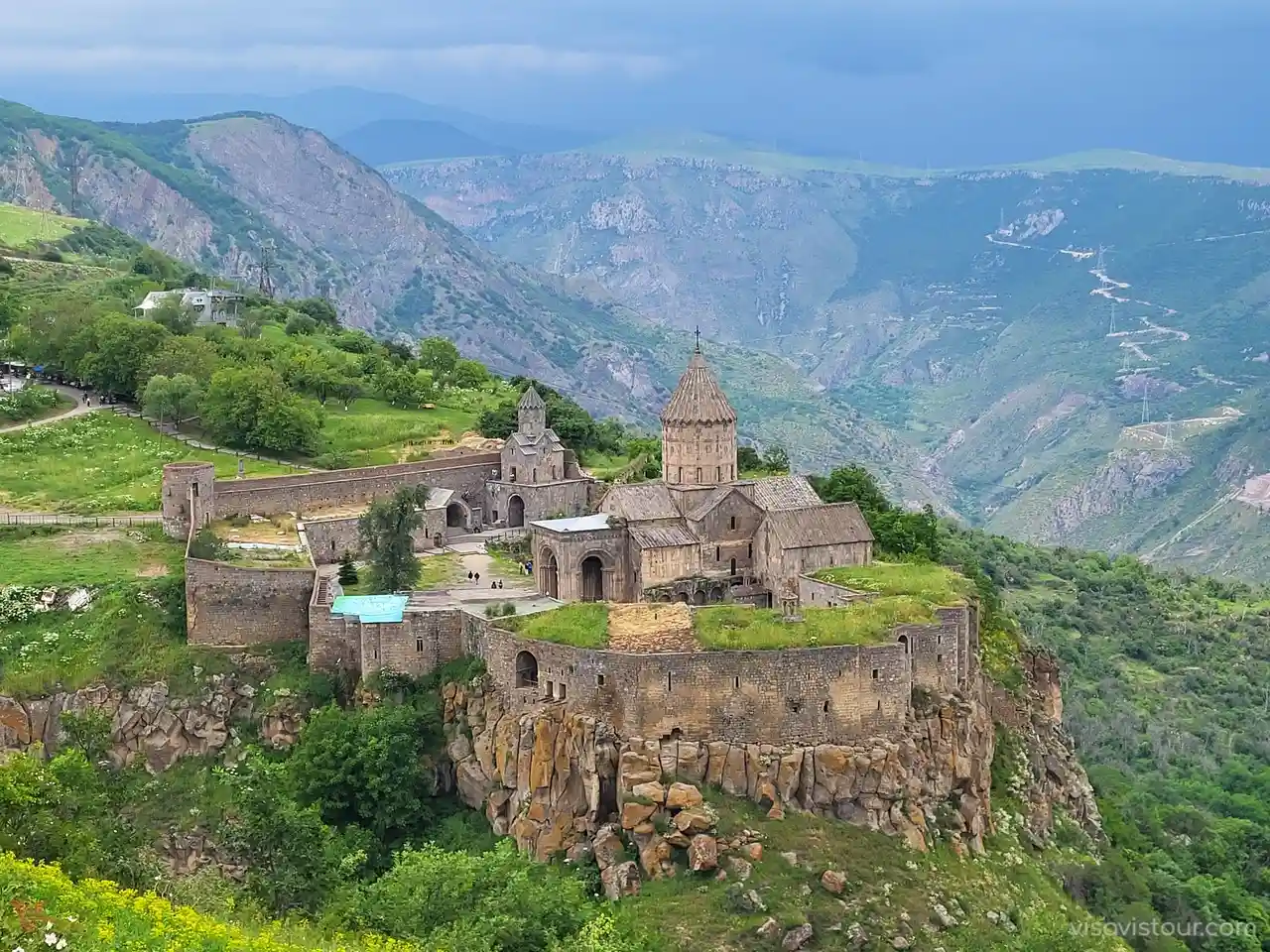
Start your day with a ride on the “Wings of Tatev” Ropeway—the world’s longest non-stop double track reversible aerial tramway, included in Guiness record book. Spanning 5.7 km (3.5 miles), this extraordinary ride takes you soaring over the breathtaking Vorotan Gorge to Tatev Monastery, a historical site and former intellectual center from the IX-XIII centuries. Nestled in a dramatic gorge, Tatev was once a vital center of Armenian culture and learning, where philosophers, musicians, painters, calligraphers and monks lived. Tatev used to be a religious and political center of Syunik princedom.
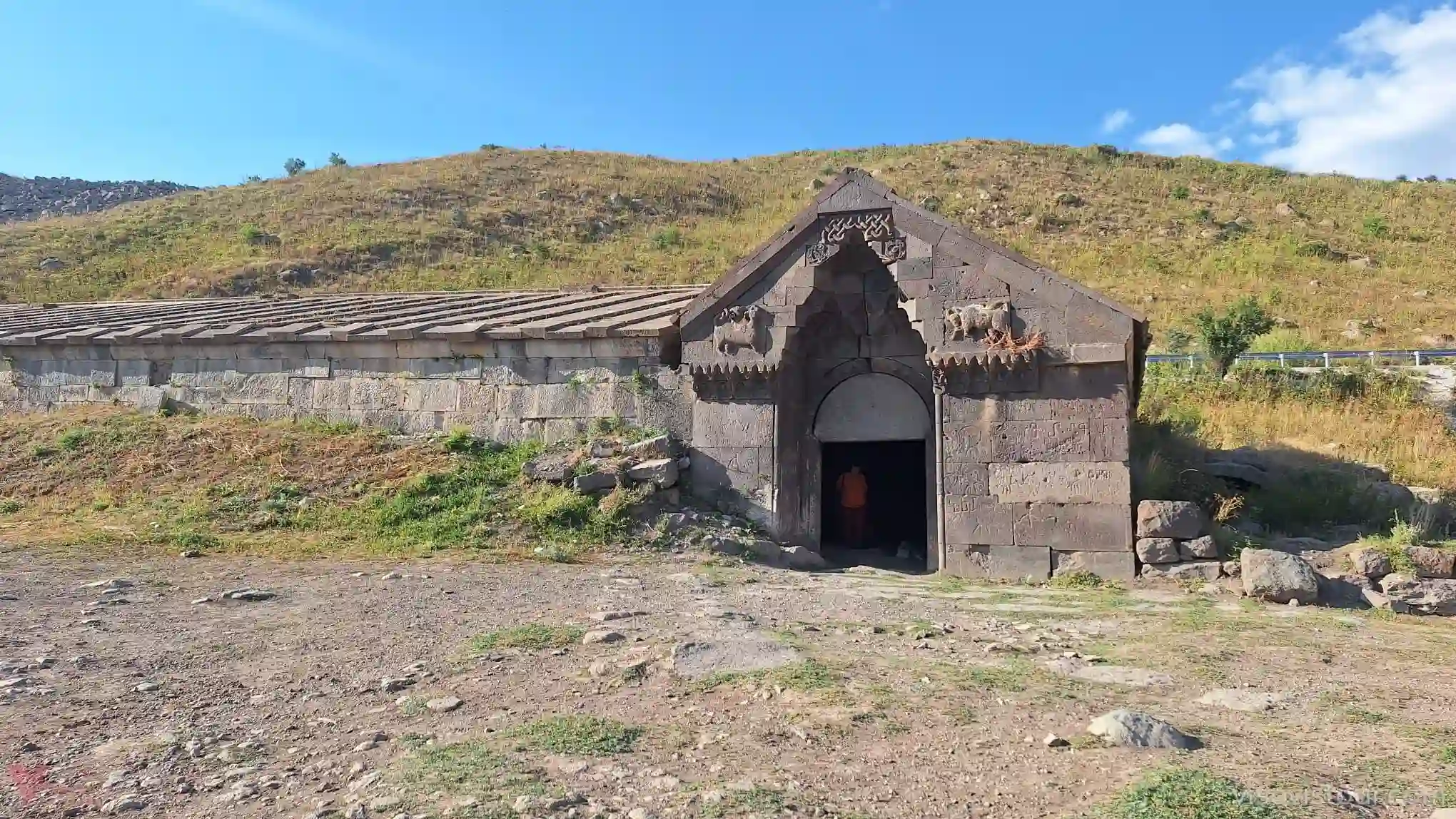
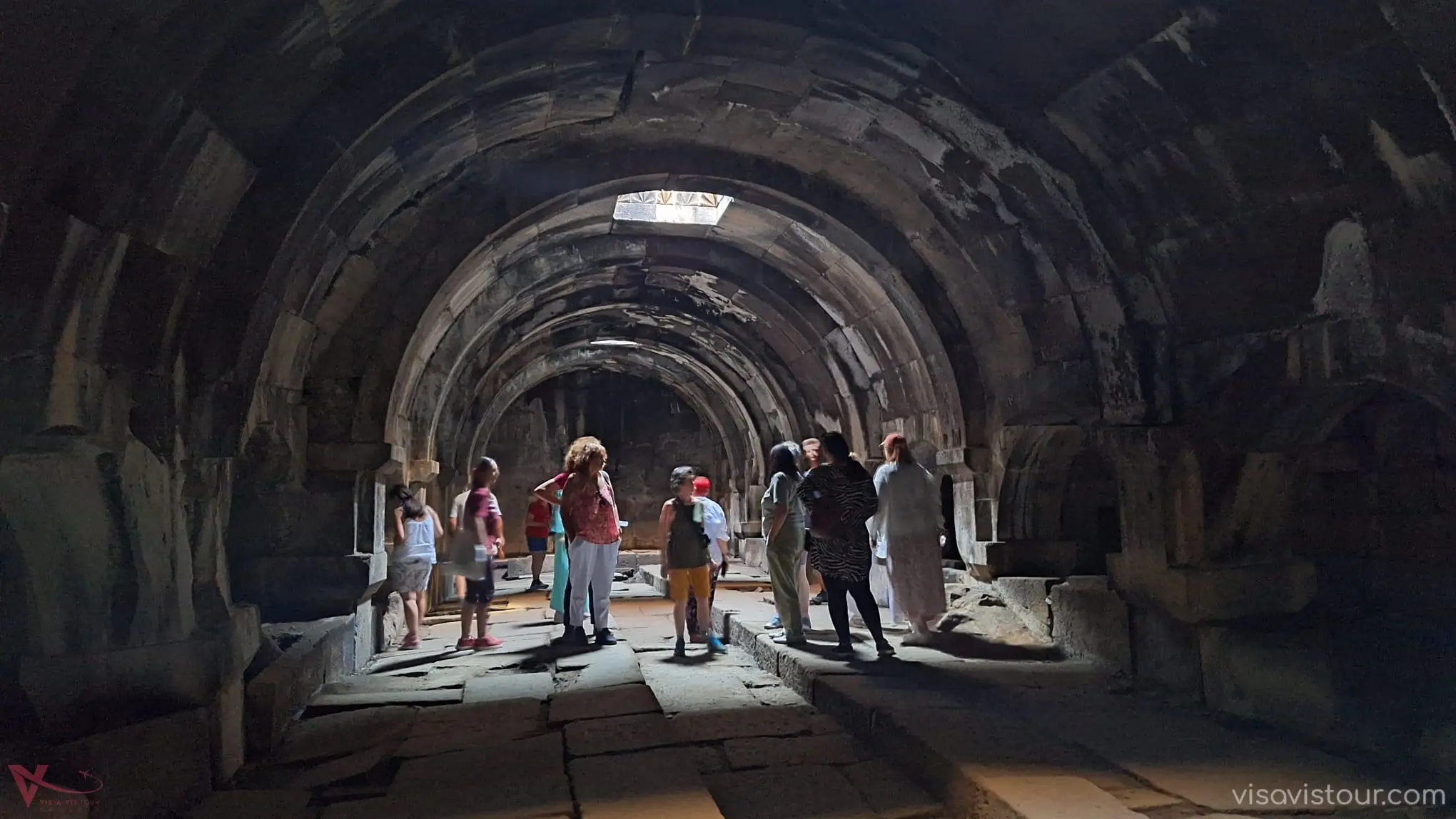
Continue through Selim Pass, visiting the historic Selim Caravanserai (XIV c), once served as a resting point for Silk Road travelers, towards Lake Sevan. The caravanserai is a reminder of Armenia’s significant role in facilitating trade between the East and West during ancient times.
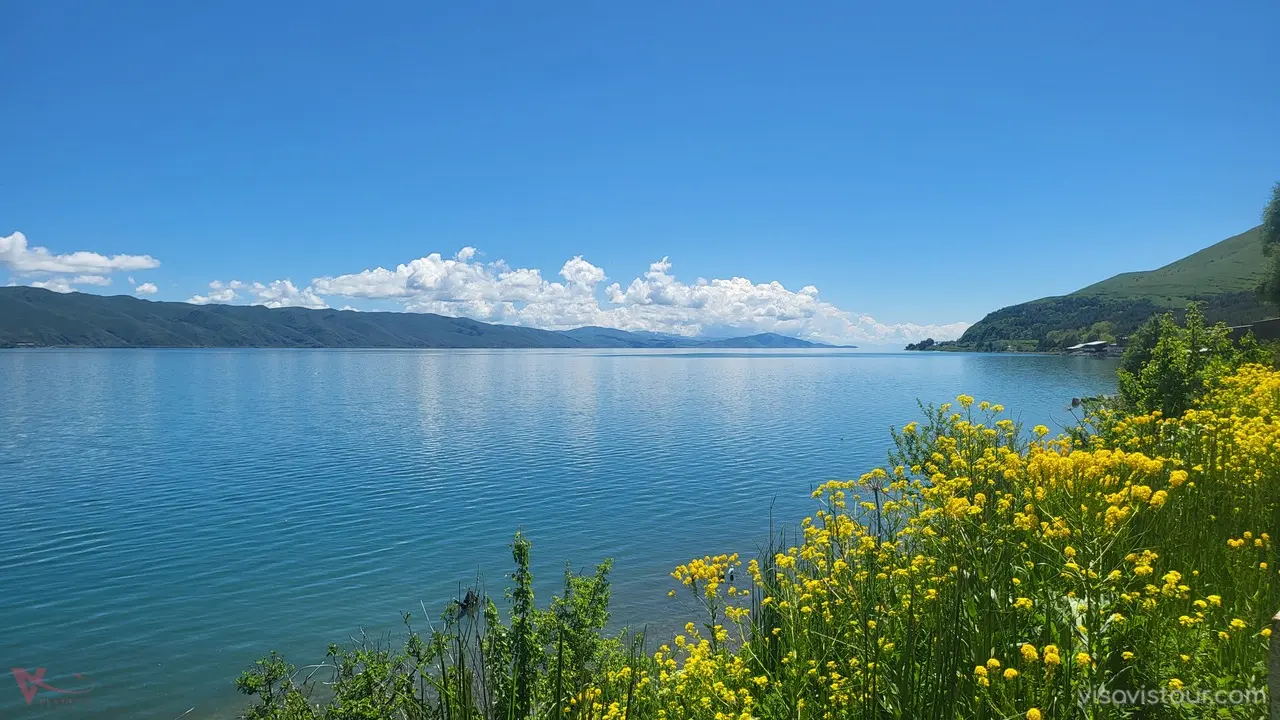
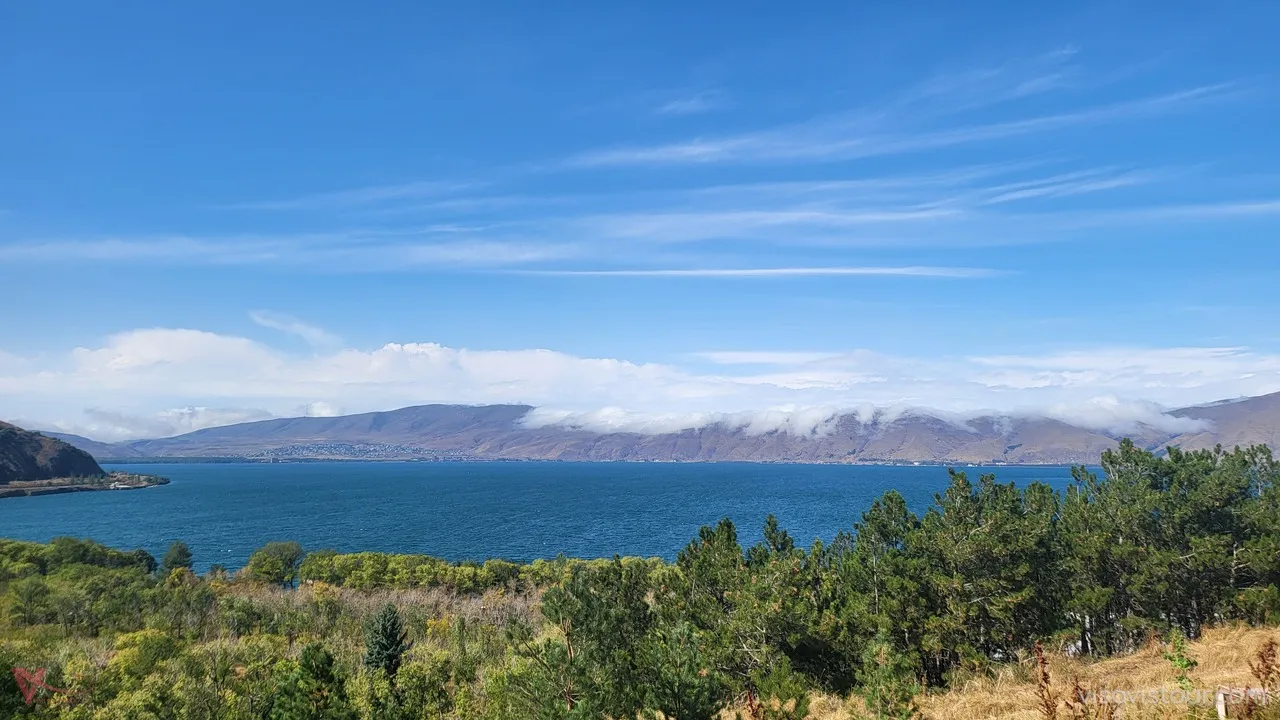
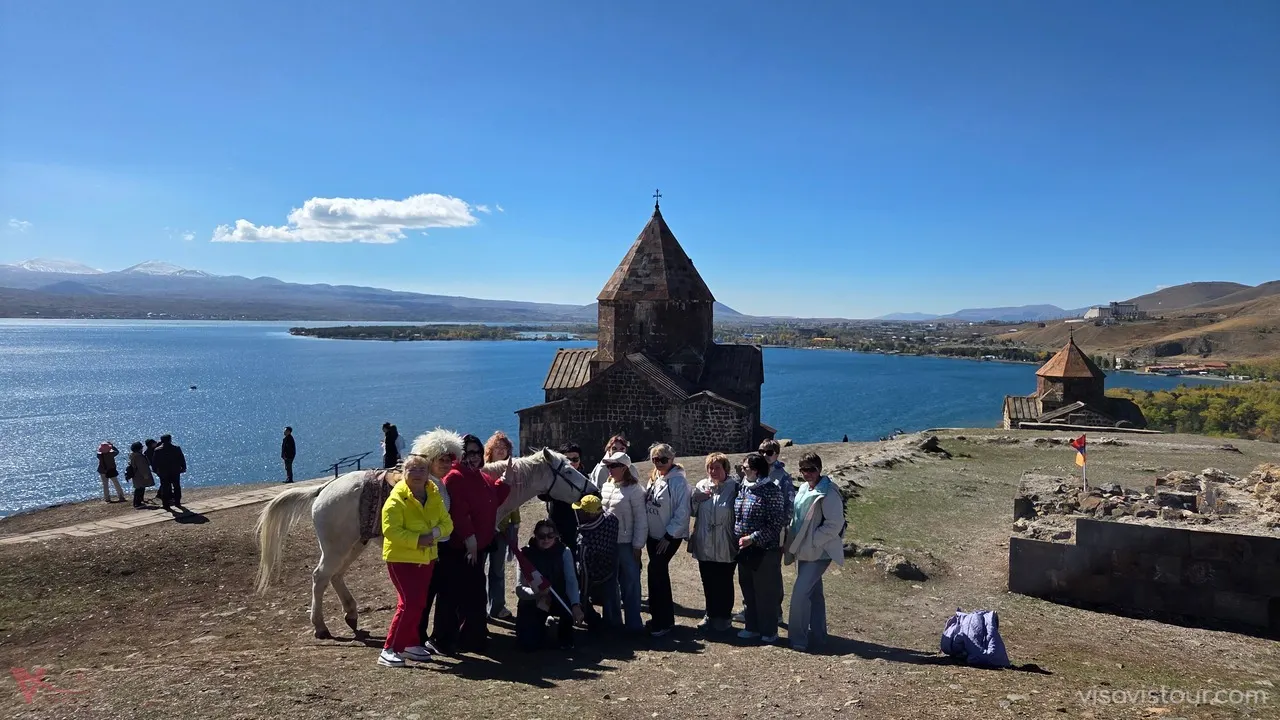
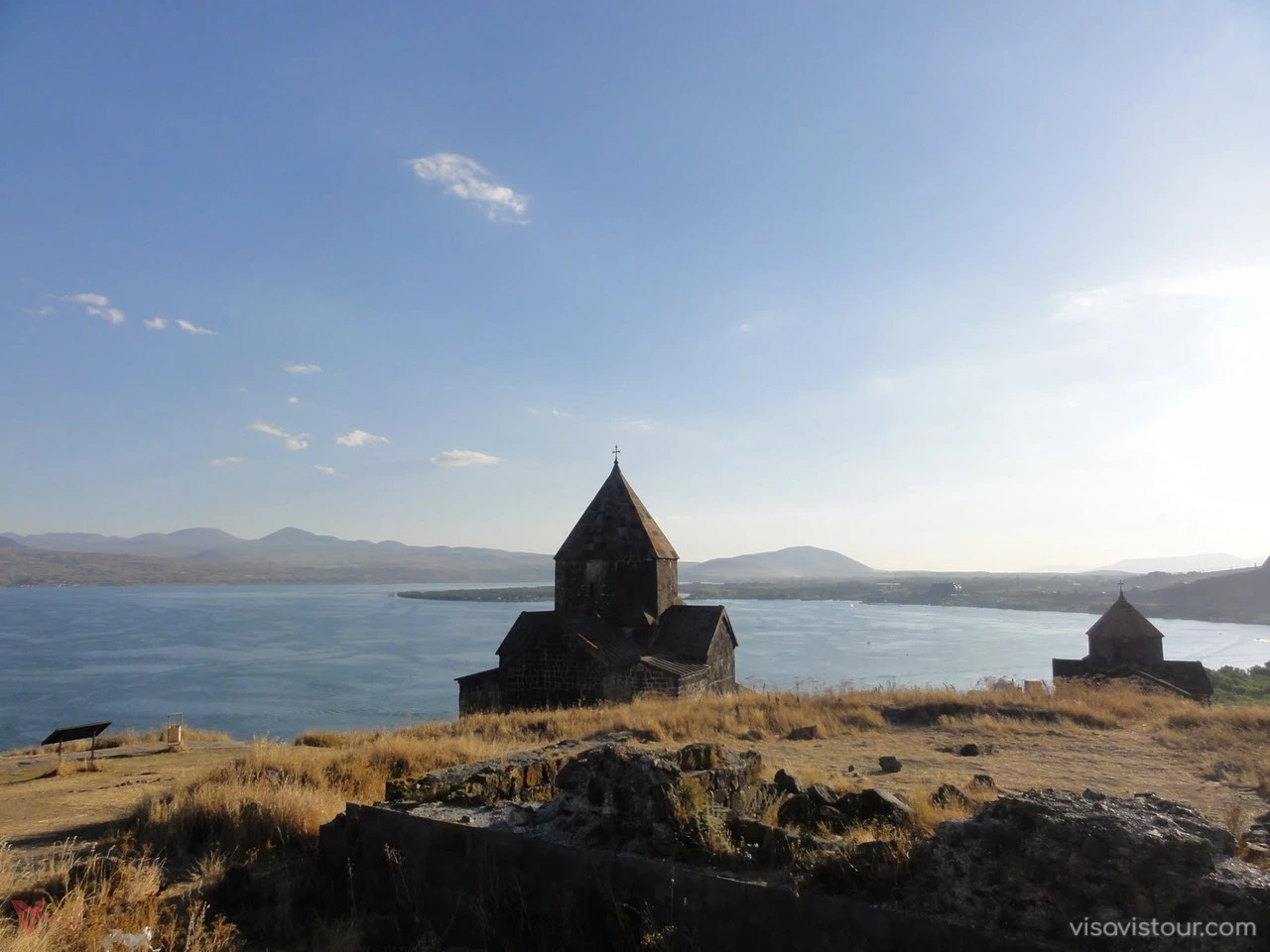
Afterward, continue your scenic drive to Lake Sevan, one of the largest high-altitude freshwater lakes in the world, where you’ll visit Sevanavank Monastery (IX c) on the peninsula, offering sweeping views over the lake and the surrounding beauty. Check in hotel.
O/n in Sevan.
Lake Sevan – Dilijan - Hagartsin monastery – Sadakhlo- Tbilisi
Breakfast at the hotel. Tour in Lake Sevan, one of the wonders in Armenia. This blue lake is one of the greatest high mountainous freshwater lakes of Eurasia. On a clear and sunny day, the water is often of a deep turquoise colour. Total surface of the lake is 940 km2. Akhtamar peninsula is most popular destination to enjoy the breath-taking view on Sevan Lake, make pics for sweet memories and visit the ancient Sevanavank Monastery (IX century), which stands in its greatness on the peninsula overlooking the lake for centuries.
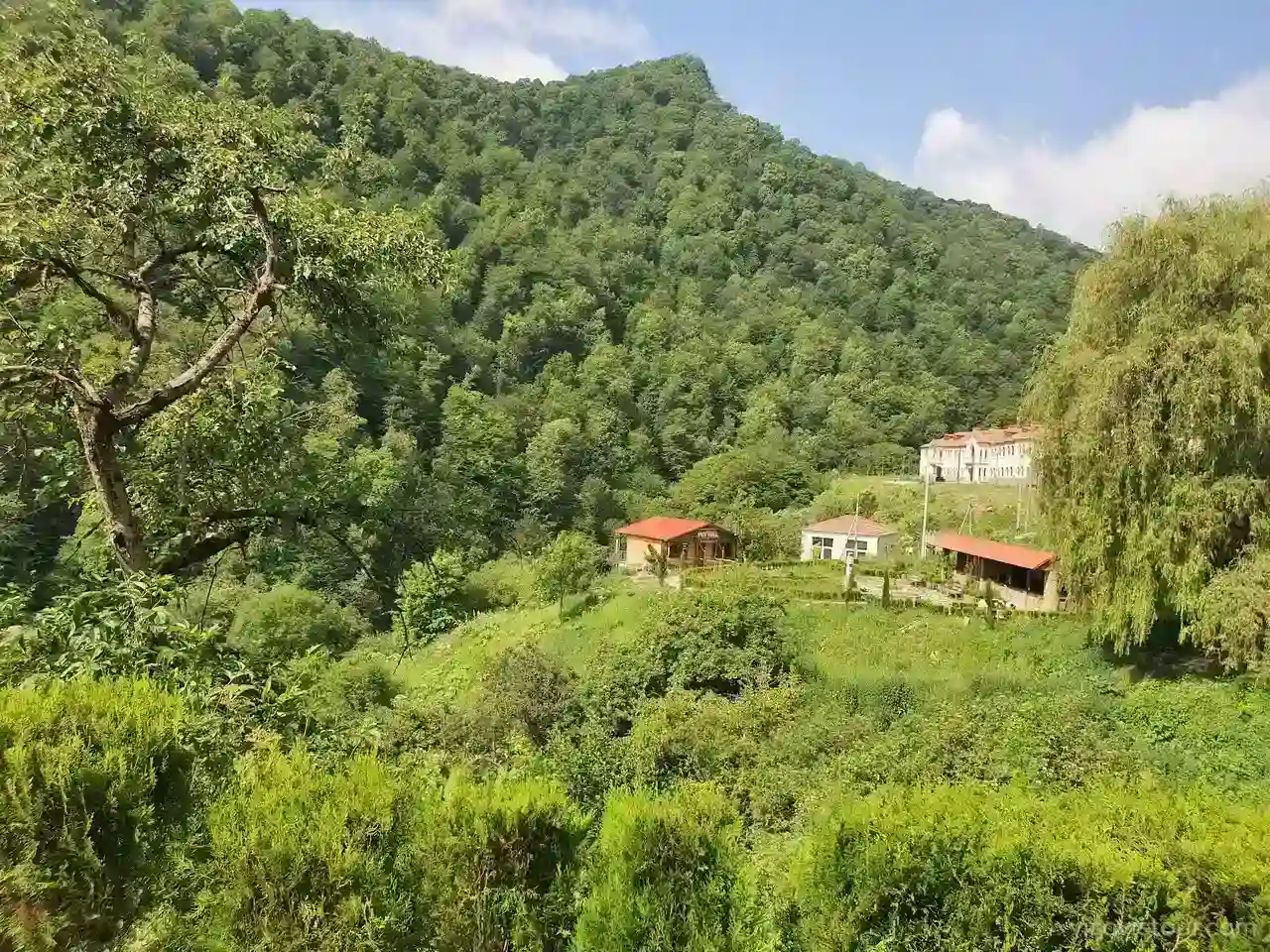
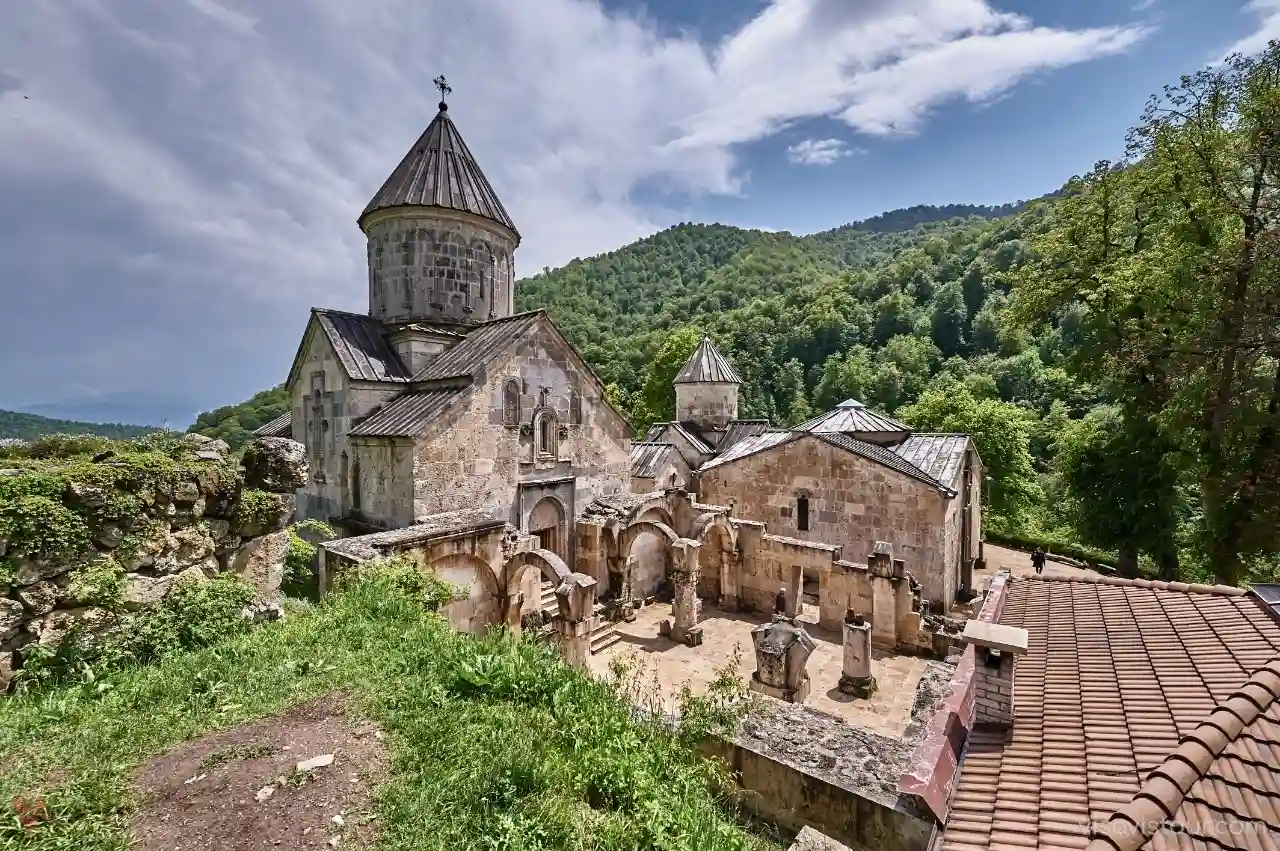
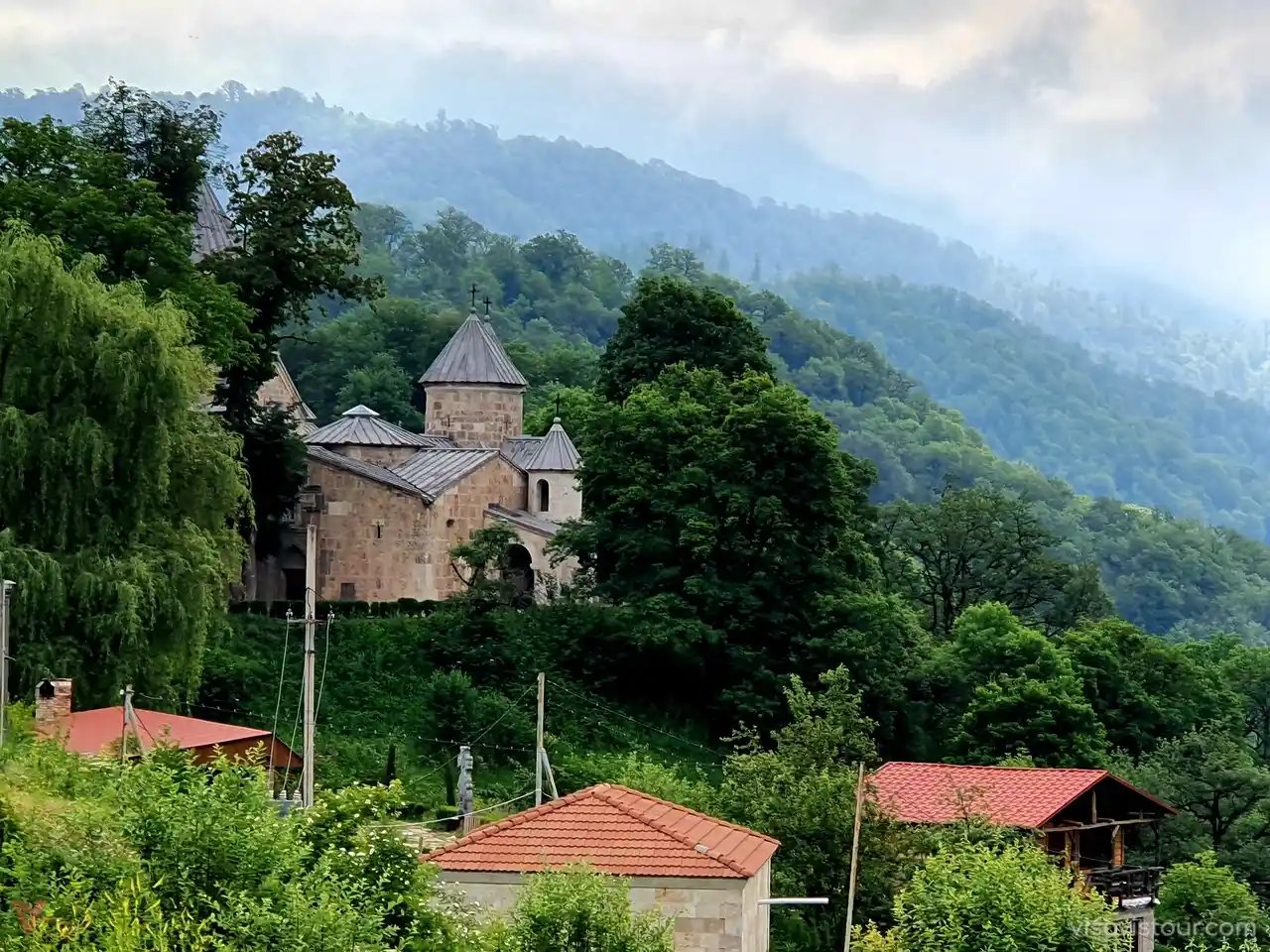
Drive to Haghartsin Monastery is located in the secluded place of the forest, which includes the group of Monastery buildings. Appearing unexpectedly, out of the dense forests, in front of the visitors, the Monastery creates a magical impression of the lost world.
Drive to the Georgian – Armenian border. Passing the border formalities.
Drive to Tbilisi.
O/N in Tbilisi.
Tbilisi City tour
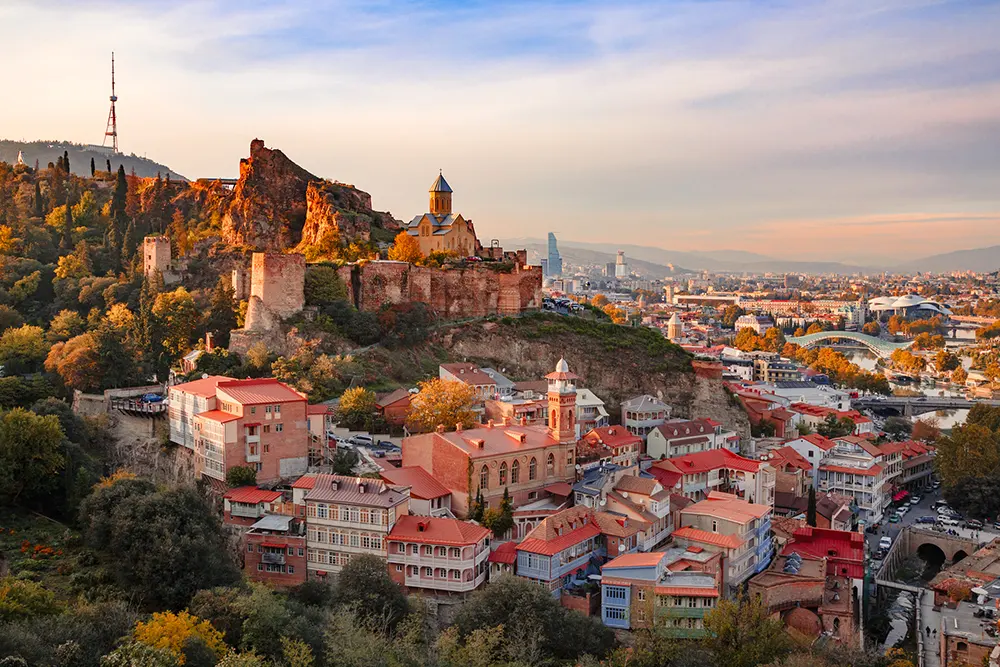
Start the day with breakfast at the hotel before setting out to explore Tbilisi, a city that harmoniously blends its medieval, classical, and modern influences. Founded in the 5th century by King Vakhtang Gorgasali, Tbilisi has grown into a vibrant cultural and historical center, shaped by its strategic location on the ancient Silk Road.
Walk around Old Tbilisi with visits of:
Metekhi Church & Statue of King Vakhtang Gorgasali – Located on a cliff overlooking the Mtkvari River, this church marks one of the earliest inhabited areas of Tbilisi. Enjoy panoramic views of the city while learning about its legendary founding.
Narikala Fortress – Take a cable car ride from Rike Park to this ancient stronghold that has protected Tbilisi since the 4th century. From here, enjoy breathtaking views of the cityscape.
Abanotubani (Sulfur Baths District) – Stroll through this iconic district, famous for its natural hot sulfur springs, which gave Tbilisi its name (“Warm Spring”). These baths have been a center of relaxation and healing for centuries.
Sioni Cathedral – A historic Georgian Orthodox Cathedral, named after Mount Zion in Jerusalem. It once housed St. Nino’s Cross, a sacred relic of Georgia’s Christian heritage.
Sharden Street – A charming, modern street lined with cozy cafes, art galleries, and boutique shops, perfect for a relaxed stroll.
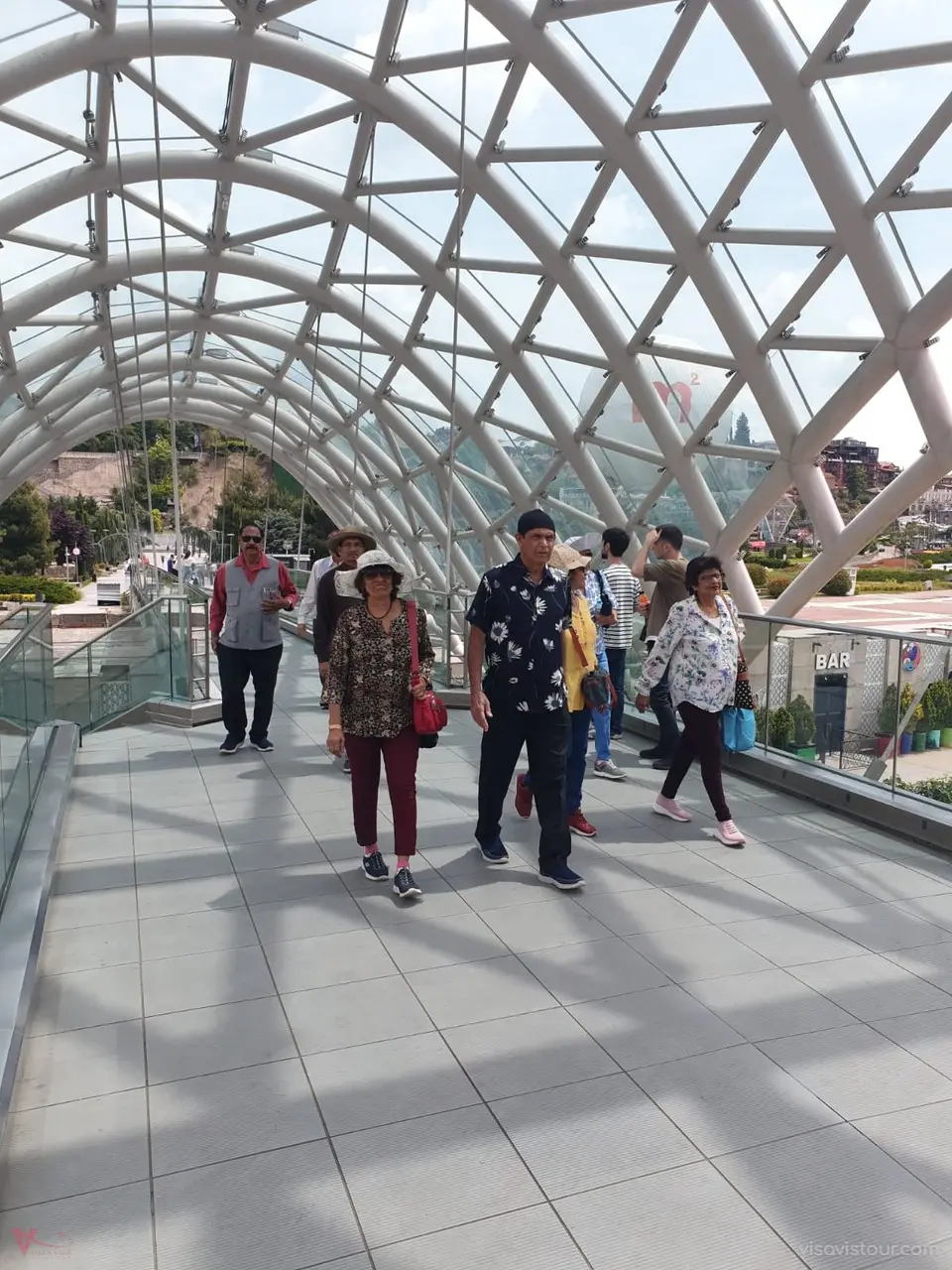
Bridge of Peace – A stunning glass-and-steel pedestrian bridge, designed by Italian architect Michele De Lucchi in 2010. The bridge connects Tbilisi’s historic old town with its modern districts.
Holy Trinity Cathedral (Sameba) – One of the largest Orthodox churches in the world, this architectural masterpiece was completed in 2004 and serves as the spiritual heart of Georgia’s Orthodox faith.
Drive along Rustaveli Avenue, the main boulevard of Tbilisi, home to the Parliament of Georgia, Opera House, and Freedom Square.
Overnight in Tbilisi.
Tbilisi- Sighnaghi - "City of love" – Bodbe Monastery –Tbilisi
Breakfast in the hotel
🍷 A Journey into Georgia’s Wine Country & The City of Love
Breakfast at the hotel.
The journey begins with a drive to the eastern region of Kakheti, the renowned wine region of Georgia, where ancient winemaking traditions, breathtaking landscapes, and charming historical towns await. Rolling vineyards, quaint villages, and majestic mountain backdrops create a picturesque setting, making this region one of the most beautiful in Georgia.
Arriving in Sighnaghi, we step into one of Georgia’s most charming and romantic towns. Nestled on a hilltop at 790 meters above sea level, Sighnaghi offers panoramic views of the stunning Alazani Valley, with the snow-capped Greater Caucasus Mountains as a backdrop. Sighnaghi is called the “City of Love” because it has a wedding house open 24/7, allowing couples to get married anytime, making it a popular destination for romance and celebrations.
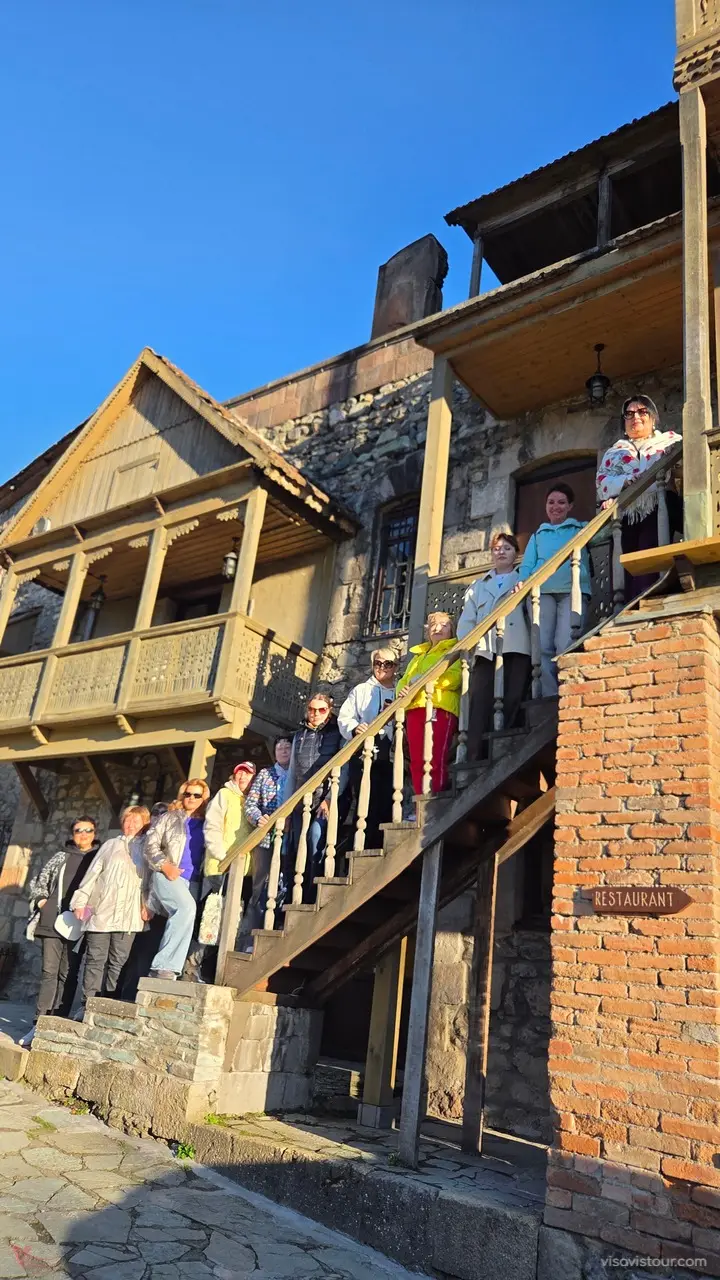
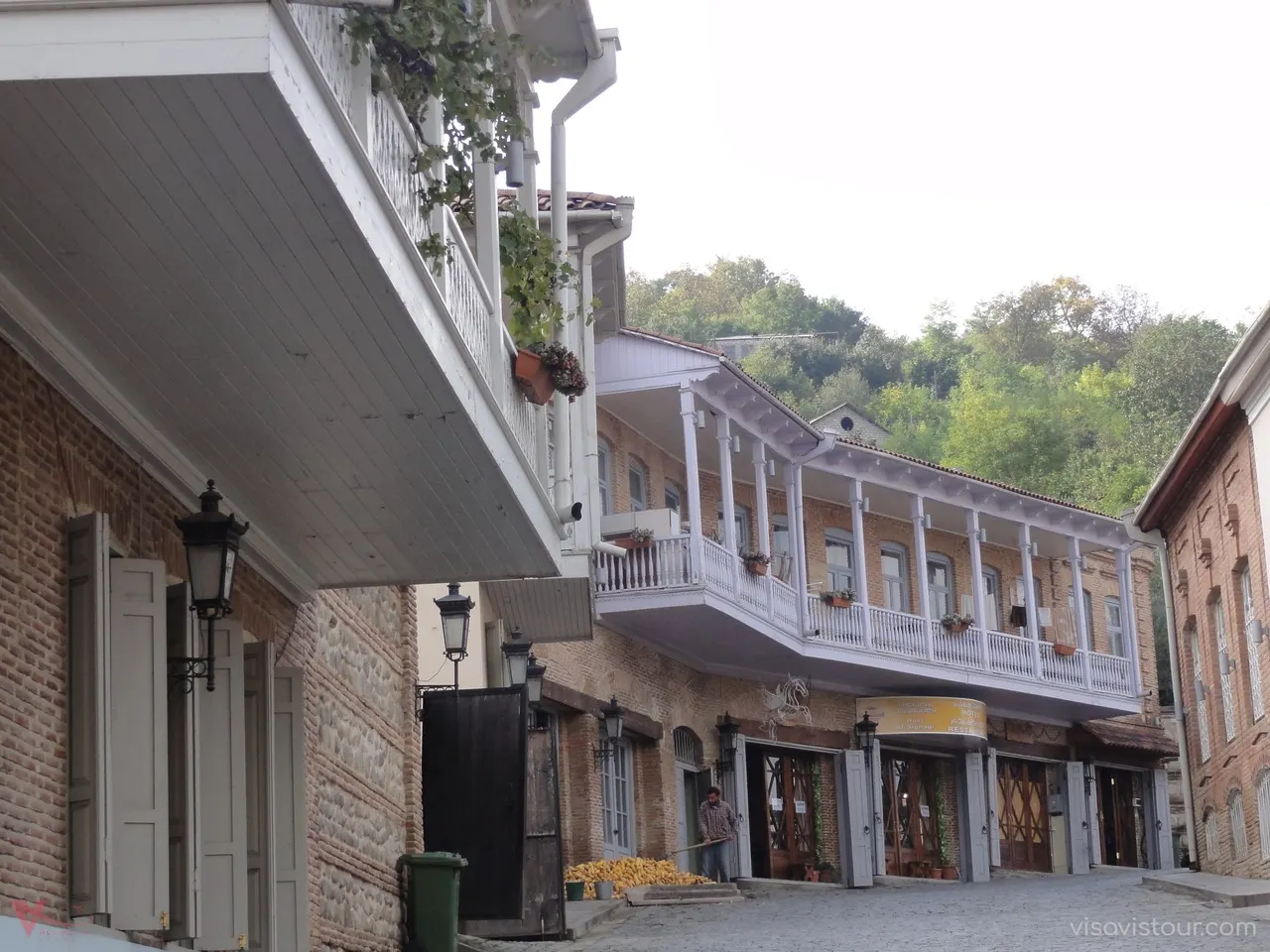
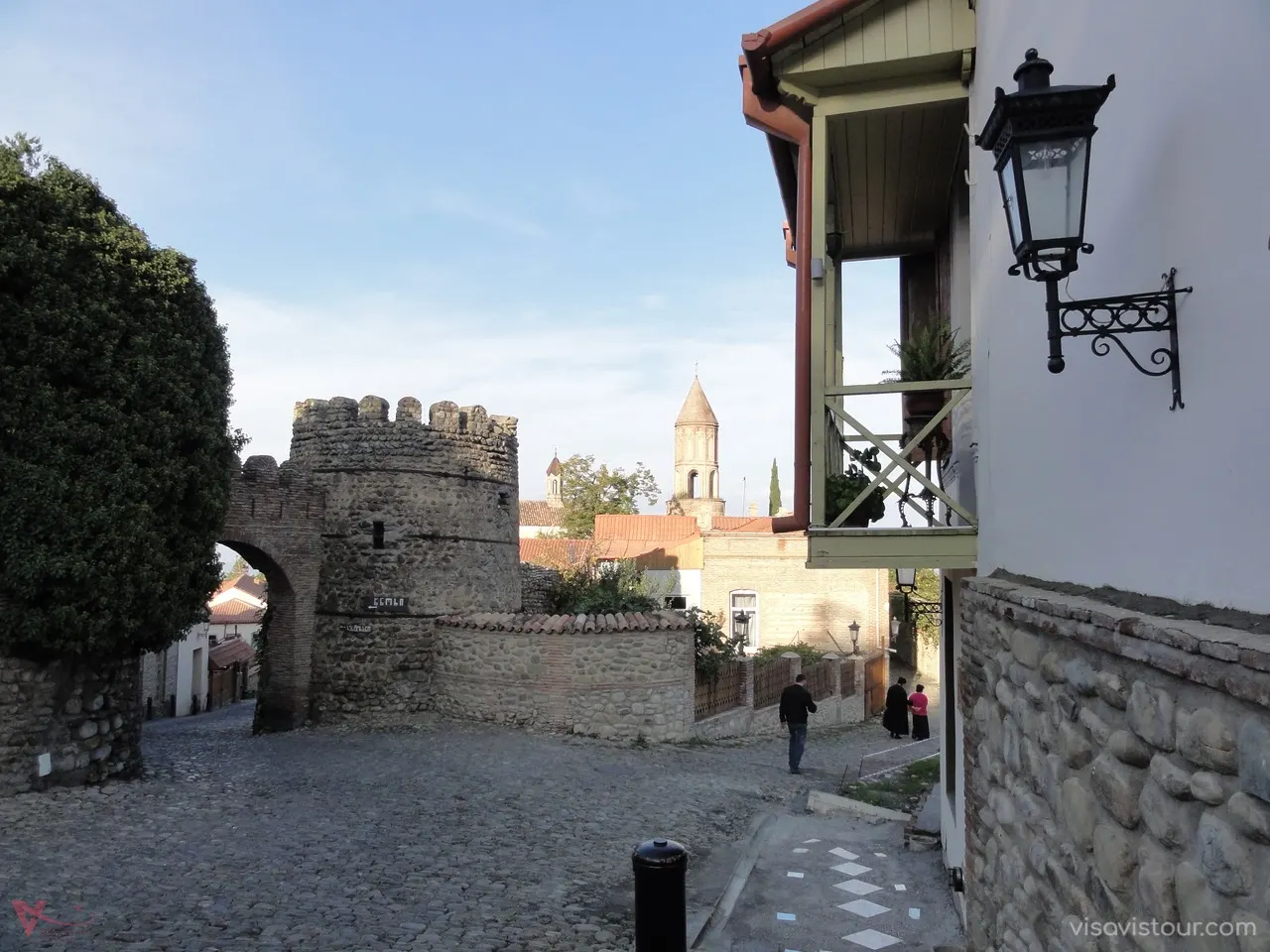
Wander through the cobblestone streets, lined with pastel-colored wooden balconies and traditional Georgian houses.
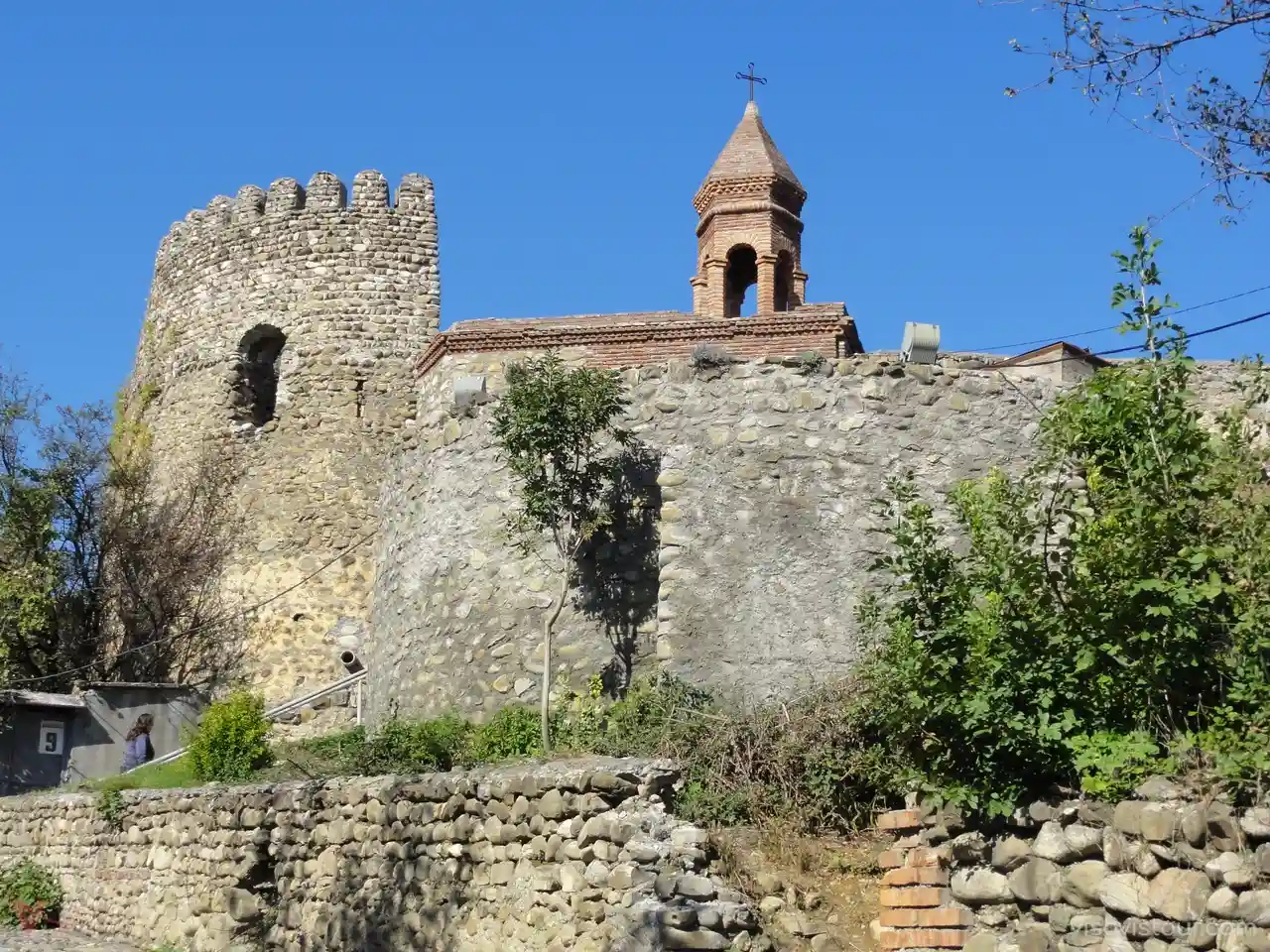
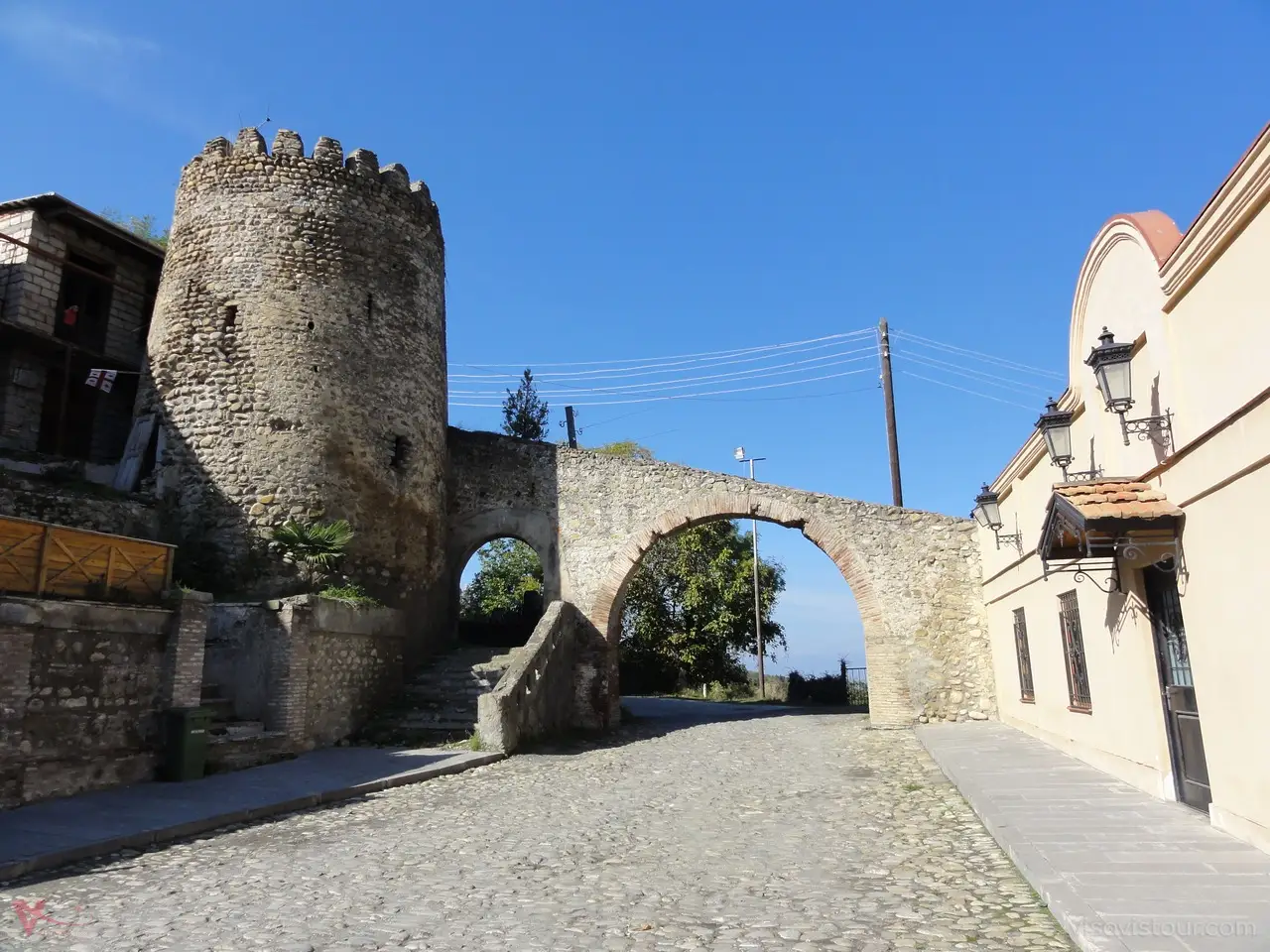
Explore the 18th-century fortifications and walk along Sighnaghi’s ancient city walls, which resemble a “mini Great Wall of China”.
Enjoy the town’s cozy cafes, artisan shops, and lively atmosphere—a perfect place for a romantic stroll.
Just a short drive from Sighnaghi, we visit the Bodbe Monastery, a Sacred Pilgrimage Site, one of Georgia’s holiest sites. Originally built in the 9th century, this Georgian Orthodox monastic complex holds great spiritual significance, as it is believed to be the burial place of St. Nino, the saint who brought Christianity to Georgia in the 4th century.
Stroll through peaceful gardens with breathtaking views of the Alazani Valley.
Visit the beautifully restored monastery, which continues to function as a nunnery today.
🍷 Wine Tasting
Return to Tbilisi
Overnight in Tbilisi.
Tbilisi- Jinvali reservoire - Fortress Ananuri- Kazbegi- Tbilisi
Explore Georgia’s Most Breathtaking Landscapes Along the Historic Georgian Military Road, a legendary route that winds through the heart of the Greater Caucasus Mountains.
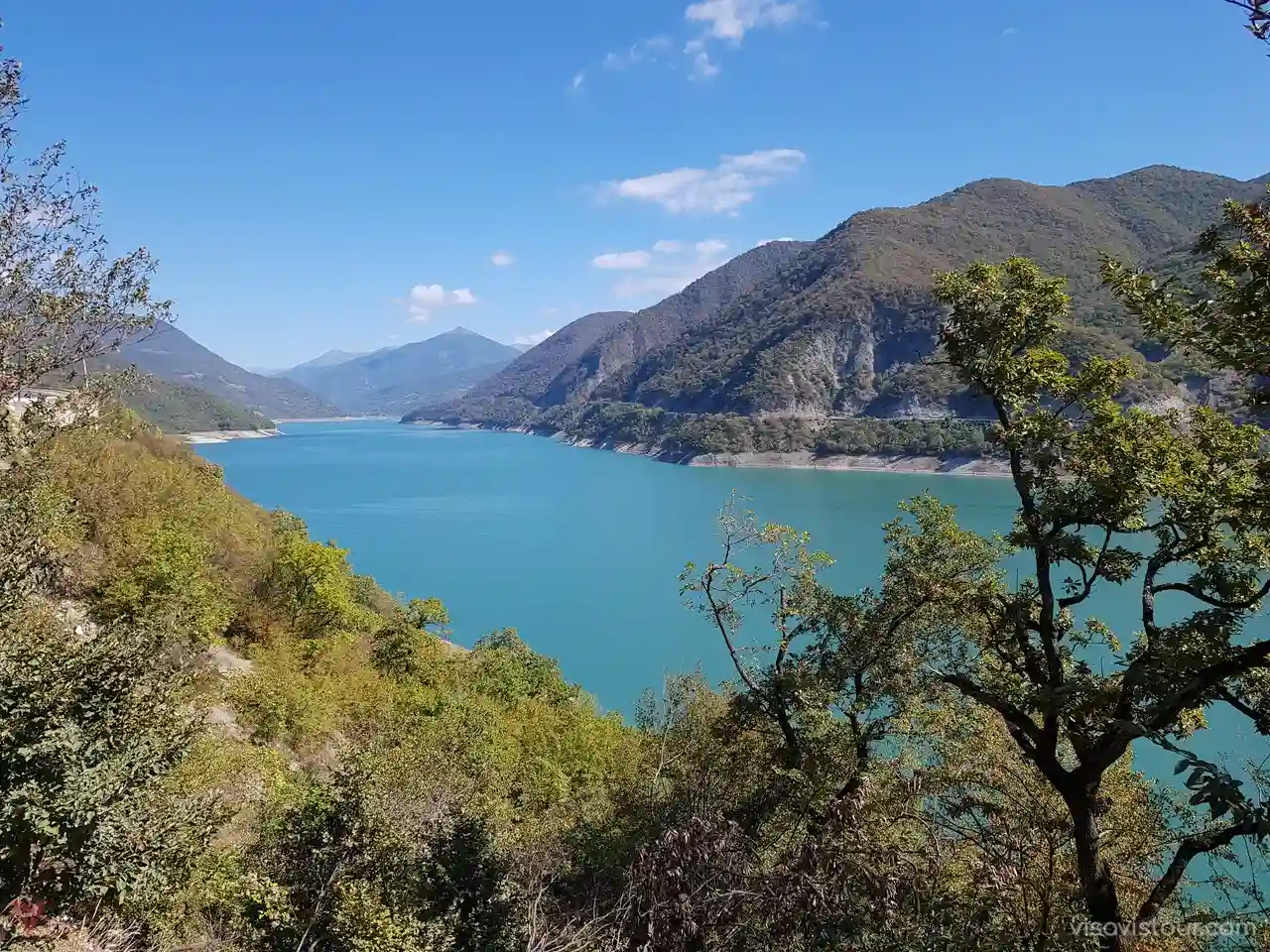
Next stop is the picturesque Jinvali Reservoir, a stunning тurquoise lake nestled among lush mountains. This man-made reservoir supplies water to Tbilisi and offers unforgettable panoramic views, making it a perfect spot for photography.
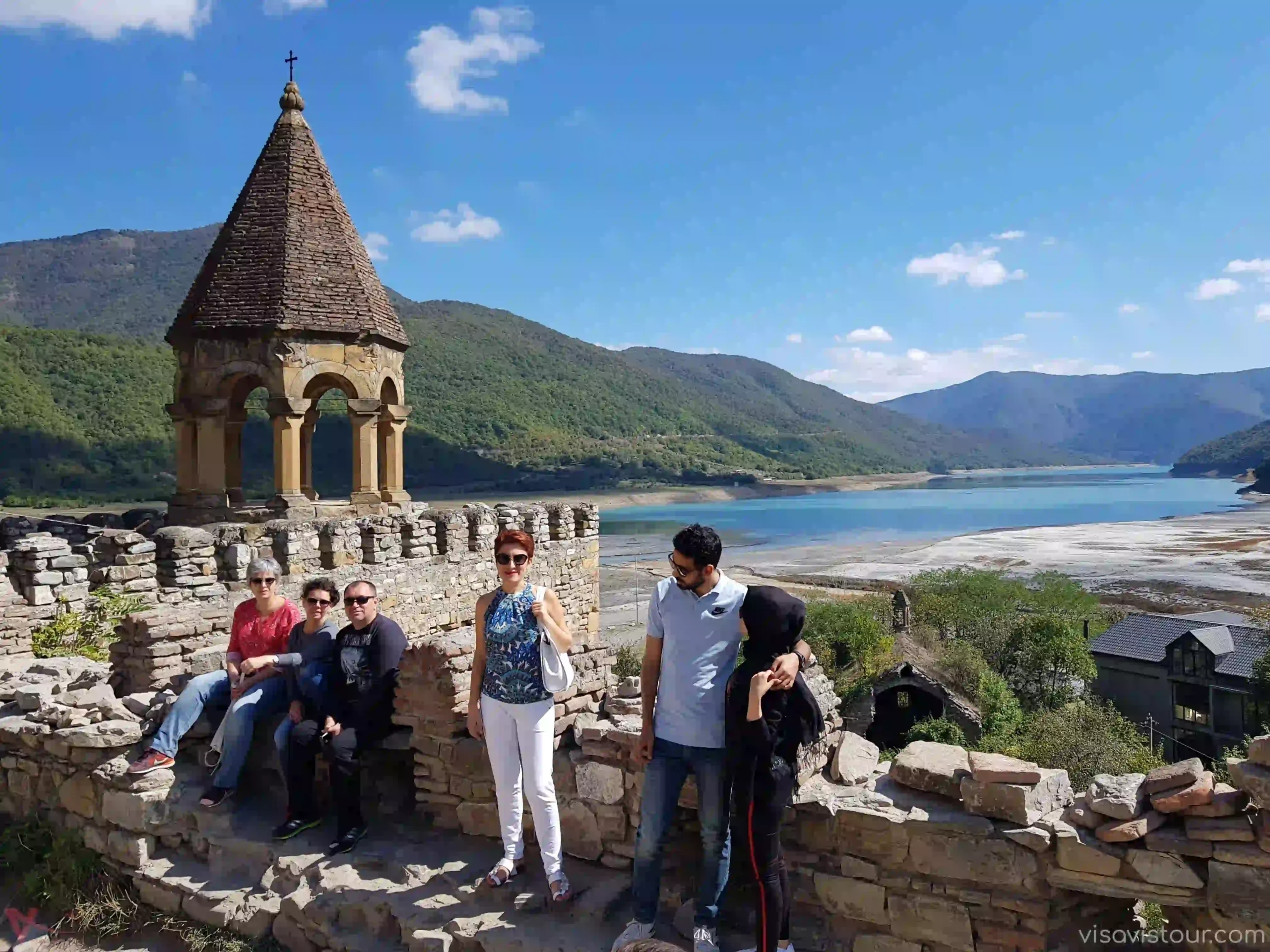
Next, visit the 17th-century Ananuri Fortress, a historical castle complex that once served as the residence of the Dukes of Aragvi. Surrounded by defensive walls and watchtowers, the complex includes beautifully preserved churches adorned with intricate stone carvings.
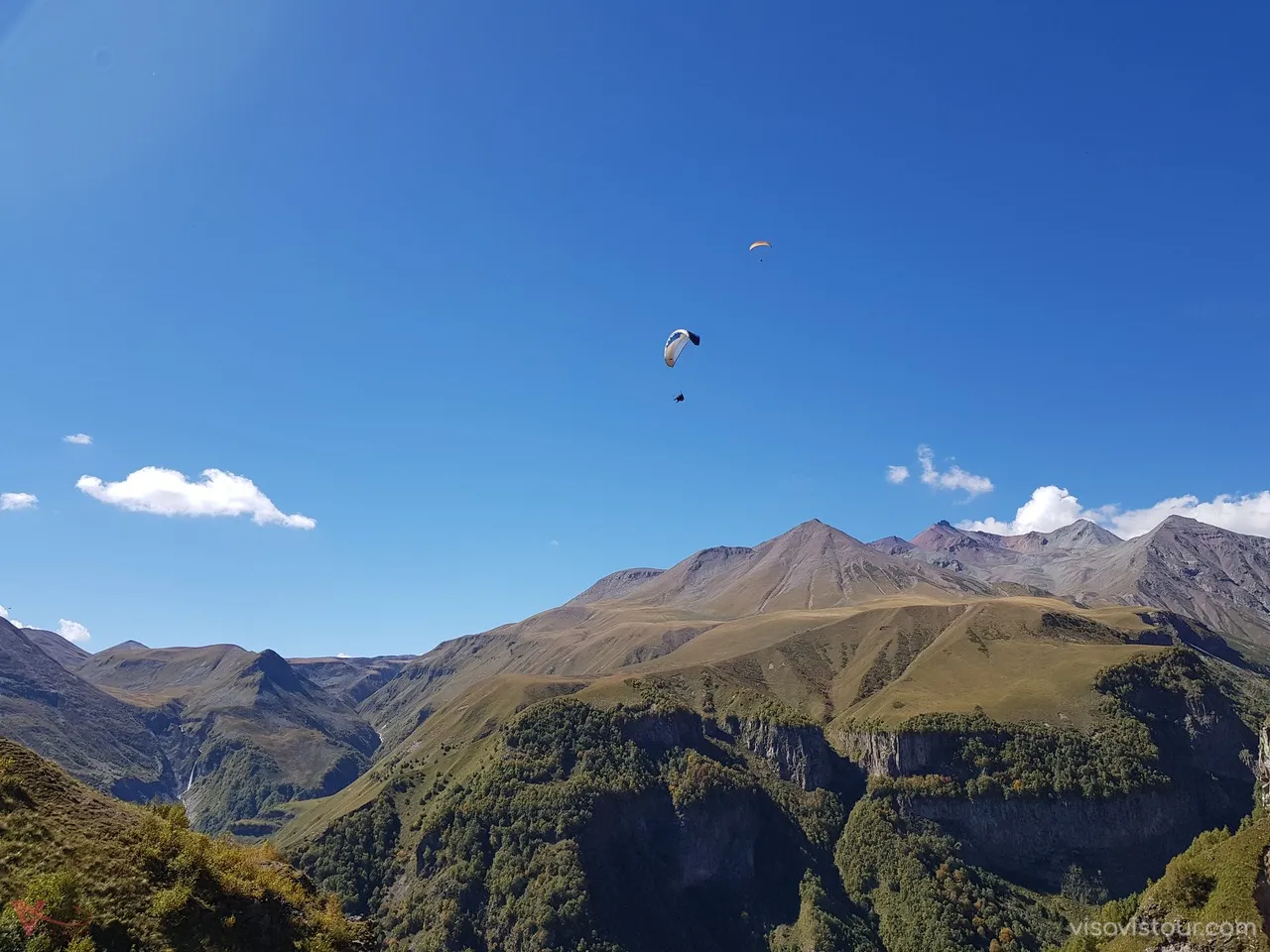
Continuing our journey, we reach Gudauri, a renowned ski resort situated at 2,000 meters above sea level. Located on the southern slopes of the Greater Caucasus, Gudauri is famous for its breathtaking mountain scenery and adventure sports. In summer, the green rolling hills and crisp alpine air provide an invigorating retreat from the city.
Driving further north, we cross the scenic Jvari Pass, reaching an altitude of 2,385 meters. The pass offers dramatic mountain views and is a key point along the ancient trade route connecting Georgia with Russia.
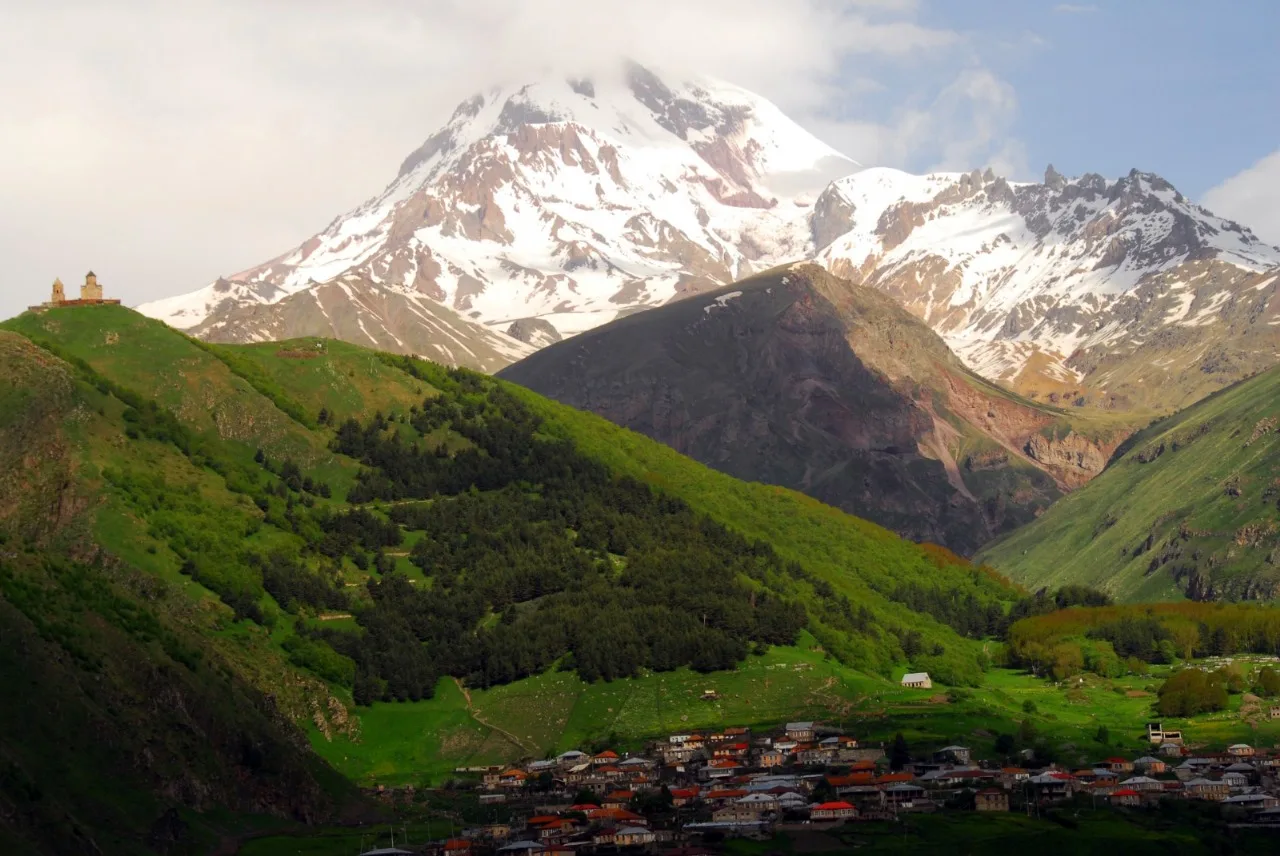
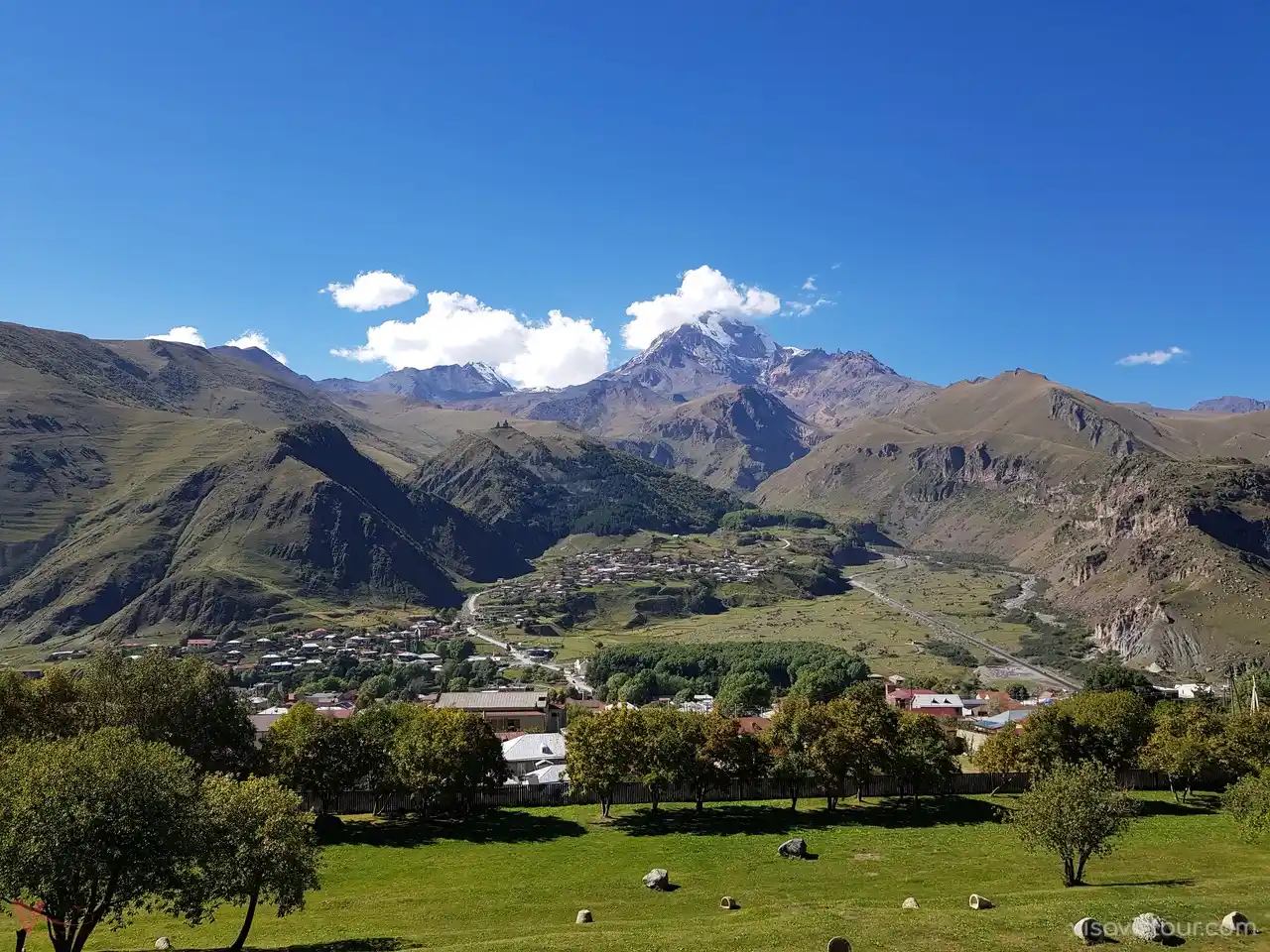
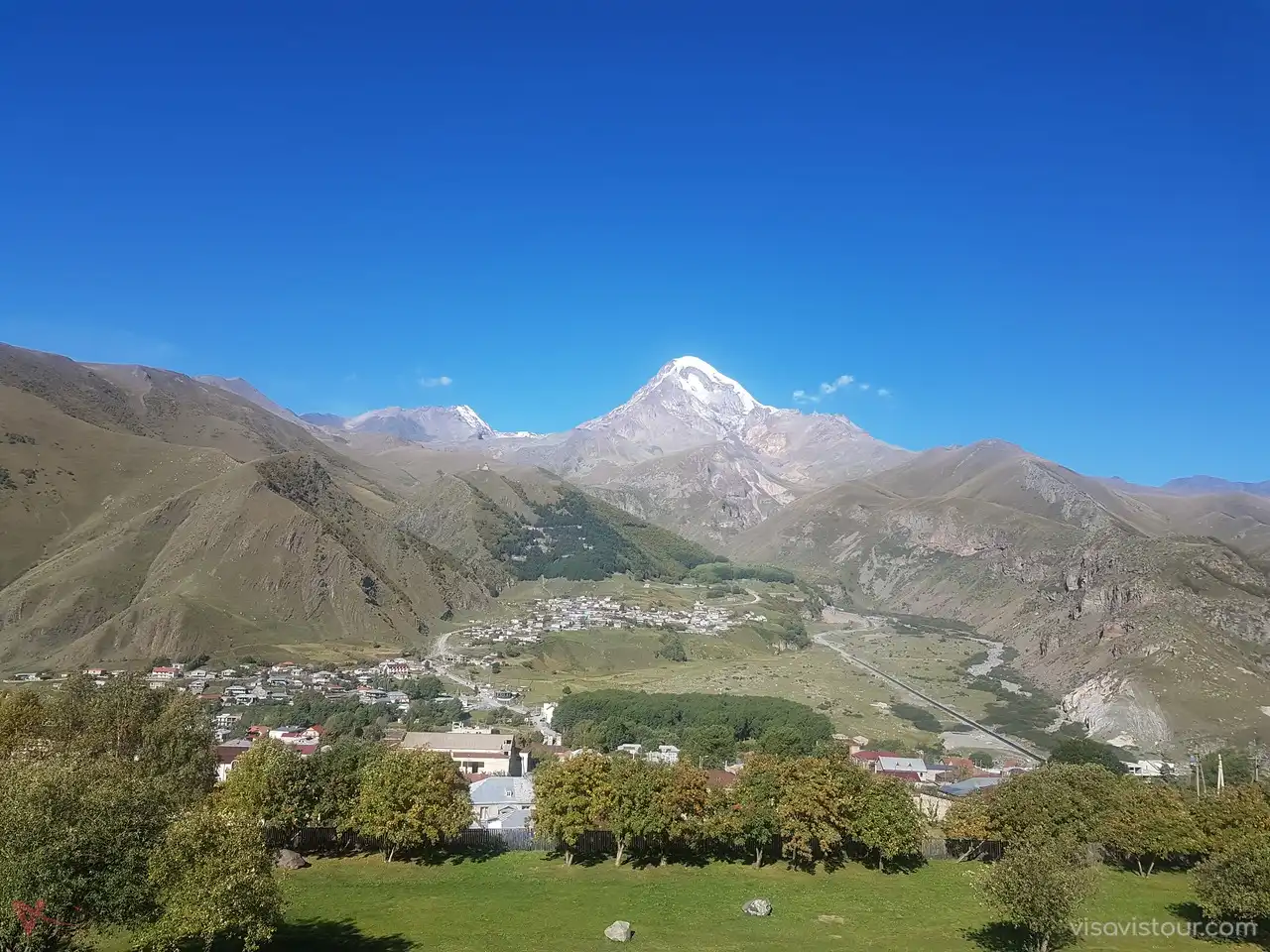
Arriving in Stepantsminda (Kazbegi), we find ourselves in one of the most stunning natural settings in Georgia. The small town is framed by the majestic Mount Kazbek (5,033 meters), one of the highest peaks in the Caucasus.
🚙 4X4 Jeep Adventure – To reach the Gergeti Holy Trinity Church, we take off-road 4X4 vehicles up a rugged mountain path. The breathtaking journey is an adventure in itself, leading us to one of the most famous and picturesque landmarks in Georgia.
Perched at an elevation of 2,170 meters, Gergeti Holy Trinity Church is an architectural masterpiece from the 14th century. Set against the stunning backdrop of Mount Kazbek, this remote monastery offers unparalleled views and a spiritual atmosphere. The combination of medieval stone architecture and dramatic mountain scenery creates a truly breathtaking experience.
Return to Tbilisi
O/n in Tbilisi.
Tbilisi - Mtskheta - Gori – Uplistsikhe cave town- Tbilisi
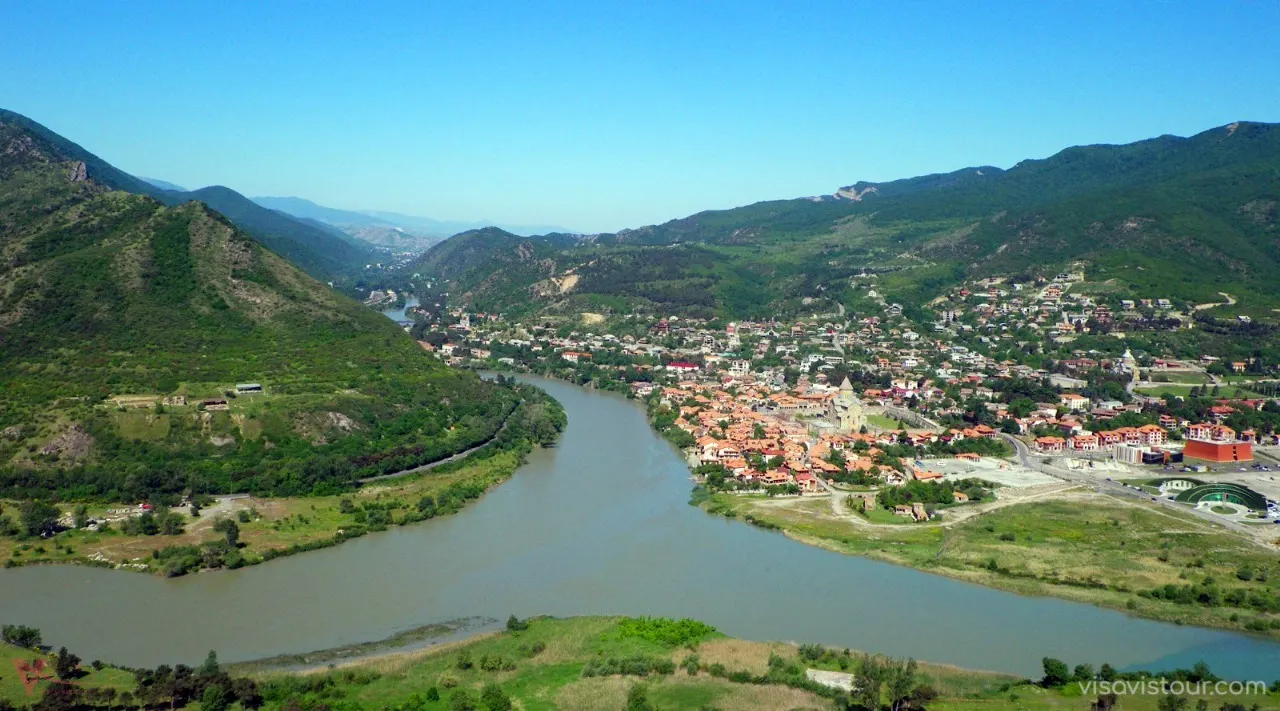
After breakfast head to Mtskheta. Located just 20 km from Tbilisi it is one of the oldest cities in Georgia and a UNESCO World Heritage Site. From the 3rd century BC to the 5th century AD, it was the capital of the early Georgian kingdom of Iberia and is still considered the spiritual center of the country.
Visit the Most Iconic Monuments of Georgia:
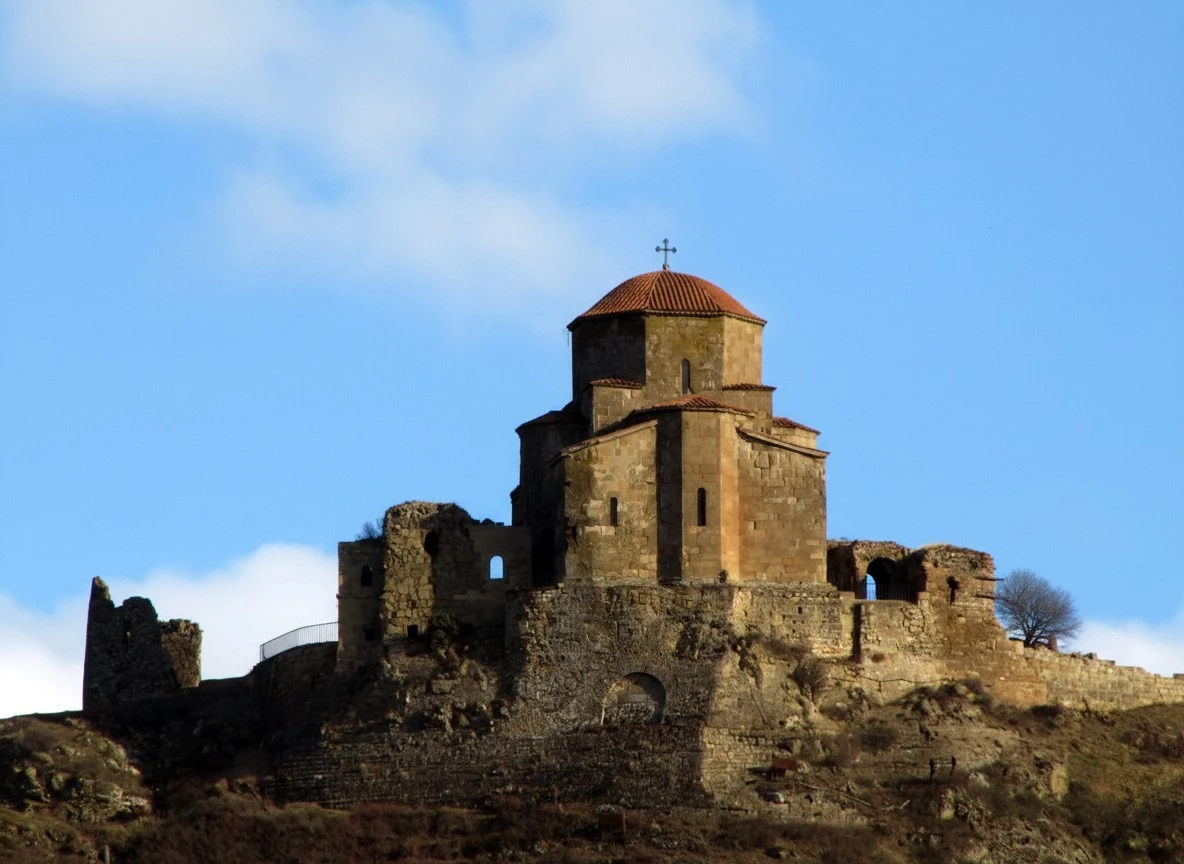
Jvari Monastery (6th Century) – This cliffside monastery offers one of Georgia’s most iconic views — where the Aragvi and Mtkvari rivers meet. According to legend, this is where St. Nino erected a wooden cross that sparked Georgia’s Christian conversion. The atmosphere here is serene and deeply symbolic.
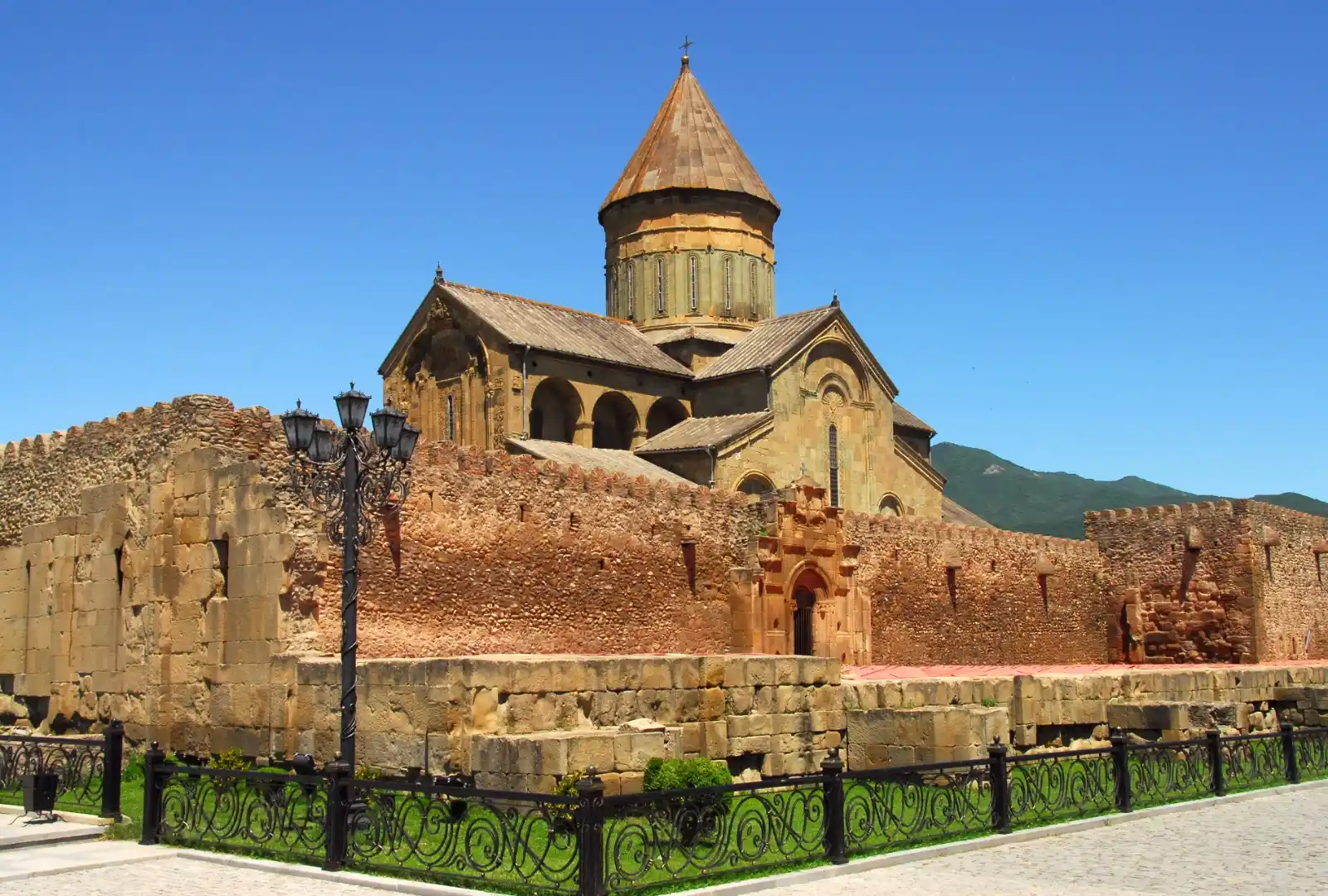
Svetitskhoveli Cathedral (11th Century) – Known as the “Pillar of Life,” this monumental cathedral is believed to be the burial place of Christ’s robe. With its high stone walls, beautifully preserved frescoes, and sacred status, it remains one of Georgia’s most revered Orthodox churches.
Afternoon drive west from Tbilisi to the town of Gori, birthplace of Soviet leader Joseph Stalin. Visit the Joseph Stalin State Museum, which includes his personal train carriage, preserved office, and a detailed exhibit of his life and rule.
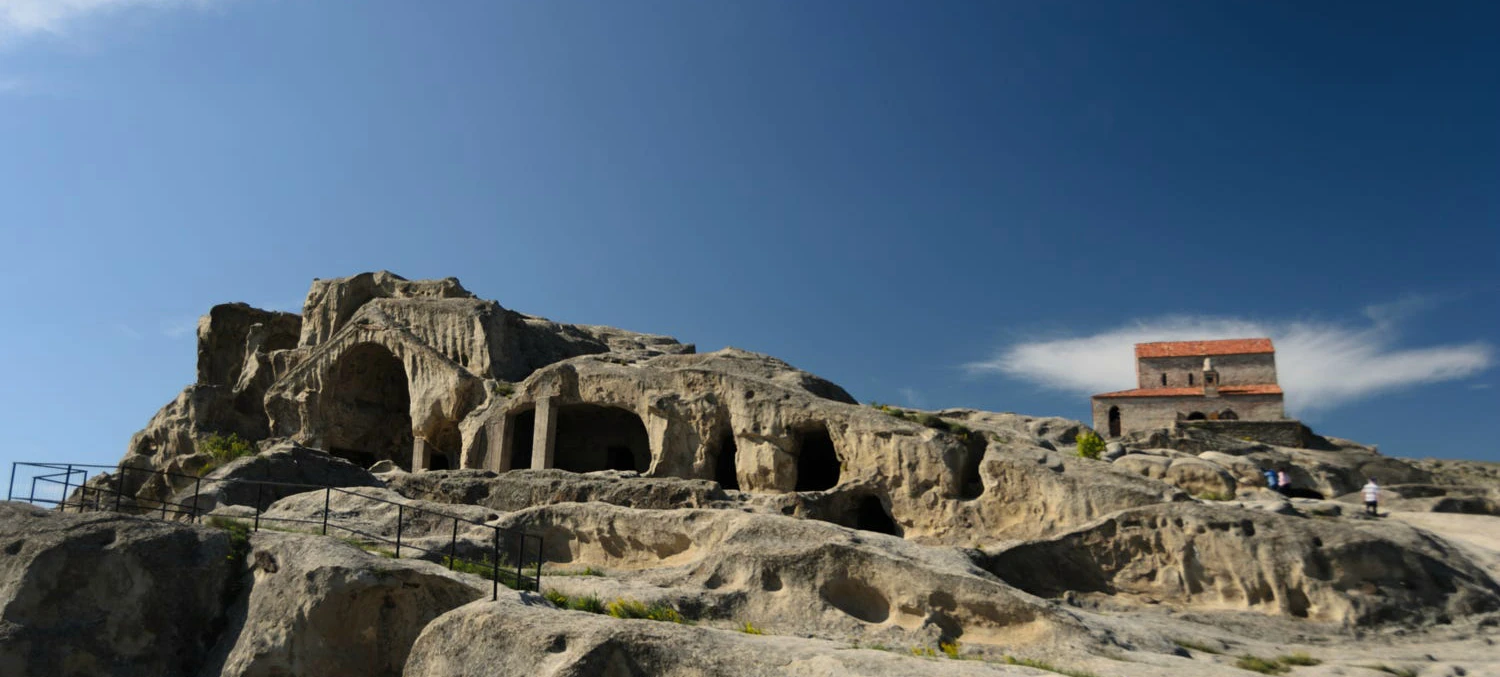
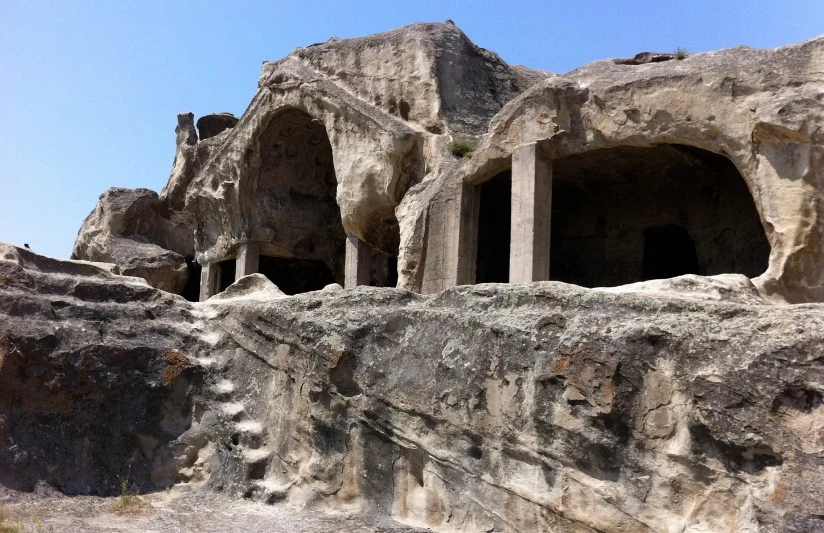
Continue to Uplistsikhe (meaning “The Lord’s Fortress”), one of the oldest urban settlements in Georgia. Carved into rocky cliffs above the Mtkvari River, this ancient cave city dates back to the early Iron Age. Its tunnels, chambers, wine cellars, and churches reflect a fusion of pagan and Christian cultures, influenced by Anatolian and Persian styles.
Overnight in Tbilisi.
Transfer to the airport. Departure
Tour Package Prices Per Person in Double Room (USD)