


Akhtala Monastery

A Jewel of Medieval Armenian Heritage
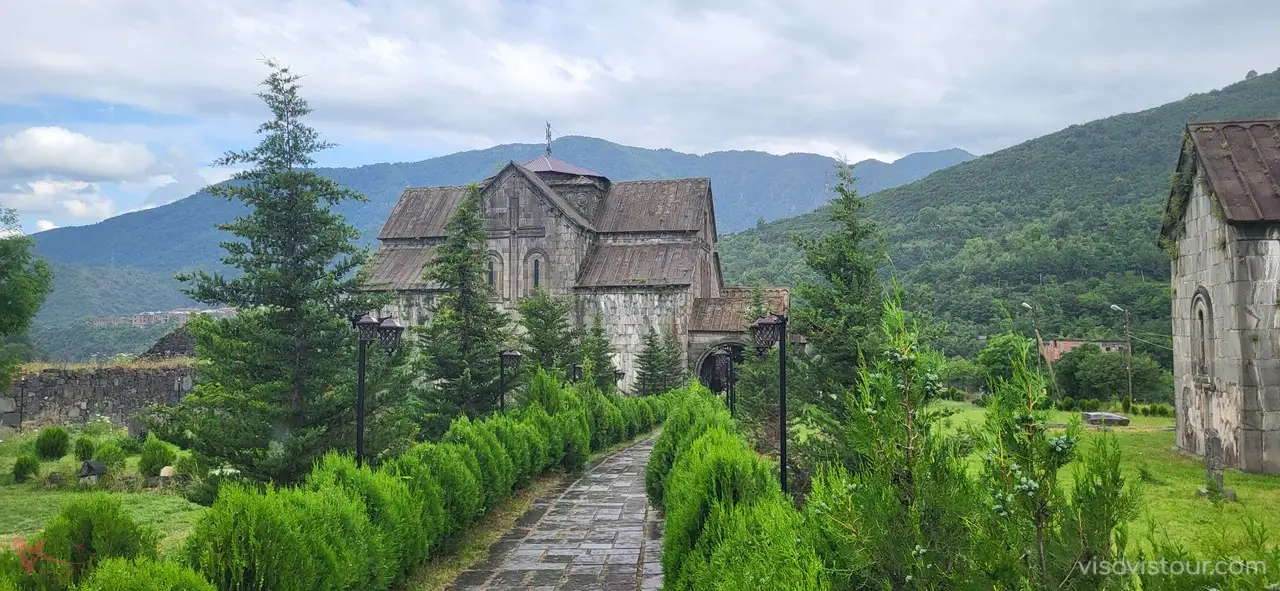
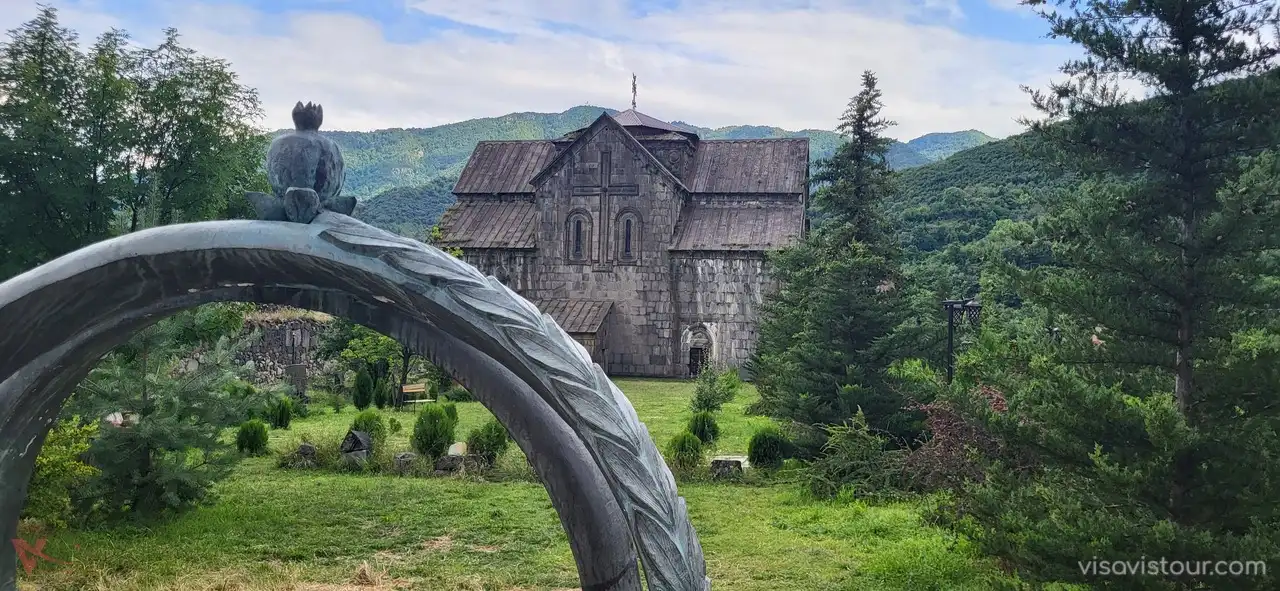
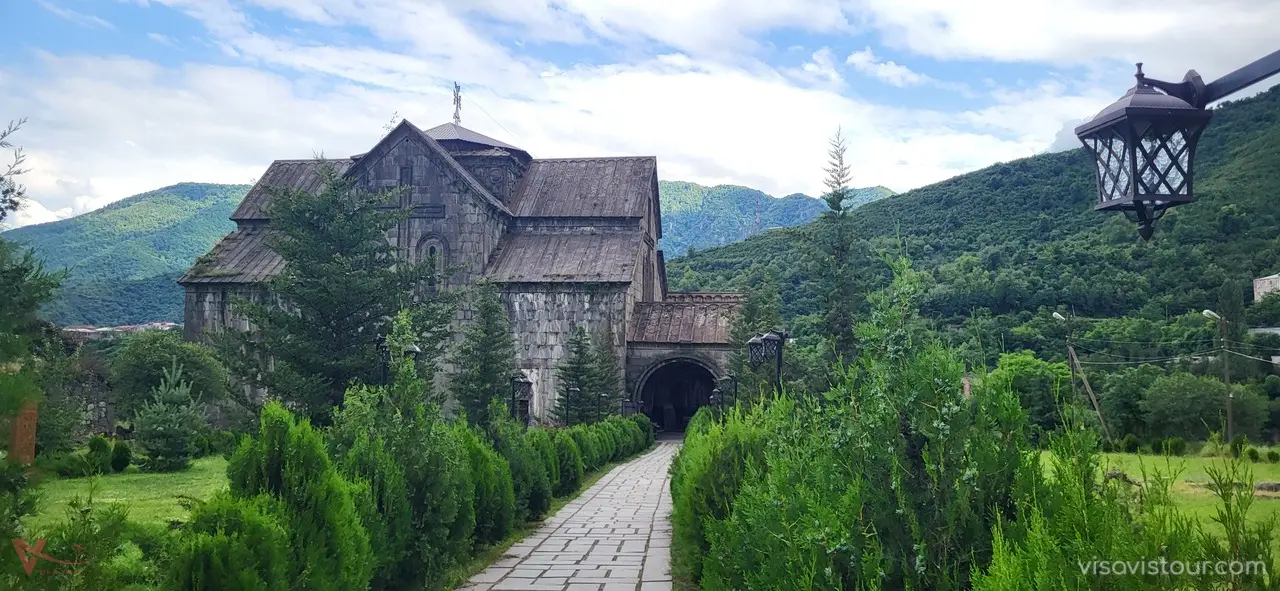
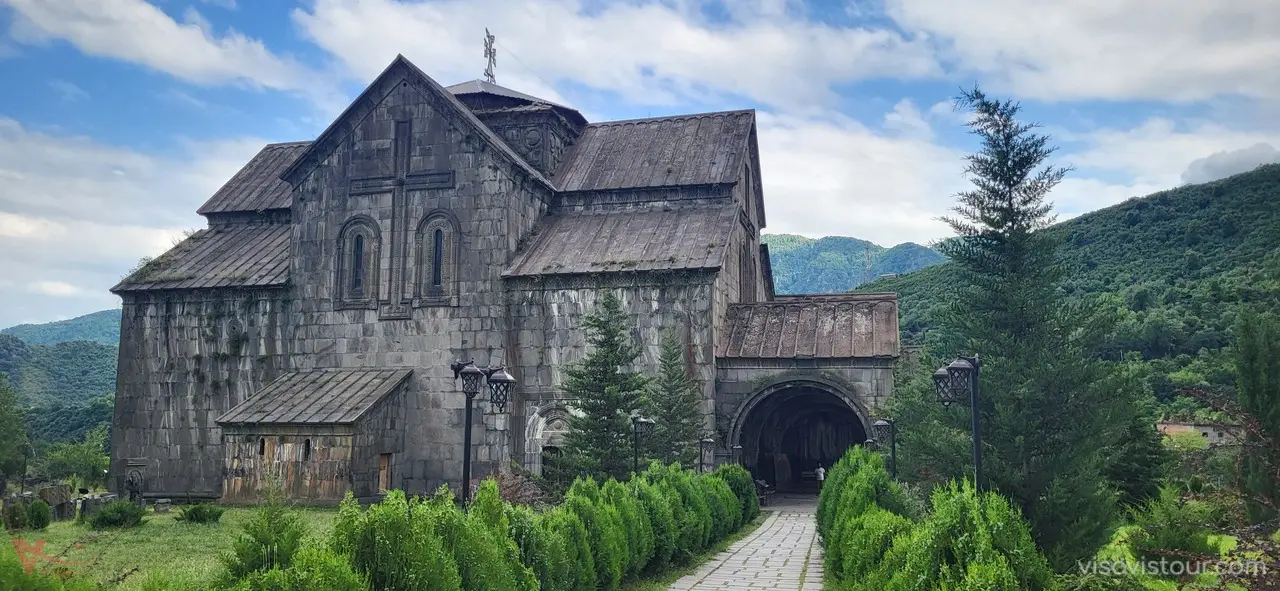
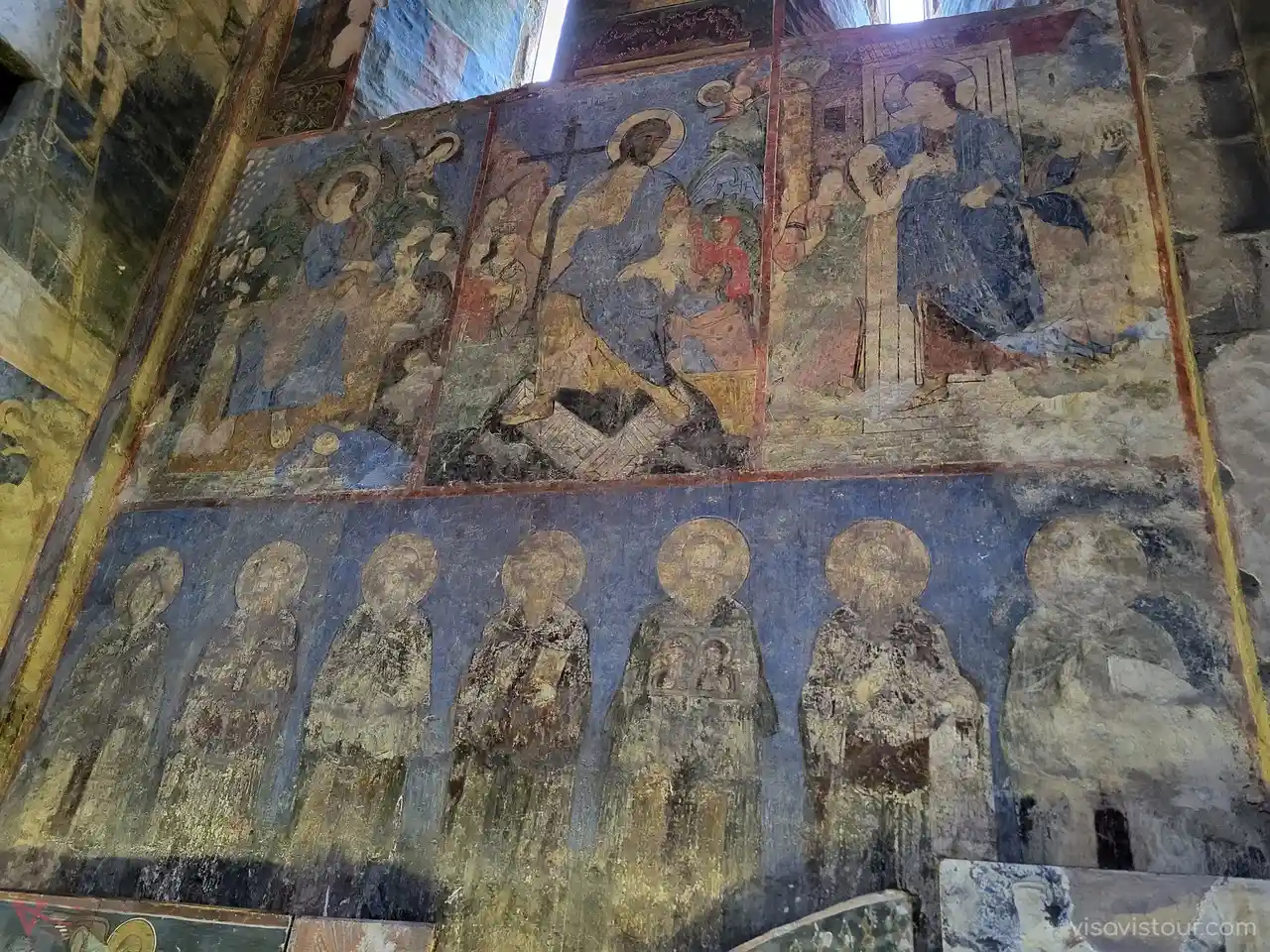
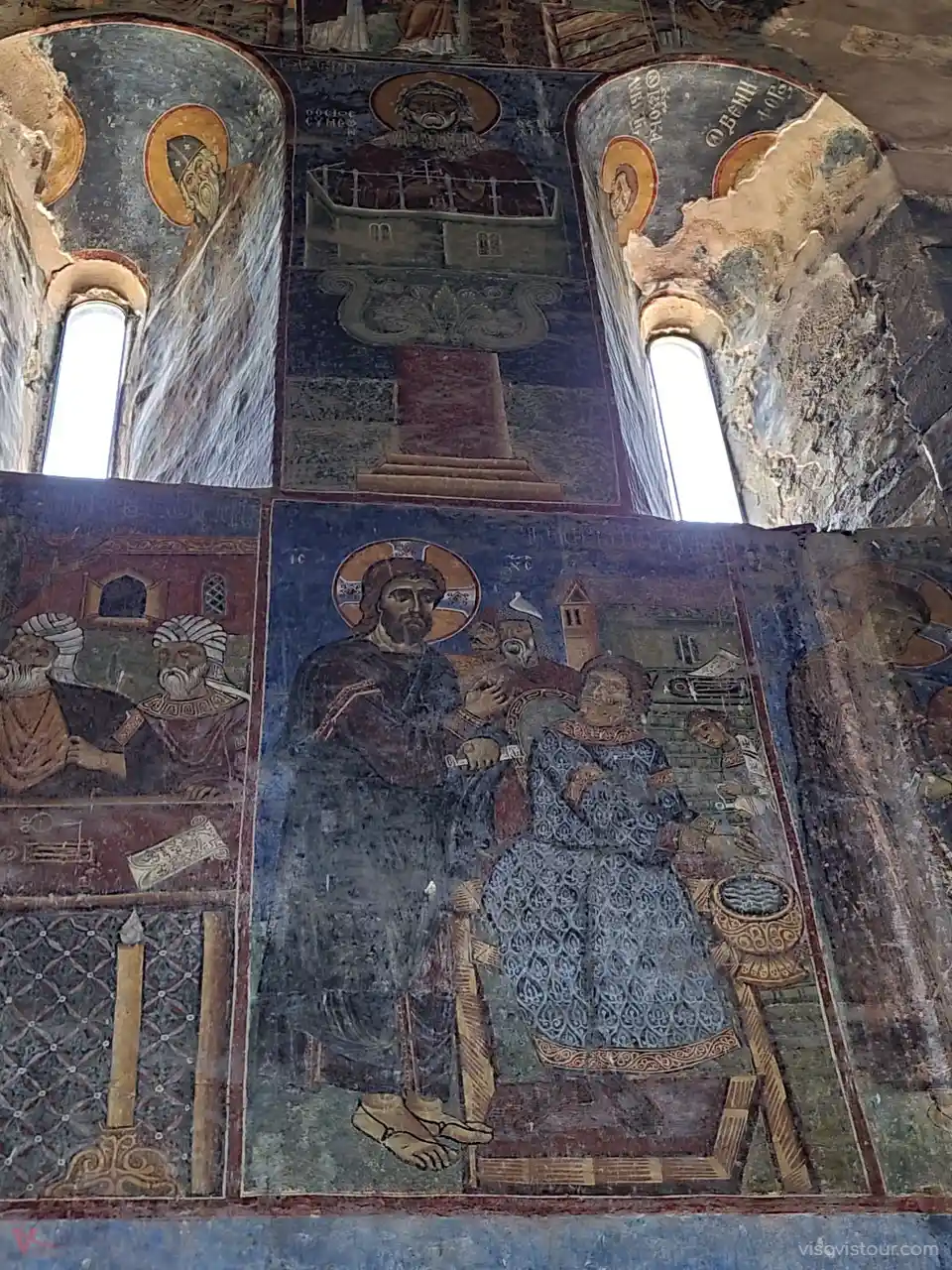
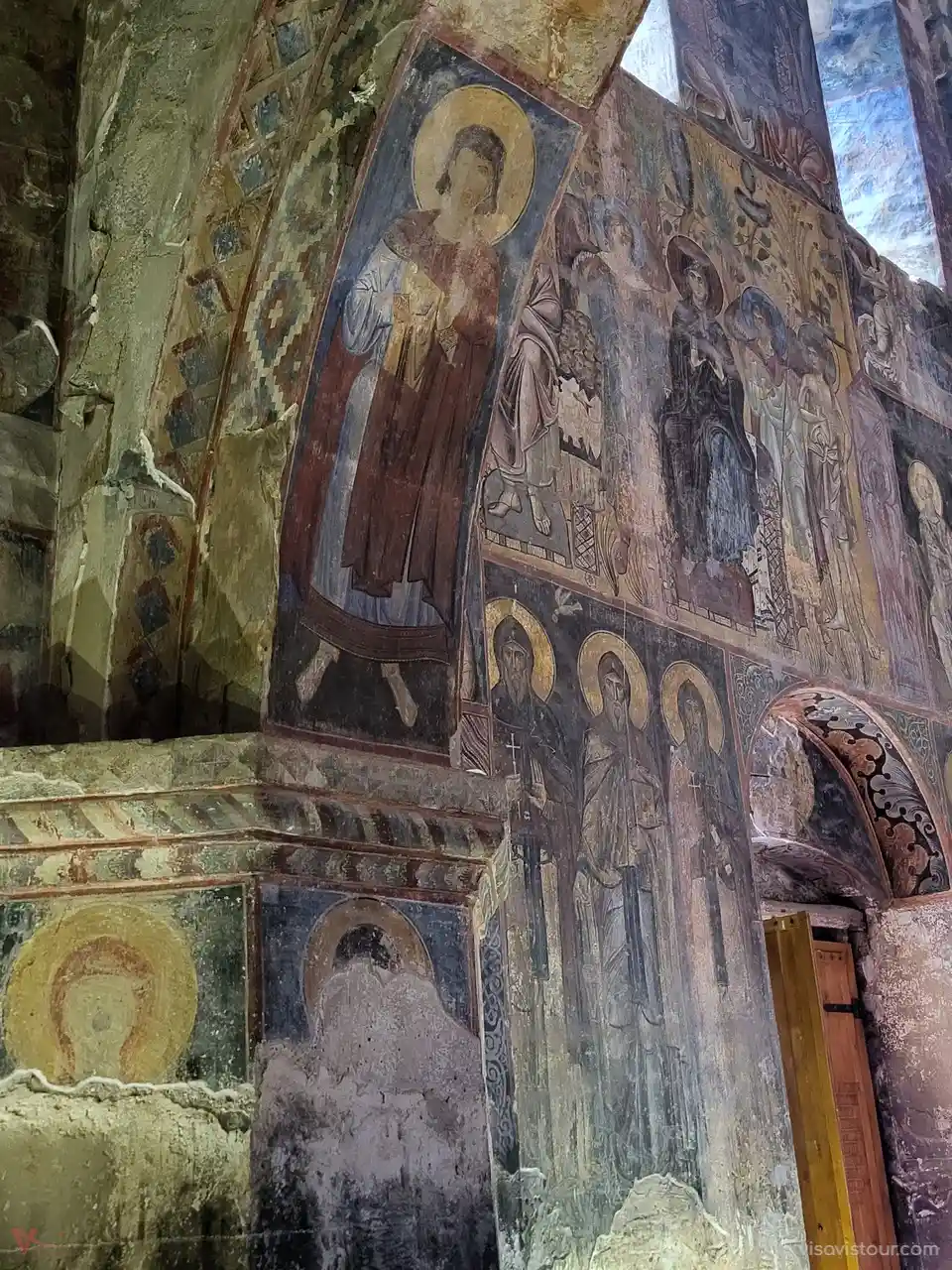
Nestled in the scenic landscapes along the Debed River, Akhtala Monastery is an exceptional monument of Armenian medieval culture. Constructed in the 13th century, Akhtala is especially renowned for its remarkably well-preserved frescoes that adorn the interior walls—unique, vibrant paintings that portray scenes from both the Old and New Testaments. These frescoes, influenced by Byzantine artistry, make Akhtala an invaluable cultural landmark.
The village of Akhtala, located on the river’s left bank, is steeped in history and is surrounded by archaeological sites. Notably, in 1888, the famed archaeologist J. Morgan uncovered a tomb near Akhtala dating back to the 8th-7th centuries BC, adding to the village’s historical significance. During the reign of the Armenian Kyurikyan dynasty, the village became strategically important, with a fortress constructed here in the 10th century. Inside this fortress lies the Akhtala Monastery complex.
The main church, St. Astvadzatsin (Holy Mother of God), was commissioned by Ivaneh Zakarian, the esteemed commander of the Armenian-Georgian state, in the early 13th century. Within its walls, the frescoes showcase a unique blend of artistic styles: while the more recent frescoes reflect 13th-century Byzantine influences, earlier ones, dating back to the 11th century, resemble the intricate miniature paintings found in the Mughni Gospel manuscripts. Nearby, other historic churches from the 13th century, including St. Trinity, St. George, and the Twin Churches, offer additional insights into the region’s spiritual and architectural heritage.