



Armenia and Iran: Cradle of Cultures
Regional Tours
12 days 11 nights
availability
Full Year
Embark on a breathtaking 12-day journey through two of the world’s oldest civilizations. From Armenia’s sacred monasteries, sunlit canyons, and ancient churches to Iran’s grand palaces, poetic gardens, and majestic mosques—this tour traces the Silk Road spirit across centuries of history, art, and faith. Discover UNESCO World Heritage sites, taste local wines, explore bustling bazaars, and stand before the ruins of Persepolis. A cultural odyssey through time—from Ararat to Isfahan.
Detailed Descriptions
Arrival in Yerevan – transfer to the selected hotel –check in
O/n in Yerevan
Yerevan - City Tour - Zvartnots Temple (UNESCO) – Etchmiatsin Cathedral (UNESCO) - St Hriprisme Church - St Gayane Church - Yerevan
Breakfast at the hotel.
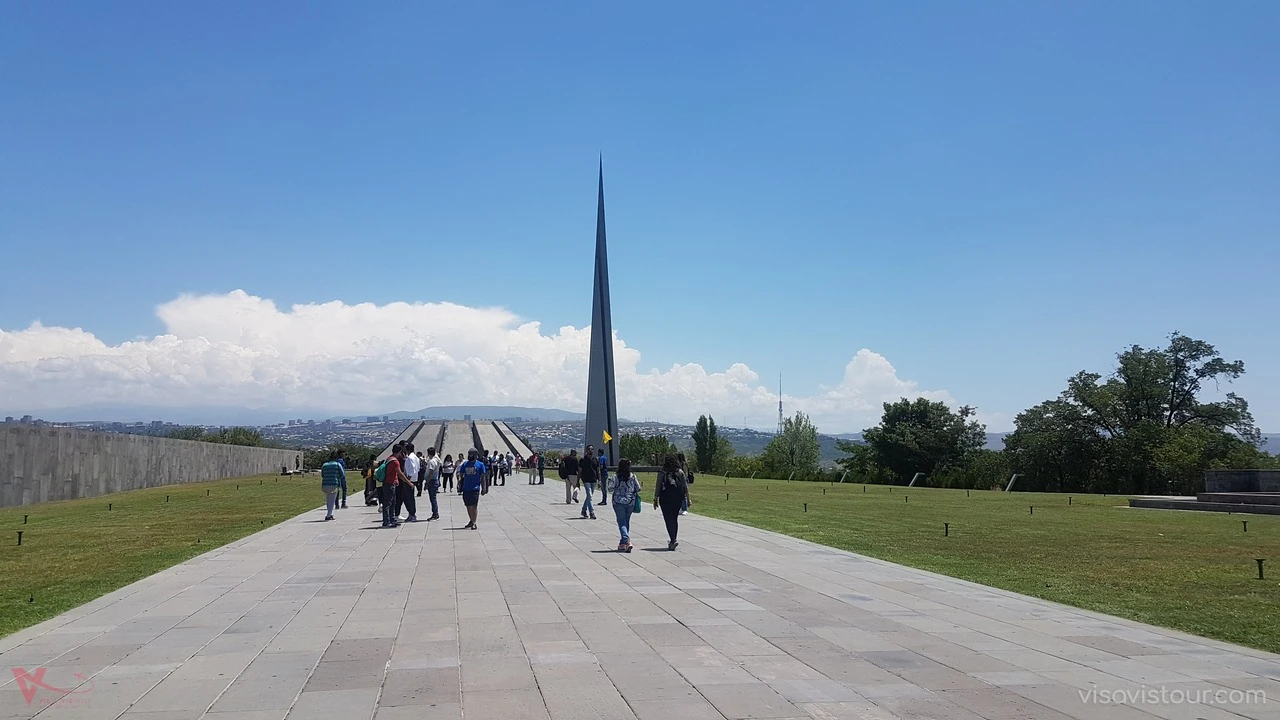
Discover Yerevan with a guided city tour, including City center, Republic Square, Northern Avenue, the Mother Armenia Monument, Parliament, President’s Palace, Opera House, Swan Lake and Genocide Memorial, dedicated to the Victims of 1915 and the Genocide Museum.
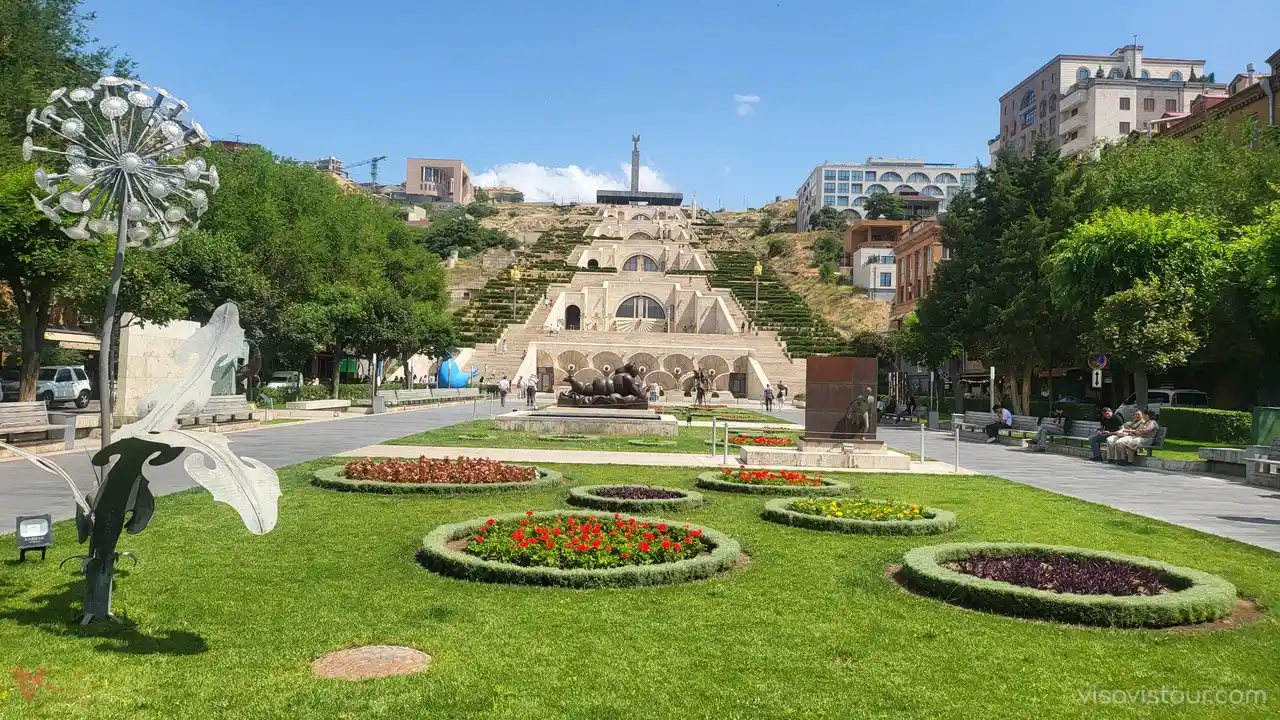
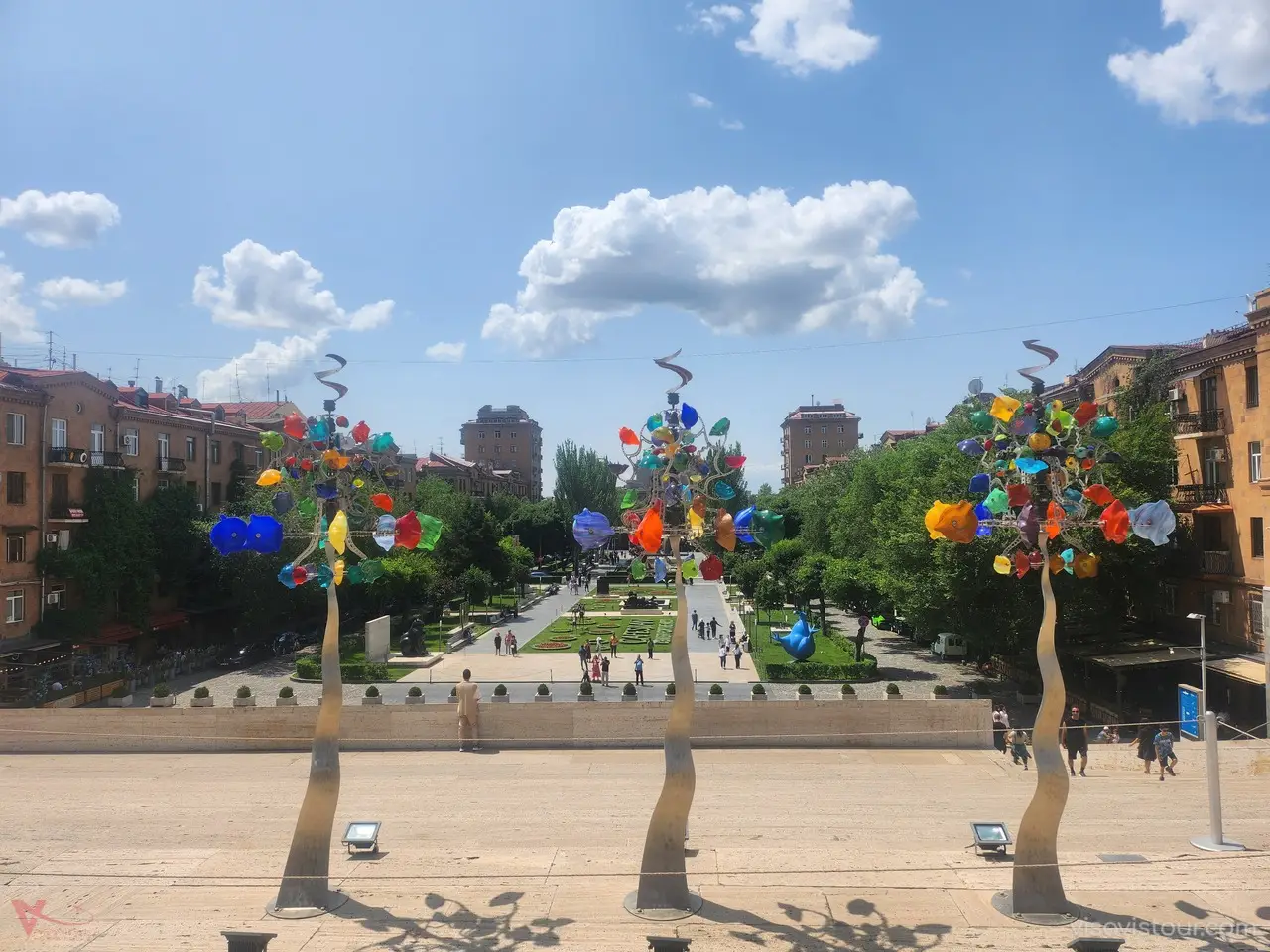
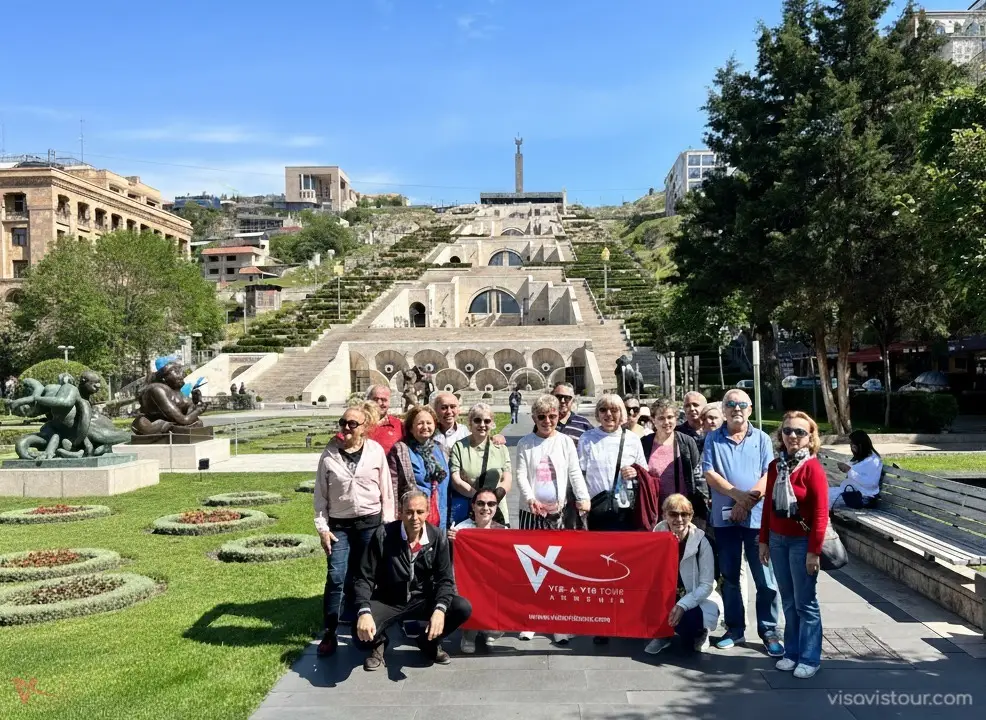
Explore Cascade Complex, the hub of contemporary art in Yerevan with art pieces displayed throughout the whole area: the boulevard and up the stairs. From top of Cascade the marvelous panoramic view on the city and Mountain Ararat is open. Cascade is home to Cafesjian modern art museum. This place becomes even more charming in the evenings, when it is full of people, both locals and tourists from all over the world, enjoying the magic and the warmth of the capital. It is also a popular place for open air concerts at summer season.
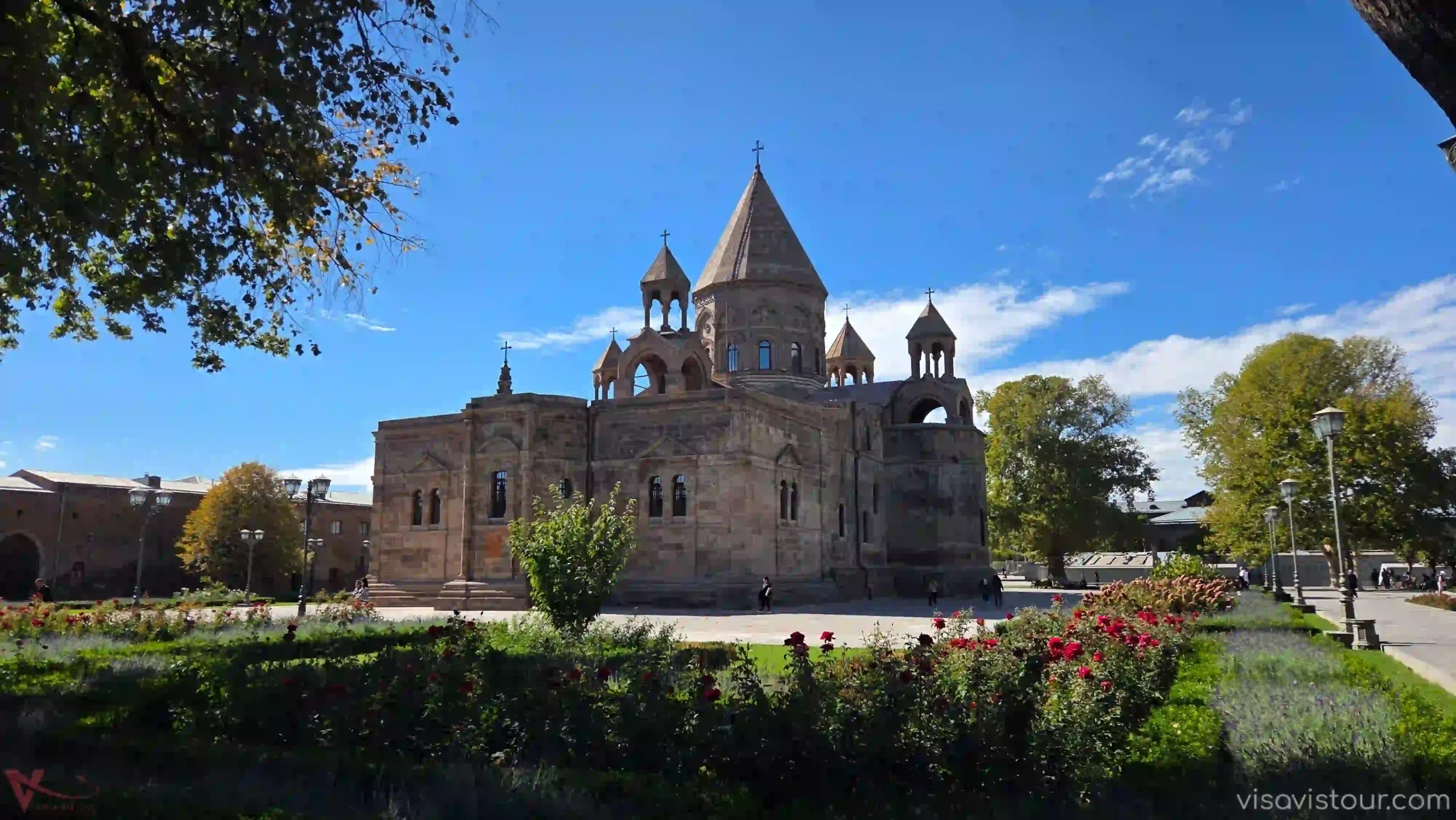
Then drive to Etchmiatsin town, the ancient capital of Armenia and the spiritual center of the Armenian Apostolic Church. Visit the Etchmiadsin Cathedral, a UNESCO World Heritage site, founded in 301 A.D by St. Gregory the Illuminator and thus being one of the ancient churches in the Christian world. Later it was rebuilt and currently it stands as a complex including the Cathedral, Spiritual Academy, residency of the Catholicos of all Armenians, Synod of Armenian Church and a library. The museum of the Cathedral has collection of religious artifacts about Holy Mass, subjects made of gold, silver, precious stones, decorations, colossal silver boiler for making the myrrh and legendary Holy spear.
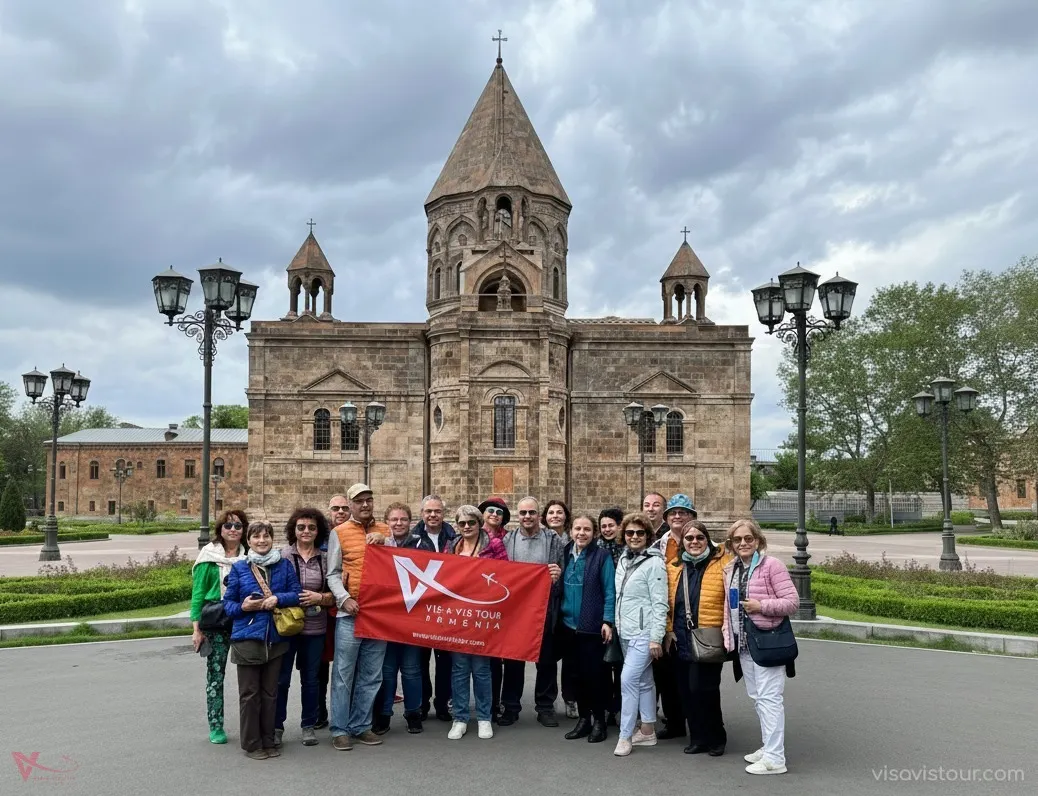
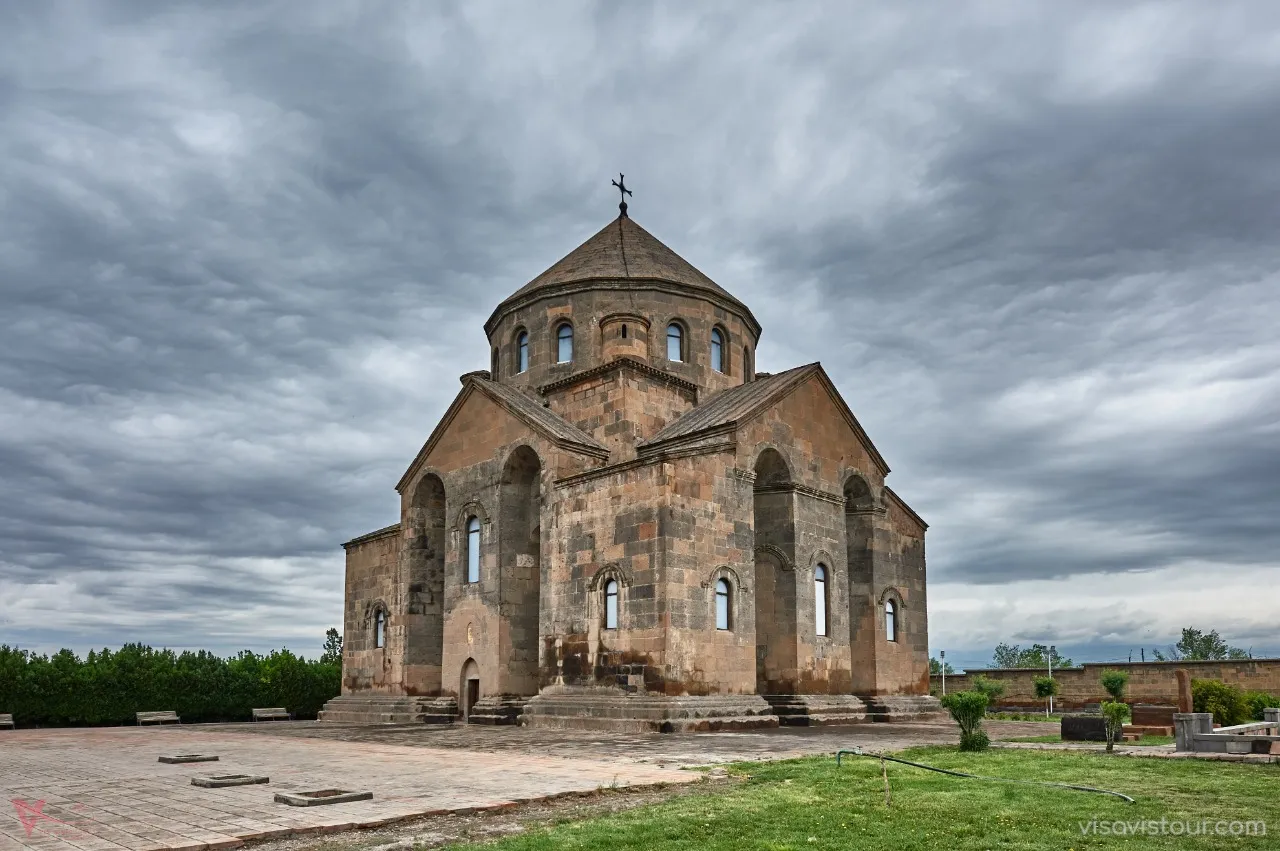
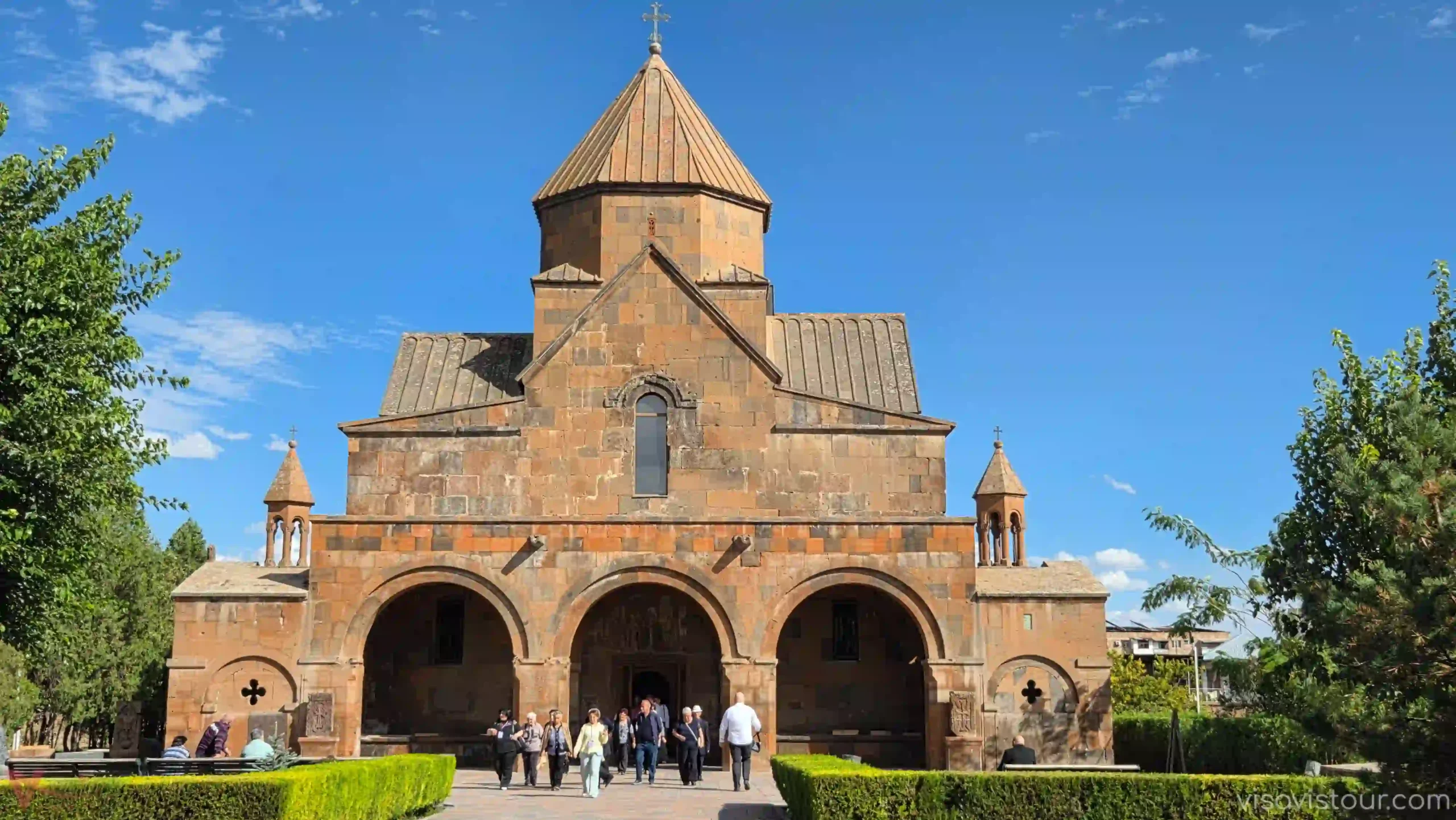
Next visits to churches St Hripsime and St Gayane, both included in UNESCO World Heritage List.
St. Hripsime Church is one of the most significant churches in the Armenian Apostolic Church, founded in 618 by Catholicos Komitas. It is devoted to St Hripsime, who escape from persecution by the Roman Emperor Diocletian, and sought refuge in Armenia. Despite being a beautiful and devoted follower of Christ, she bravely refused to marry the pagan King Tirdat III when commanded. Choosing martyrdom over compromise, she was killed, and a small chapel was erected over the site of her death.
Built in 630 AD by Catholicos Ezra I, St Gayane church dedicated to Saint Gayane, a Christian martyr who played a crucial role in Armenia’s conversion to Christianity. Saint Gayane’s story of faith and sacrifice adds profound historical and spiritual value to the site. For centuries, it has been a place of pilgrimage for Armenians and Christian visitors from around the world.
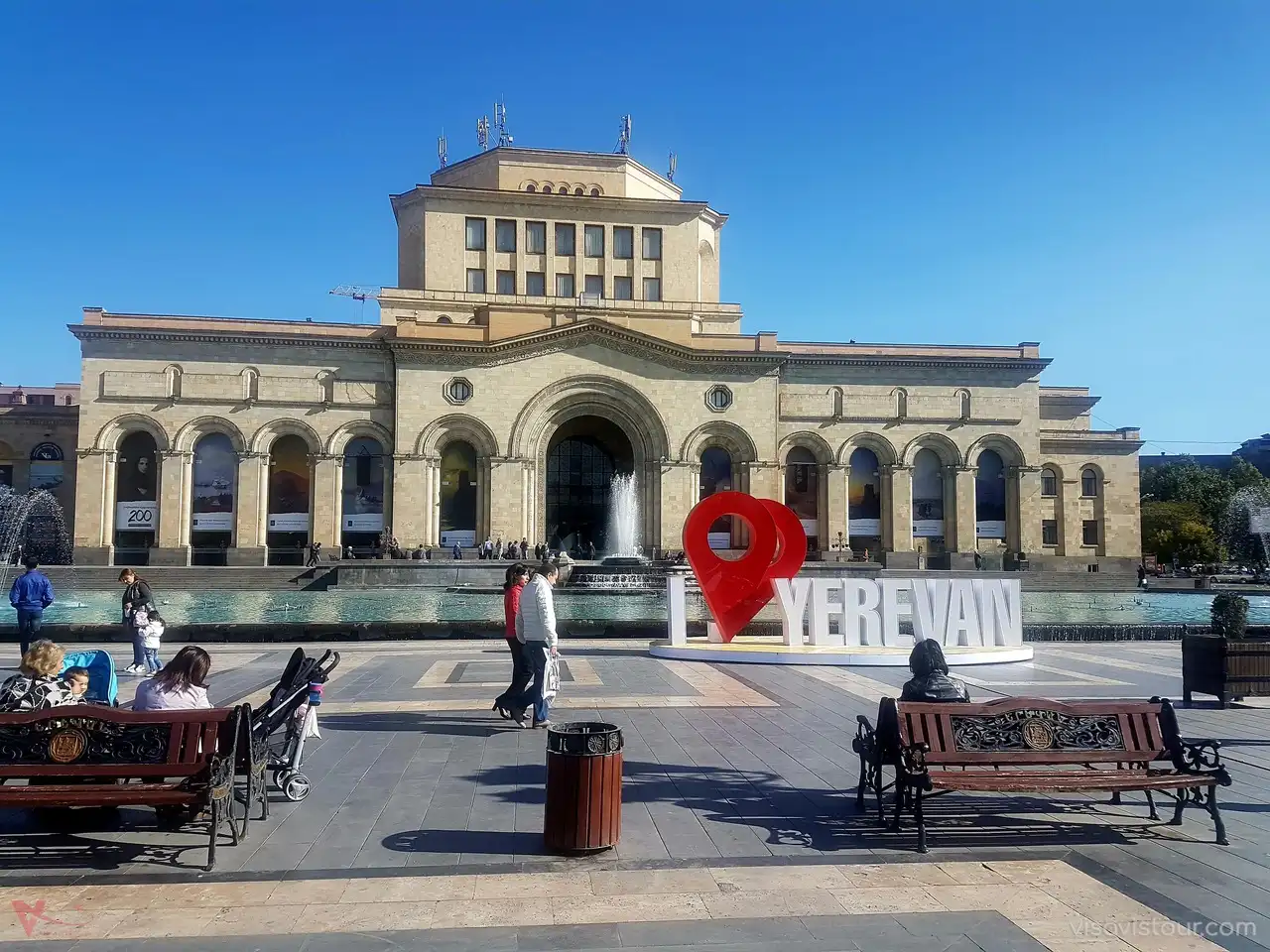
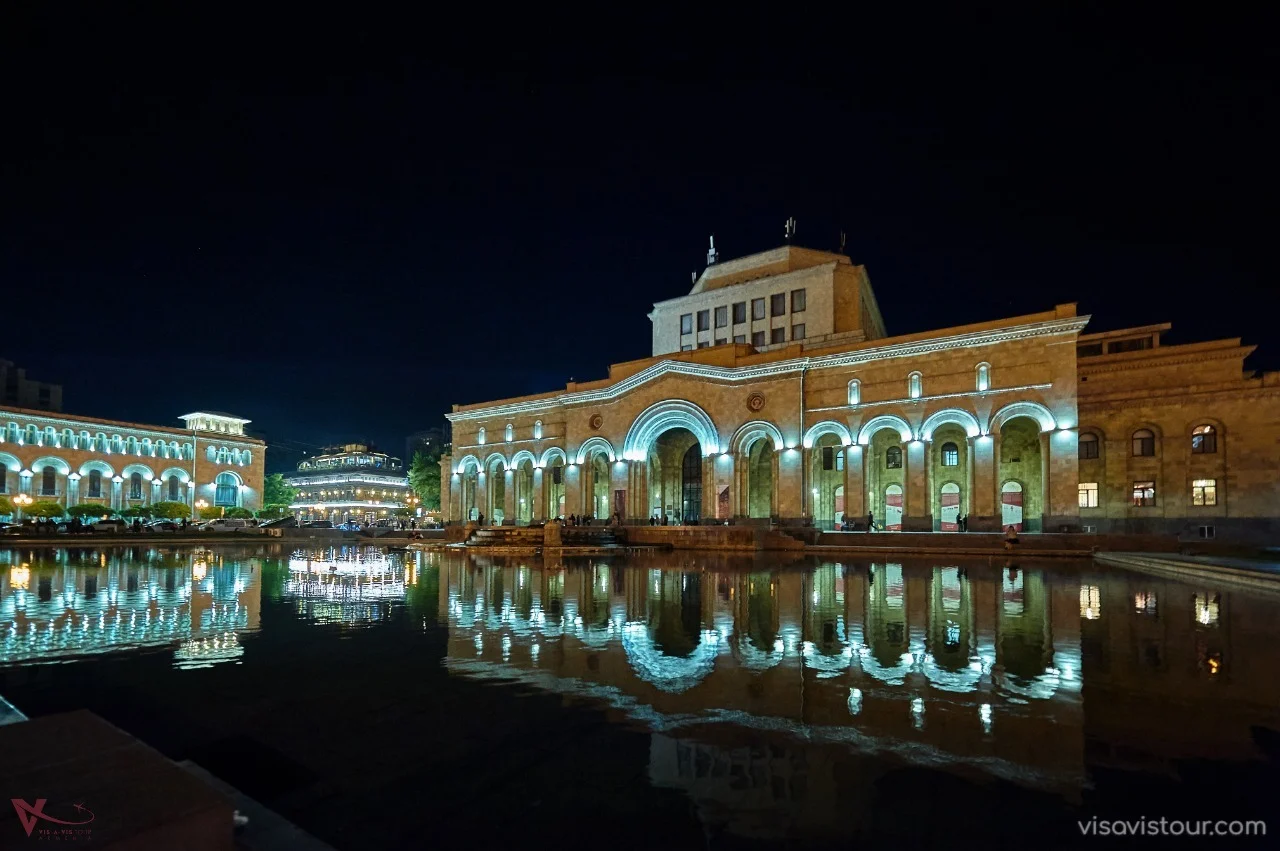
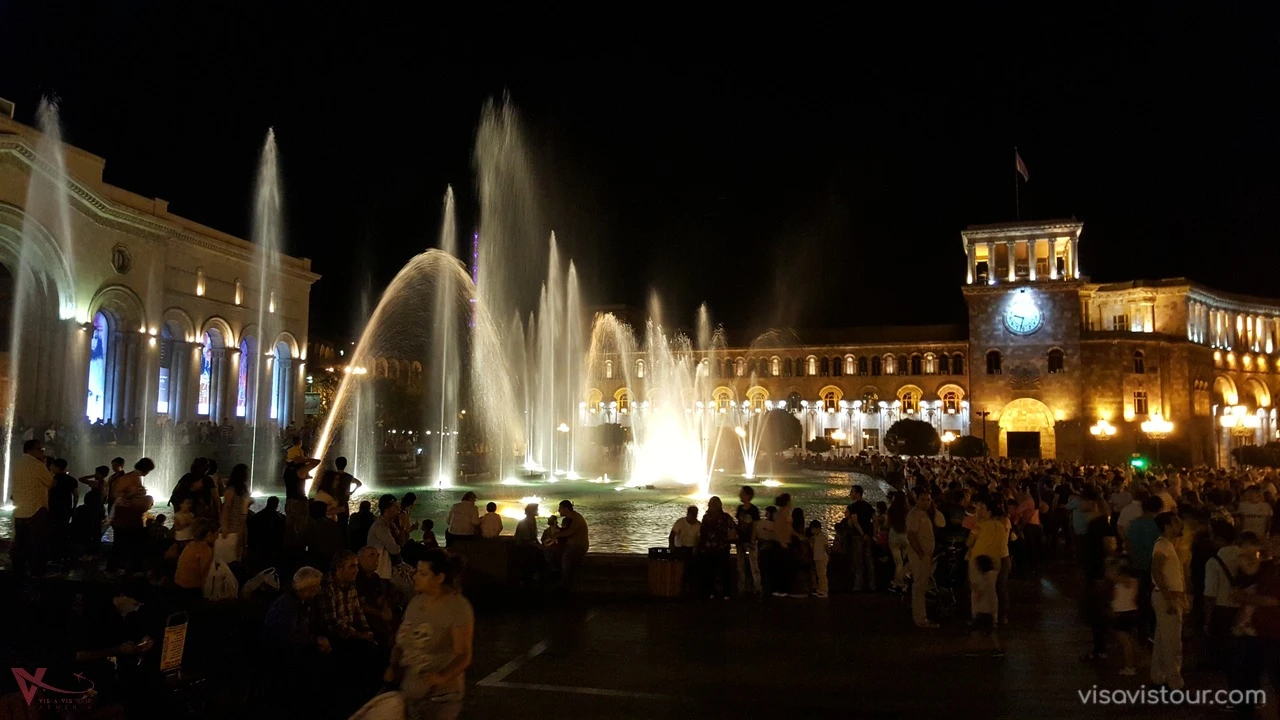
End your day at Republic Square—one of the most beautiful squares in the world—enjoying the mesmerizing performance of the singing fountains.
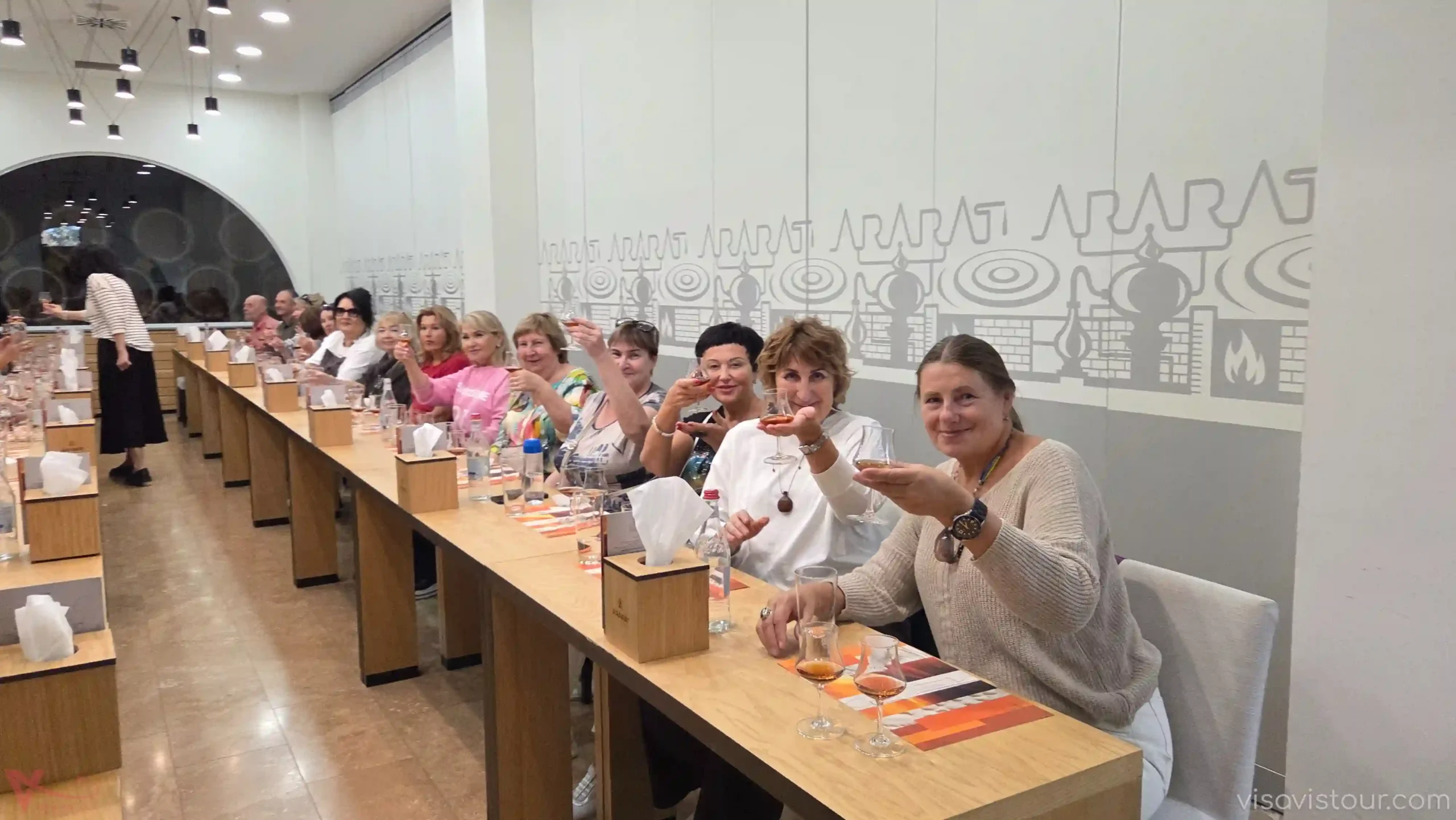
Optional: Very interesting one hour tour around Armenian brandy factory offers tourists familiarization with the history of the plant, process of brandy preparation, showrooms and halls of storages. Visitors will also have degustation of 2 types of brandy in degustation hall. Brandy shop at the factory territory will be available for purchasing of these famous Armenian brandy directly from the factory.
O/n in Yerevan.
Yerevan - Garni Temple – Geghard Monastery (UNESCO) – Vernisaj - Yerevan
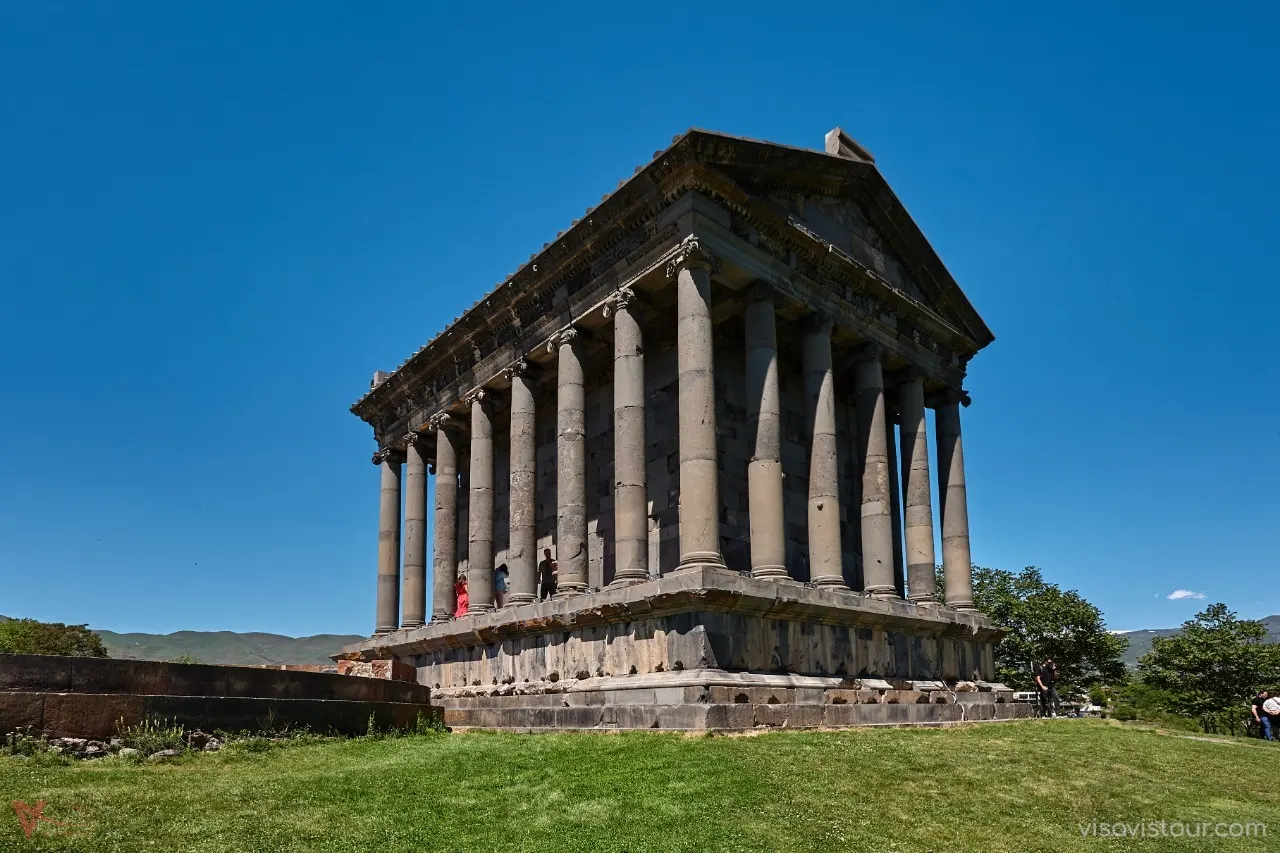
After breakfast, head to Garni Temple, the only remaining pagan temple in Armenia, devoted to the God of Sun – Myrth, in Garni, built in 77 AD by King Trdat (Arshakid Dynasty). Visit to the ruins of Royal Palace and Royal bath-house next to Garni temple.
On the way enjoy a photo stop at the Charentc Arc with a nice view on Ararat Mountain.
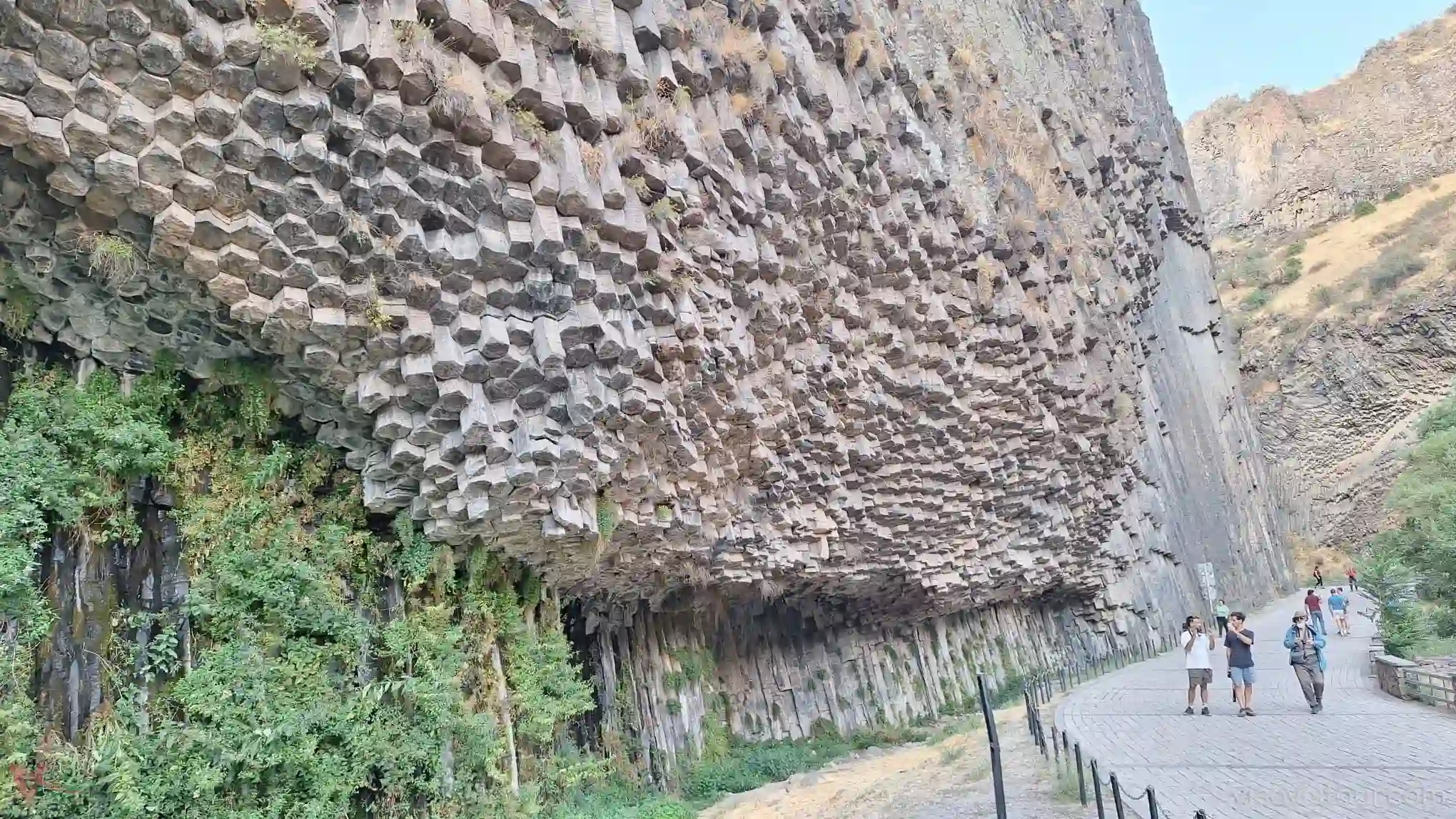
Optional: take 4×4 wheels tracks to visit the impressive Garni Canyon – magnificent and outstanding scene, which creates the image of falling crags. It obtained the name “Symphony of Stones” due to its view. The fantastic landscape of Garni canyon shakes the human imagination.
Optional: Small performance of Armenian national musical instrument ,,Duduk’’ (Tsiranapogh- means Tsiran- abricot, pogh- trumpet). After the local musician will describe the origin, nature, symbolism of Duduk and fully experience its rich and versatile music. One of the most famous performances of the duduk was featured in the movie “Gladiator”, where its soulful tones perfectly captured the film’s emotional depth and timeless appeal. Duduk and its music were inscribed in 2008 on the Representative List of the Intangible Cultural Heritage of Humanity (originally proclaimed in 2005).
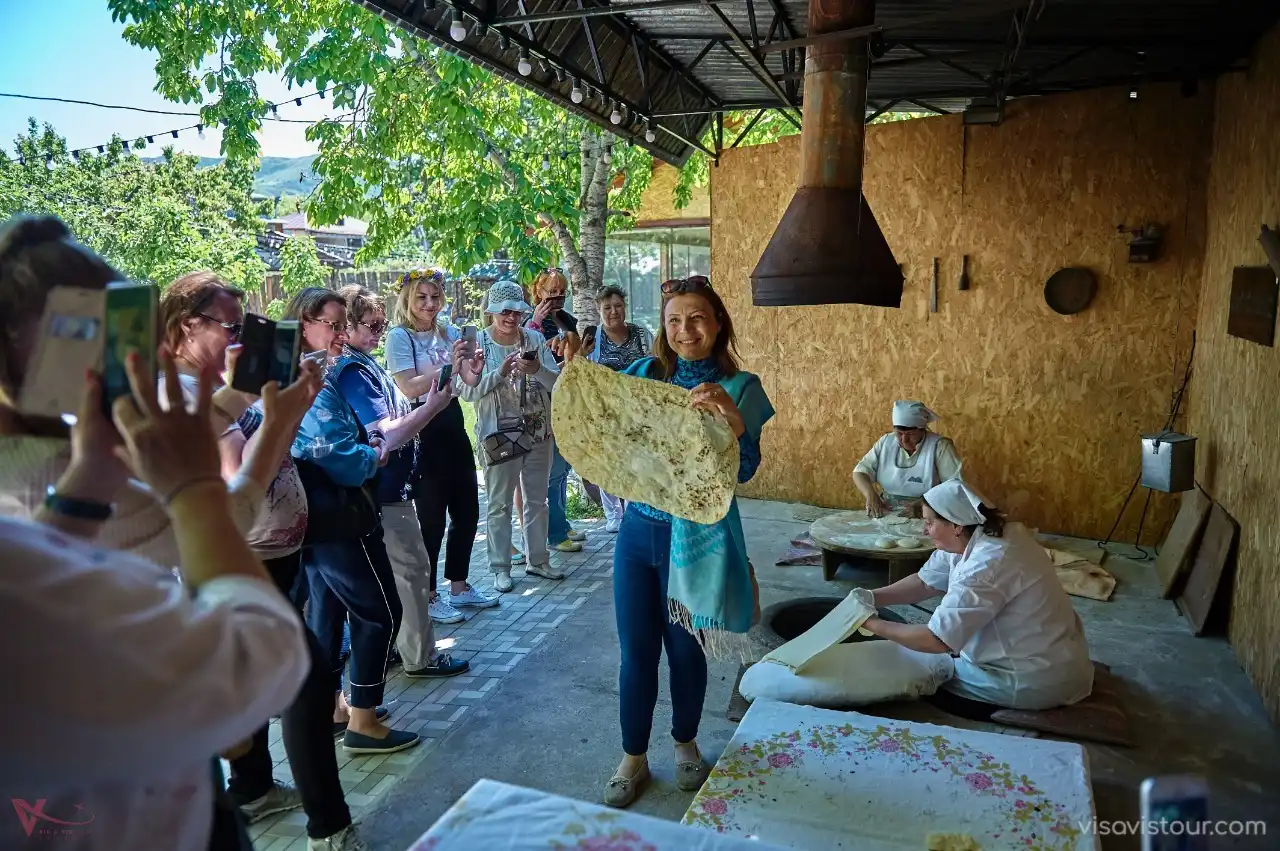
Optional: Experience a traditional flat bread – lavash baking demonstration and enjoy a family-hosted lunch. Lavash, the preparation, meaning and appearance of traditional bread as an expression of culture in Armenia was inscribed in 2014 on the List of the Intangible Cultural Heritage of Humanity
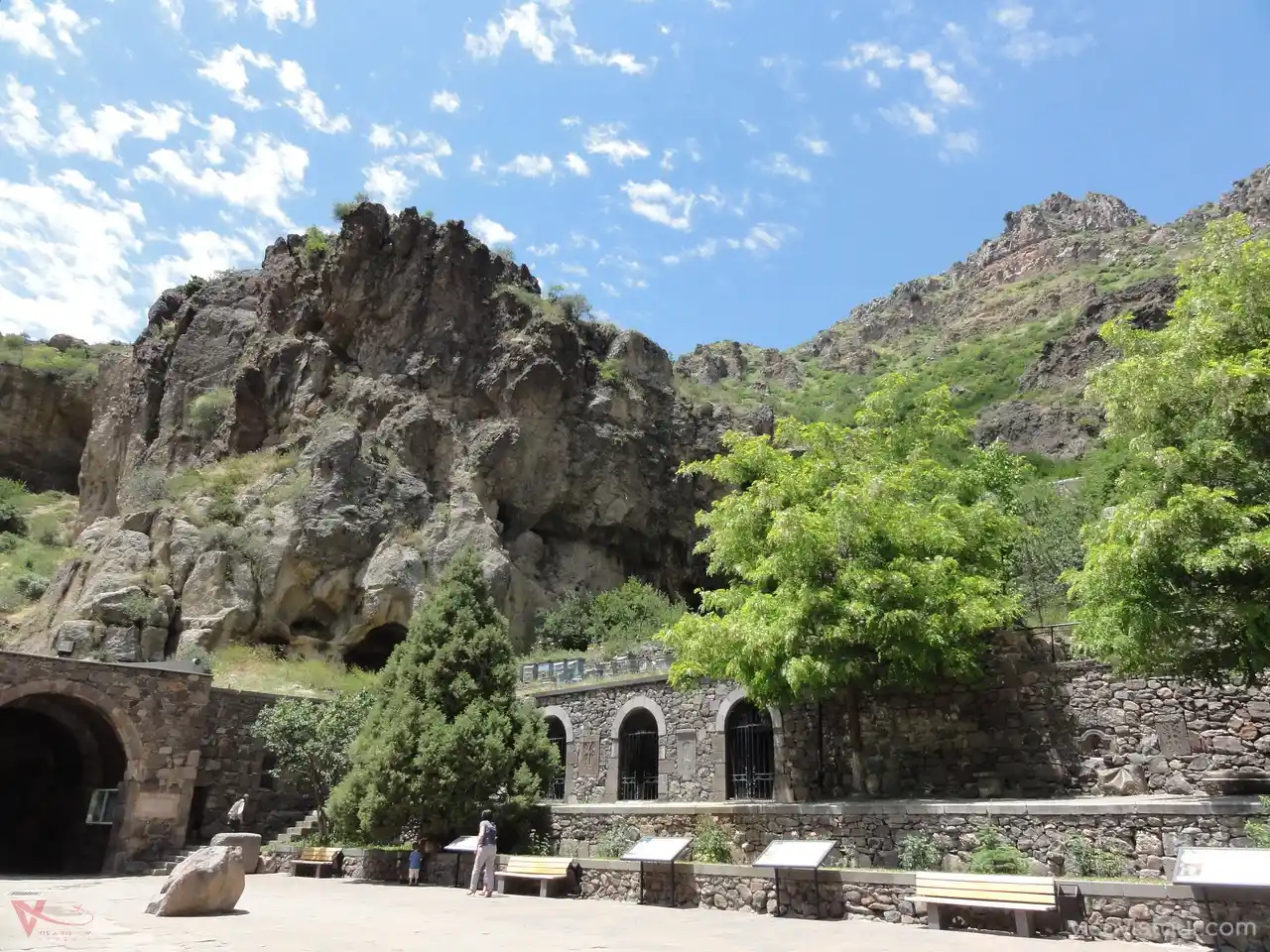
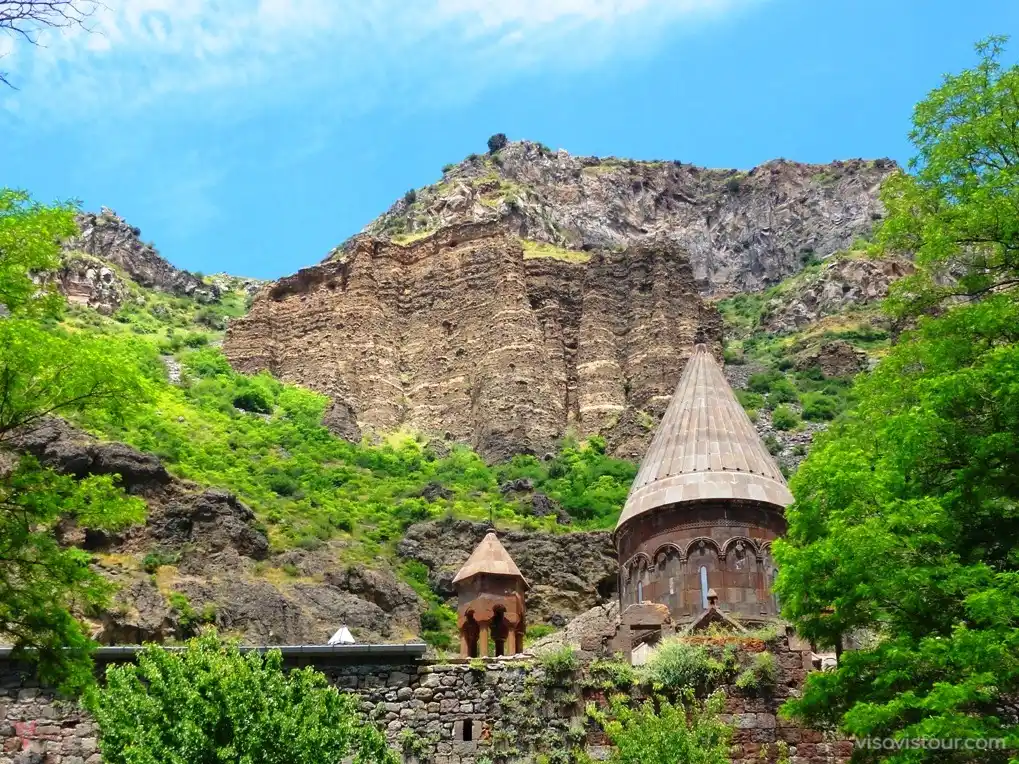
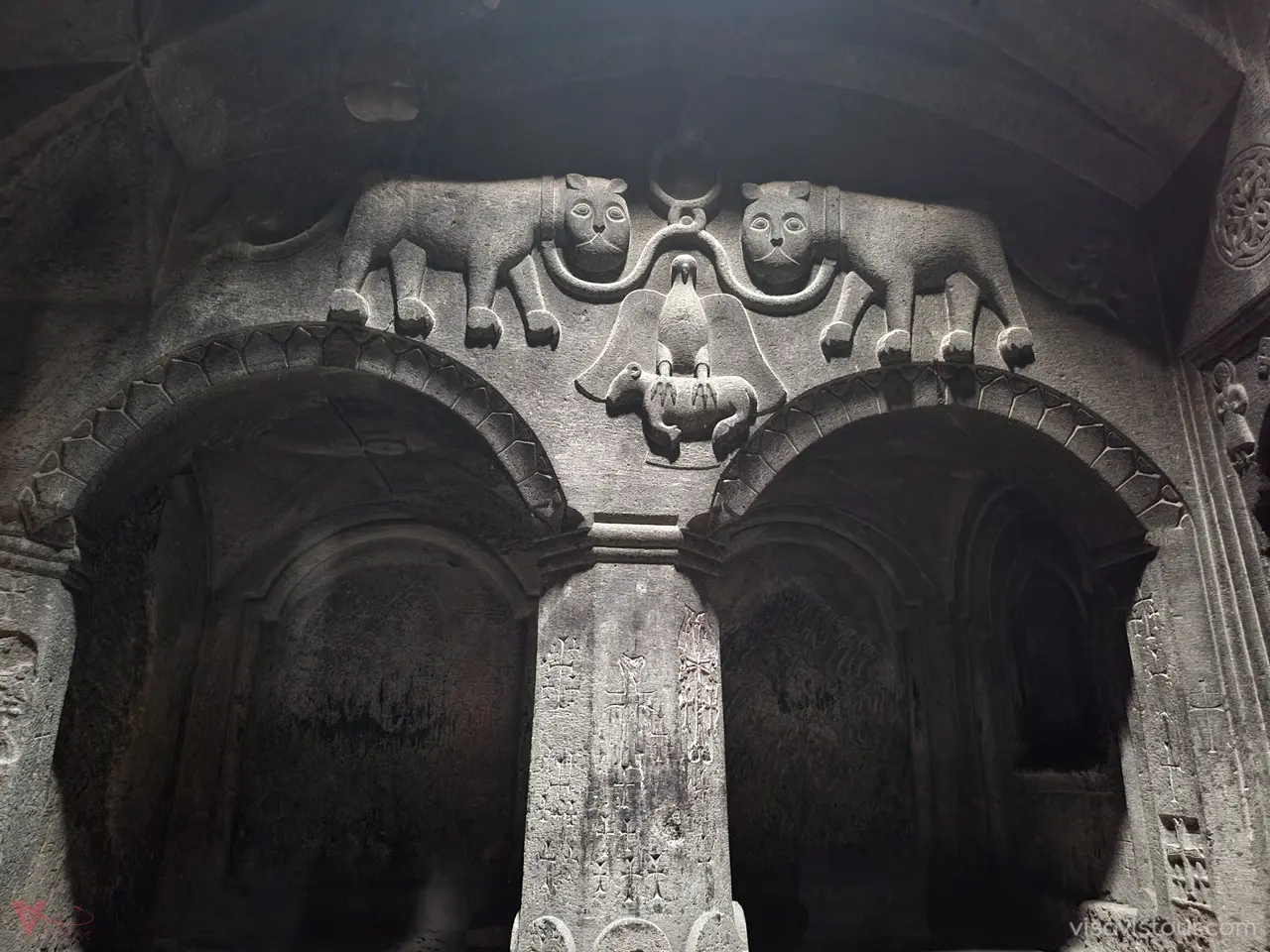
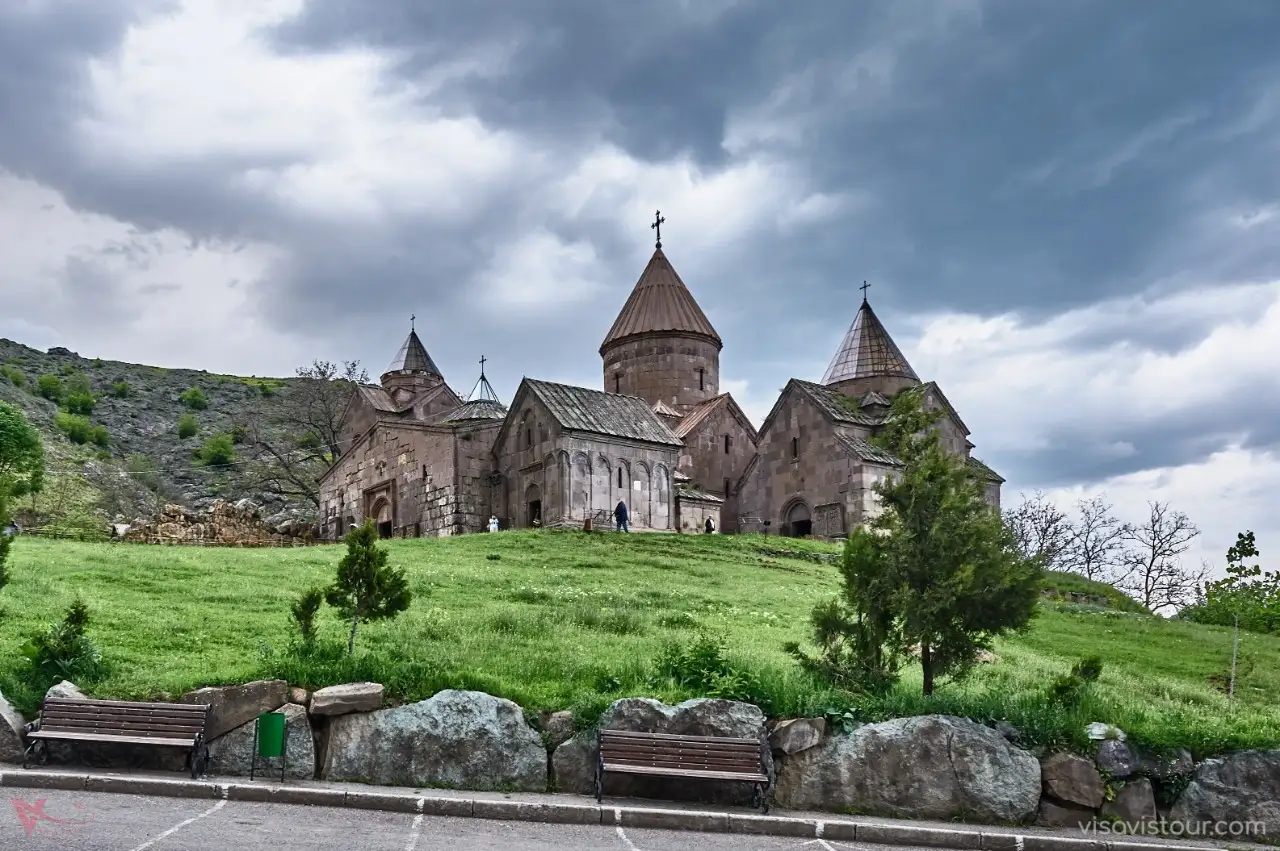
Journey to the extraordinary Geghard Monastery, a stunning XII-XIII century temple partially carved into the rock. Named “St Geghard” or “Holy Spear,” it honors the sacred relic believed to have pierced the body of Christ during the crucifixion, that was preserved here and now housed in the museum of Etchmiadzin Cathedral. Recognized as a UNESCO World Heritage Site in 2000, this architectural gem showcases Armenia’s rich spiritual and cultural heritage.
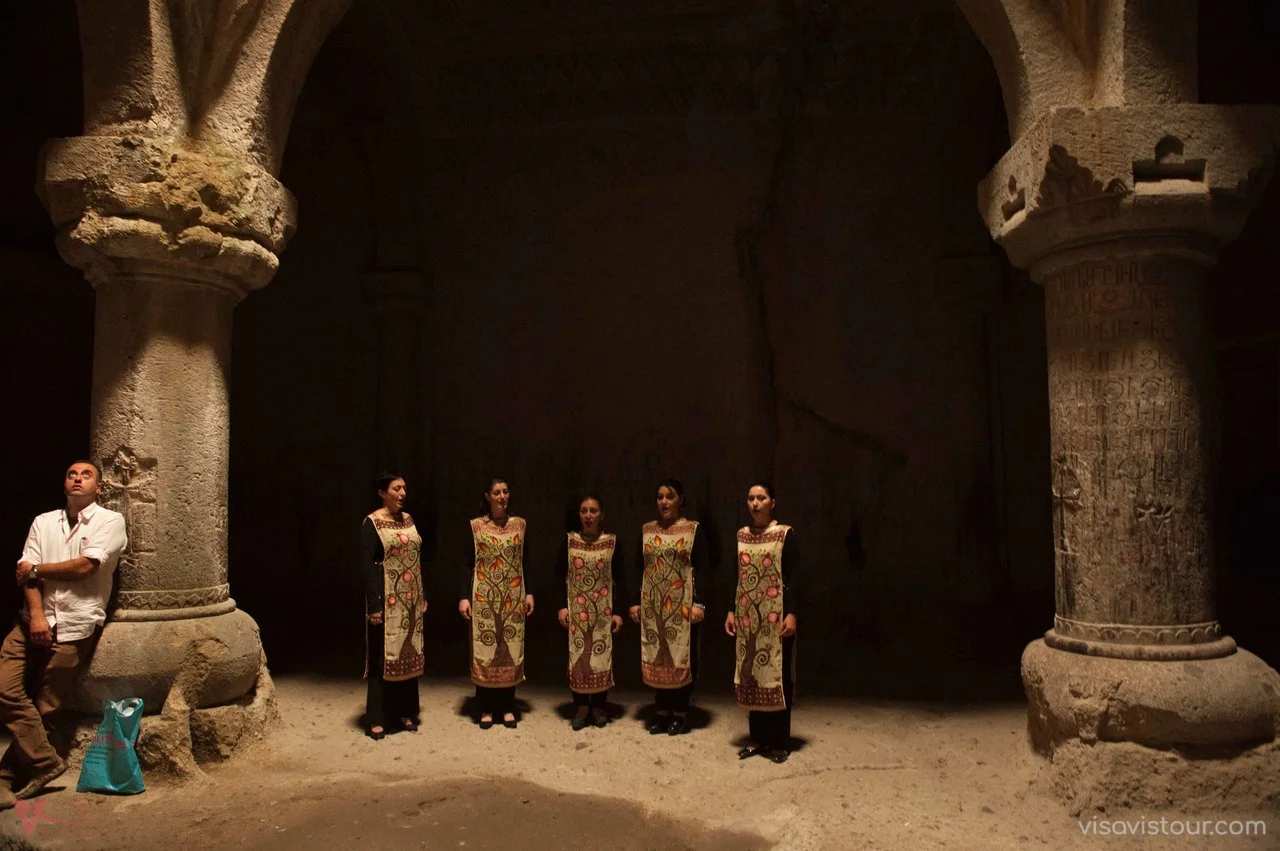
Optional: Enhance your visit with a mesmerizing concert of liturgical songs. Experience the monastery’s remarkable acoustics, where the crystal-clear harmonies resonate beautifully within the ancient stone walls.
Drive back to Yerevan.
Discover the vibrant heart of Armenian craftsmanship at Vernisaj, Yerevan’s famous open-air market, located in the city center. This lively bazaar offers a colorful array of traditional Armenian goods, including handwoven carpets, intricate woodwork, unique pottery, silver jewelry, and beautiful textiles. It’s a perfect spot to explore local art and handicrafts, where you can find one-of-a-kind souvenirs to take home.
O/n in Yerevan. (B/-/-)
Yerevan - Lake Sevan - Dilijan - Hagartsin monastery – Goshavank Monastery - Yerevan
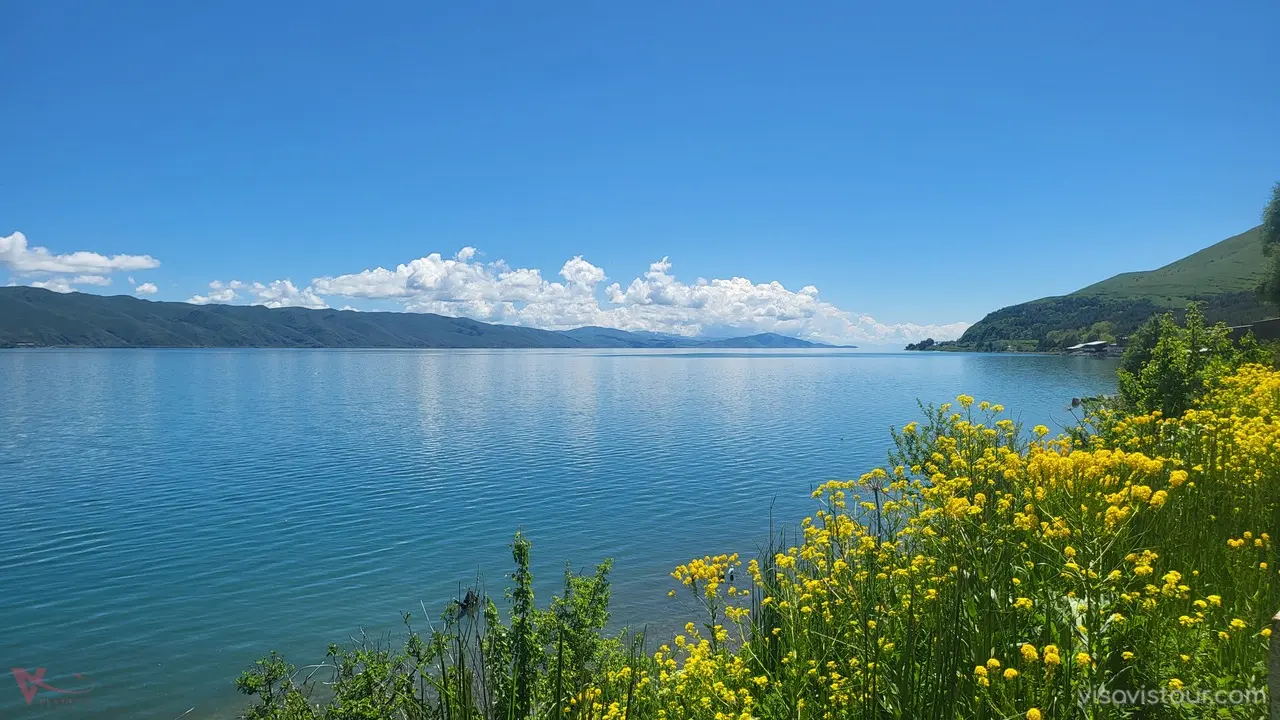
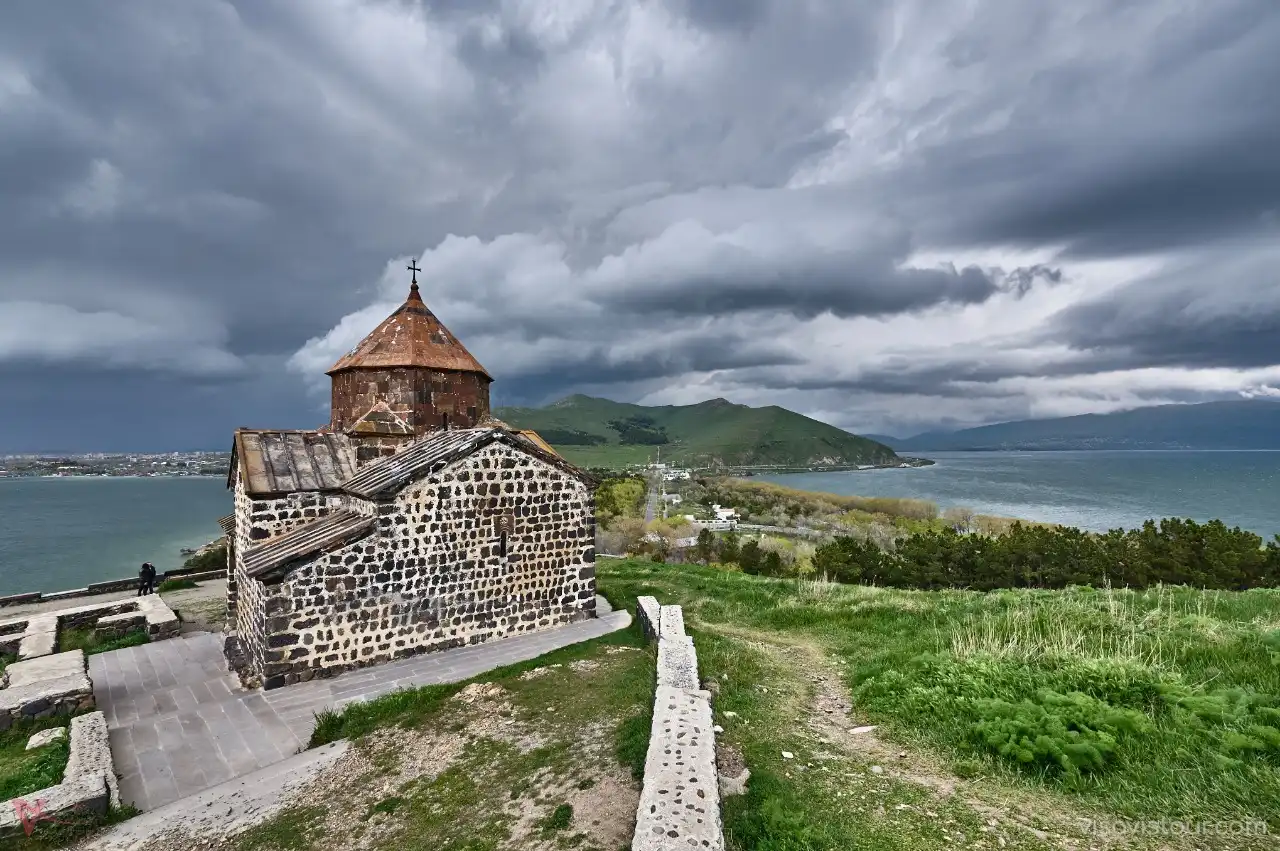
After breakfast, journey to Lake Sevan, one of the largest high-altitude freshwater lakes, where you’ll visit Sevanavank Monastery on the peninsula, offering sweeping views over the lake.
Optional: Enhance your visit to Lake Sevan with a relaxing and picturesque boat cruise on its crystal-clear waters, feel the refreshing breeze as you glide across the serene lake, and enjoy the tranquility of this natural wonder.
Continue to the charming town of Dilijan, often referred to as “Armenian Switzerland” for its lush forests and diverse wildlife. During the drive one can enjoy the unbelievable change of the surrounding environment and landshaft from the mountainous lake to the green and rich forest mountains.
Stroll through Dilijan’s artisanal quarter, visiting local artisans crafting traditional souvenirs, made from wood, stone and ceramics.
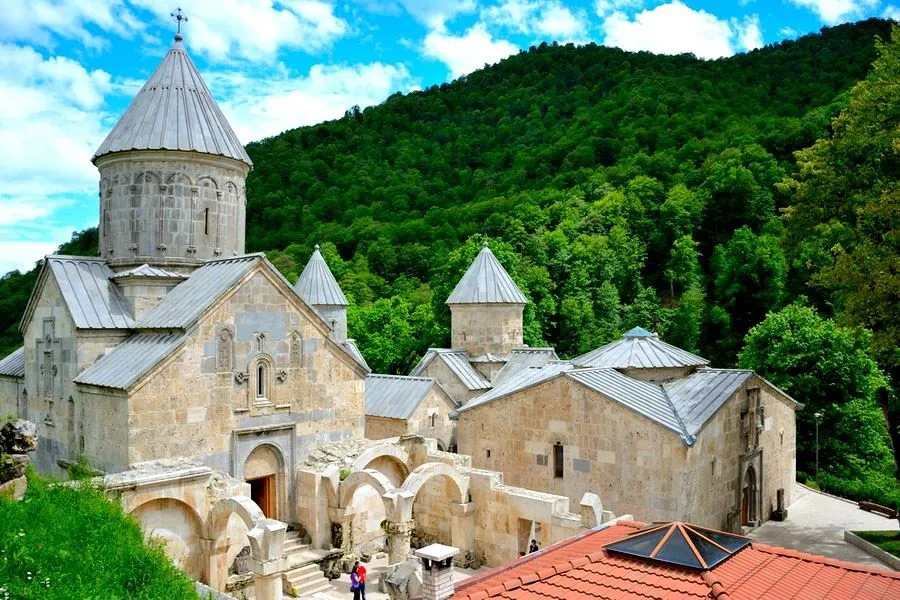
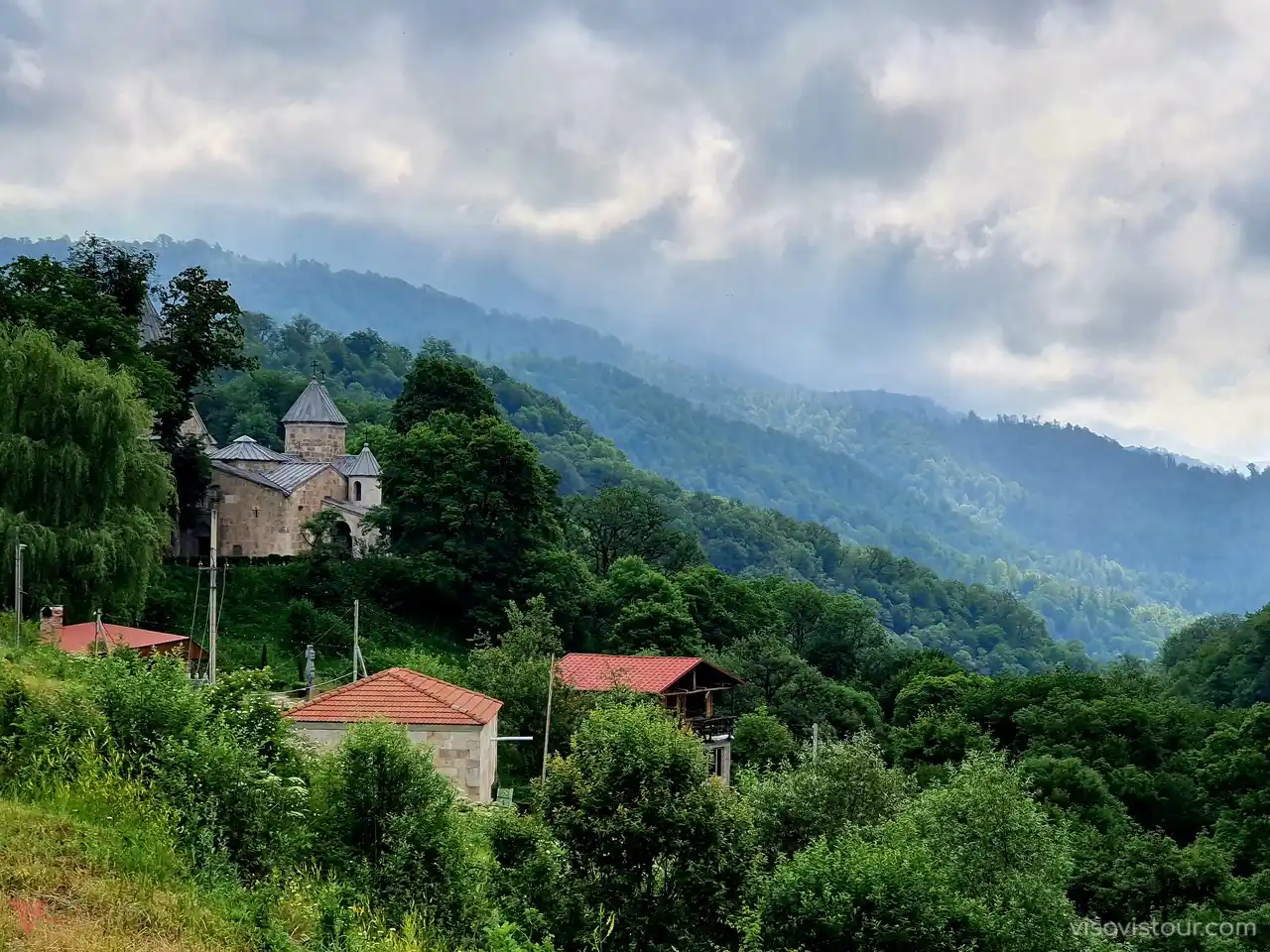
Drive to Haghartsin Monastery complex (XI–XIII centuries), nestled in a secluded forest. Appearing unexpectedly, out of the dense forests, in front of the visitors, the Monastery creates a magical impression of a lost world. Haghartsin represents a magnificent piece of history, culture and architecture.
After exploring Haghartsin, visit Goshavank Monastery, a remarkable XII-XIII century complex nestled in the picturesque village of Gosh. Founded by the prominent scholar Mkhitar Gosh, this monastery was a significant cultural and educational center in medieval Armenia. Admire its intricate khachkars (cross-stones), unique architectural details, and serene atmosphere, which reflect the rich spiritual and artistic heritage of Armenia.
Drive back to Yerevan.
O/n in Yerevan. (B/–/-)
Yerevan - Ararat valley - Khor Virap Church – Areni winery - Noravank monastery – Karahunj (Zorats Karer) – Sisian
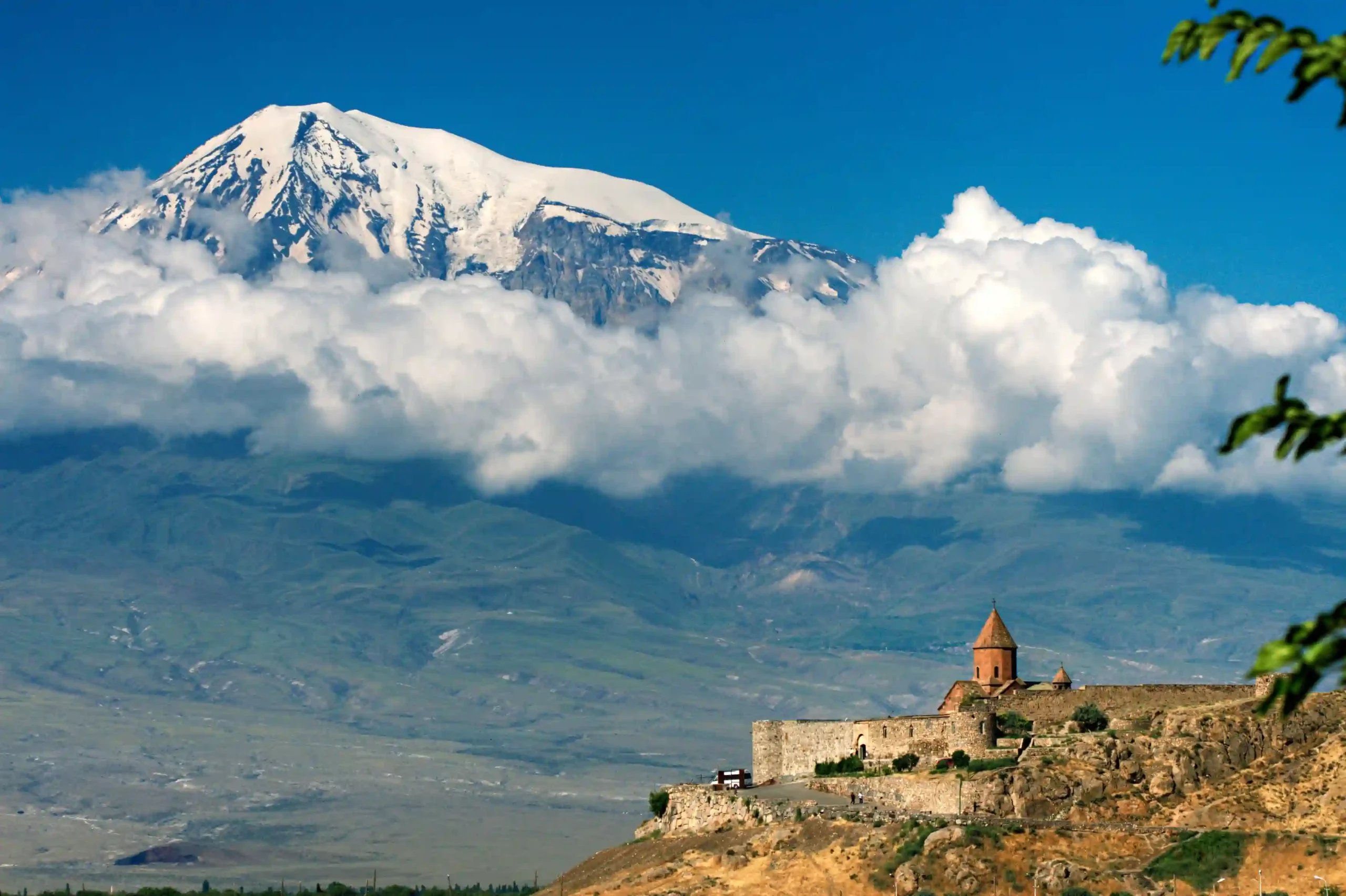
Breakfast at the hotel. Drive to Ararat valley. Marvel the gorgeous biblical Mount Ararat shining with its two majestic white peaks.
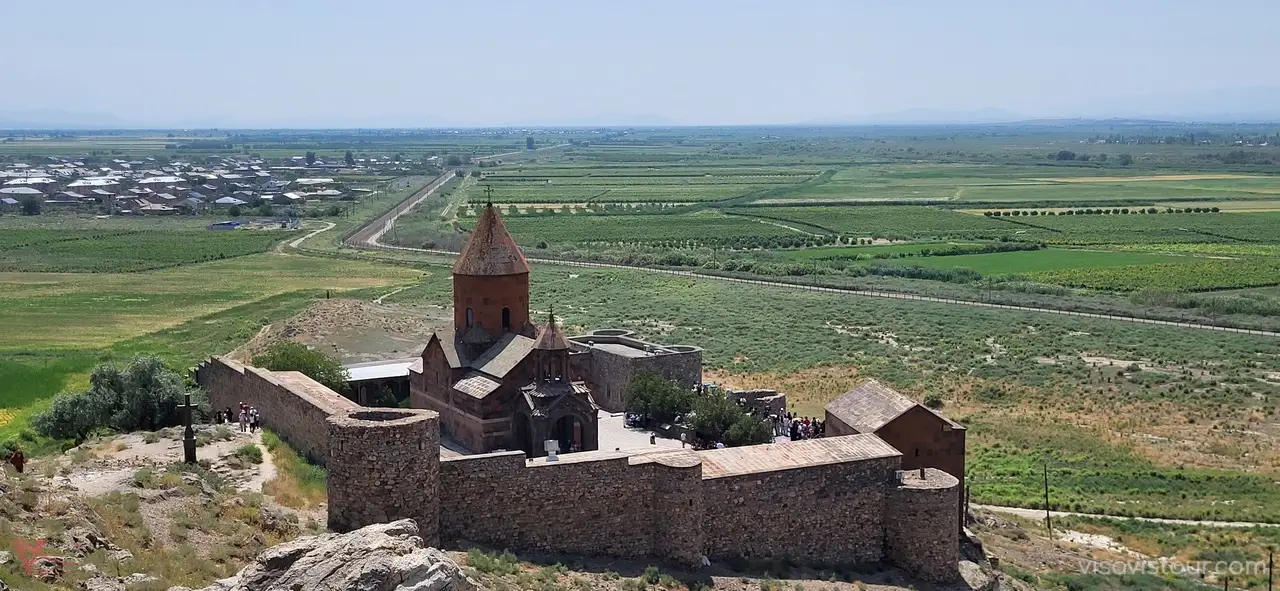
Next, visit Khor Virap Church, an important Christian pilgrimage site located atop a small dungeon where St. Gregory the Illuminator was imprisoned for 13 years. St. Gregory’s release in 301 AD marked a pivotal moment in history, as Armenia became the first nation in the world to adopt Christianity as its state religion. Explore the dungeon where he endured captivity, and experience one of Armenia’s holiest and most significant Christian landmarks.
The hills adjoining Khor Virap were once the site of the ancient capital of Armenia, Artashat, established around 180 B.C. by King Artashes I, the founder of the Artashesid dynasty. Notably, Artashat is one of the few ancient towns designed by the special project by the renowned Carthaginian general Hannibal, who sought refuge in Armenia after his defeat in a war against Rome.
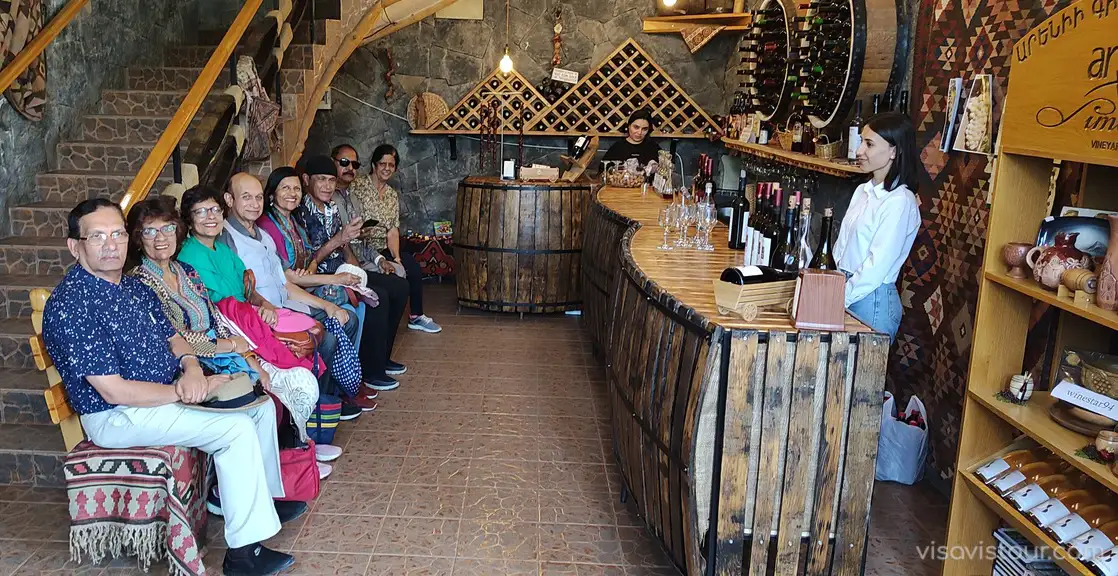
Next, stop at the Areni Winery for a wine tasting experience in one of Armenia’s historic wine regions, known for the discovery of the world’s oldest winery. Recent archaeological excavations in the Vayots Dzor region uncovered a 6,100-year-old winery and five wine cellars in a cave near Areni. Researchers found grape presses, fermentation vessels, storage containers, drinking cups, and remains of grapevines and seeds—evidence that this is the oldest known winery in the world. Scholars believe wine was used in funerary rituals and as offerings, as indicated by jars and drinking cups found in graves. According to both Armenian and American archaeologists, this discovery represents the world’s most complete and ancient wine production site to date.
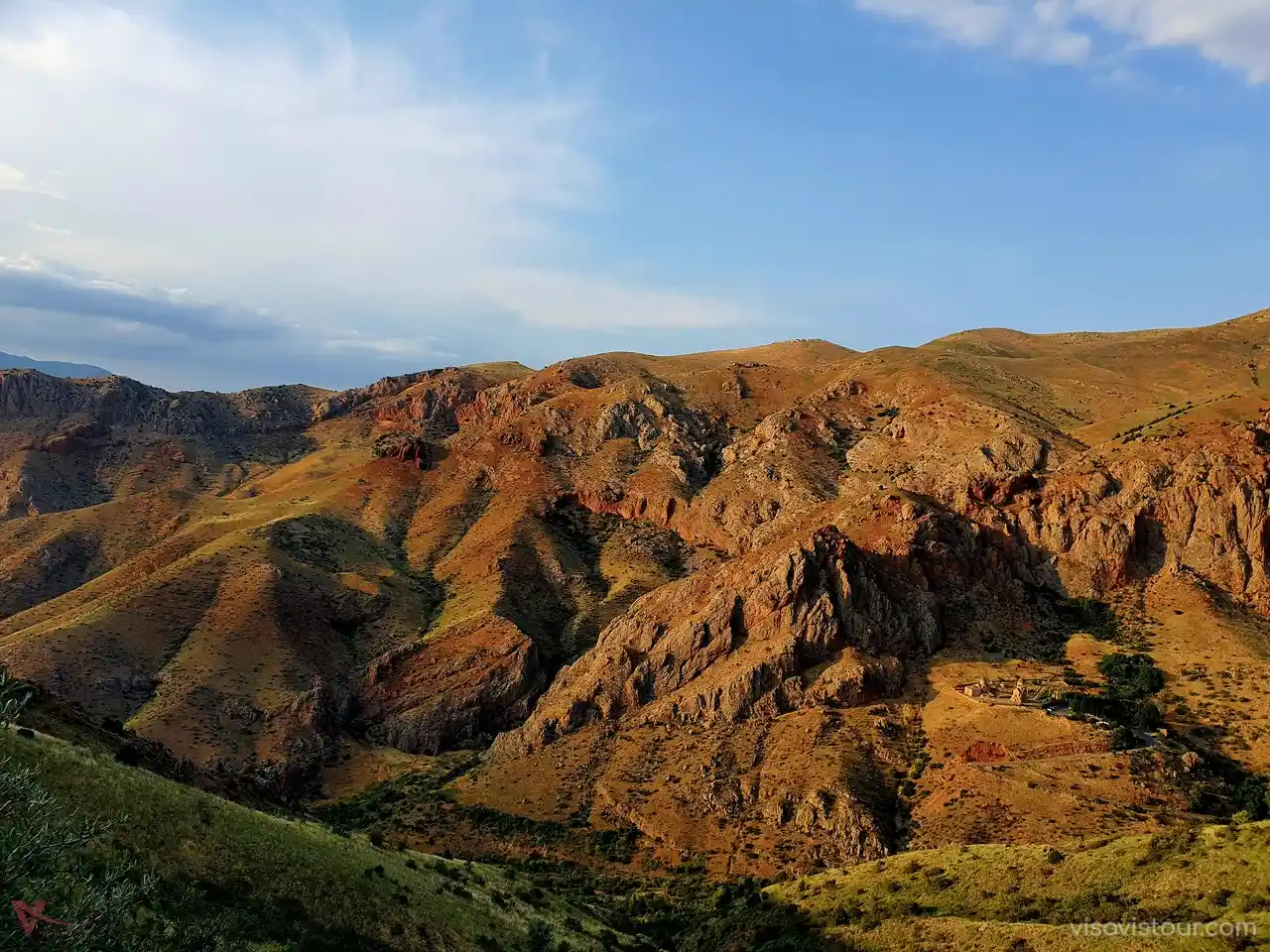
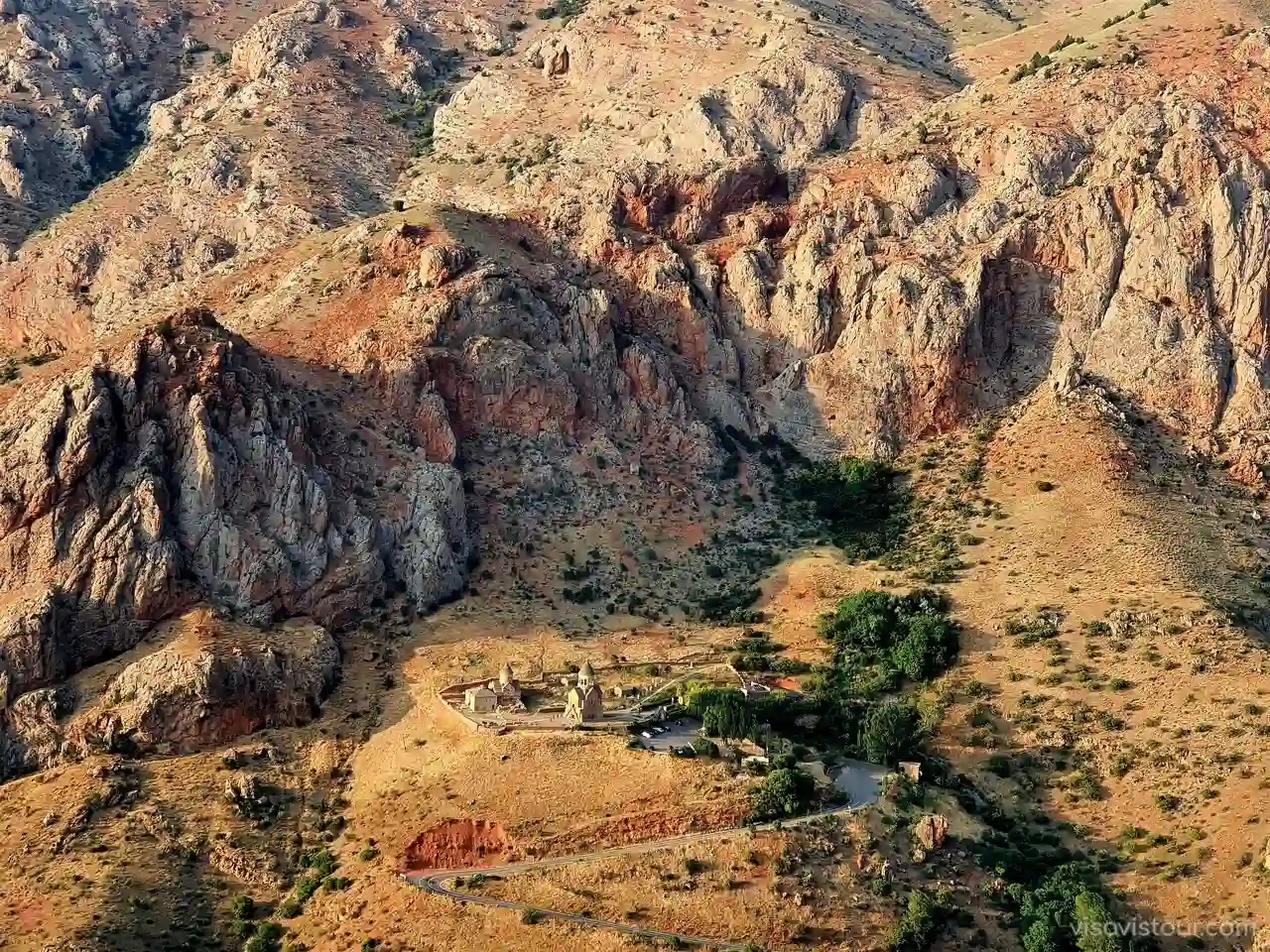
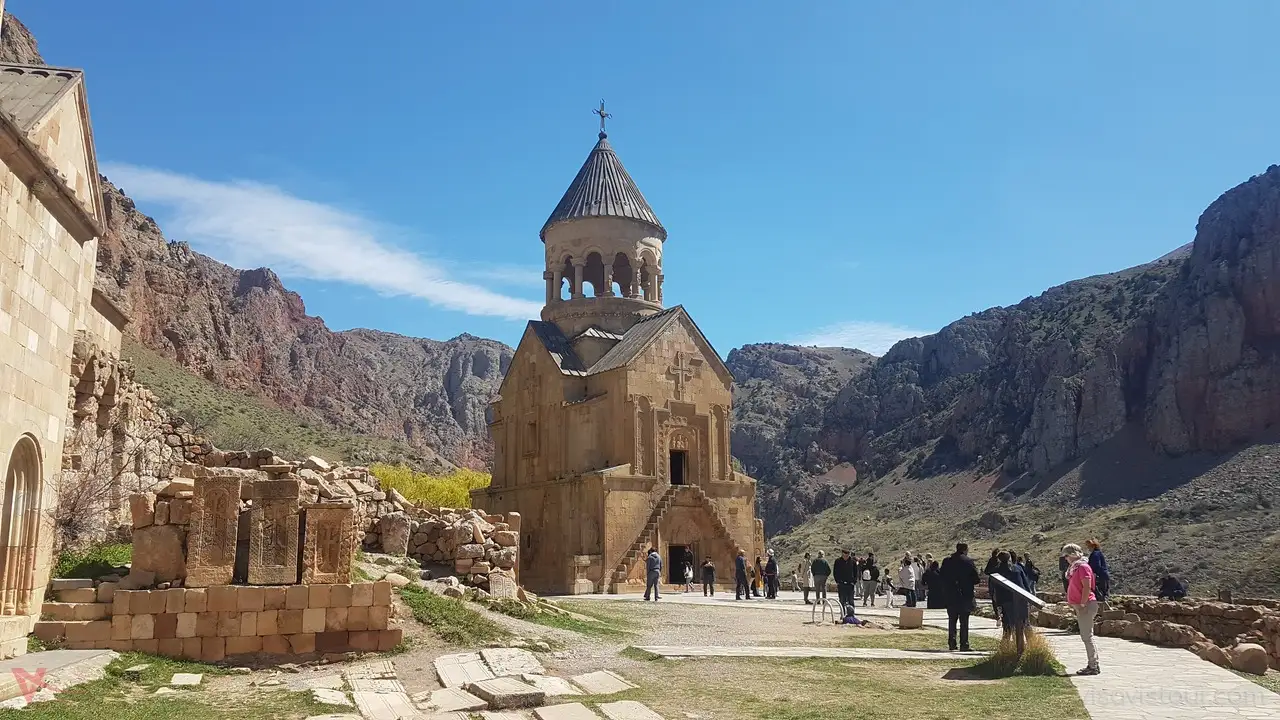
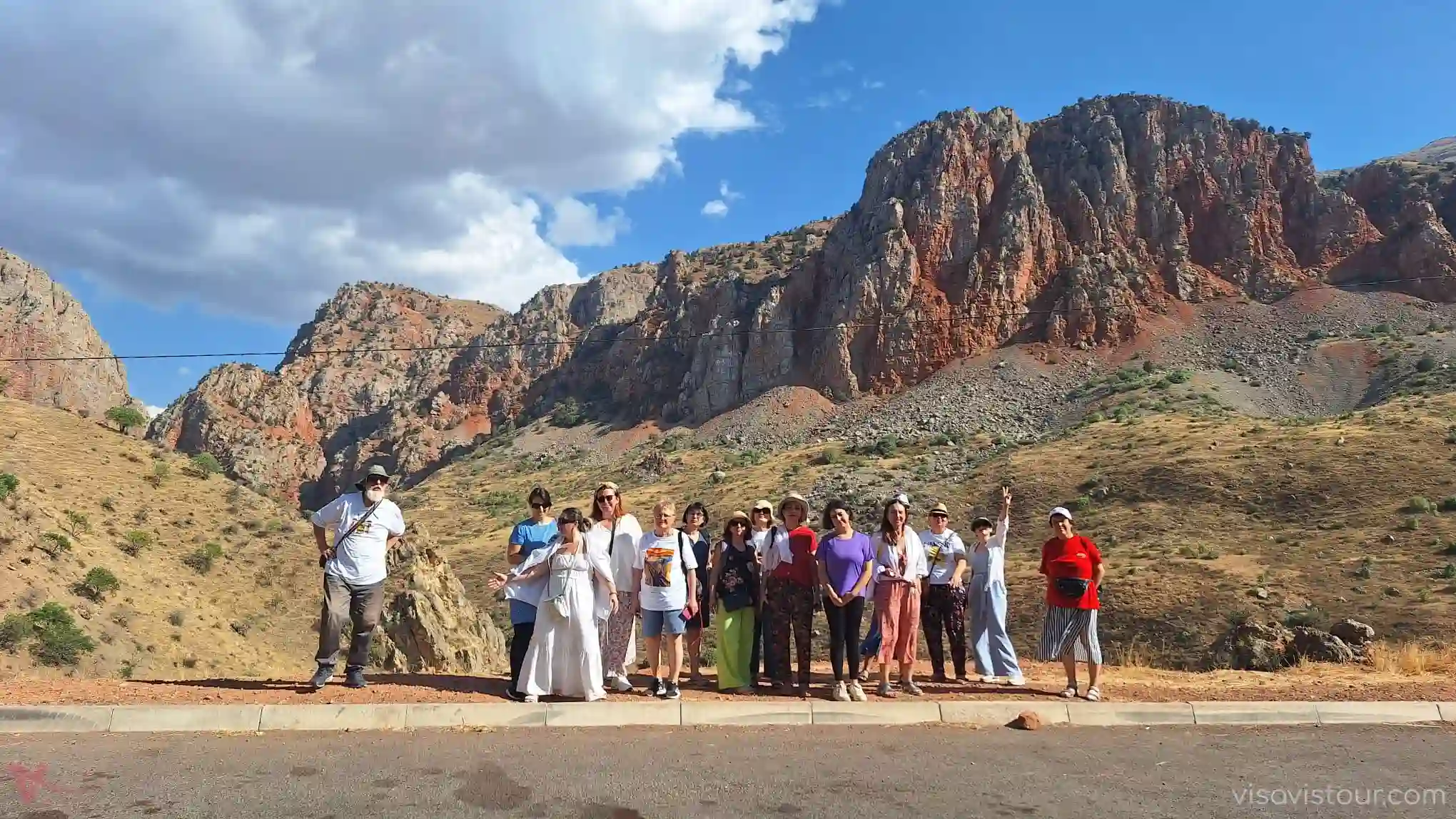
After enjoy a scenic drive through stunning red rocks canyons to Noravank Monastery (XIII century), one of Armenia’s most treasured religious and cultural landmarks, known for its historical importance and architectural beauty. Noravank was also closely linked to the renowned medieval Gladzor University. Many visitors find the view so mesmerizing that they opt to walk the final stretch to the monastery, capturing the beauty of the canyon and its unique rock formations. Wander this historic monastery, surrounded by dramatic red rock cliffs. The interplay of sunlight on these rocks creates a vivid natural spectacle.
Continue to Sisian.
O/n in Sisian.
Sisian – “Wings of Tatev” tramway – Tatev Monastery– Nordouz- Tabriz
Breakfast at the hotel.
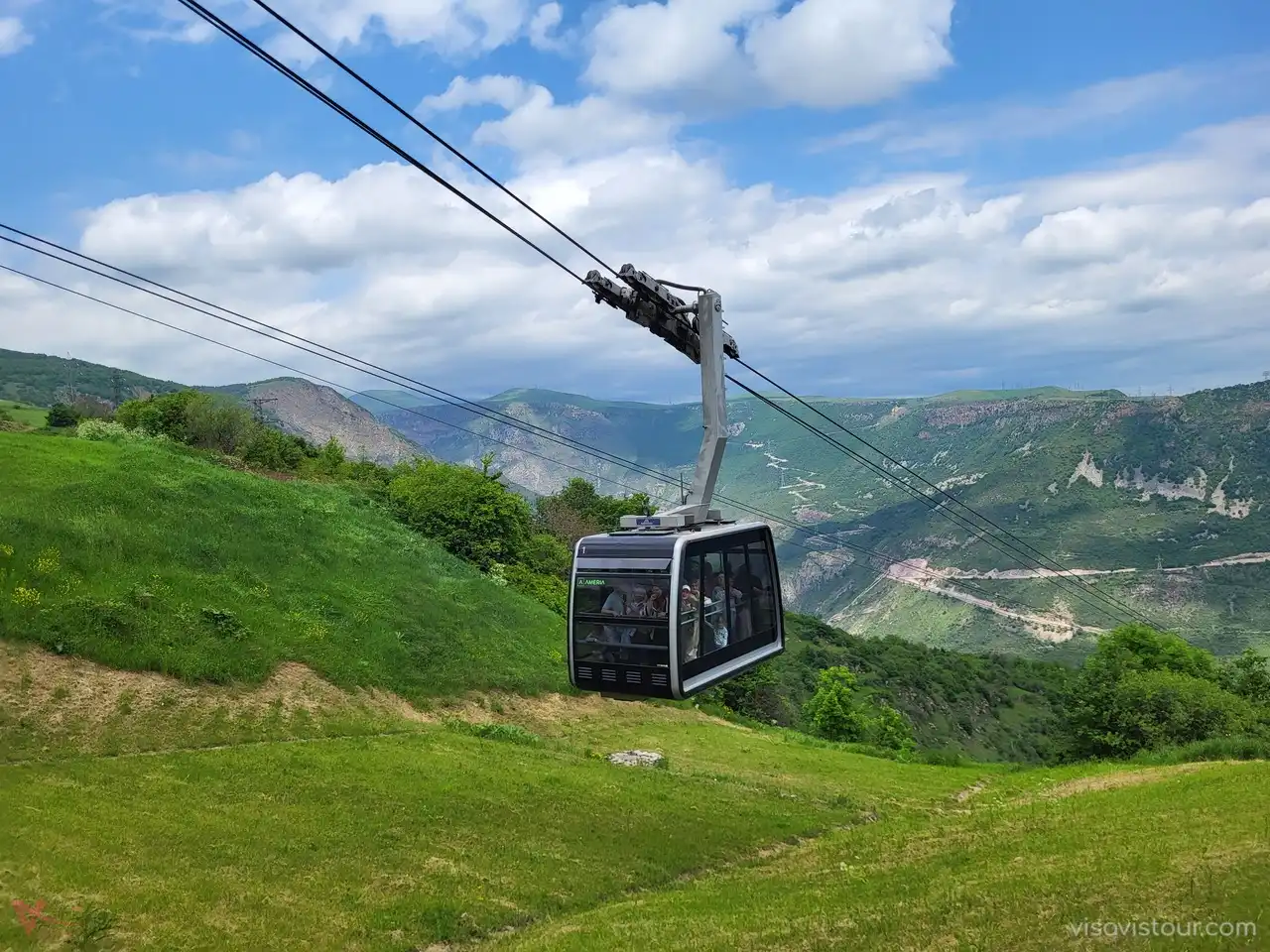
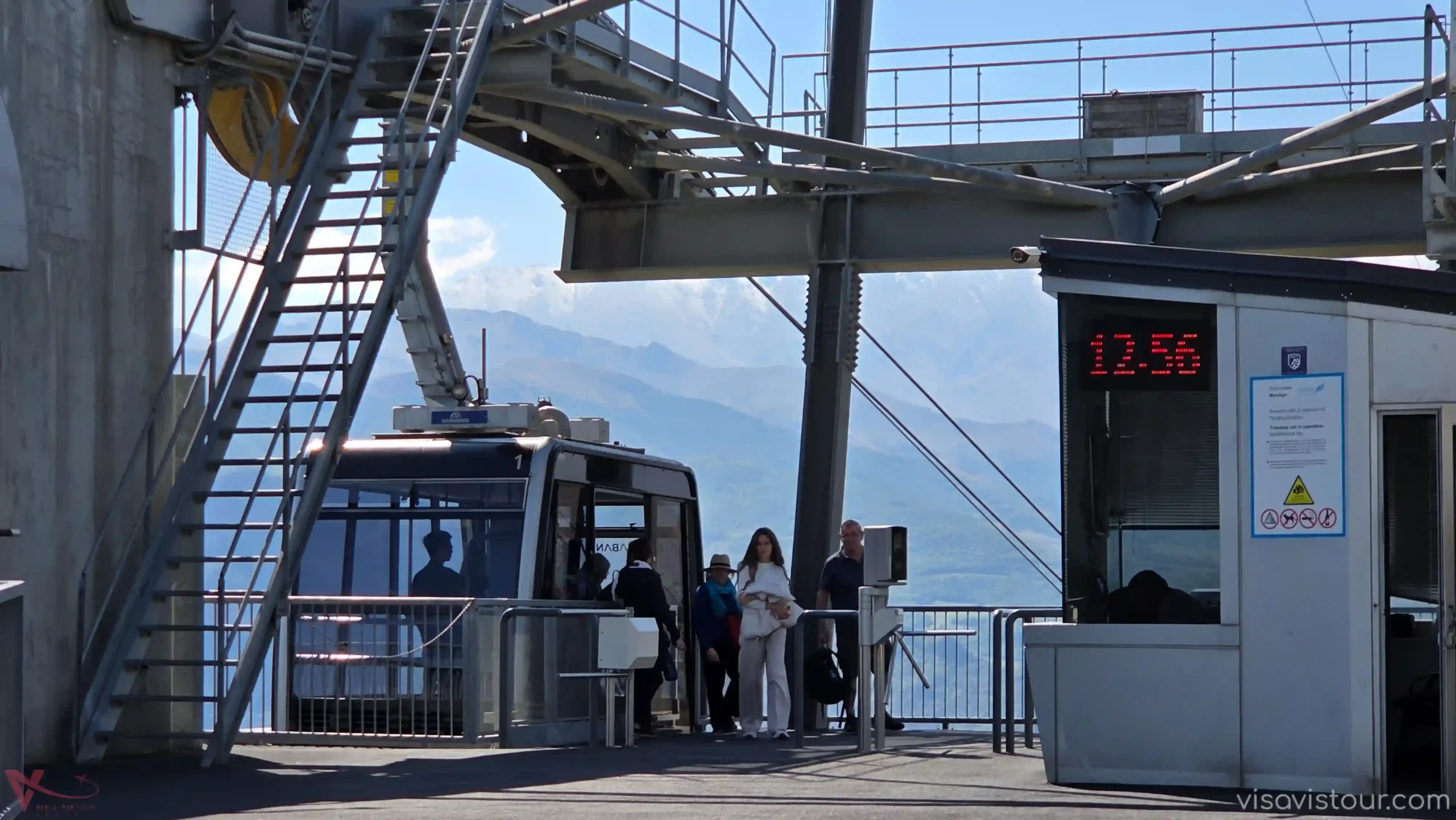
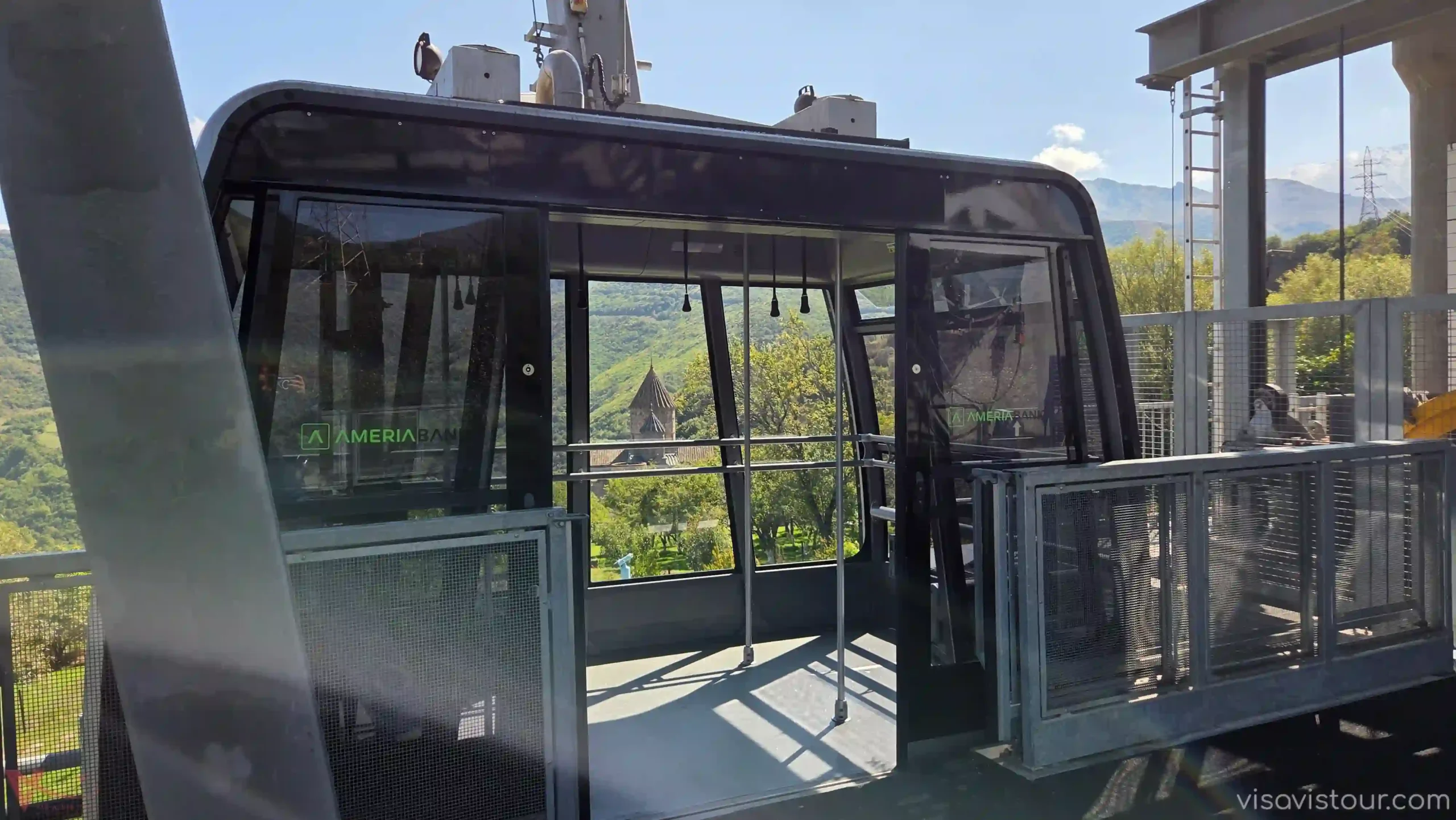
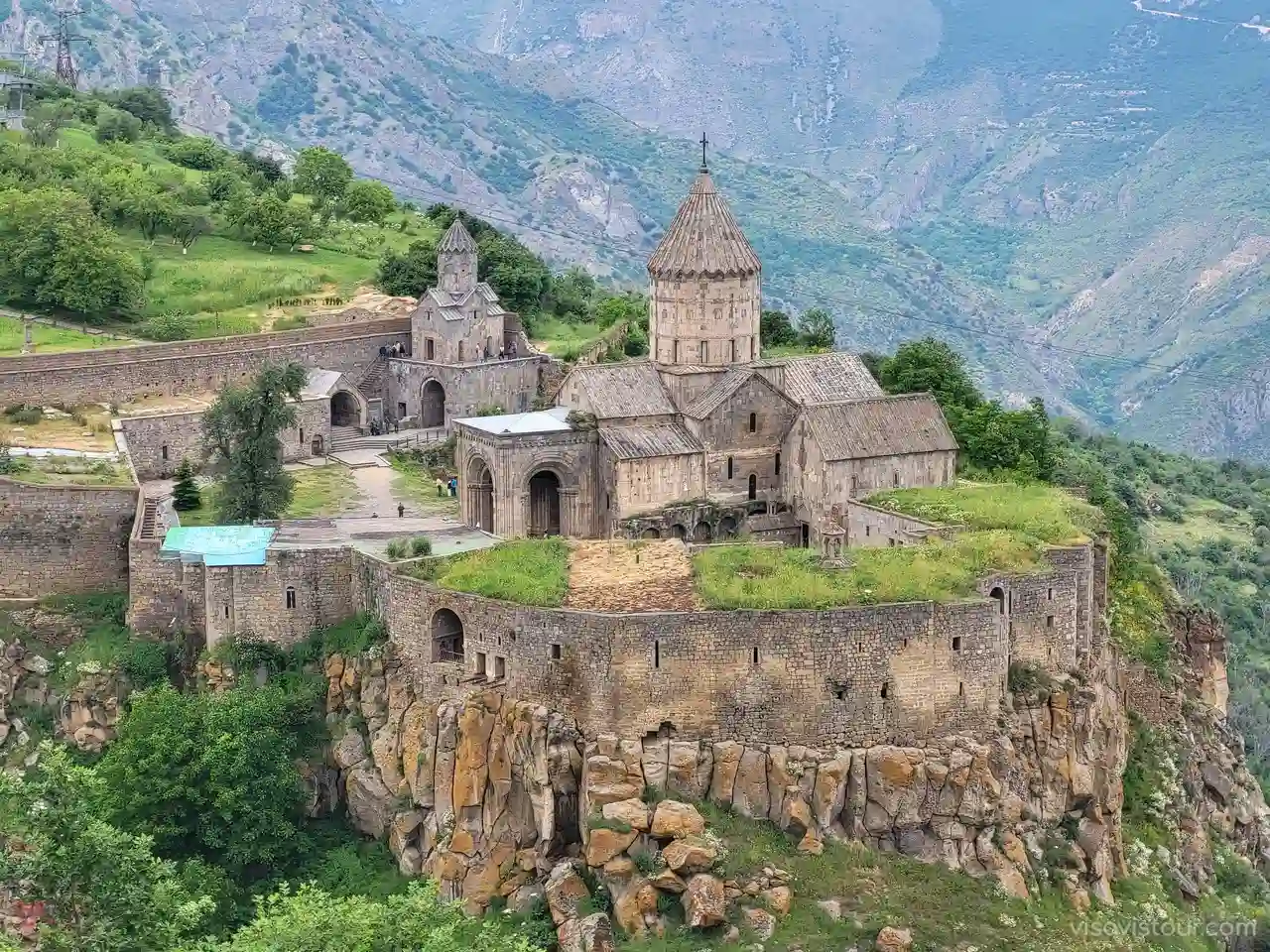
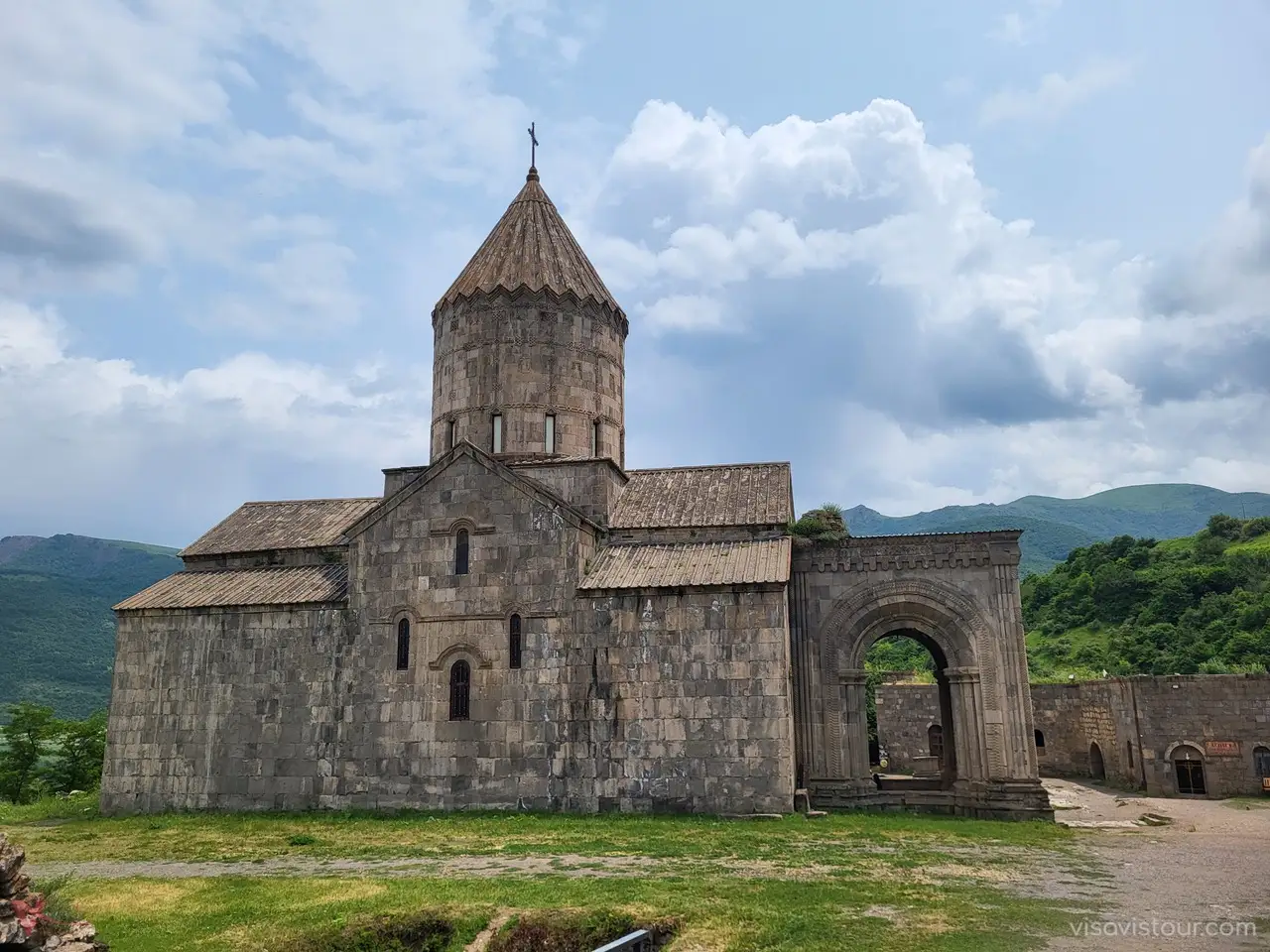
Start your day with a ride on the “Wings of Tatev” Ropeway—the world’s longest non-stop double track reversible aerial tramway, included in Guiness record book. Spanning 5.7 km (3.5 miles), this extraordinary ride takes you soaring over the breathtaking Vorotan Gorge to Tatev Monastery, a historical site and former intellectual center from the IX-XIII centuries. Nestled in a dramatic gorge, Tatev was once a vital center of Armenian culture and learning, where philosophers, musicians, painters, calligraphers and monks lived. Tatev used to be a religious and political center of Syunik princedom.
Continue journey to Meghri – the southern region of Armenia, reach boarder with Iran.
Pass boarder formalities Nordouz. Continue to Tabriz. Check in hotel.
Overnight in Tabriz.
Tabriz – St. Taddeus Church – Tabriz City Tour – Flight to Shiraz – Overnight in Shiraz
After breakfast at the hotel, the day begins with a scenic drive (approx. 180 km) through the rugged landscape of northwestern Iran to reach the historic St. Taddeus Church, also known as the Black Church. This UNESCO World Heritage Site is one of the oldest Christian monuments in the world, originally built in 68 A.D. Its striking dark basalt stone and deep spiritual significance make it a unique architectural and cultural landmark.
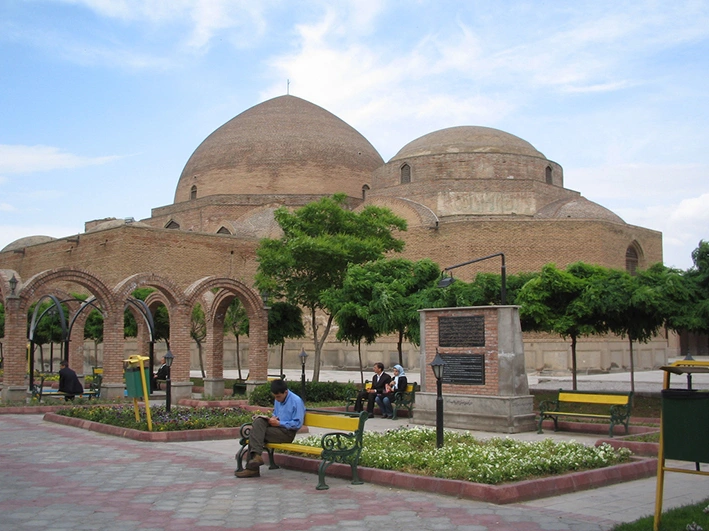
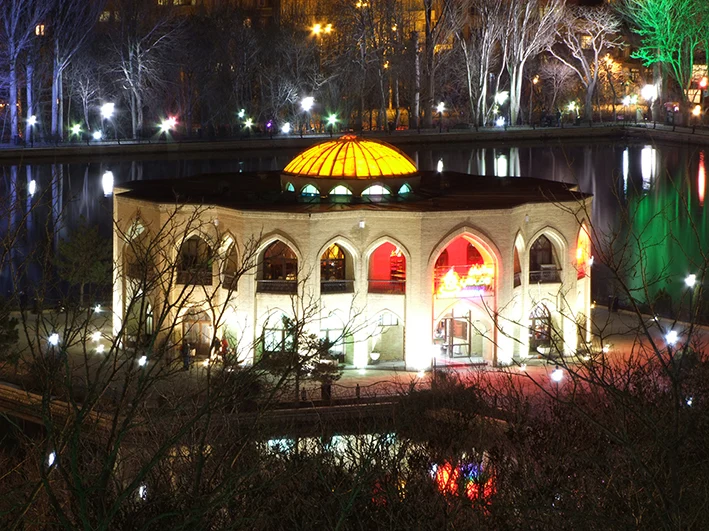
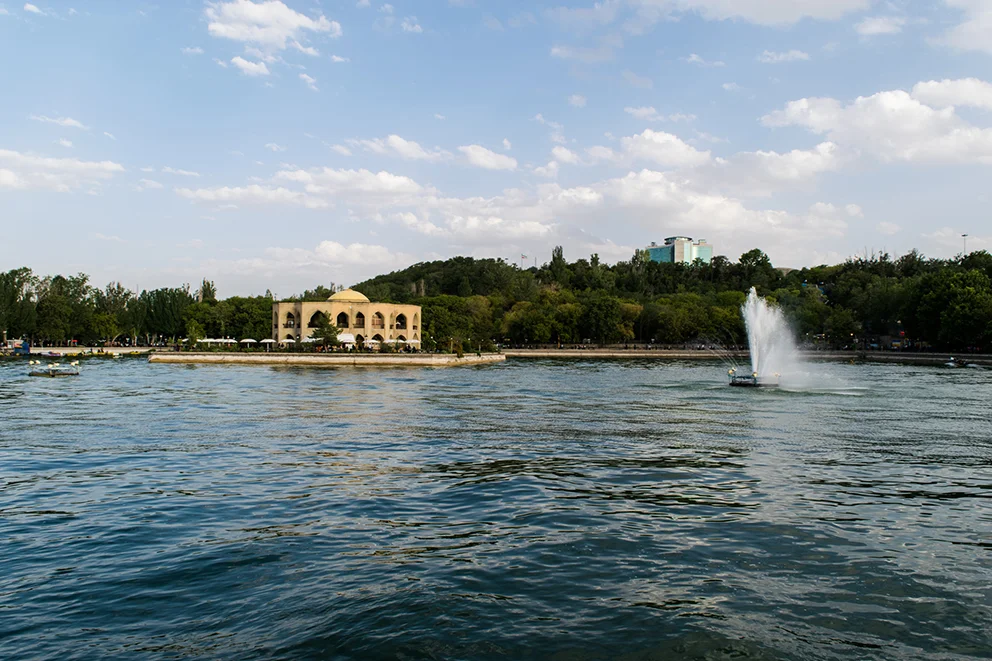
Returning to Tabriz, the city tour includes key historical sites such as the Blue Mosque (Masjed-e Kabud), a 15th-century masterpiece famous for its intricate turquoise tilework, and El Goli (Sheikh Goli) Park, a beautiful 17th-century garden complex centered around a large, symmetrical lake and pavilion.
In the evening, transfer to the airport for the domestic flight to Shiraz.
Overnight in Shiraz.
Shiraz – Persepolis – Naghsh-e Rustam – Isfahan
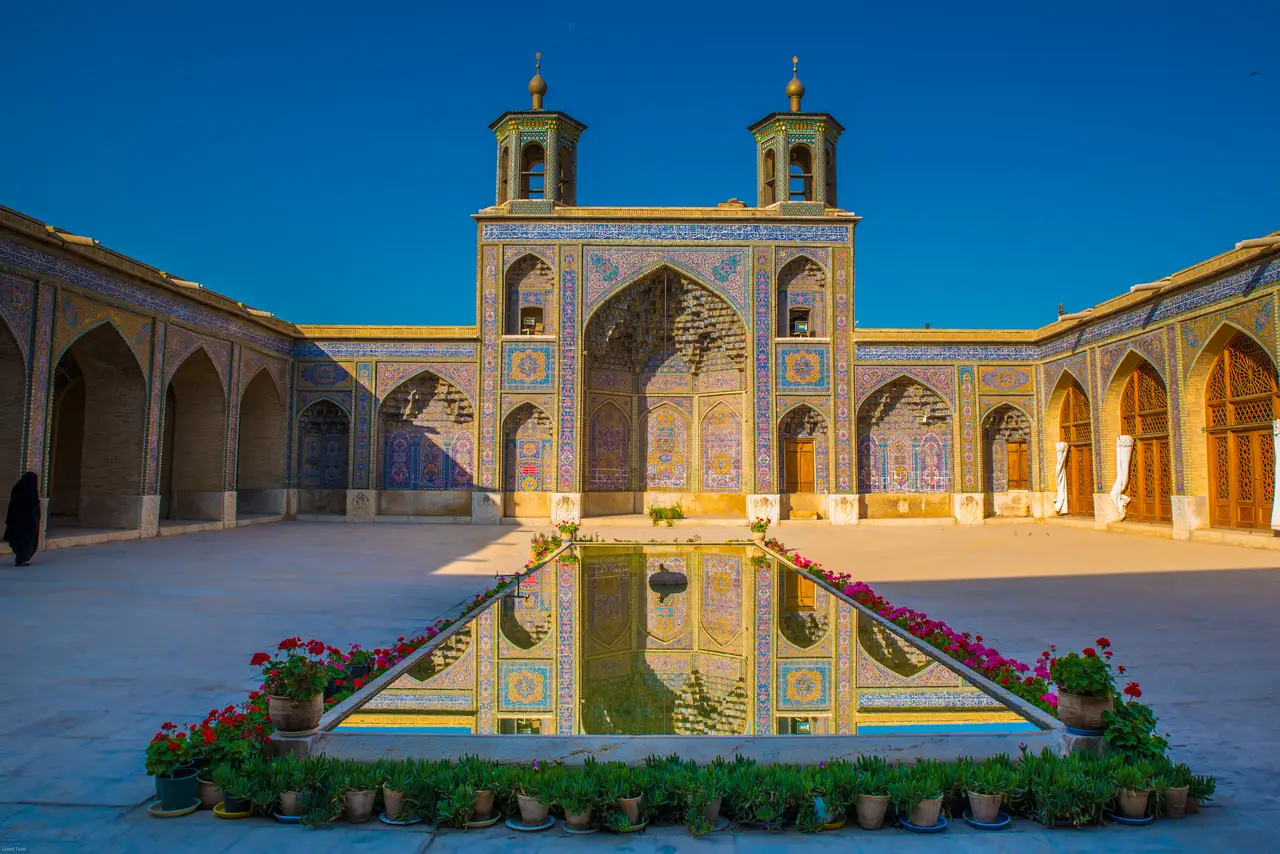
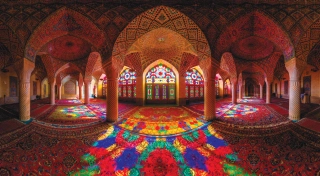
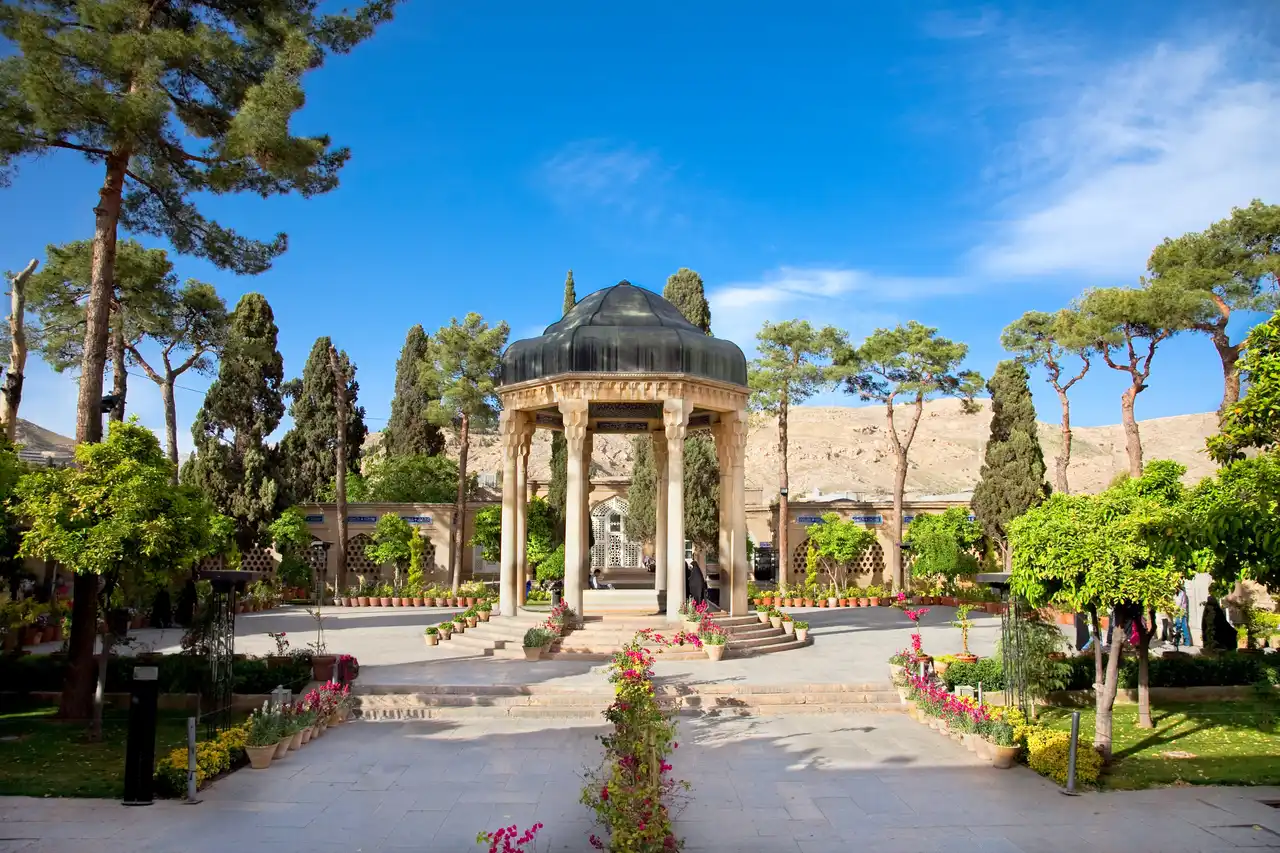
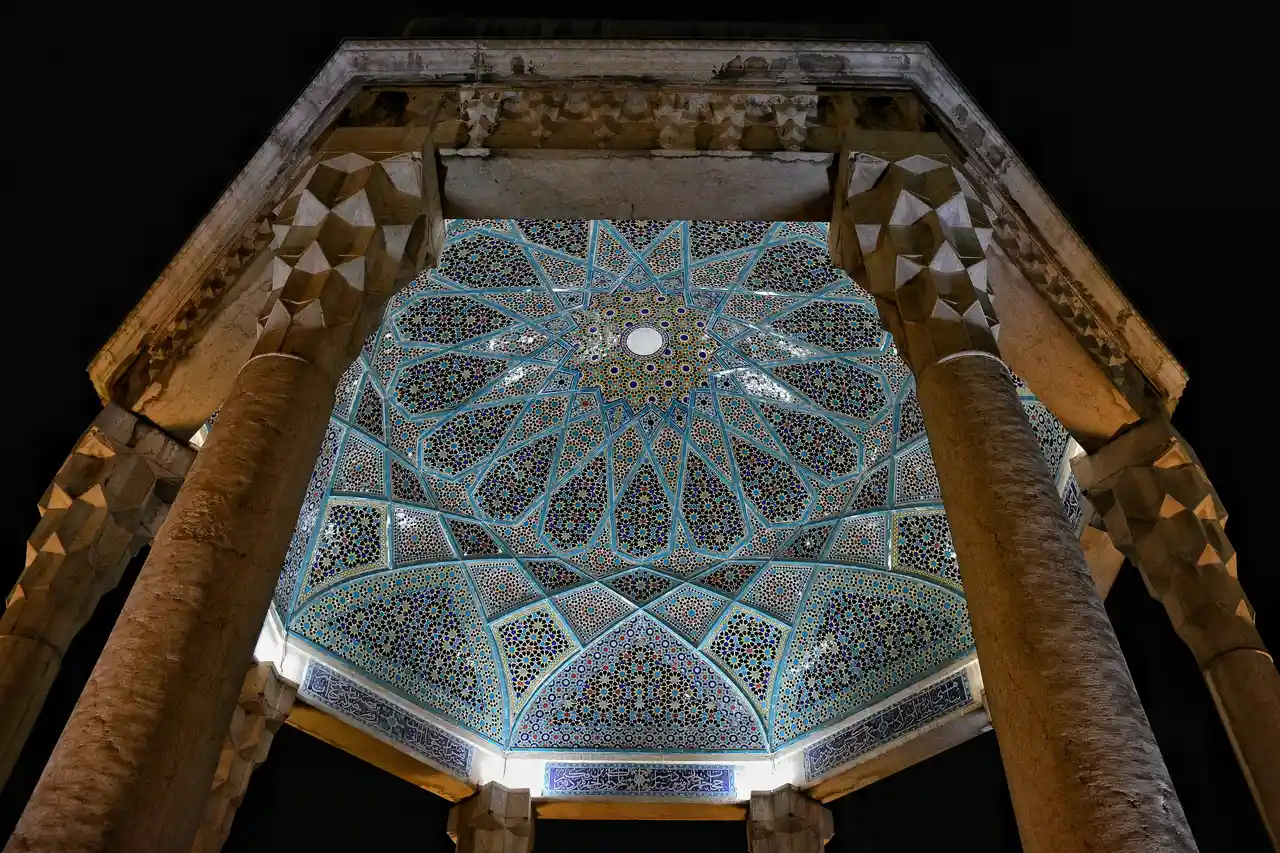
After breakfast at the hotel, begin your morning in Shiraz with a visit to two of its most iconic landmarks. Step into the dreamlike beauty of the Nasir al-Mulk Mosque, known as the Pink Mosque, where morning light transforms stained glass windows into a kaleidoscope of color. Then, pay homage at the serene Hafezieh, the poetic resting place of Hafez, one of Iran’s most beloved literary figures.
Depart Shiraz and set off toward Isfahan, often called the pearl of ancient Persia and one of the most stunning cities in the Islamic world.
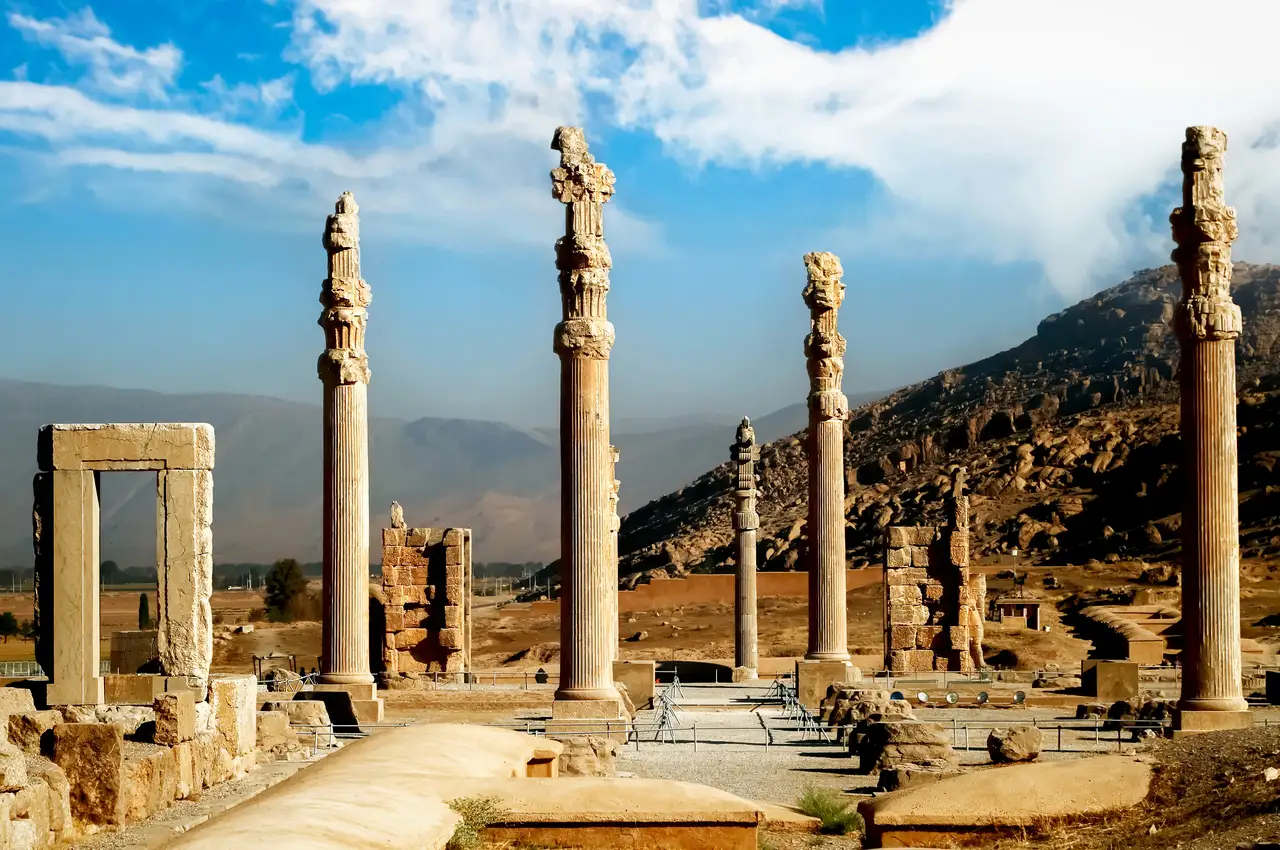
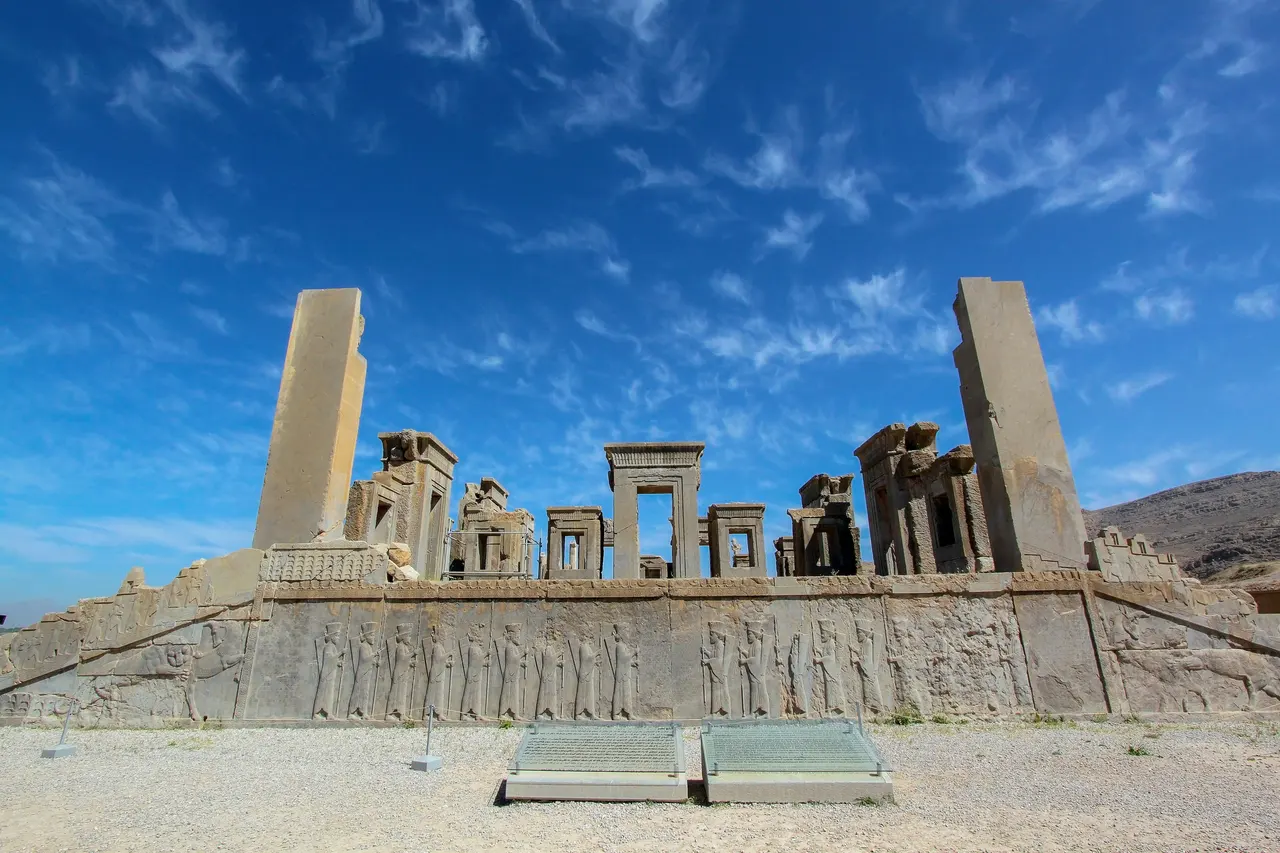
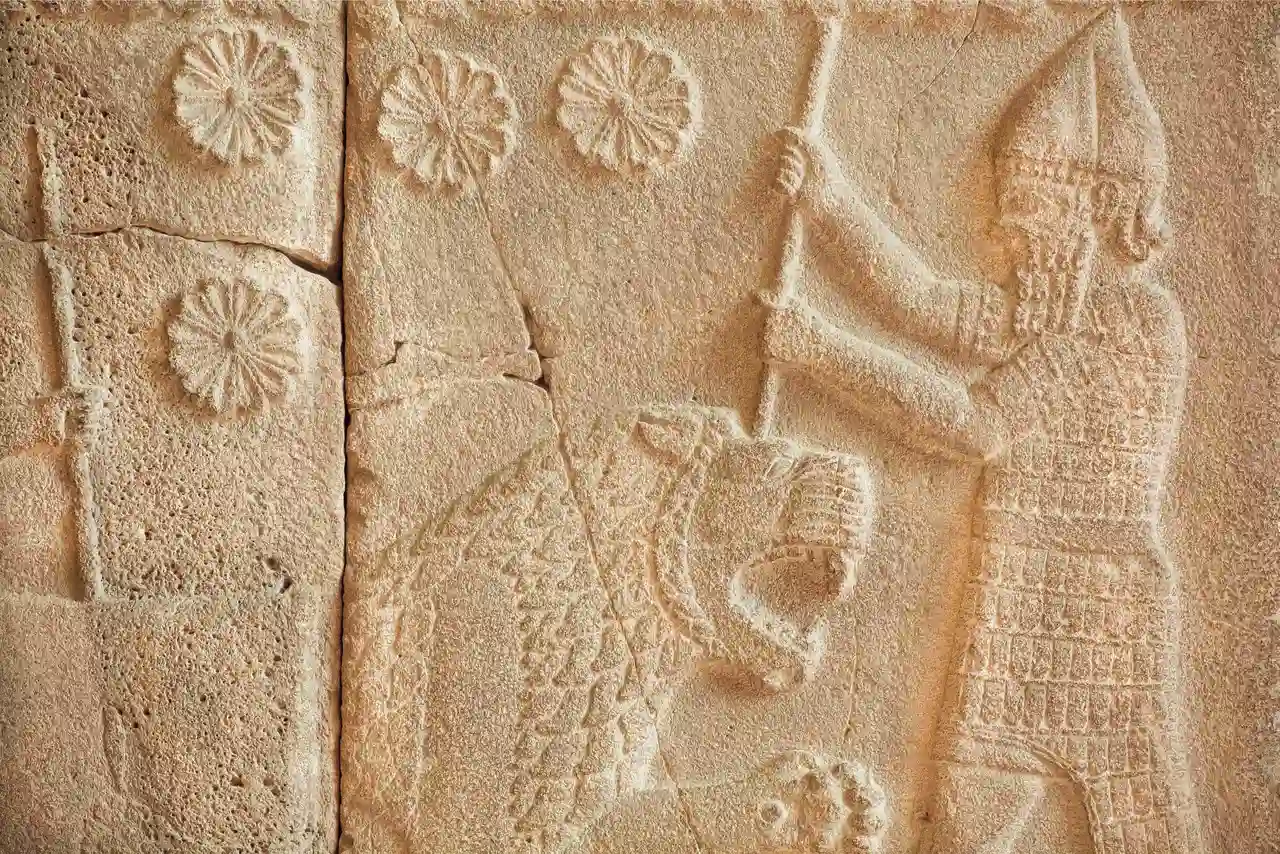
En route, explore the awe-inspiring ruins of Persepolis, the ceremonial capital of the Achaemenid Empire, founded by Darius the Great in 518 B.C. Built atop a vast terrace, this magnificent city was a statement of imperial power and artistic brilliance. Its grand staircases, monumental halls, and intricately carved reliefs reflect a fusion of architectural influences from across the empire.
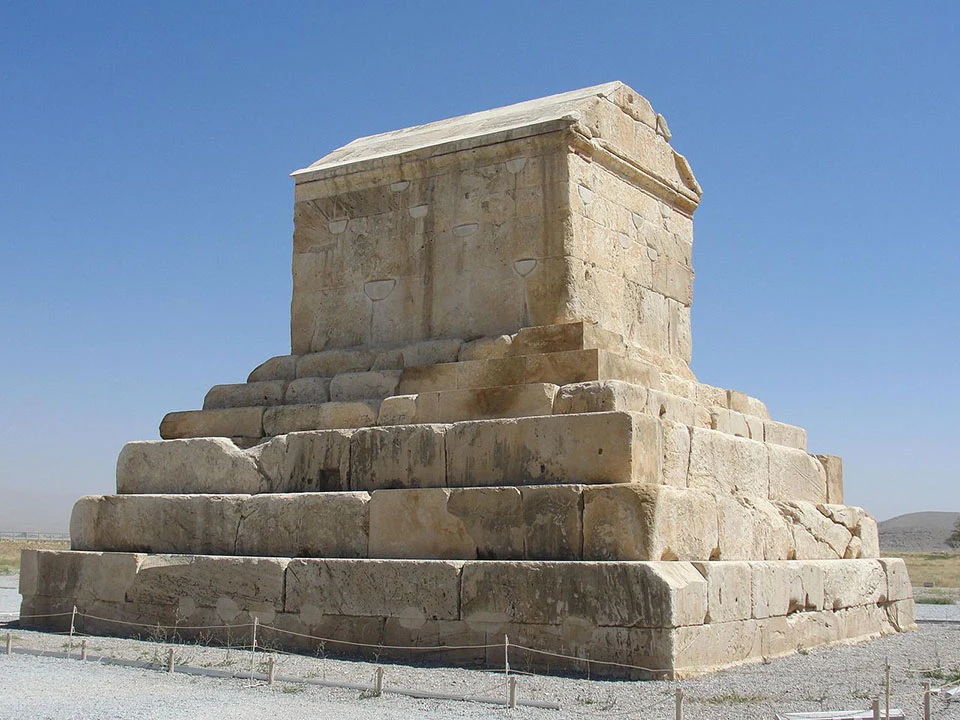
Continue to Naqsh-e Rustam, a nearby archaeological treasure featuring the rock-cut tombs of four mighty Achaemenid kings—including Darius I and Xerxes—carved high into a cliff face. The site is also notable for its Sassanid rock reliefs, etched centuries later beneath the royal tombs.
Enjoy lunch at a local restaurant before resuming the journey through Iran’s changing landscapes to Isfahan. Upon arrival, check in at the hotel.
Overnight in Isfahan.
Discovering Isfahan – The Jewel of Persian Architecture
After breakfast at the hotel, set out to explore the architectural wonders of Isfahan, a city renowned for its harmony of Persian and Islamic design, where every corner reveals beauty in form, symmetry, and detail. With its tree-lined boulevards, elegant domes, soaring minarets, and iconic bridges, Isfahan is often described as “half the world.”
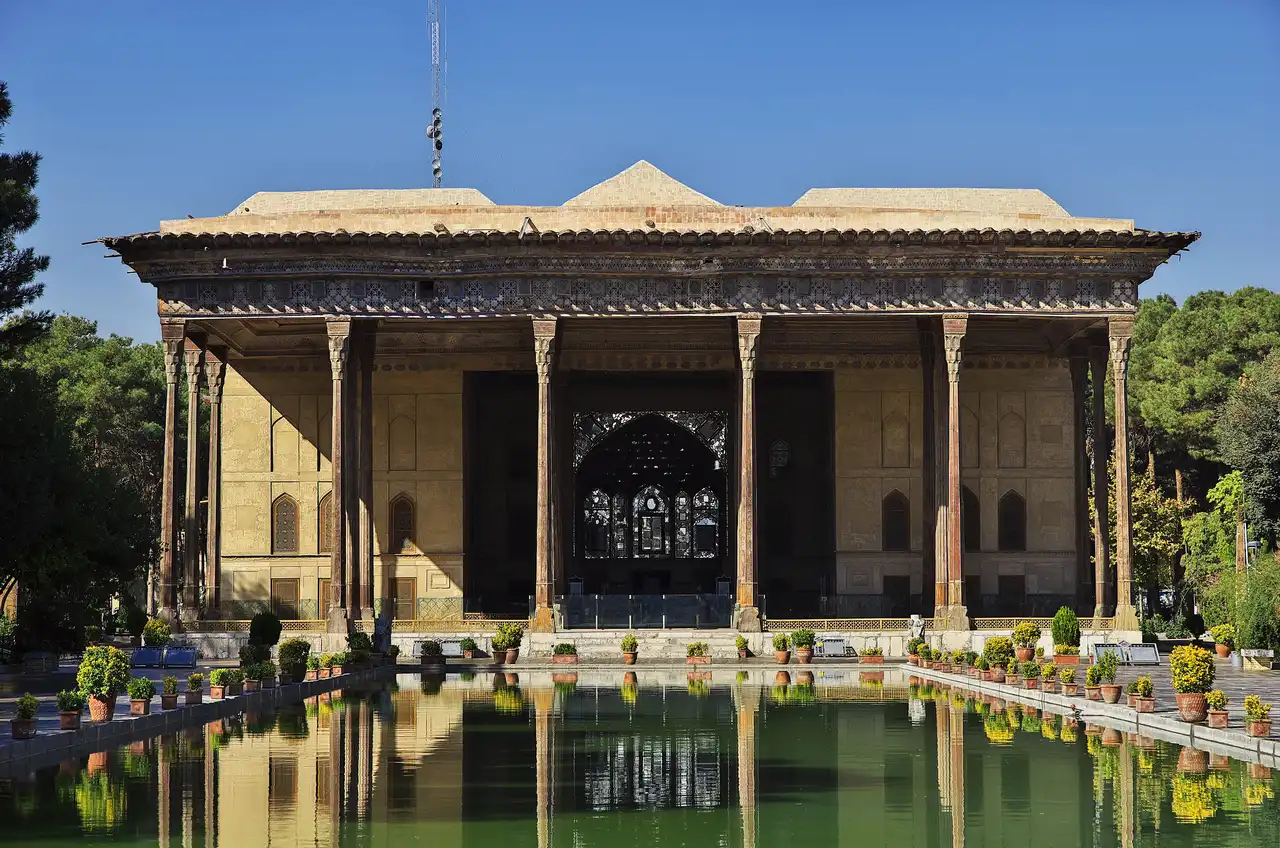
Begin your city tour with a visit to the Chehel Sotoun Palace, meaning “Forty Columns” in Persian. Set within a Persian garden, this UNESCO-listed palace reflects twenty slender wooden columns on its portico into a tranquil pool, giving the illusion of forty. Inside, marvel at the intricate mirror work, colorful frescoes, and painted panels that depict royal ceremonies and epic battles.
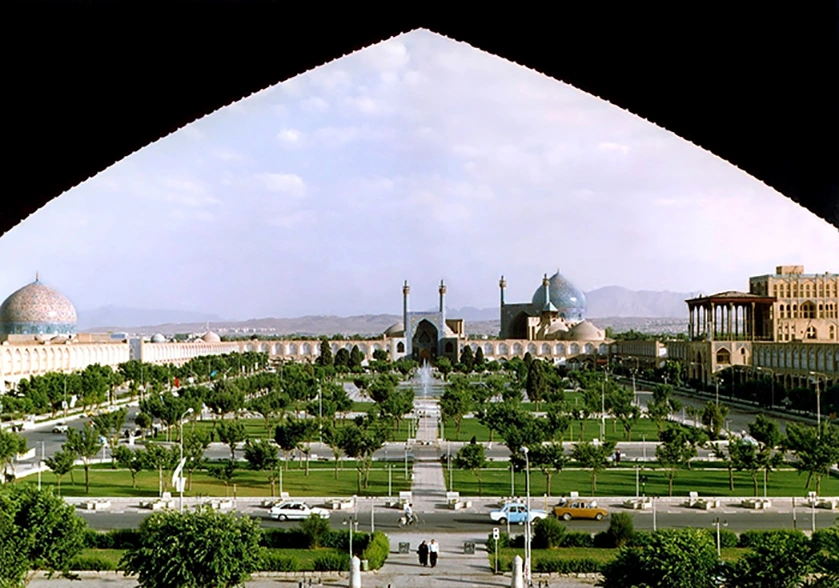
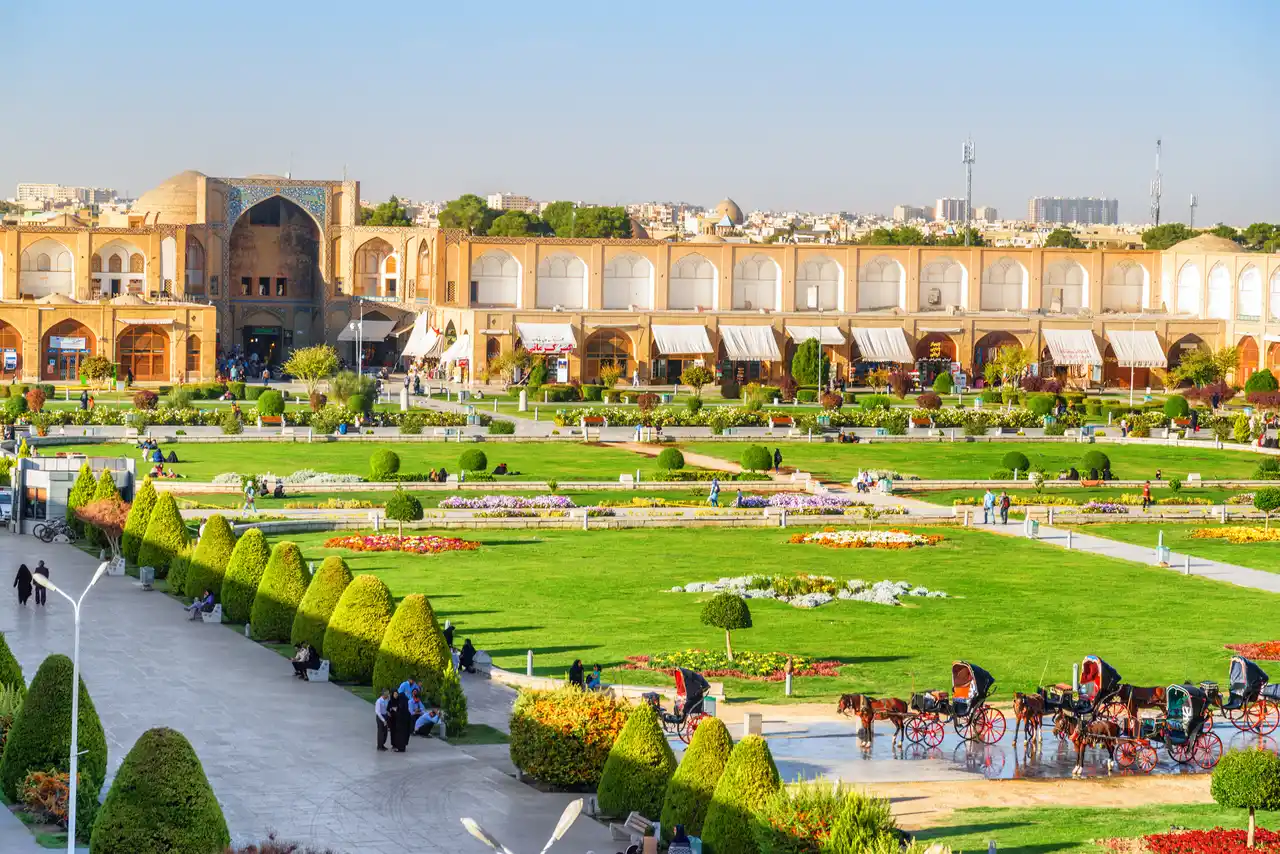
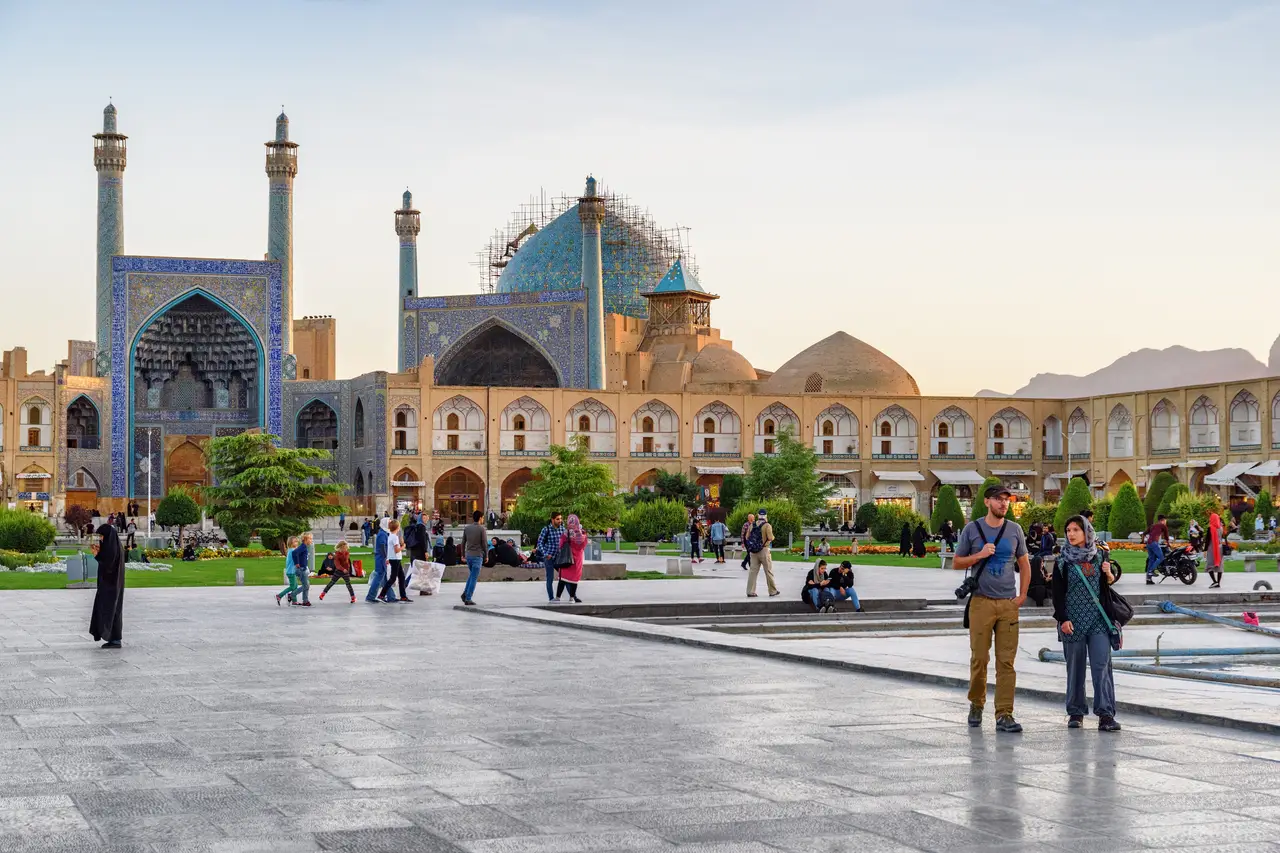
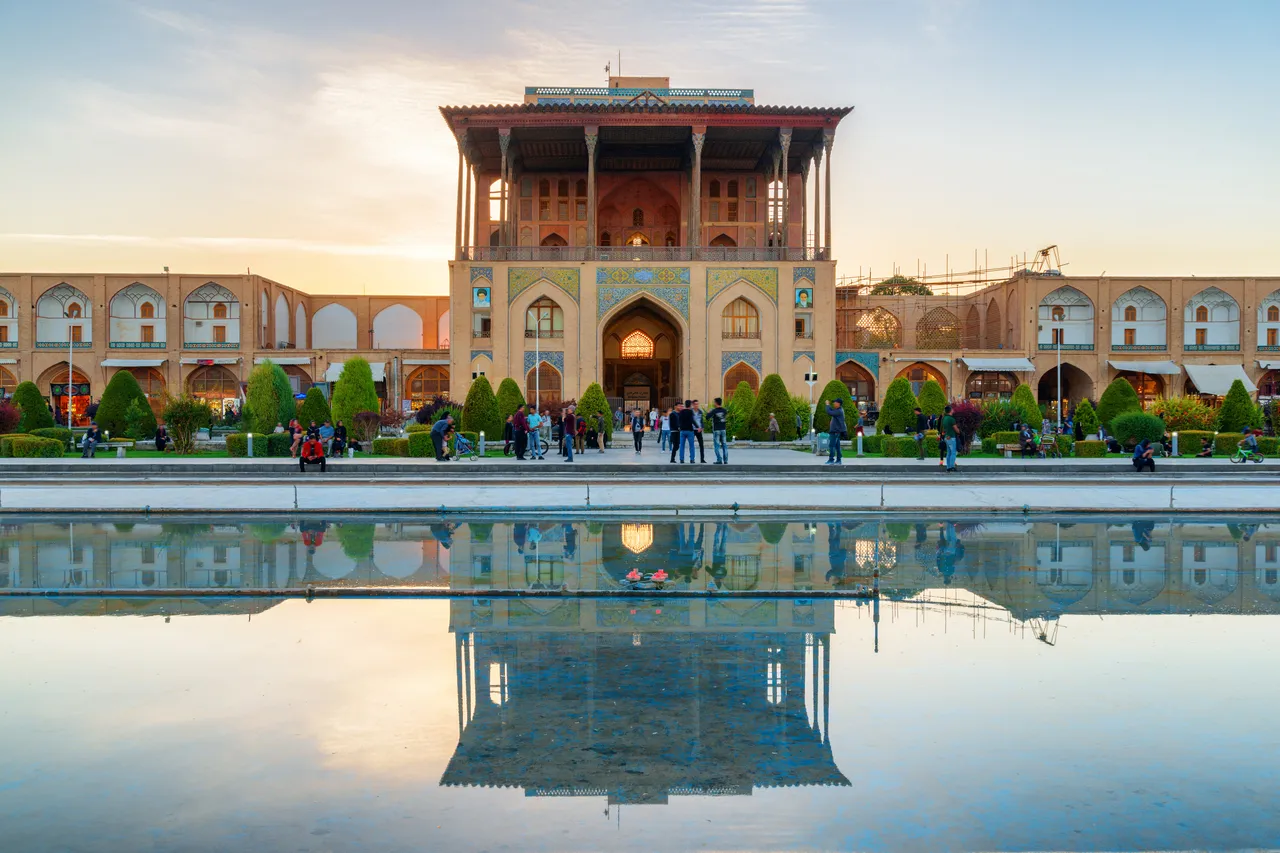
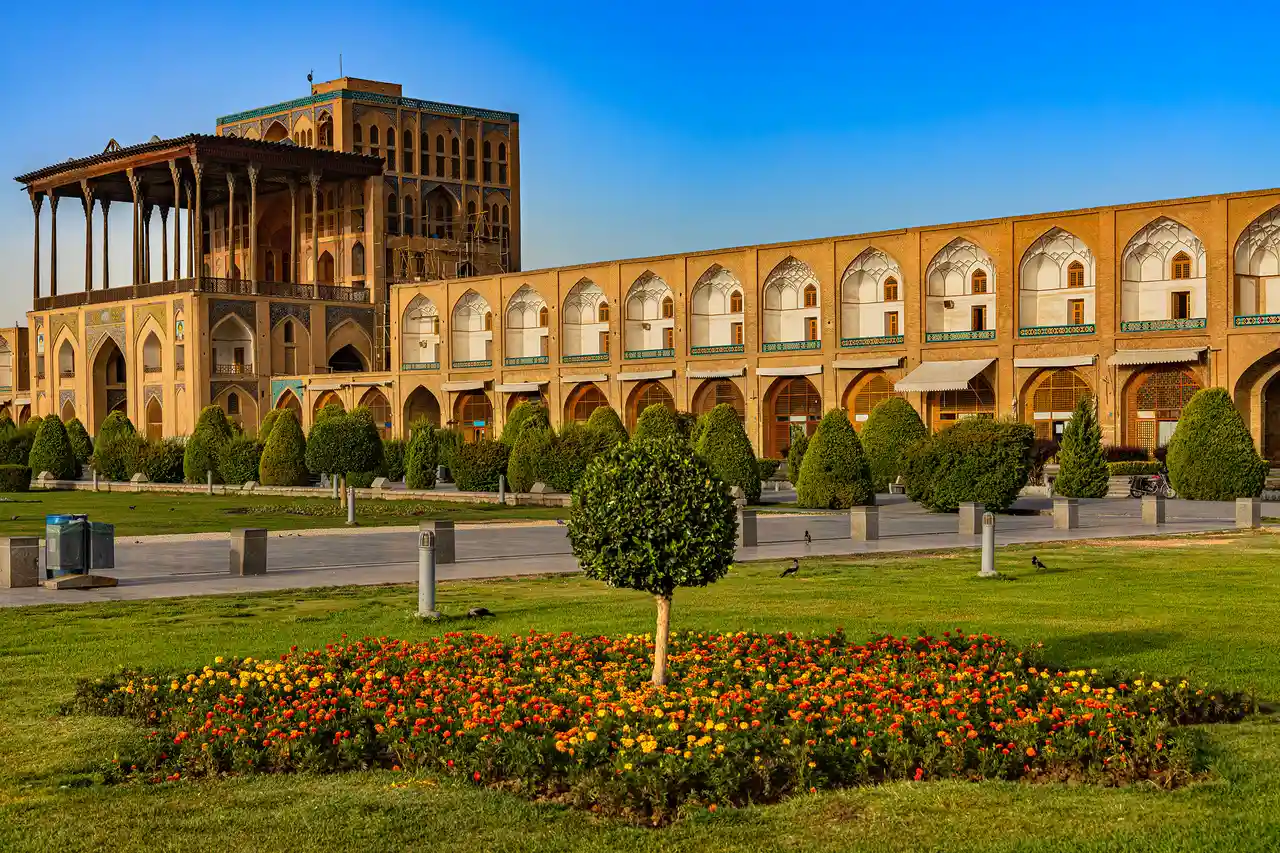
Next, step into the grandeur of Naqsh-e Jahan Square (Imam Square), one of the largest and most beautiful public squares in the world and a UNESCO World Heritage Site. Flanked by architectural masterpieces, it captures the soul of Safavid-era urban design.
Visit the Ali Qapu Palace, once the residence of Safavid rulers, where you’ll discover richly decorated halls and a stunning music room with acoustic niches. Continue to the majestic Imam Mosque, known for its monumental scale, exquisite blue tilework, and spiritual aura. Then, enter the Sheikh Lotfollah Mosque, a masterpiece of elegance and geometry, famed for its creamy dome that glows golden under the sun.
End the square tour at the Bazaar of Isfahan, a labyrinth of traditional shops selling carpets, miniature paintings, spices, and handicrafts—a perfect place to immerse yourself in local life and culture.
Enjoy lunch at a local restaurant, tasting traditional Iranian cuisine in the heart of the city.
Overnight in Isfahan.
Isfahan – Spiritual Crossroads and Living Heritage
Enjoy breakfast at the hotel before embarking on your final full day in Isfahan, a city that continues to reveal its depth and diversity with every step.
Begin with a visit to the magnificent Jameh Mosque of Isfahan, a UNESCO World Heritage Site since 2012. This sprawling architectural masterpiece showcases nearly a millennium of Iranian-Islamic design evolution, where each era—from the Seljuks to the Safavids—has left its unique artistic mark. Stroll through its vast courtyards, domes, and prayer halls, and witness the seamless blend of structure and spirituality.
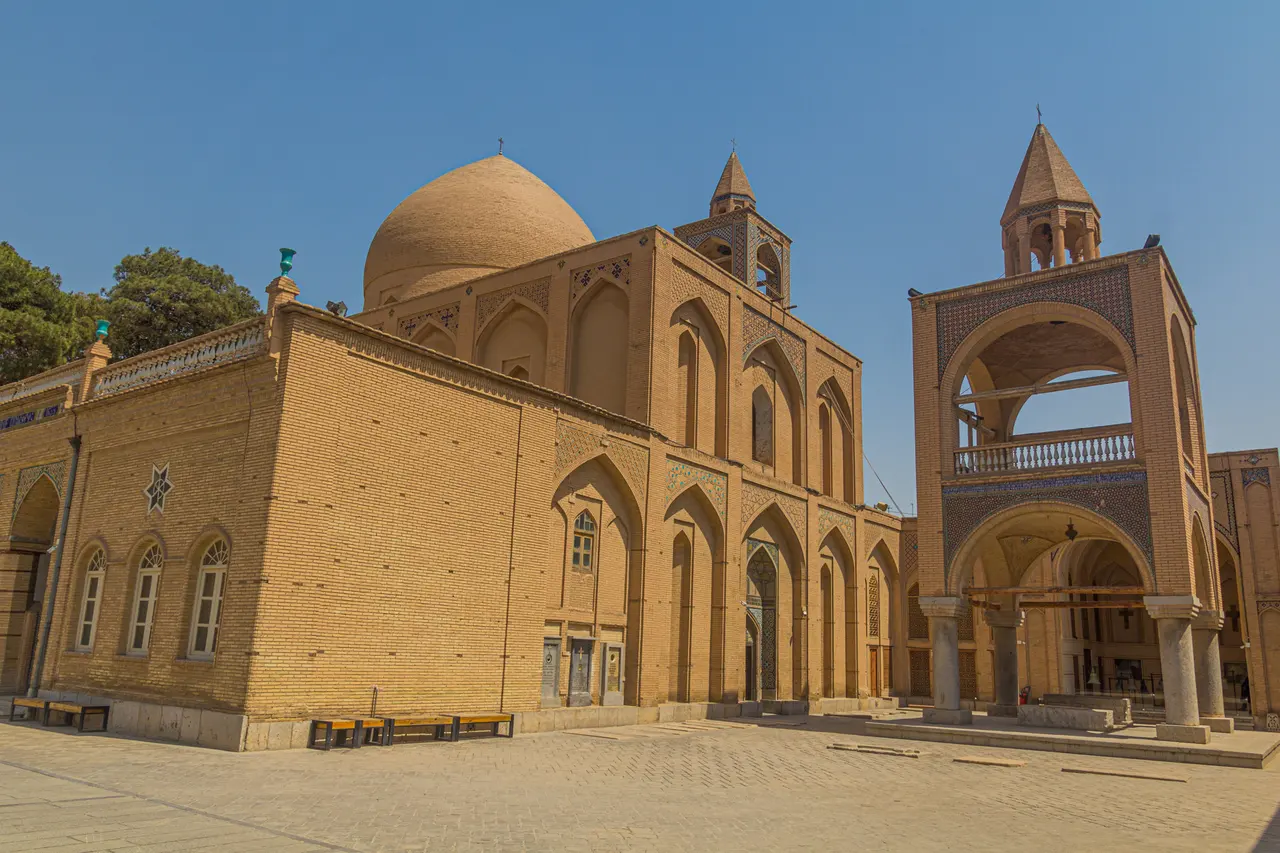
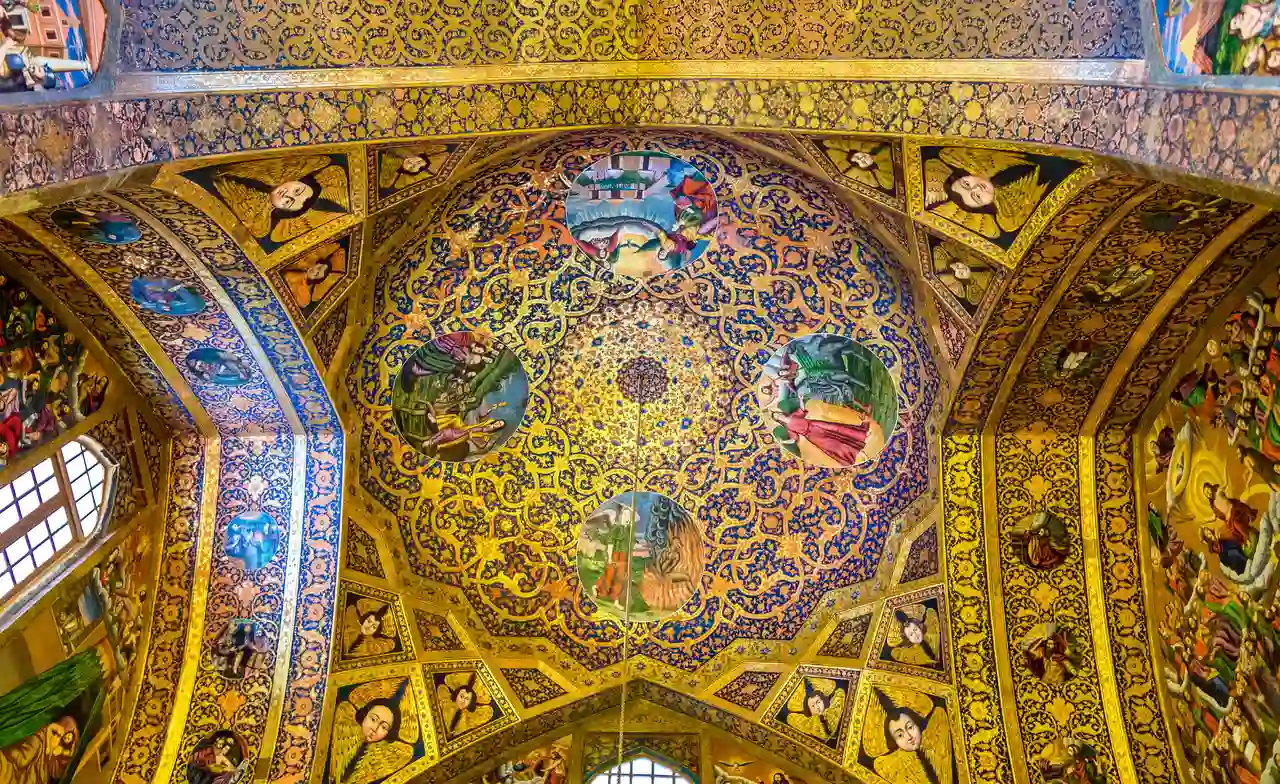
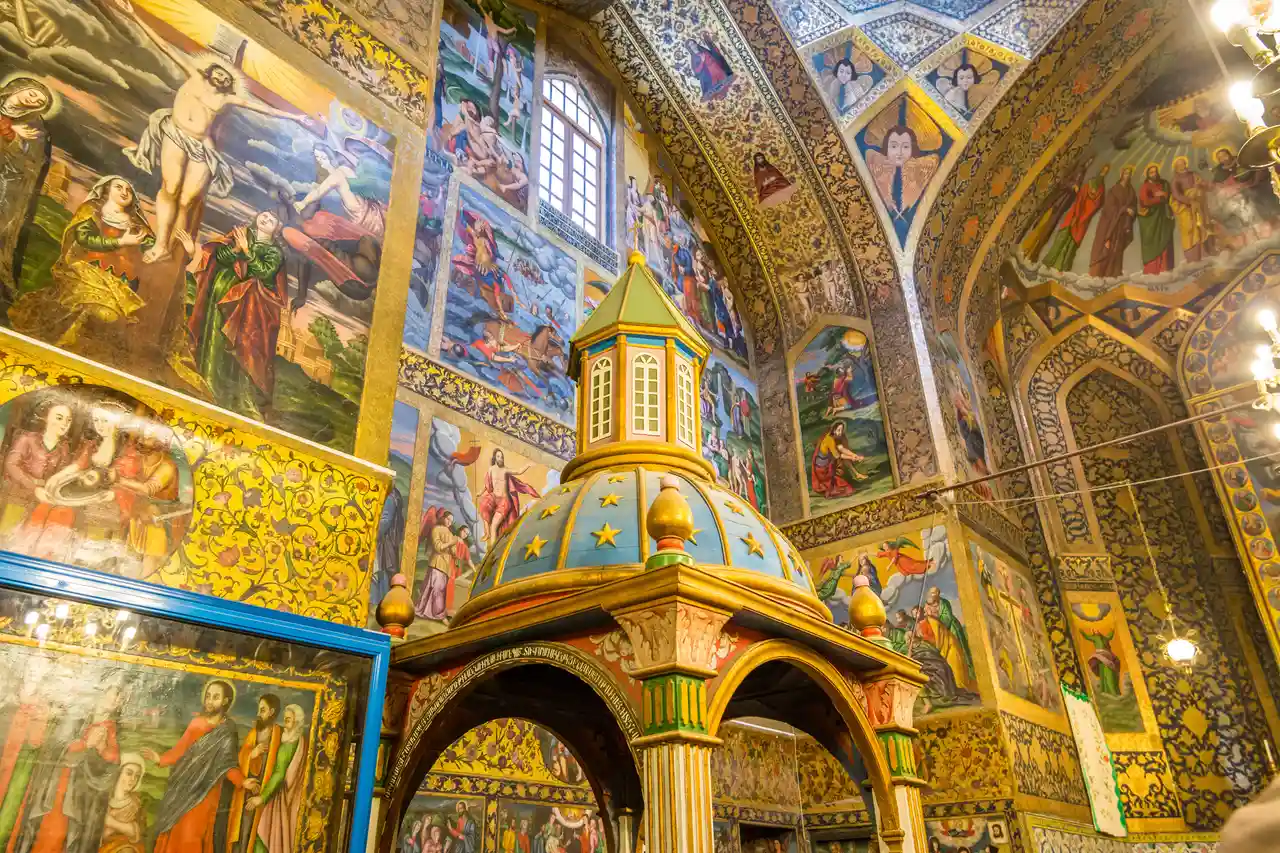
Next, step into a different cultural realm with a visit to the Vank Cathedral, the beating heart of Isfahan’s Armenian quarter. Also known as the Cathedral of the Holy Sisters, this 17th-century church is famed for its combination of Armenian and Persian architectural styles. Inside, you’ll discover vivid frescoes, a richly decorated altar, and a museum that tells the story of Iran’s Armenian community. The word Vank means cathedral in Armenian, and this one stands as a living symbol of coexistence.
Continue to the fascinating Monar Jonban, or Shaking Minarets. This 14th-century structure is known for its curious phenomenon: when one minaret is shaken, the other vibrates in harmony—a mystery that continues to intrigue architects and visitors alike.
Pause midday for a traditional Iranian lunch at a local restaurant, savoring the flavors that reflect the region’s culinary richness.
Overnight in Isfahan.
Isfahan – Tehran
After breakfast at the hotel, transfer to Isfahan Airport for your flight to Tehran, the vibrant capital of Iran.
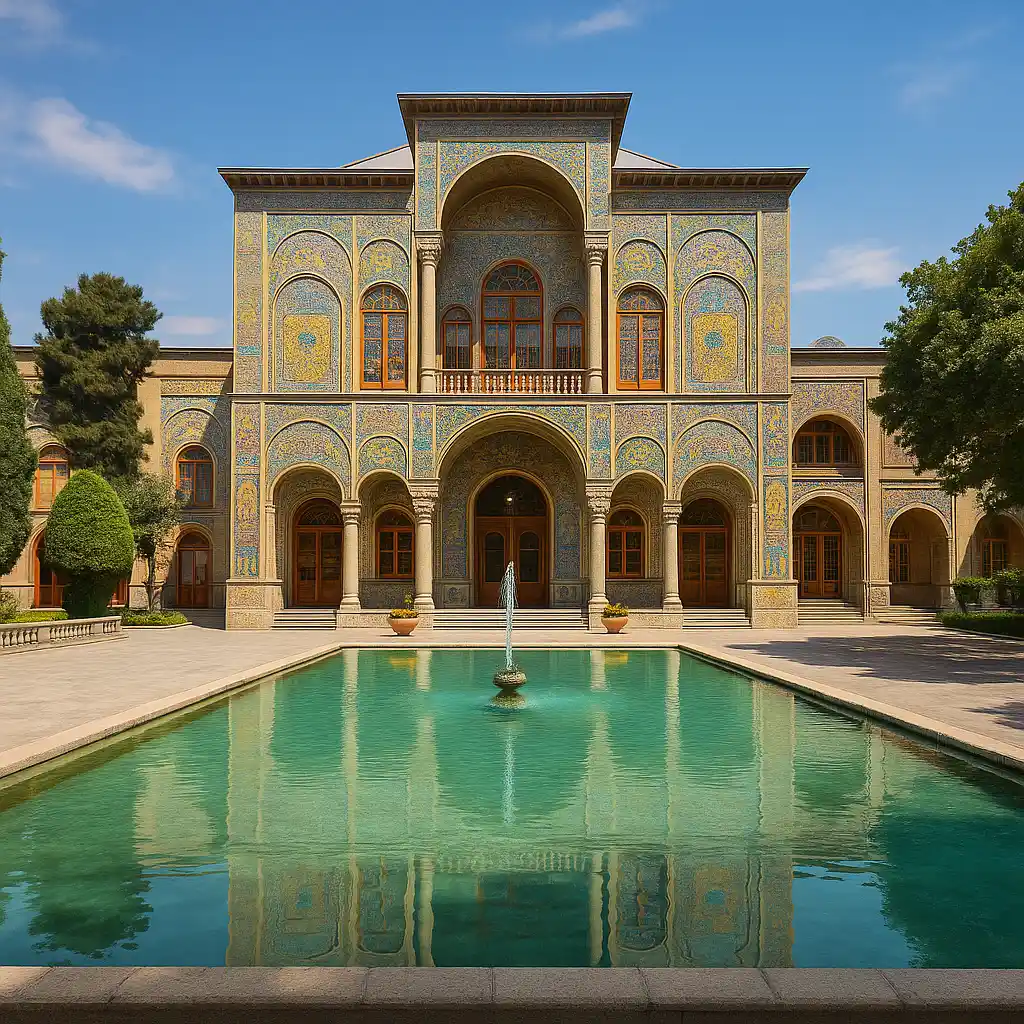
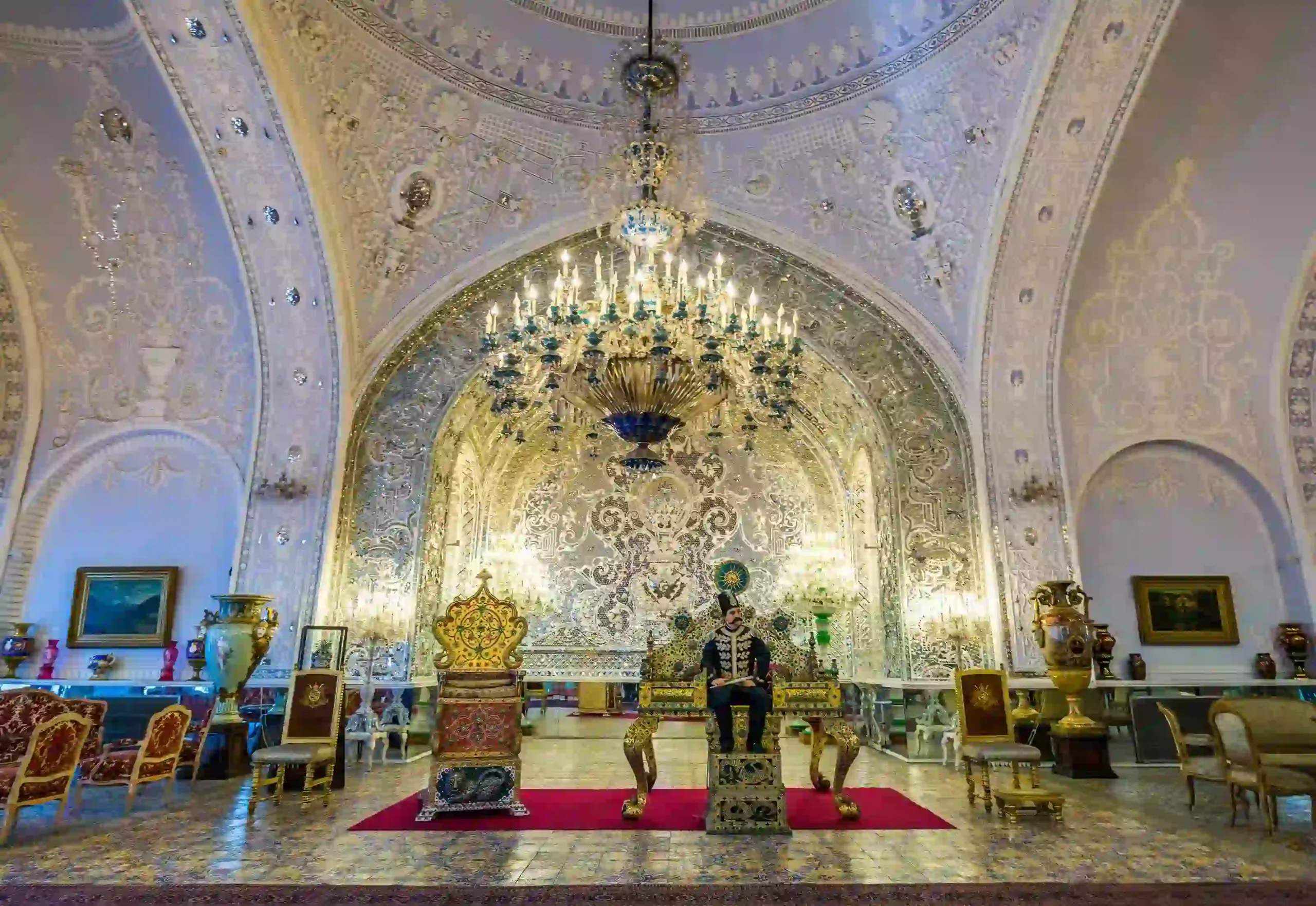
Upon arrival, begin your Tehran city tour with a visit to the majestic Golestan Palace, a UNESCO World Heritage Site located in the heart of the city. This Qajar-era masterpiece reflects the elegance and grandeur of Naser al-Din Shah’s reign, adorned with mirror mosaics, intricate tilework, and royal halls that tell the story of a changing dynasty.
Continue to the National Museum of Iran, where thousands of years of Persian civilization come to life. Discover a wide range of archaeological treasures—from ancient pottery and tools to Achaemenid inscriptions and Islamic manuscripts.
Visit the Sa’dabad Palace Complex, a sprawling estate in the foothills of northern Tehran. Originally a summer retreat for Qajar monarchs, it was expanded by the Pahlavi dynasty and now serves as a cultural and historical landmark. The palace grounds offer a serene contrast to the bustle of the city.
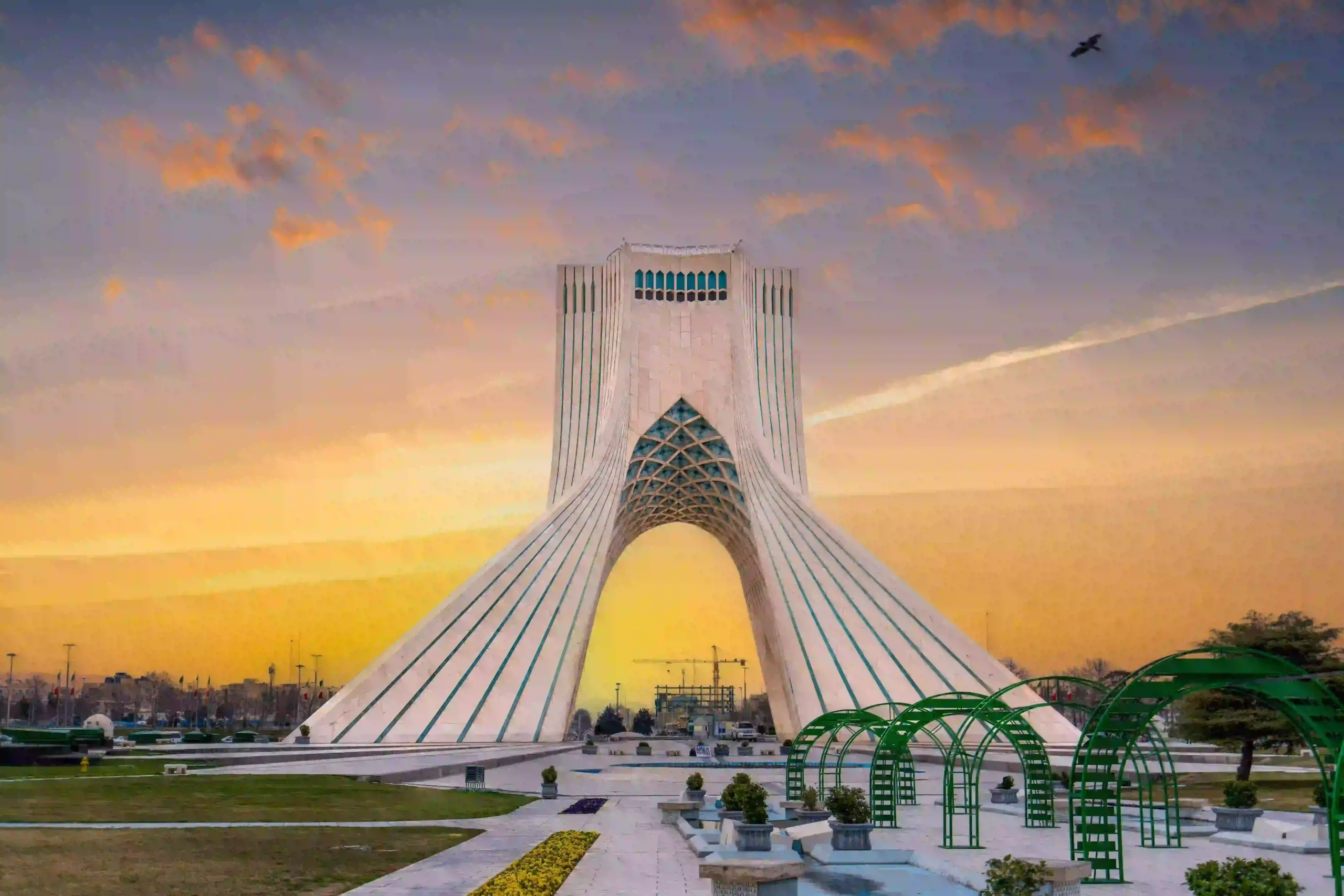
Conclude the day with a visit to Tajrish Square and Bazaar, a lively corner of northern Tehran filled with local life, traditional shops, and colorful market stalls. It’s the perfect place to experience the authentic spirit of Tehran.
Enjoy lunch at a traditional local restaurant.
Overnight in Tehran.
Tehran – Departure
After breakfast, transfer to Imam Khomeini International Airport (IKA) for your departure flight.
Tour Package Prices Per Person in Double Room (USD)