



Armenia’s Timeless Treasures: A UNESCO Heritage Tour
Cultural tours
9 days / 8 nights
availability
Full year
Discover Armenia’s UNESCO World Heritage Gems
Embark on an 8-day journey through Armenia’s rich cultural and natural heritage. Explore iconic UNESCO-listed sites, including ancient monasteries, the pagan temple of Garni, and the spiritual heart of Armenia, Etchmiadzin Cathedral. Delight in breathtaking landscapes from the serene waters of Lake Sevan to the dramatic cliffs of Noravank. Experience unique traditions with wine tastings, a lavash baking class, and mesmerizing duduk melodies. This tour offers a perfect blend of history, culture, and scenic beauty, making it an unforgettable adventure in the cradle of civilization.
Detailed Descriptions
Arrival in Yerevan – transfer to the selected hotel –check in
Yerevan - City Tour
Breakfast at the hotel.
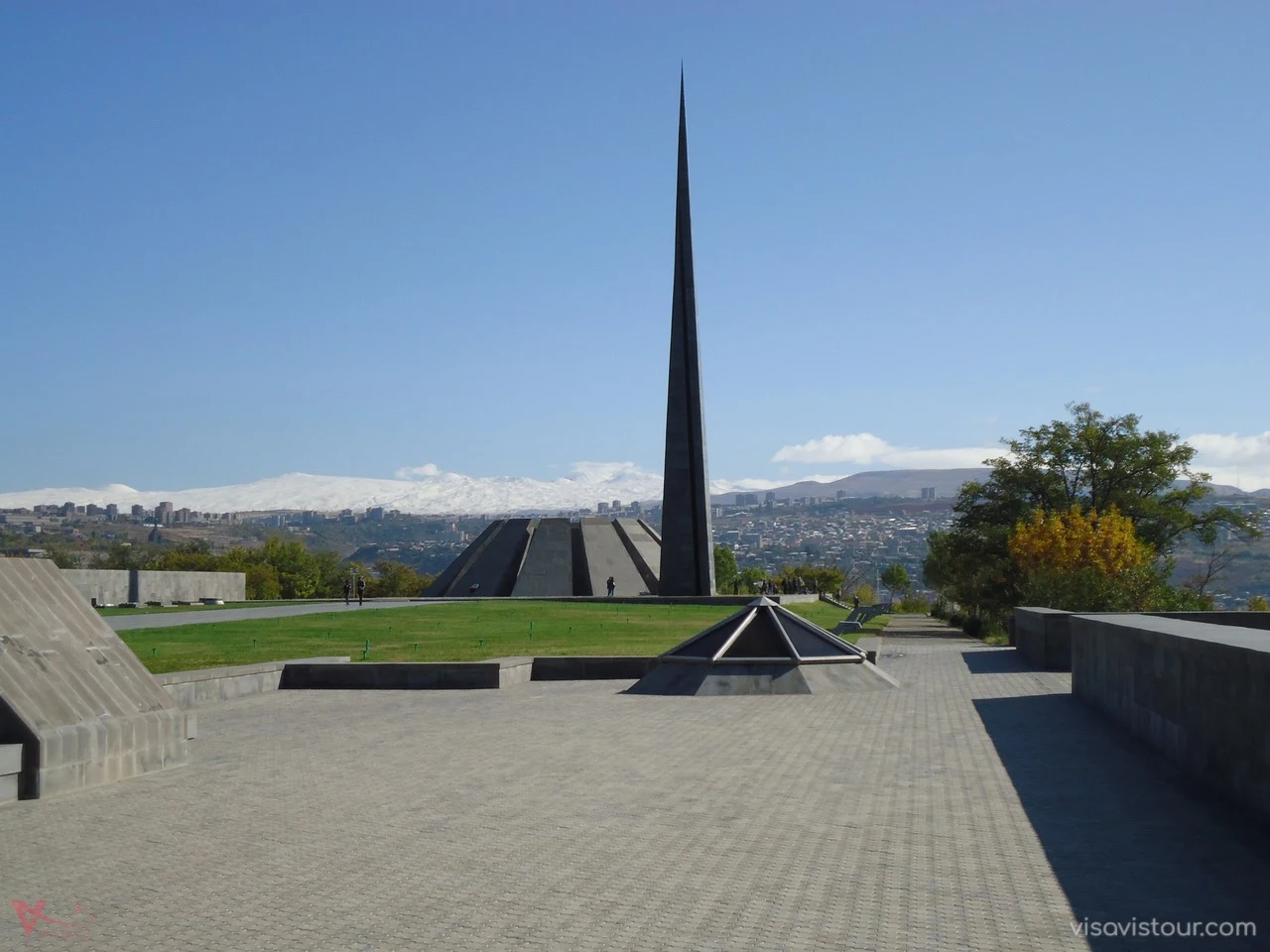
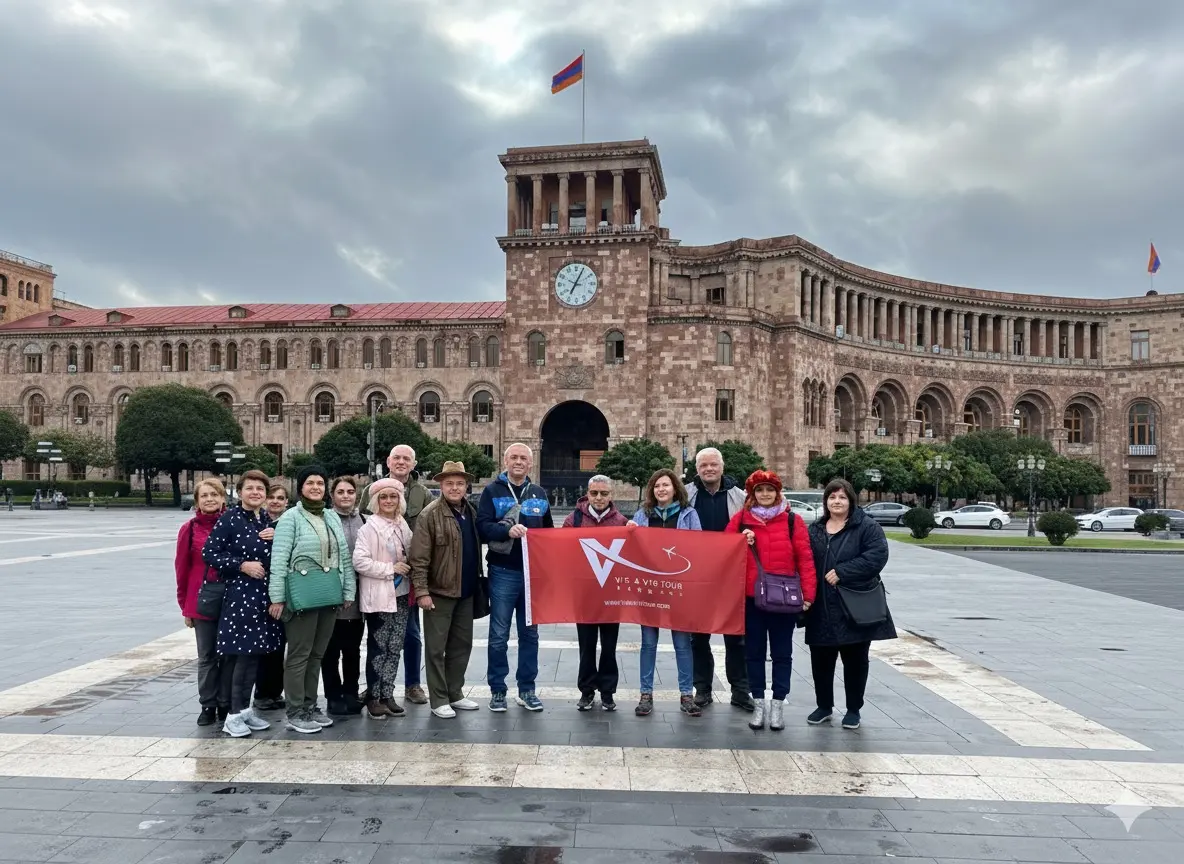
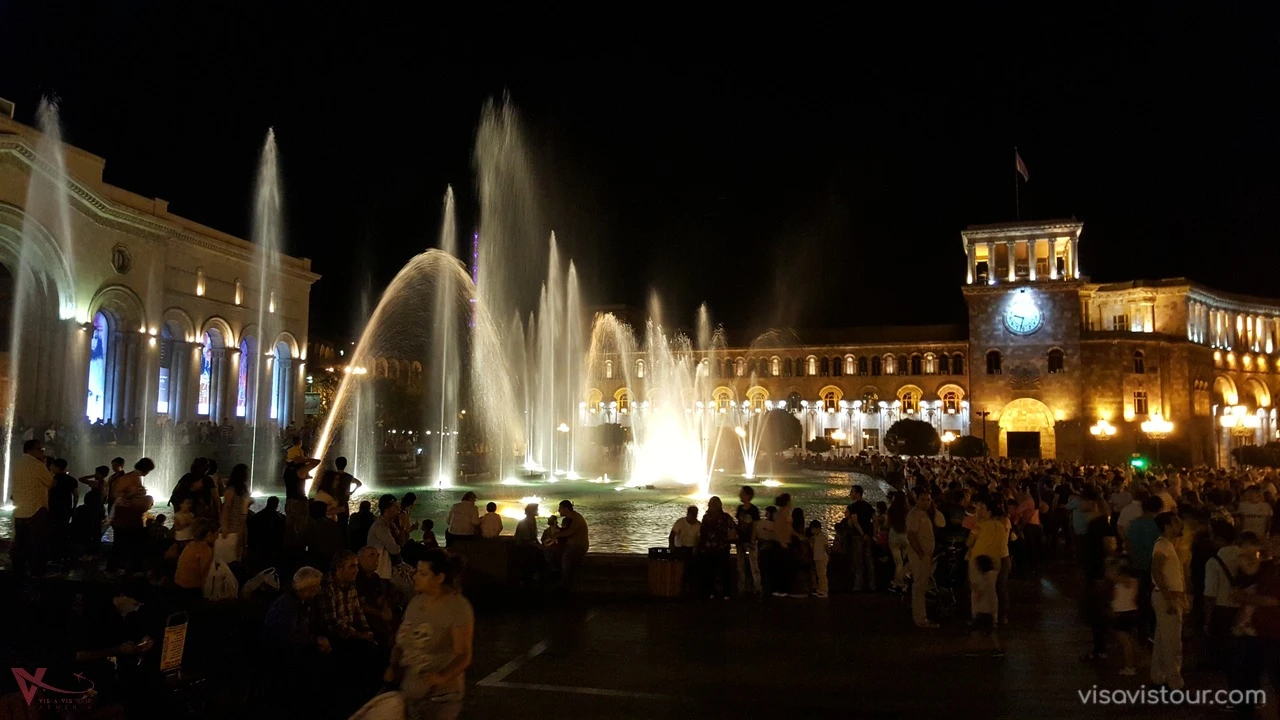
Discover Yerevan with a guided city tour, including City center, Republic Square, Northern Avenue, the Mother Armenia Monument, Parliament, President’s Palace, Opera House, Swan Lake and Genocide Memorial, dedicated to the Victims of 1915 and the Genocide Museum.
During your city tour in Yerevan, you’ll have the opportunity to visit the David of Sassoun Memorial, dedicated to the legendary hero of Armenian epic folklore. This monument commemorates David of Sassoun, the central figure in the “Daredevils of Sassoun” epic, which has been inscribed on UNESCO’s Representative List of the Intangible Cultural Heritage of Humanity.
Visit Matenadaran (Memory of the World UNESCO 1997) – home to one of the world’s largest collections of 17000 ancient manuscripts.
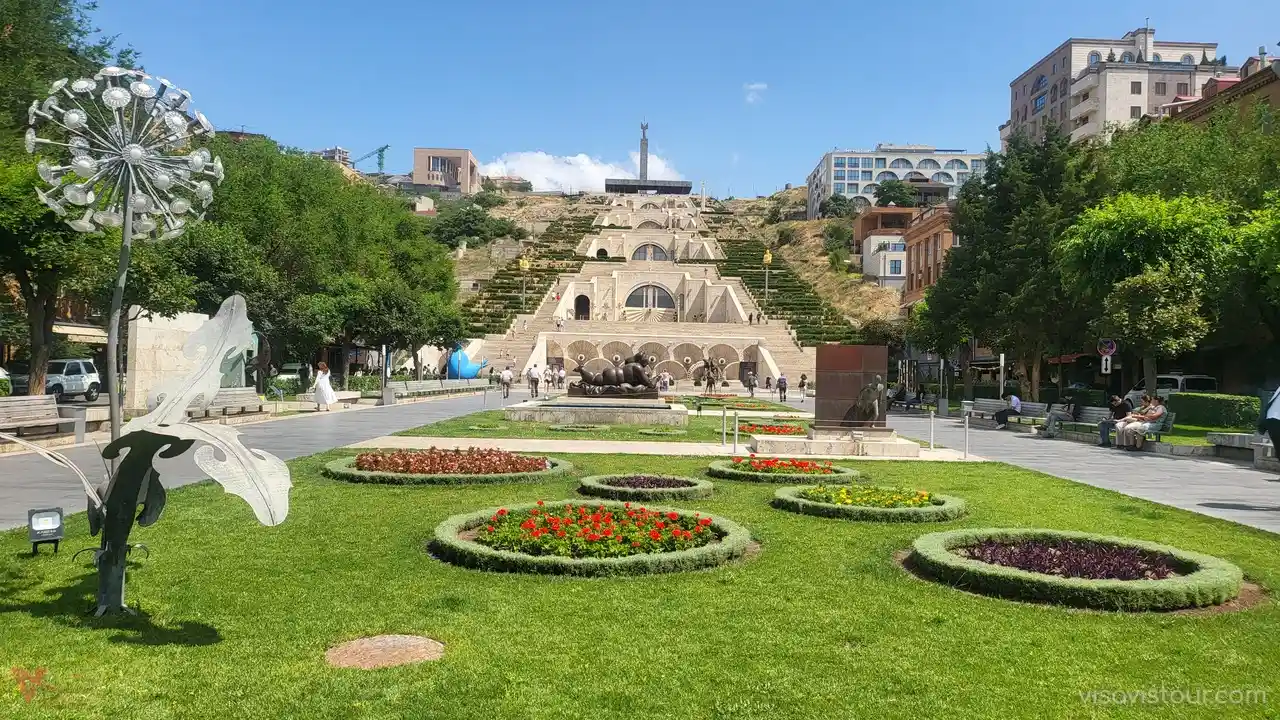
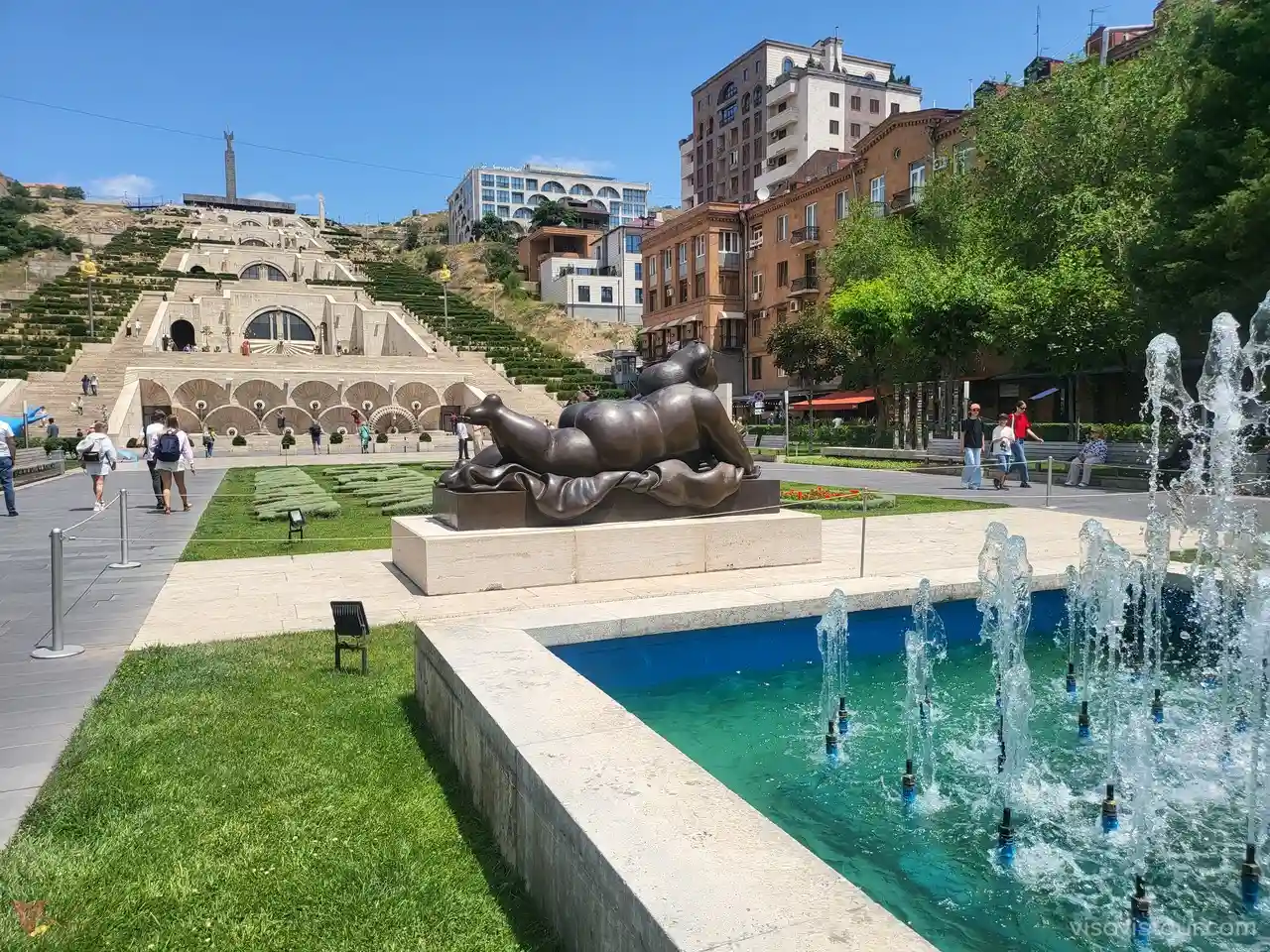
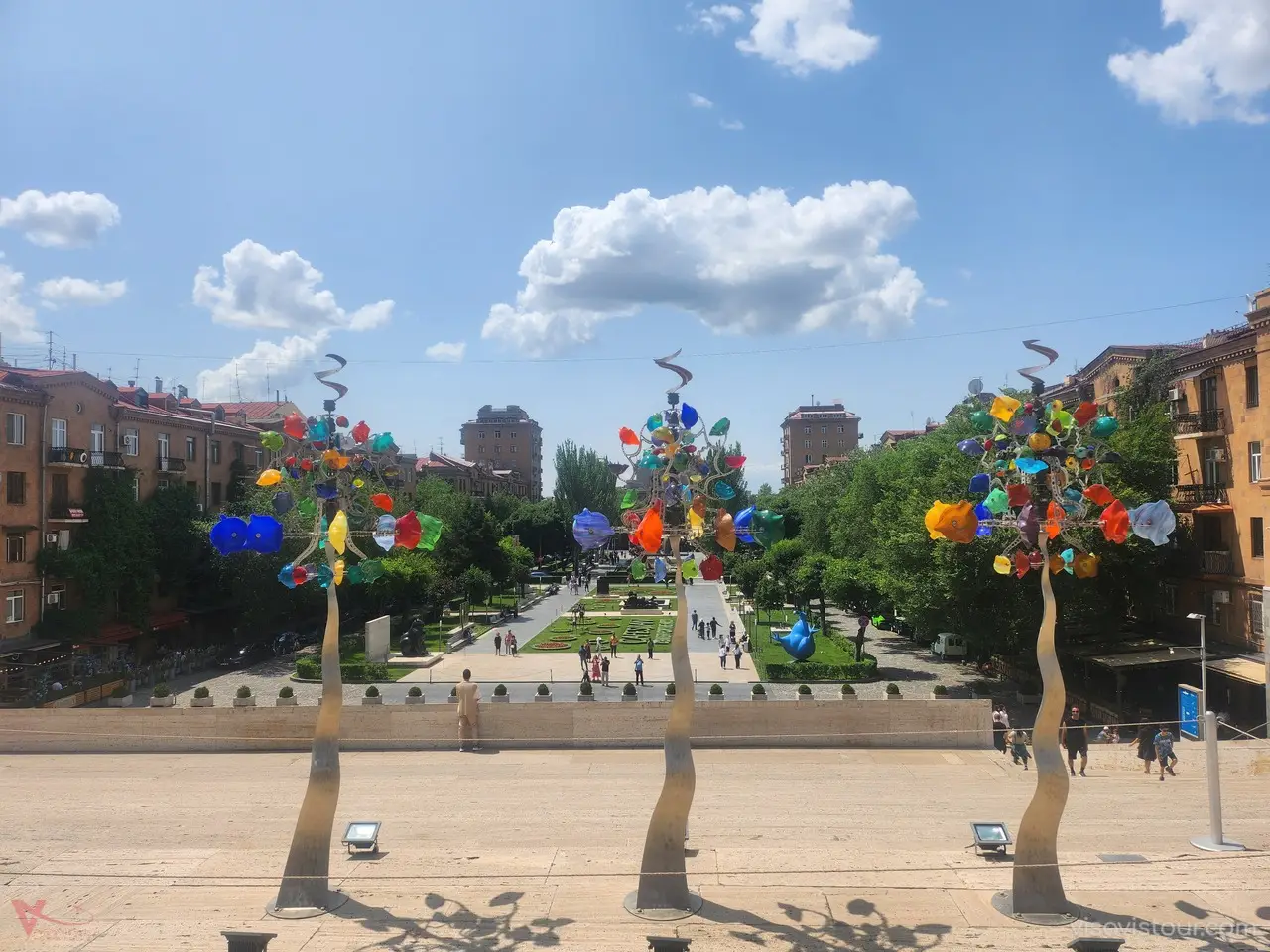
Explore Cascade Complex, the hub of contemporary art in Yerevan with art pieces displayed throughout the whole area: the boulevard and up the stairs. From top of Cascade the marvelous panoramic view on the city and Mountain Ararat is open. Cascade is home to Cafesjian modern art museum. This place becomes even more charming in the evenings, when it is full of people, both locals and tourists from all over the world, enjoying the magic and the warmth of the capital. It is also a popular place for open air concerts at summer season.
Visit the Aram Khachaturian Museum in Yerevan, dedicated to the life and legacy of one of Armenia’s most celebrated composers, Aram Khachaturian. The museum showcases a rich collection of his personal items, manuscripts, music scores, and recordings. As part of UNESCO’s Memory of the World program, the museum preserves valuable documents and artifacts that highlight Khachaturian’s significant contribution to classical music and cultural heritage. His works have become iconic in both classical and popular music, with compositions such as the “Sabre Dance” from Gayane and the Adagio of Spartacus and Phrygia from Spartacus remaining deeply beloved worldwide.
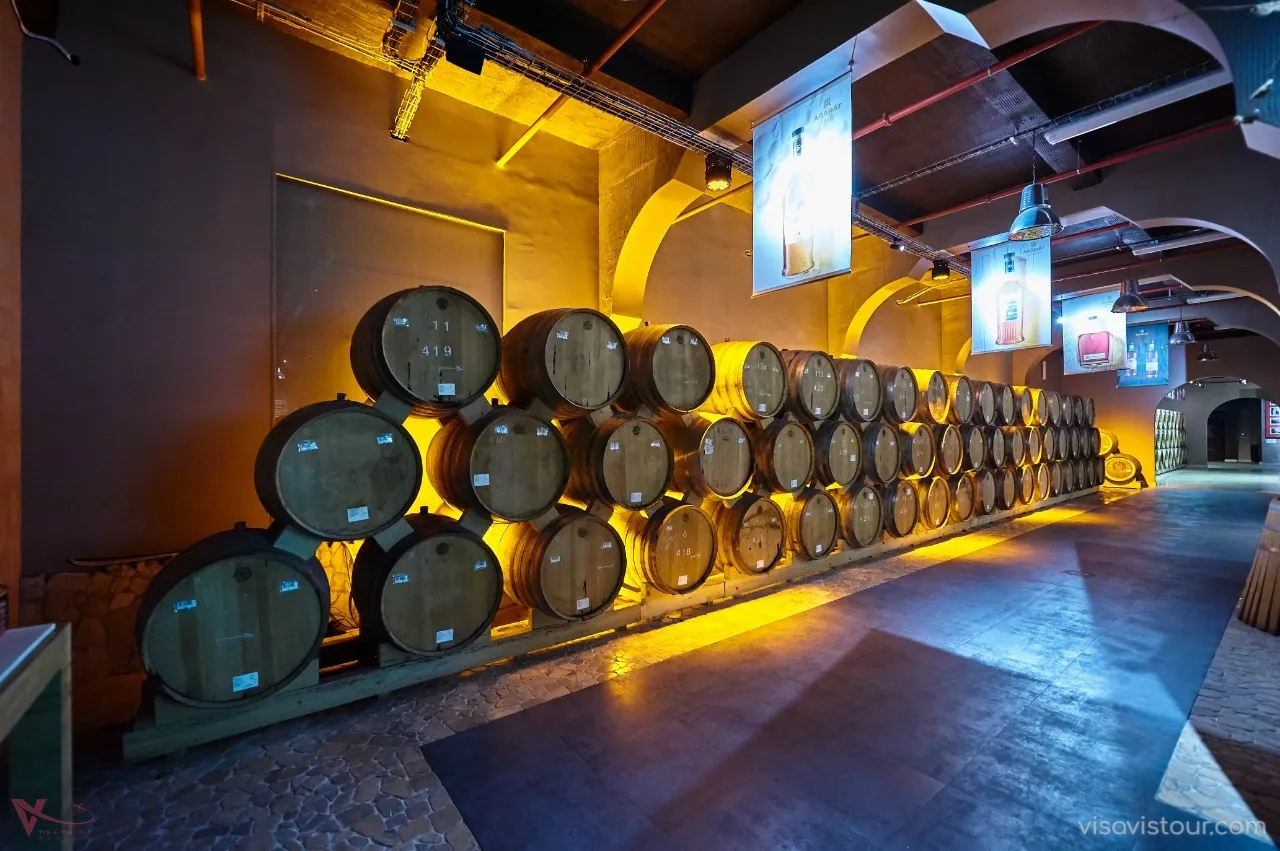
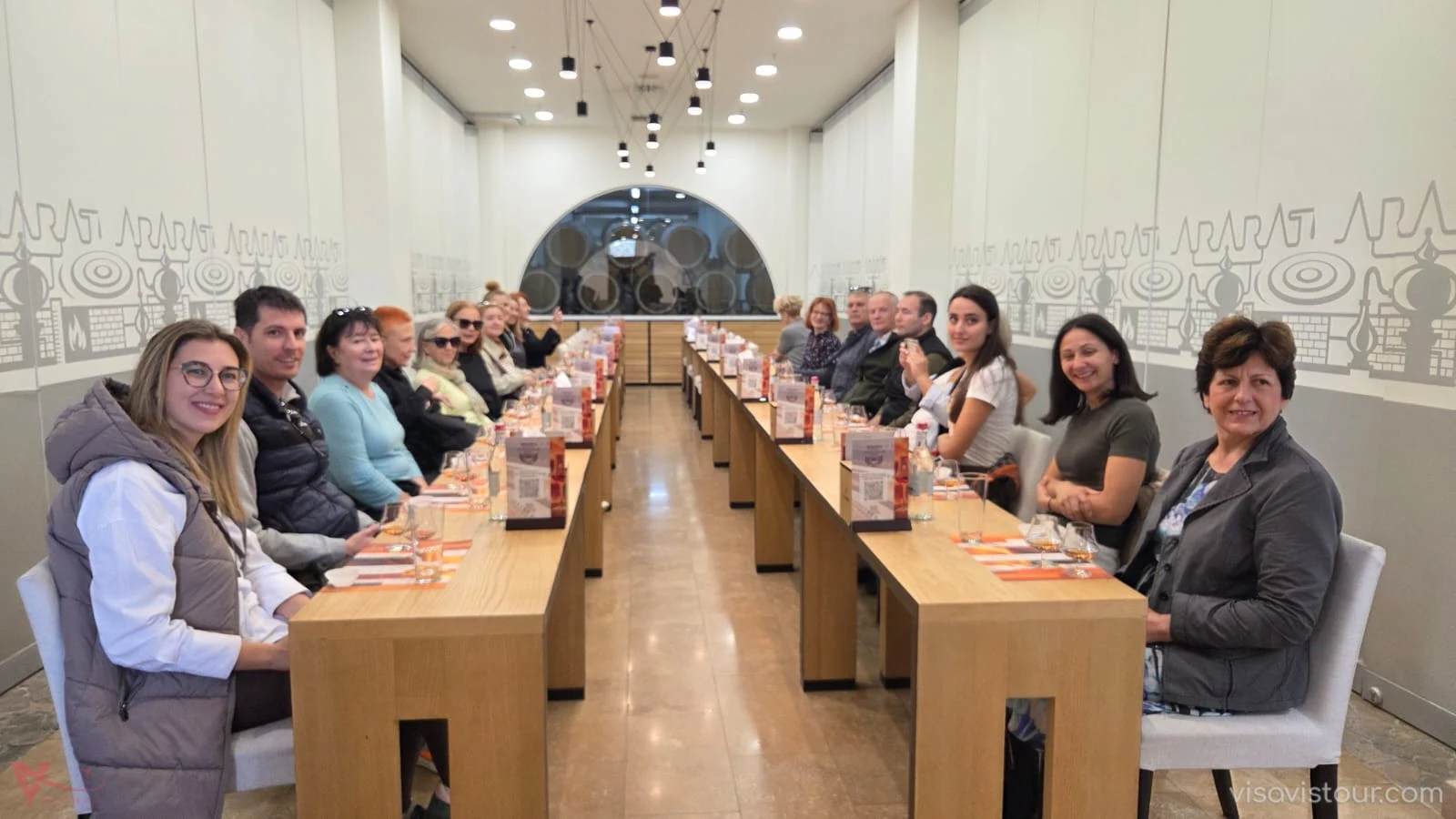
Optional: Very interesting one hour tour around Armenian brandy factory offers tourists familiarization with the history of the plant, process of brandy preparation, showrooms and halls of storages. Visitors will also have degustation of 2 types of brandy in degustation hall. Brandy shop at the factory territory will be available for purchasing of these famous Armenian brandy directly from the factory.
Yerevan - Garni Temple – Geghard Monastery - Yerevan
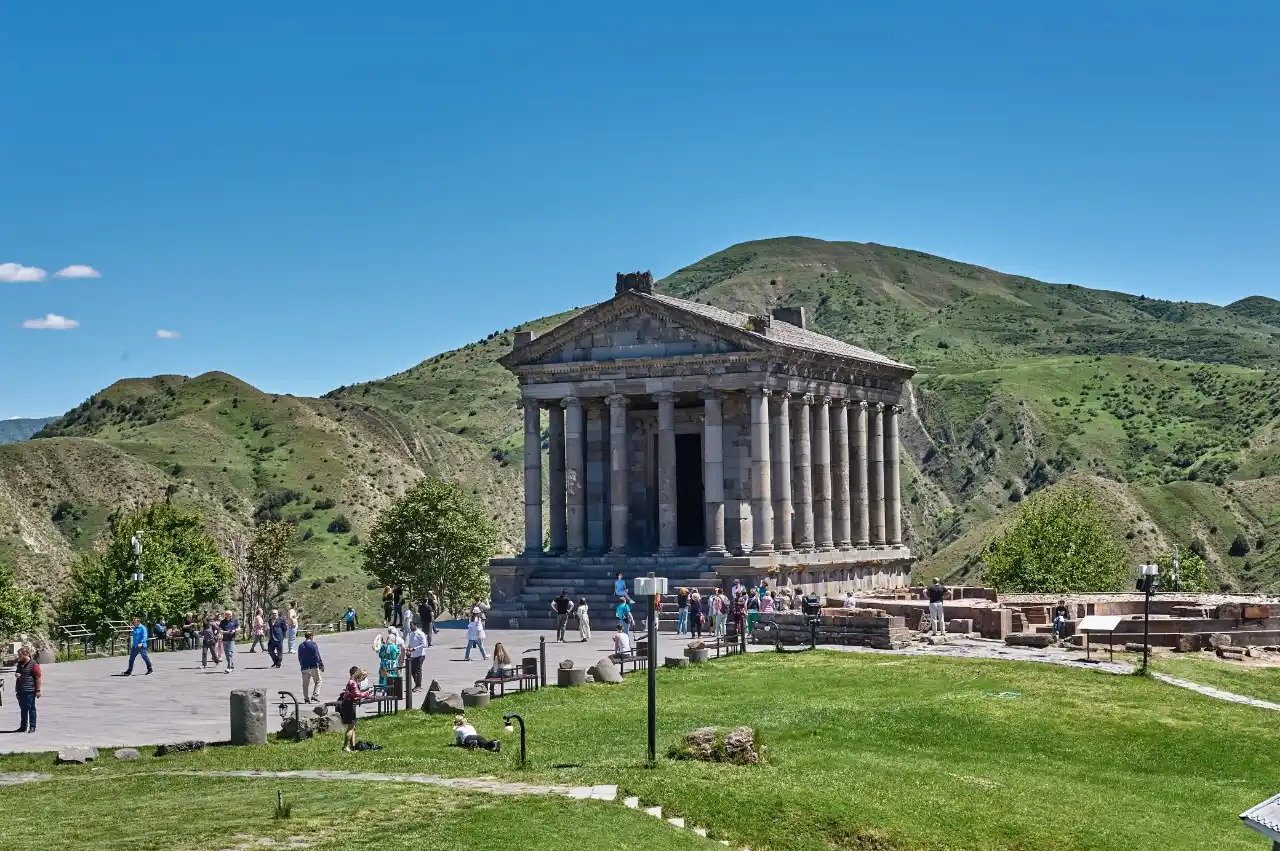
After breakfast, head to Garni Temple, the only remaining pagan temple in Armenia, devoted to the God of Sun – Myrth, in Garni, built in 77 AD by King
Trdat (Arshakid Dynasty). On the way enjoy a photo stop at the Charentc Arc with a nice view on Ararat Mountain.
Visit to the ruins of Royal Palace and Royal bath-house next to Garni temple.
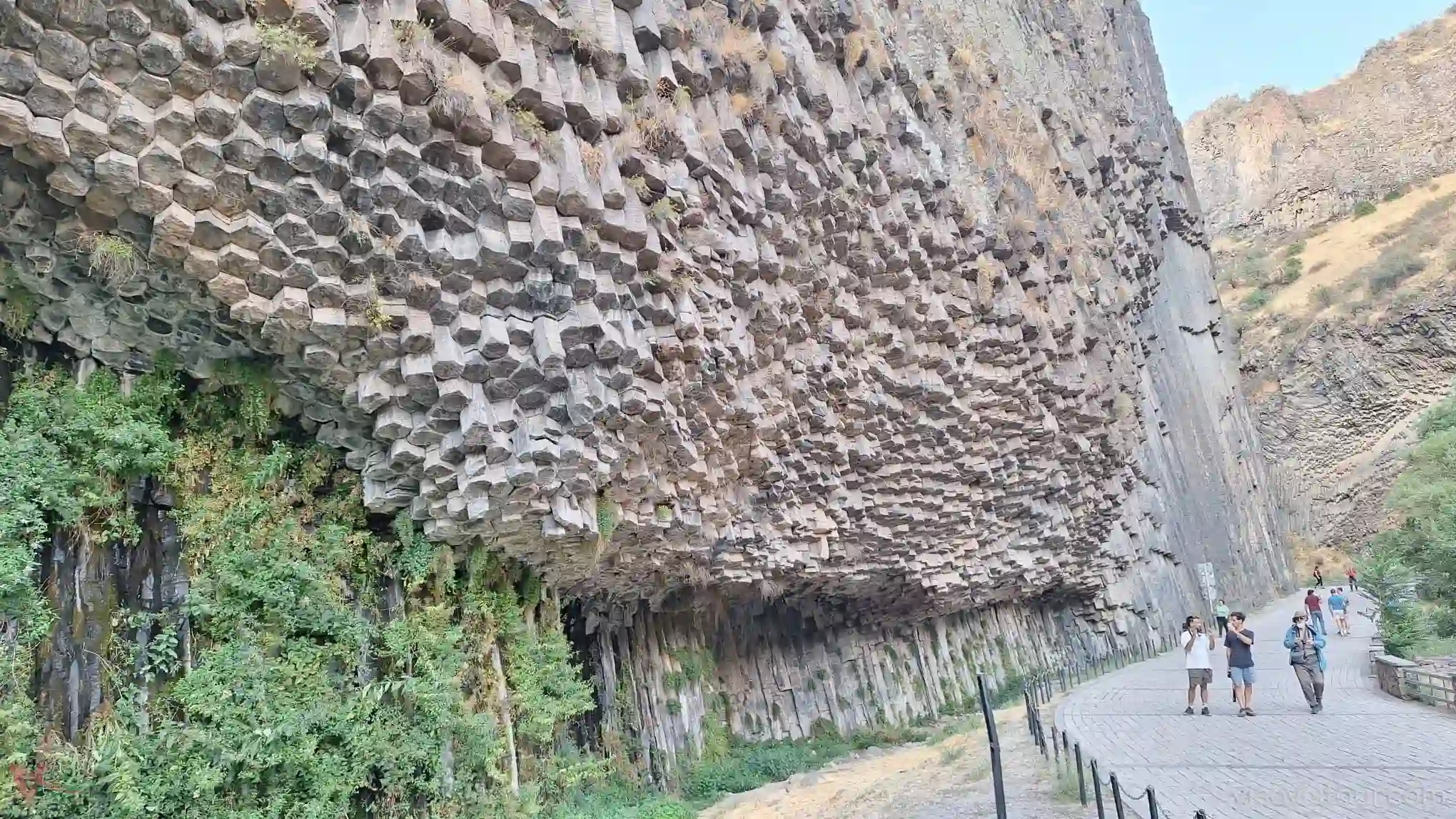
Optional: take 4×4 wheels tracks to visit the impressive Garni Canyon – magnificent and outstanding scene, which creates the image of falling crags. It obtained the name “Symphony of Stones” due to its view. The fantastic landscape of Garni canyon shakes the human
imagination.
In 2011, UNESCO recognized the Garni site with the Melina Mercouri International Prize for the Safeguarding and Management of Cultural Landscapes.
Optional: Small performance of Armenian national musical instrument ,,Duduk’’ (Tsiranapoghmeans Tsiran- abricot, pogh- trumpet). After the local musician will describe the origin, nature, symbolism of Duduk and fully experience its rich and versatile music. One of the most famous performances of the duduk was featured in the movie “Gladiator”, where its soulful tones perfectly captured the film’s emotional depth and timeless appeal. Duduk and its music were inscribed in 2008 on the Representative List of the Intangible Cultural Heritage of Humanity (originally proclaimed in 2005) UNESCO.
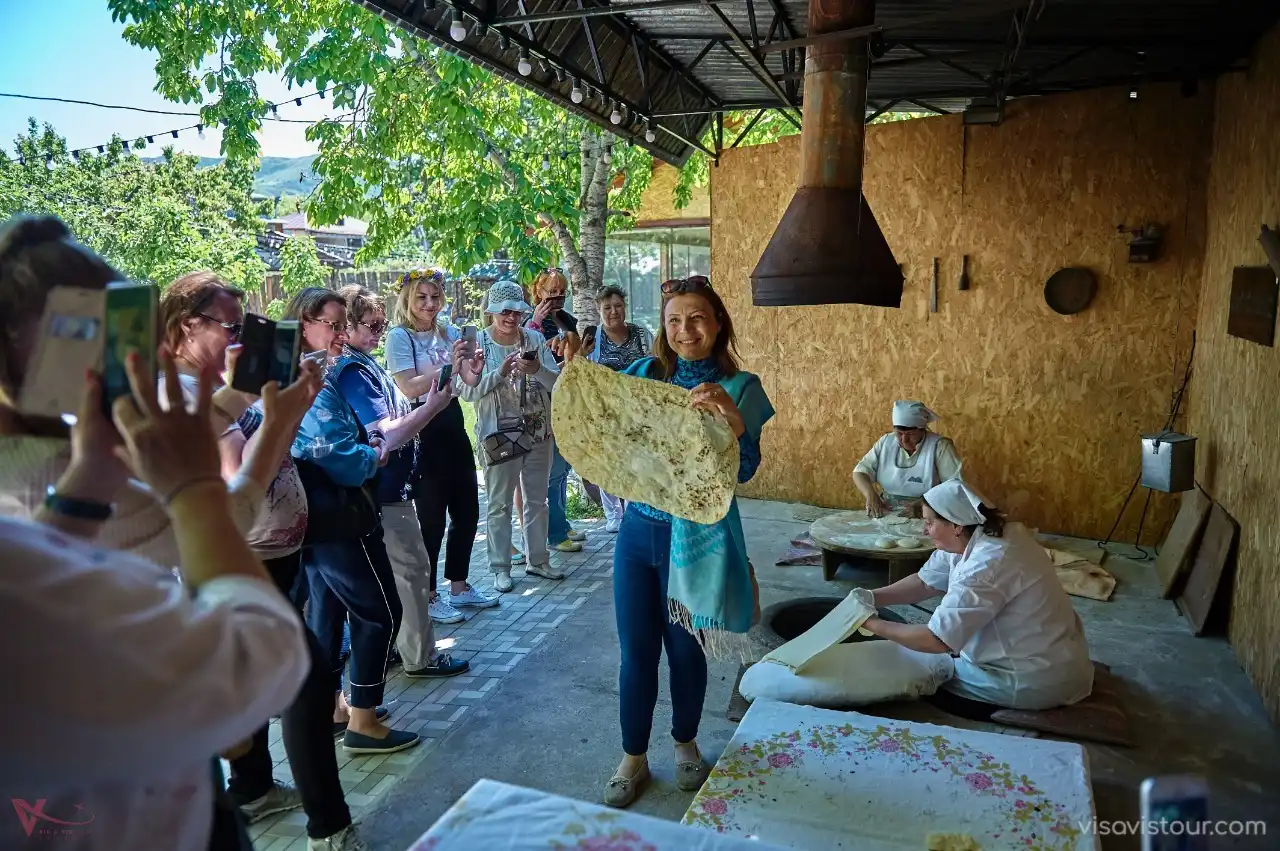
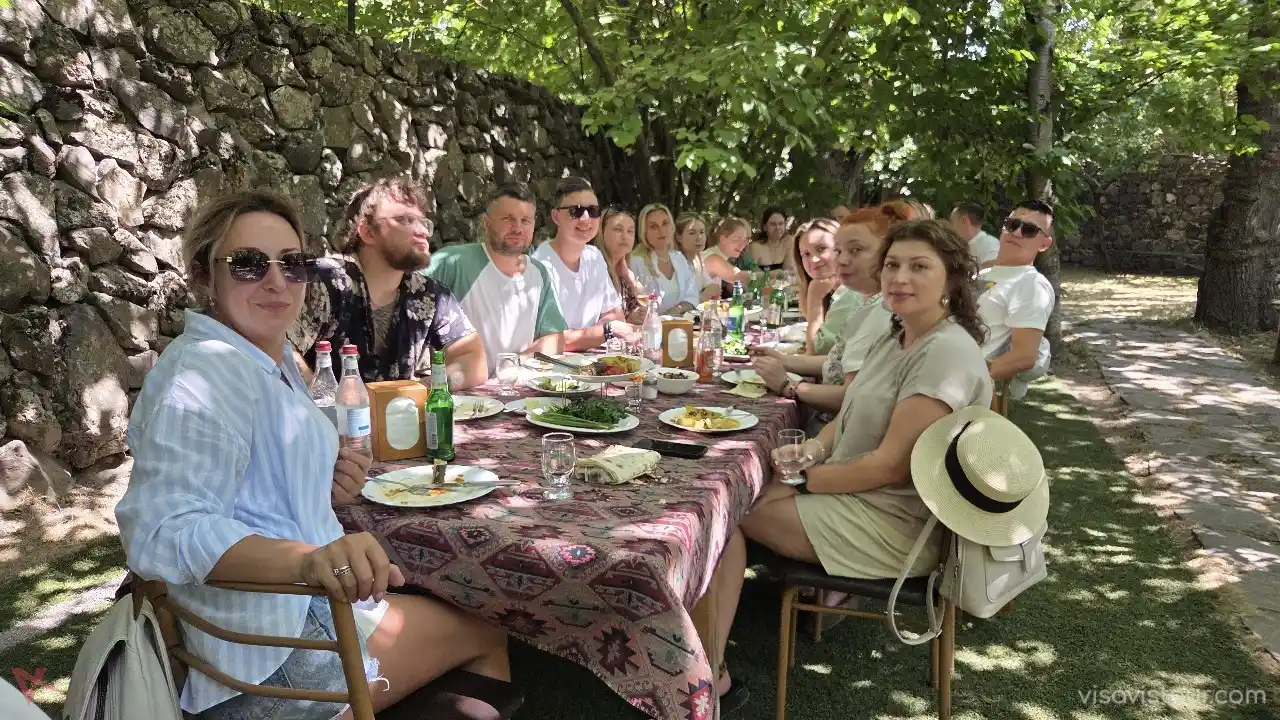
Optional: Experience a traditional flat bread – lavash baking demonstration and enjoy a familyhosted lunch. Lavash, the preparation, meaning and appearance of traditional bread as an expression of culture in Armenia was inscribed in 2014 on the List of the Intangible Cultural Heritage of Humanity UNESCO.
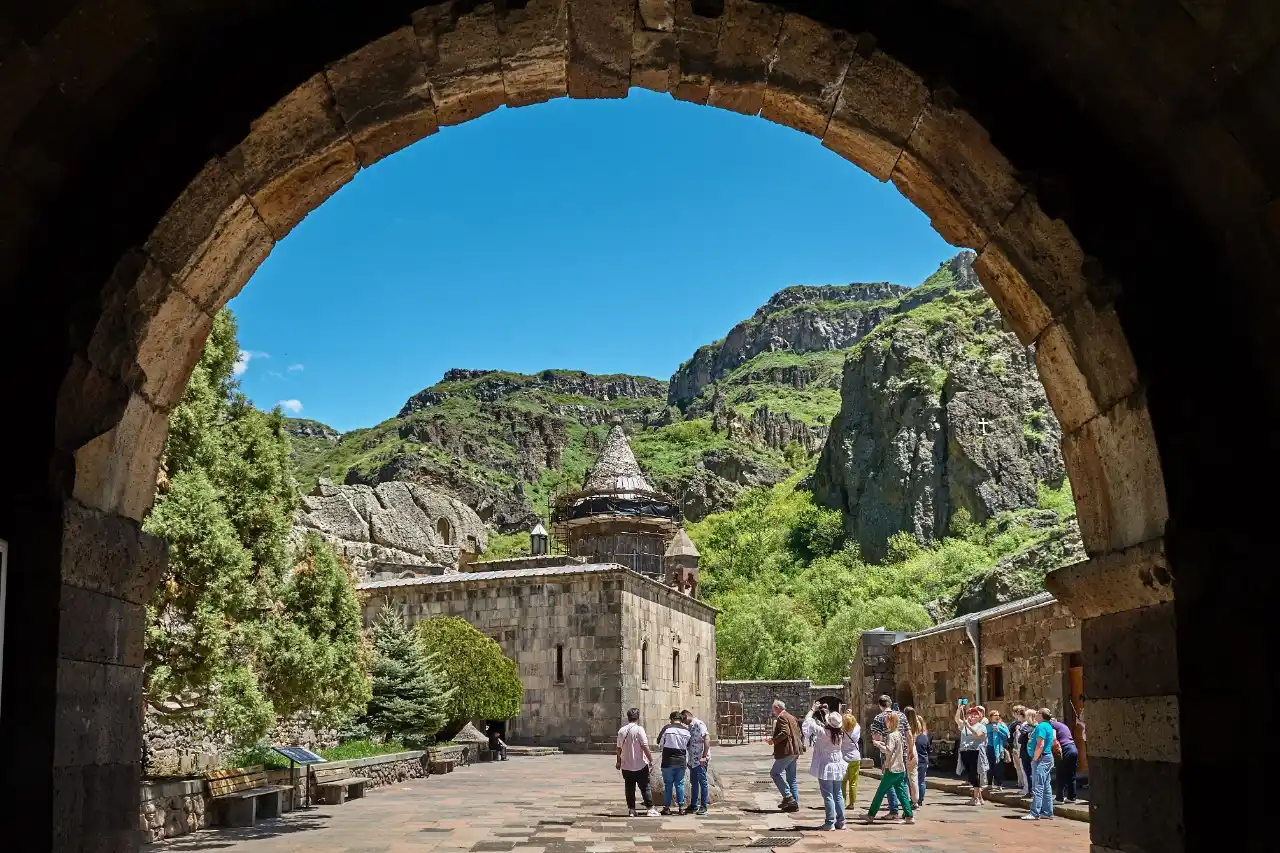
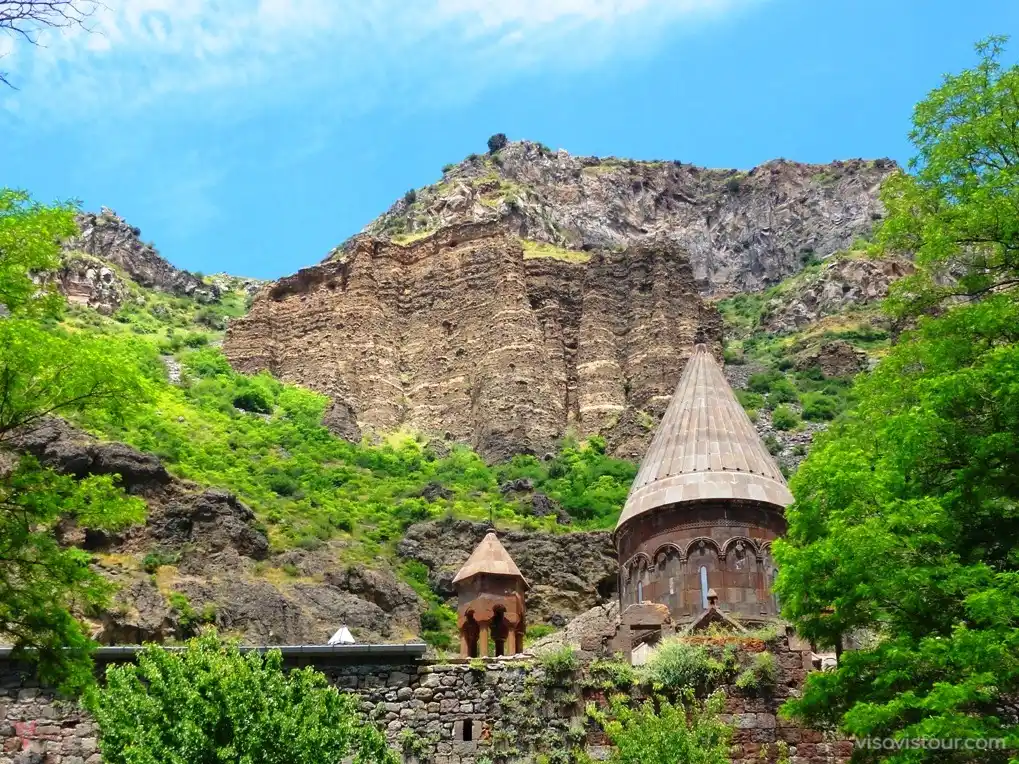
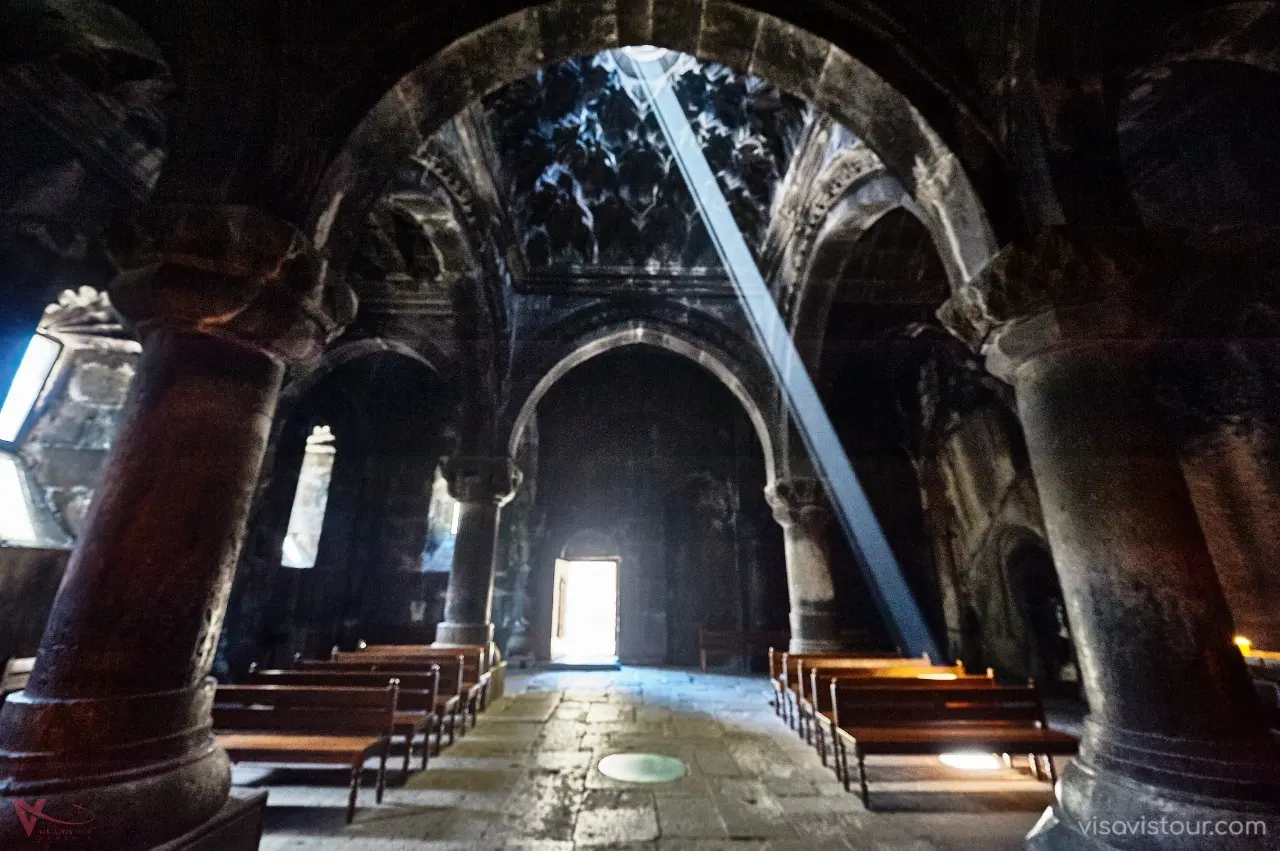
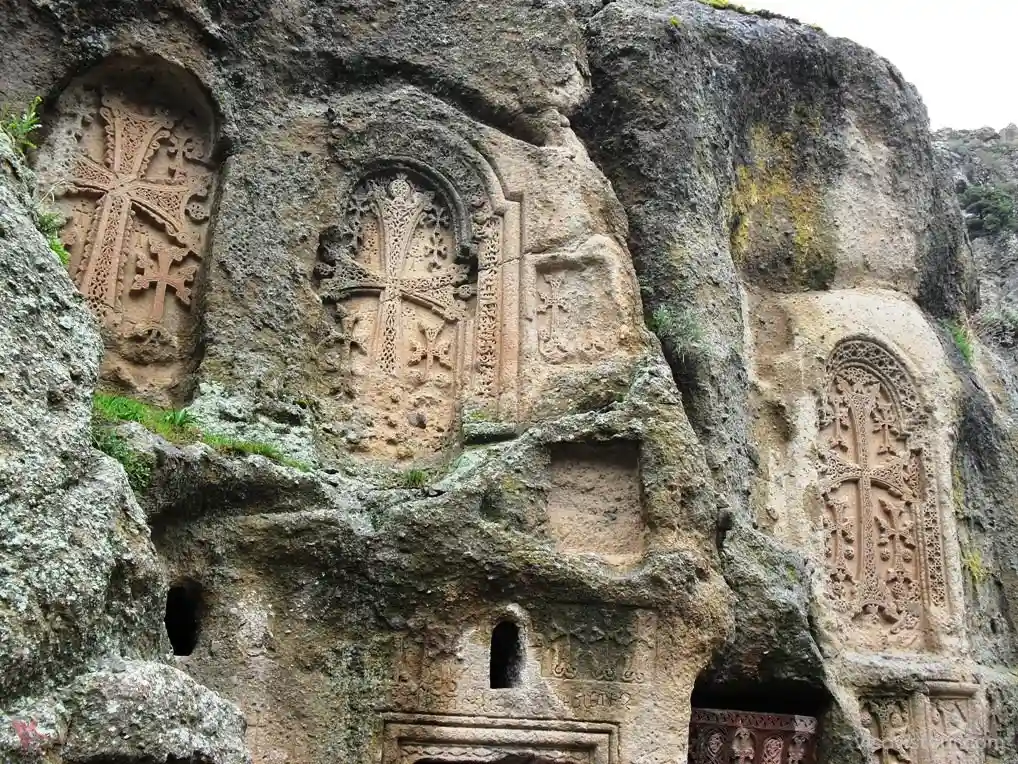
Journey to the extraordinary Geghard Monastery, a stunning 12th–13th-century temple partially carved into the rock. Named “St Geghard” or “Holy Spear,” it honors the sacred relic believed to have pierced the body of Christ during the crucifixion, that was preserved here and now housed in the museum of Etchmiadzin Cathedral. Recognized as a UNESCO World Heritage Site in 2000, this architectural gem showcases Armenia’s rich spiritual and cultural heritage.
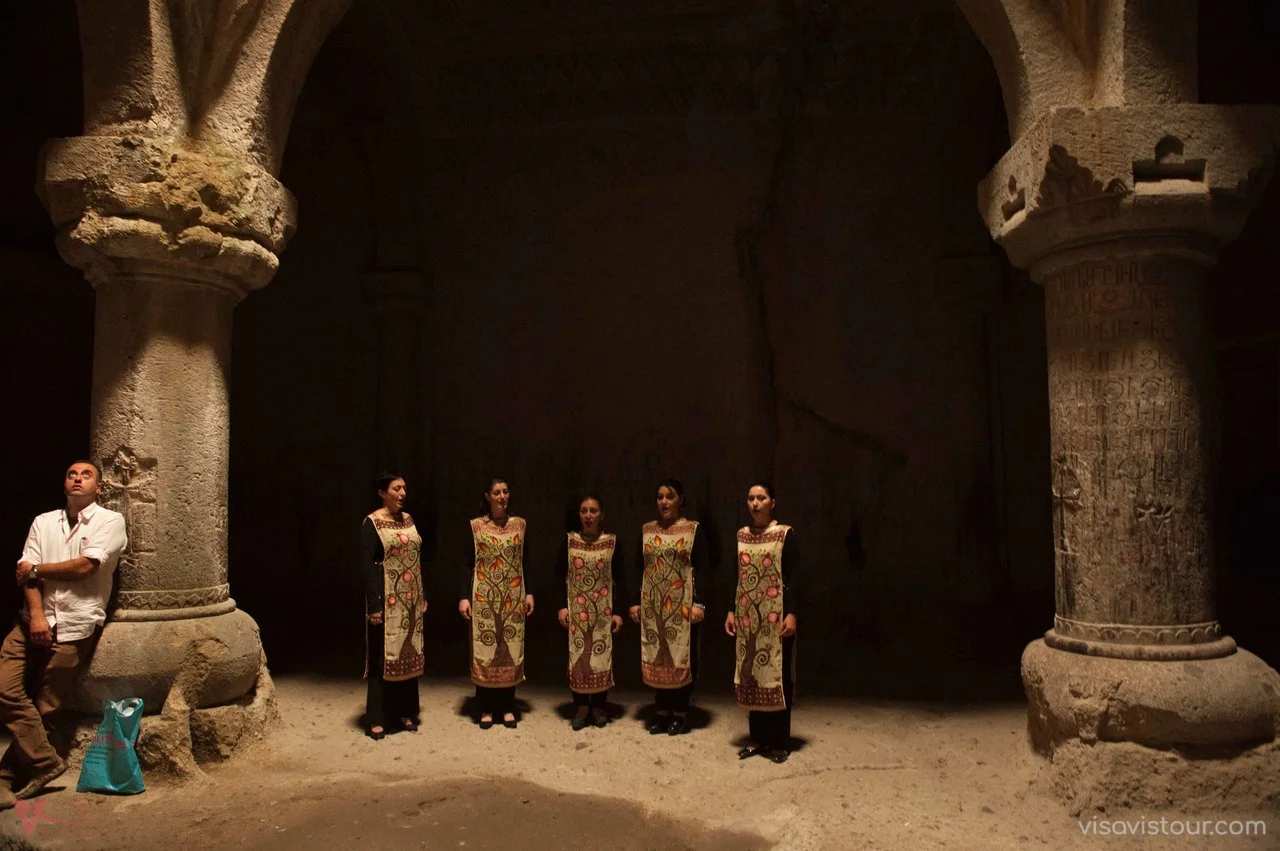
Optional: Enhance your visit with a mesmerizing concert of liturgical songs. Experience the monastery’s remarkable acoustics, where the crystal-clear harmonies resonate beautifully within the ancient stone walls.
Drive back to Yerevan.
Yerevan – Zartnots Temple (UNESCO)- Etchmiatsin Cathedral (UNESCO)- St Hriprisme Church - St Gayane Church- Khor Virap Monastery- Noravank Monastery- Areni Winery - Goris
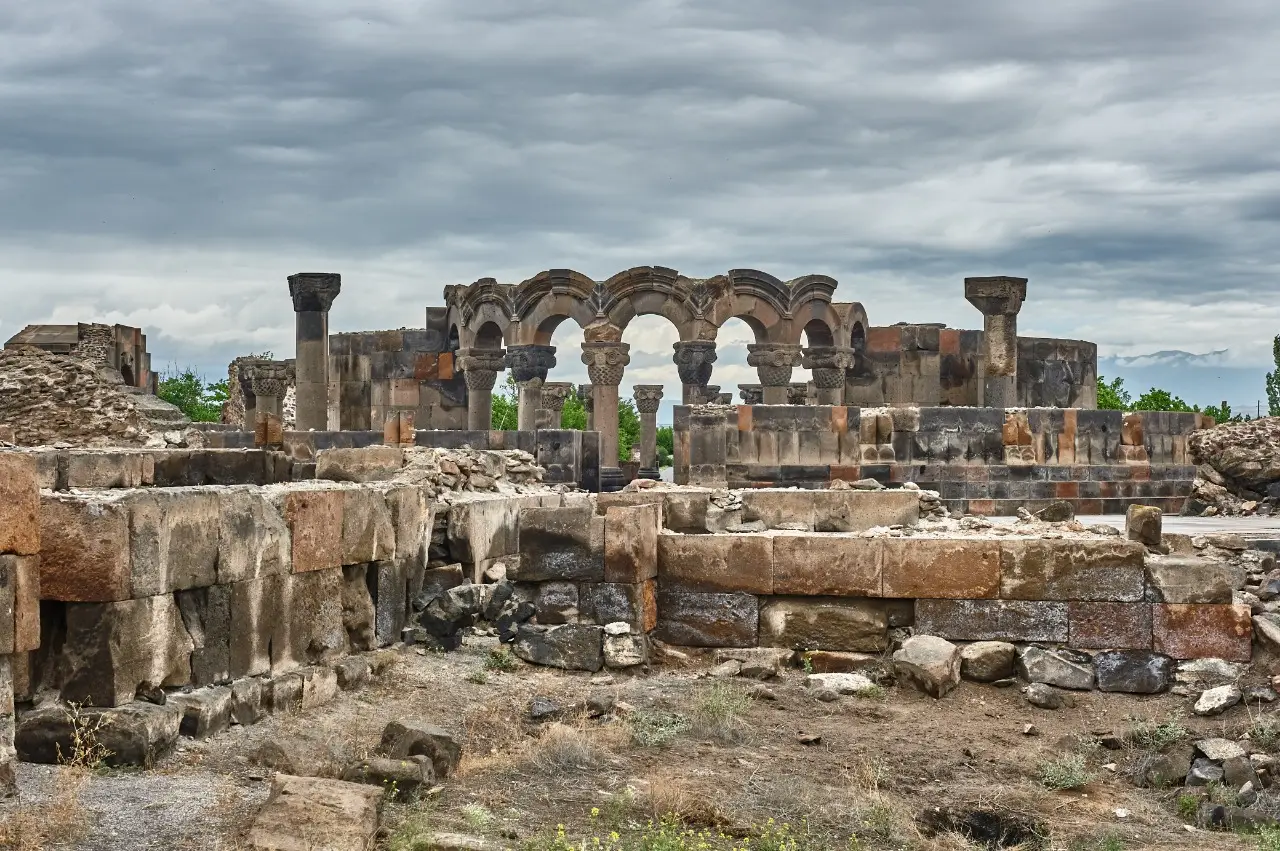
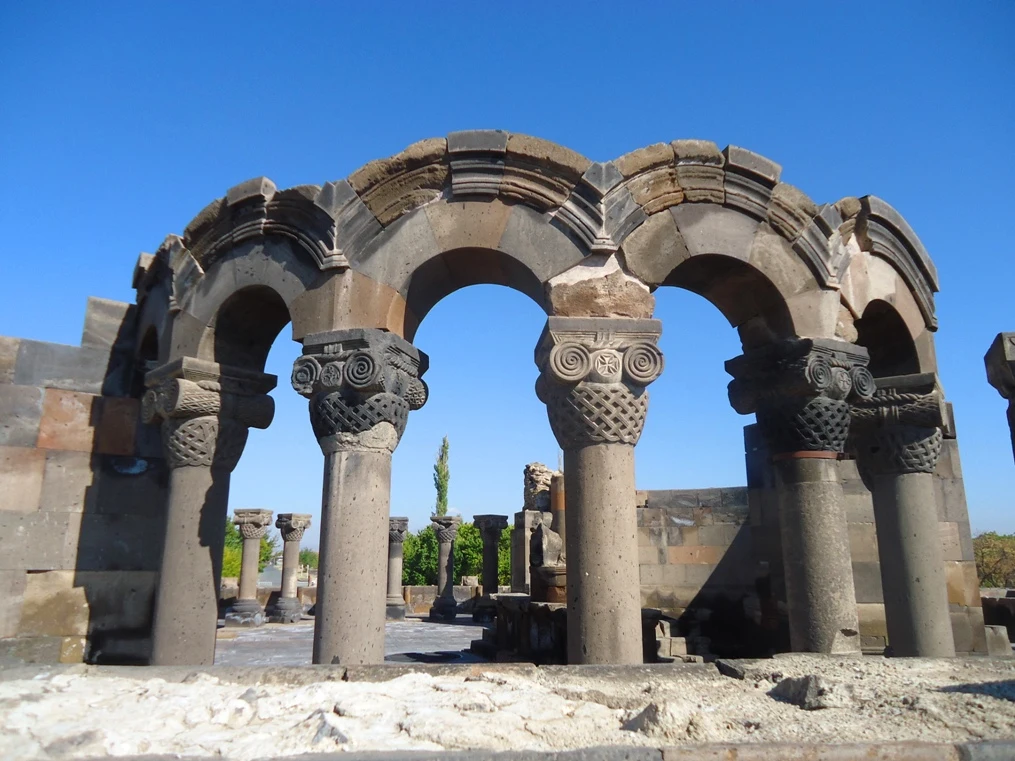
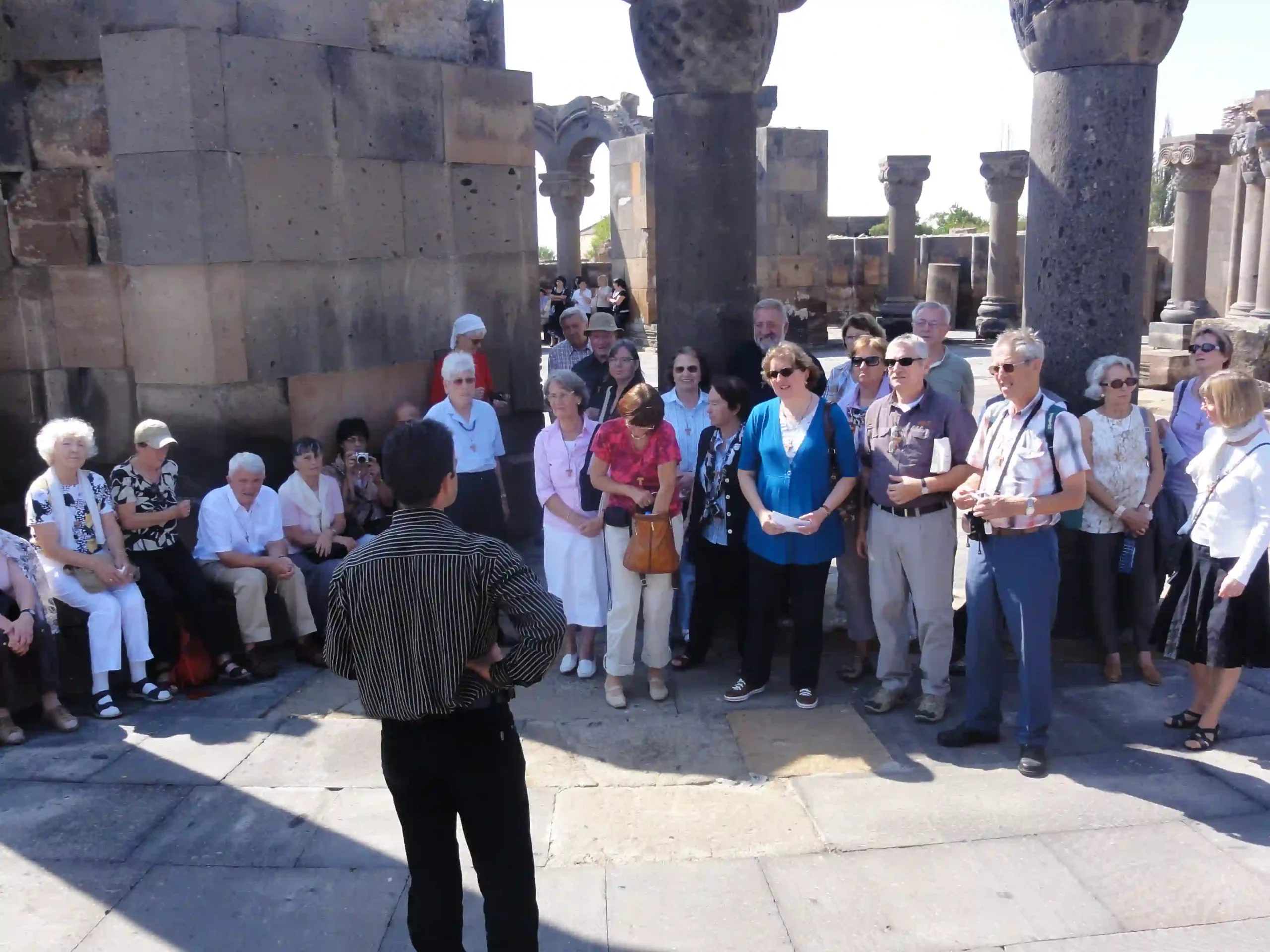
After breakfast, start from visit to one of the architectural wonders of Armenia – Zvartnots Temple (641-661), that got its name from the word “Zwart”, meaning “joyful and beautiful”. The remaining ruins give an idea of the rare beauty of this temple. The temple is listed as a UNESCO World Heritage Site (2000).
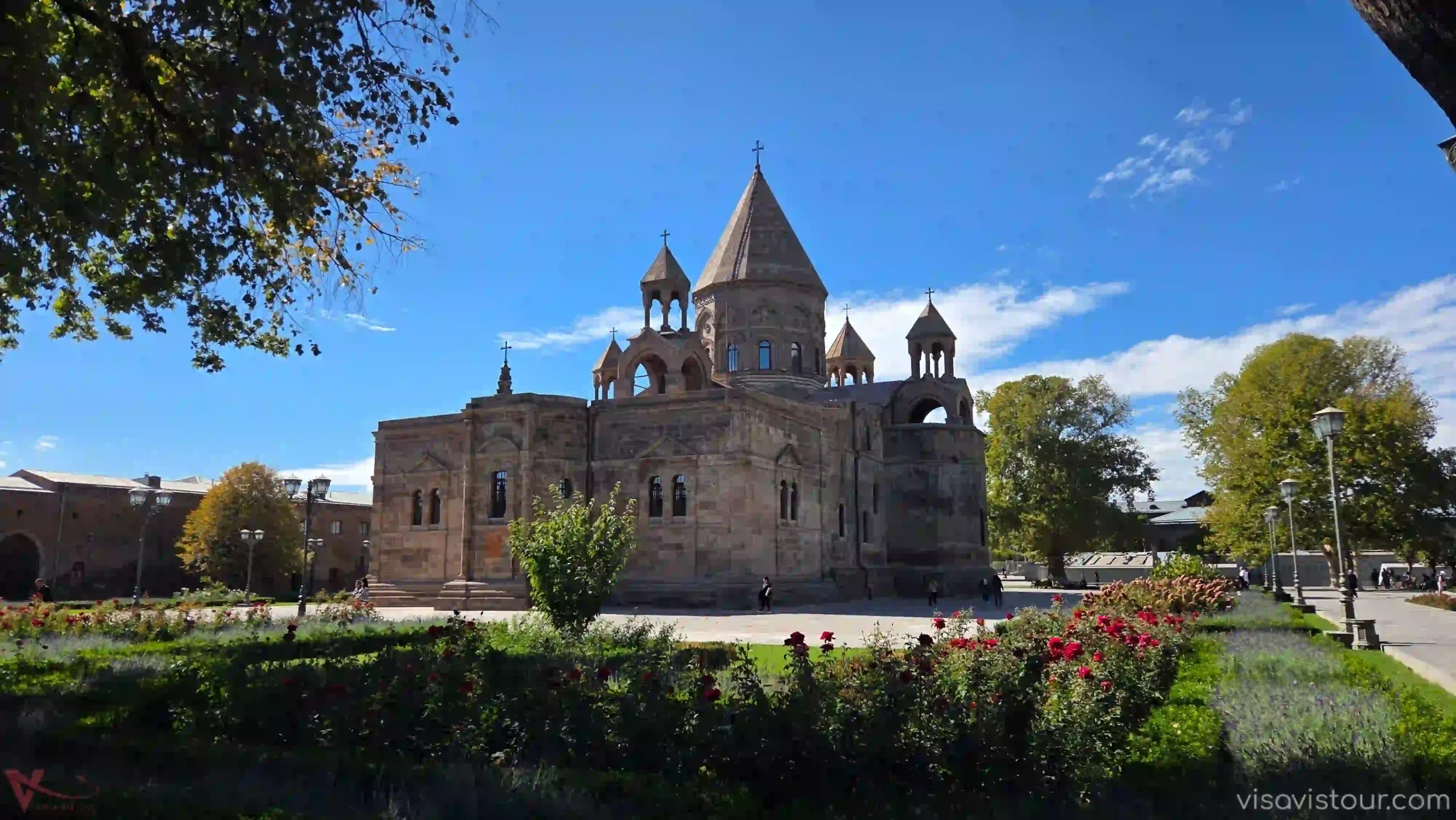
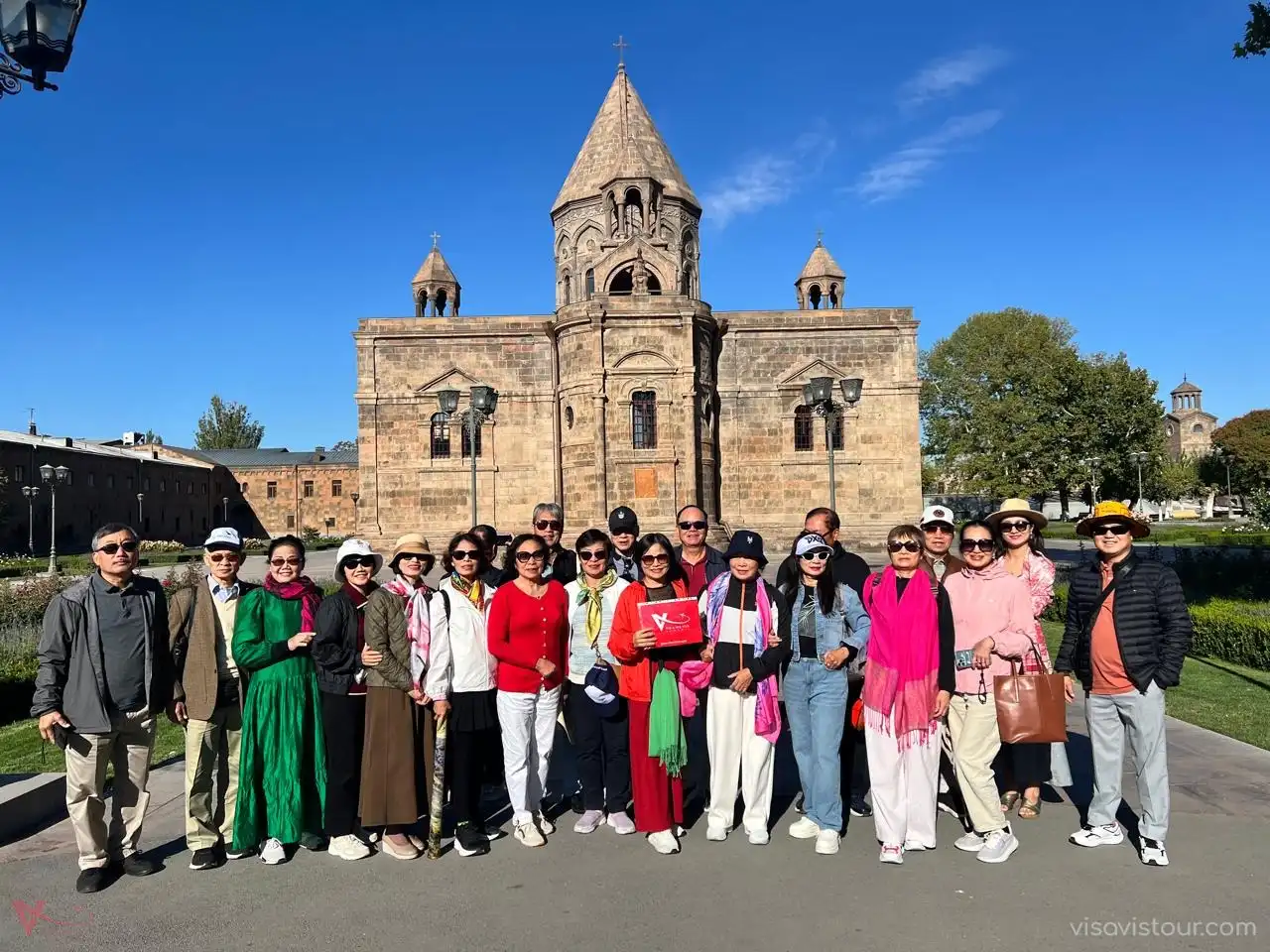
Then drive to Etchmiatsin town, the ancient capital of Armenia and the spiritual center of the Armenian Apostolic Church. Visit the Etchmiadsin Cathedral, a UNESCO World Heritage site, founded in 301 A.D by St. Gregory the Illuminator and thus being one of the ancient churches in the Christian world. Later it was rebuilt and currently it stands as a complex including the Cathedral, Spiritual Academy, residency of the Catholicos of all Armenians, Synod of Armenian Church and a library. The museum of the Cathedral has collection of religious artifacts about Holy Mass, subjects made of gold, silver, precious stones, decorations, colossal silver boiler for making the myrrh and legendary Holy spear.
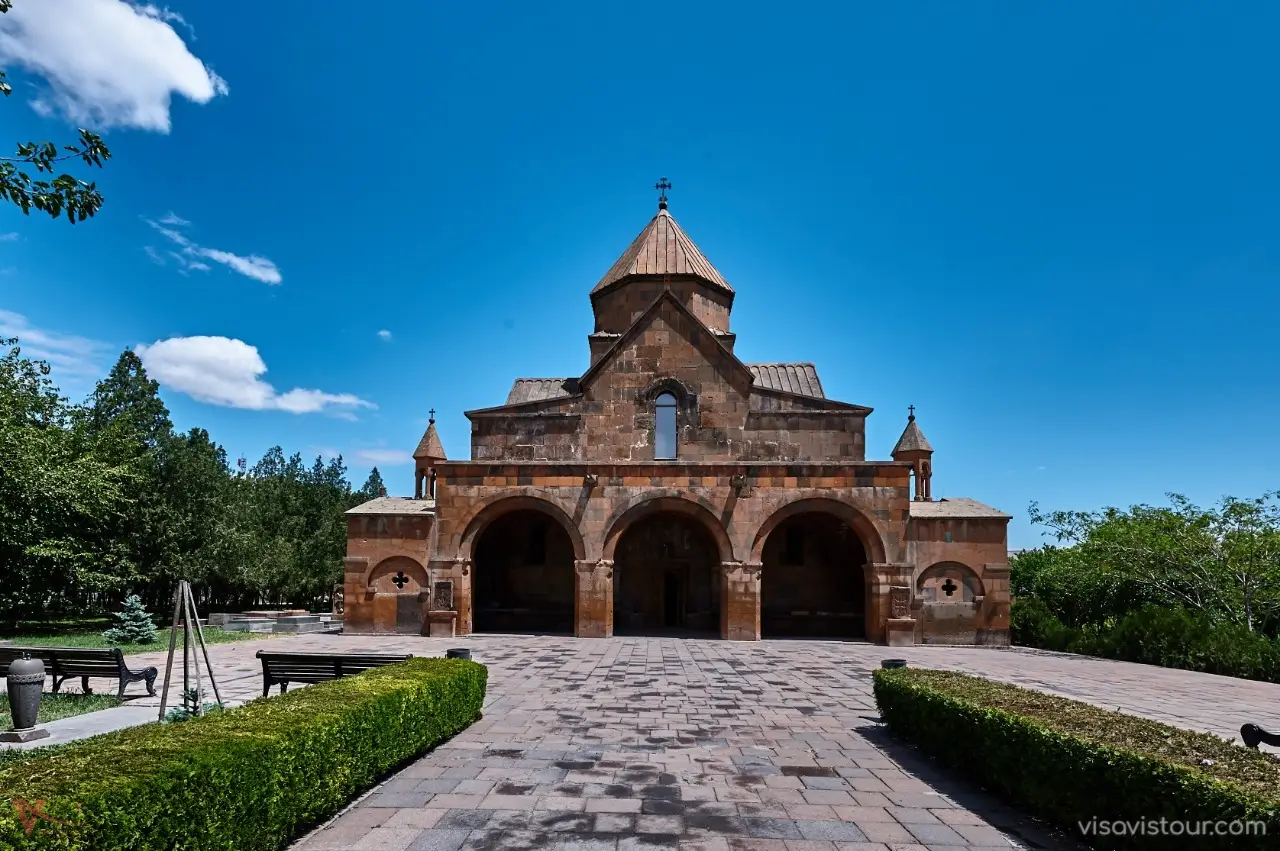
Next visits to churches St Hripsime and St Gayane, both included in UNESCO World Heritage List.
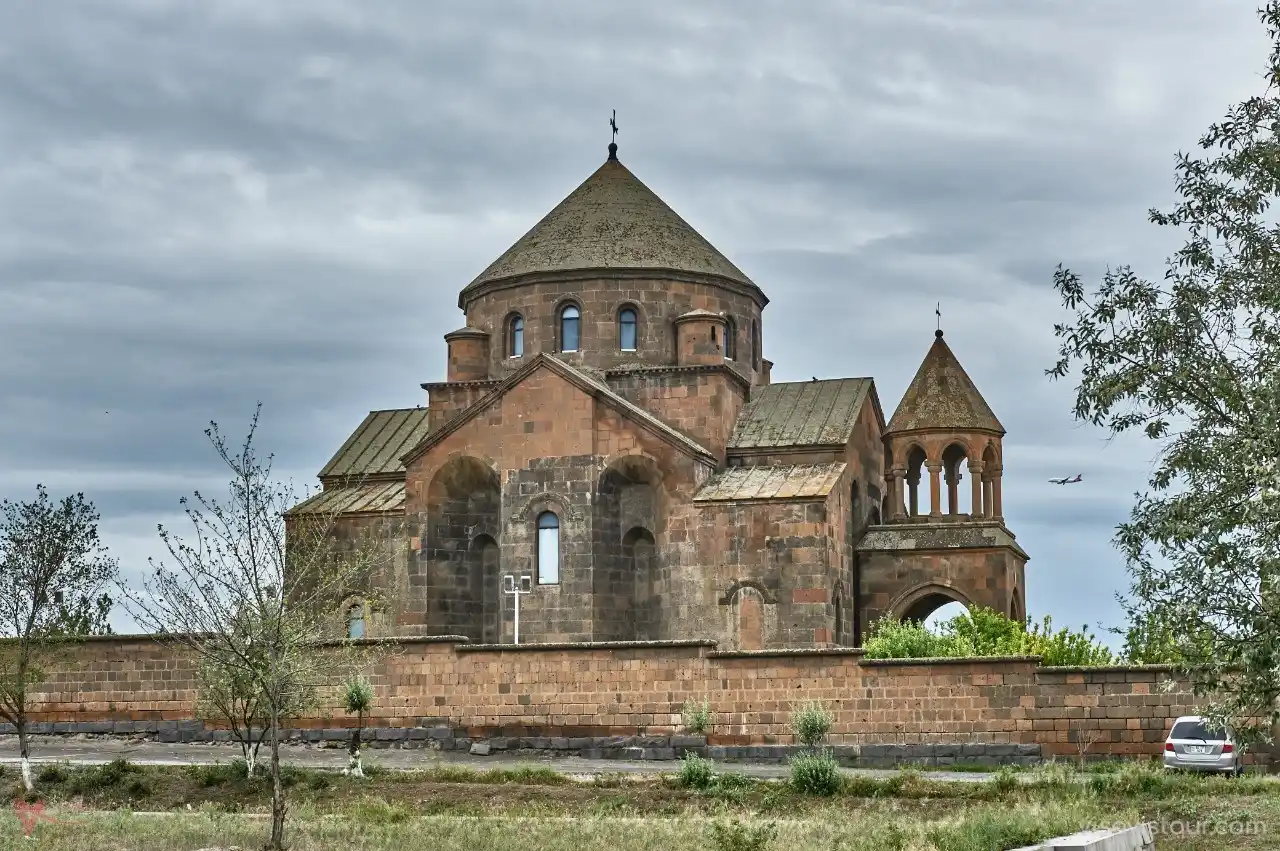
St. Hripsime Church is one of the most significant churches in the Armenian Apostolic Church, founded in 618 by Catholicos Komitas. It is devoted to St Hripsime, who escape from persecution by the Roman Emperor Diocletian, and sought refuge in Armenia. Despite being a beautiful and devoted follower of Christ, she bravely refused to marry the pagan King Tirdat III when commanded. Choosing martyrdom over compromise, she was killed, and a small chapel was erected over the site of her death.
Built in 630 AD by Catholicos Ezra I, St Gayane church dedicated to Saint Gayane, a Christian martyr who played a crucial role in Armenia’s conversion to Christianity. Saint Gayane’s story of faith and sacrifice adds profound historical and spiritual value to the site. For centuries, it has been a place of pilgrimage for Armenians and Christian visitors from around the world.
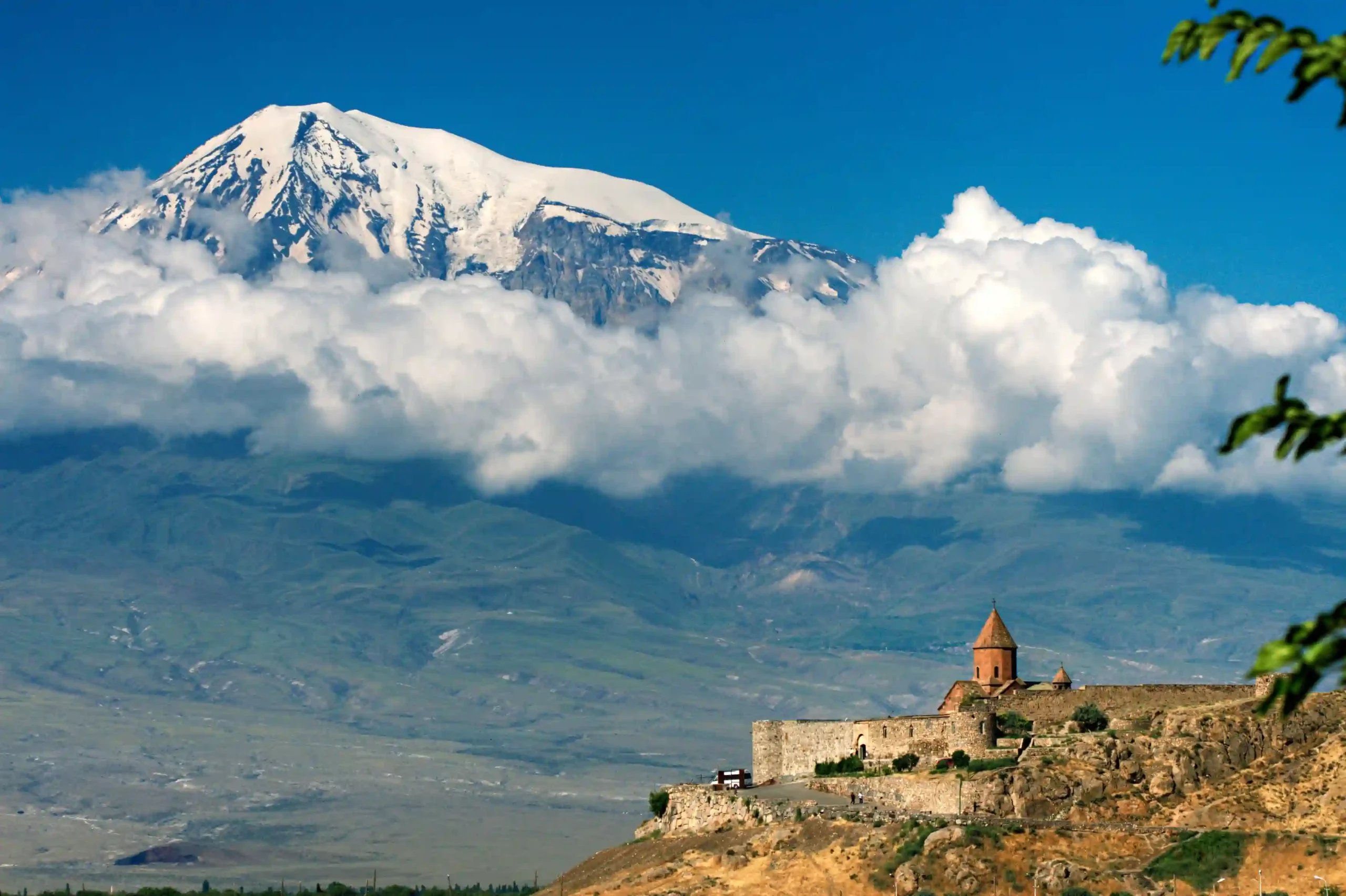
Continue journey to Ararat valley. Marvel the gorgeous biblical Mount Ararat shining with its two majestic white peaks.
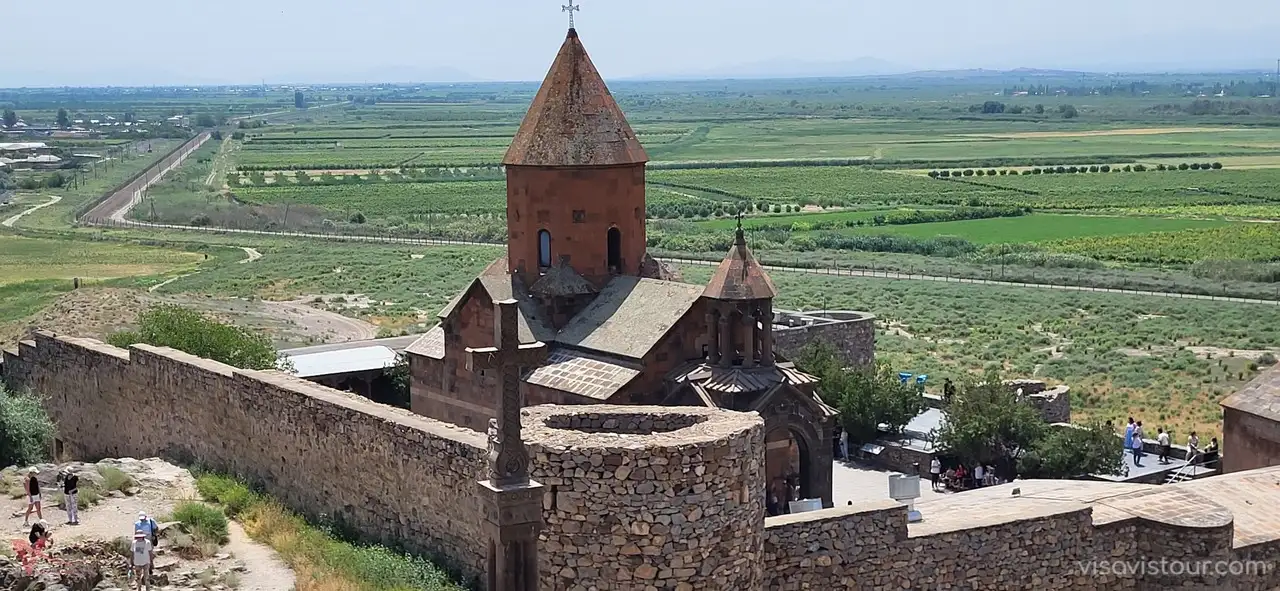
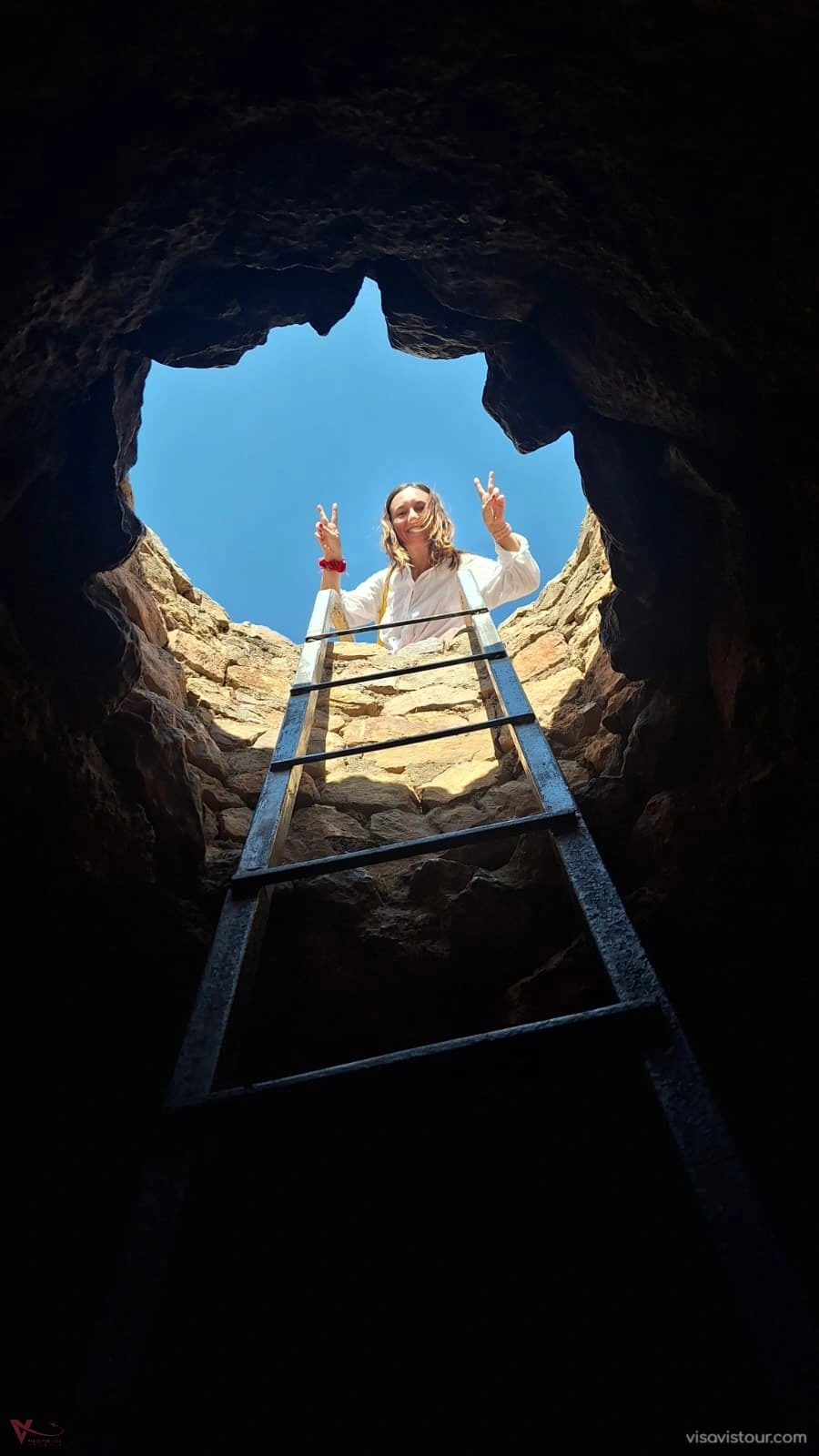
Next, visit Khor Virap Church, an important Christian pilgrimage site located atop a small dungeon where St. Gregory the Illuminator was imprisoned for 13 years. St. Gregory’s release in 301 AD marked a pivotal moment in history, as Armenia became the first nation in the world to adopt Christianity as its state religion. Explore the dungeon where he endured captivity, and experience one of Armenia’s holiest and most significant Christian landmarks.
The hills adjoining Khor Virap were once the site of the ancient capital of Armenia, Artashat, established around 180 B.C. by King Artashes I, the founder of the Artashesid dynasty. Notably, Artashat is one of the few ancient towns designed by the special project by the renowned Carthaginian general Hannibal, who sought refuge in Armenia after his defeat in a war against Rome.
Next, stop at the Areni Winery for a wine tasting experience in one of Armenia’s historic wine regions, known for the discovery of the world’s oldest winery.
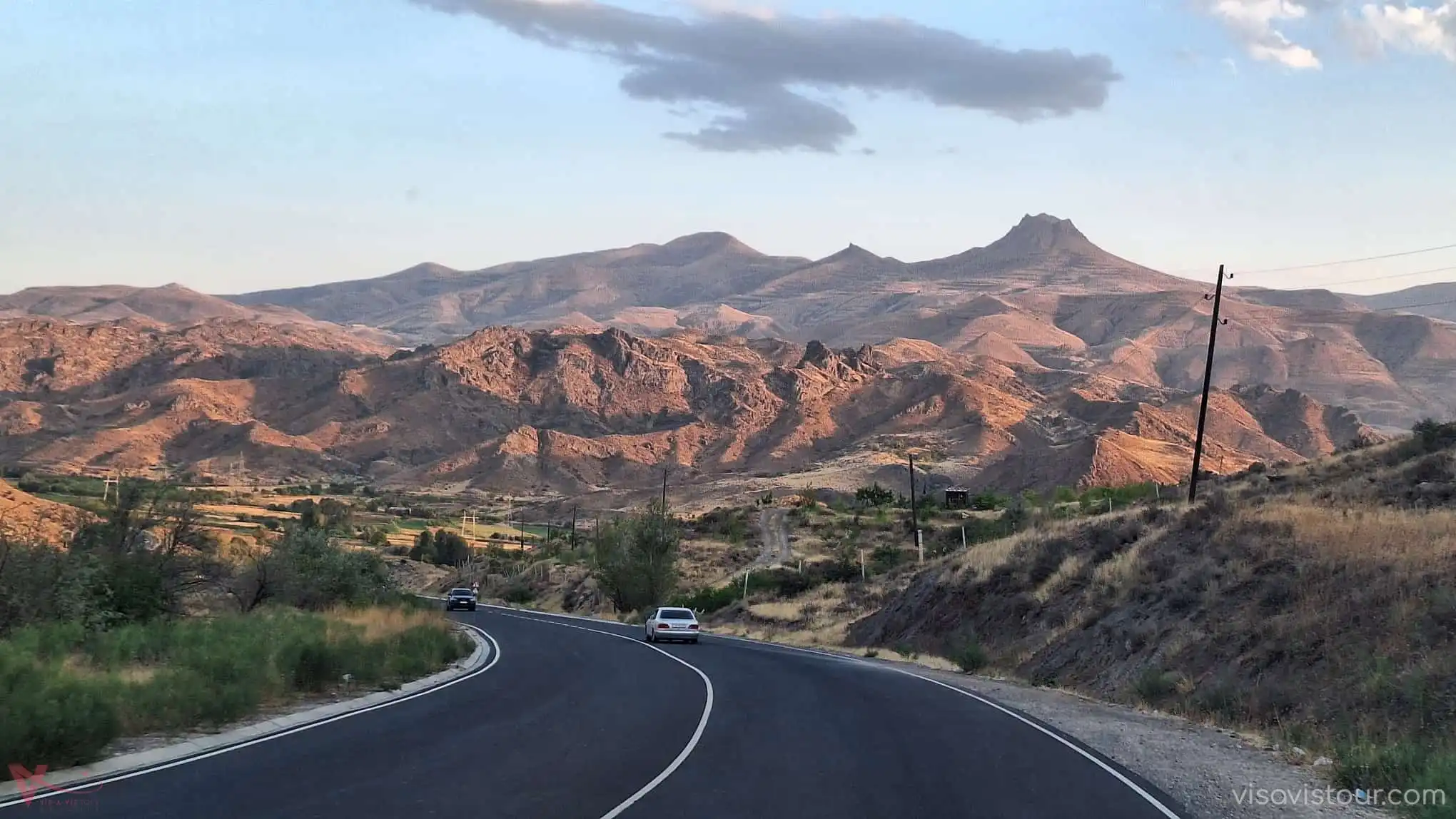
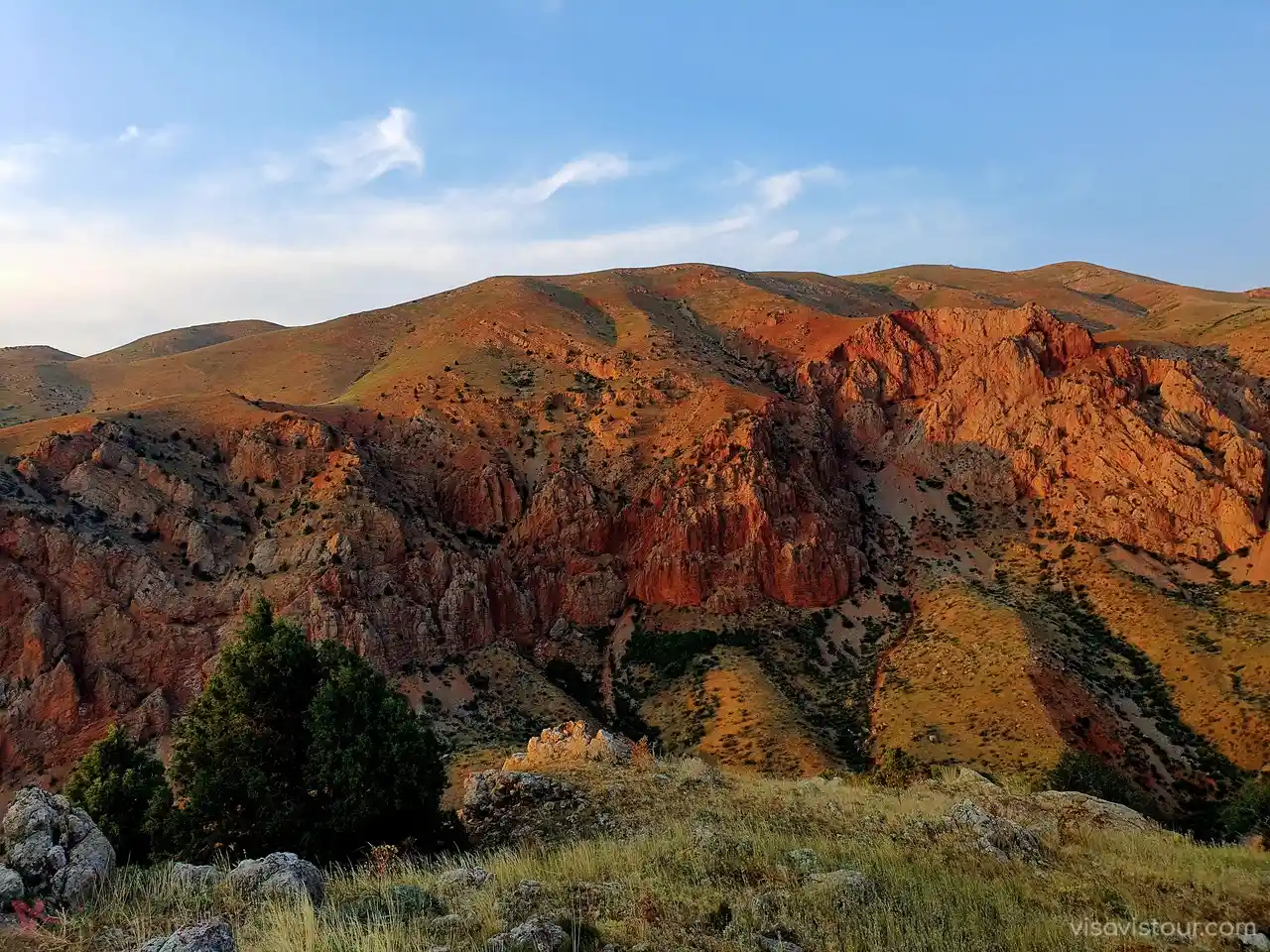
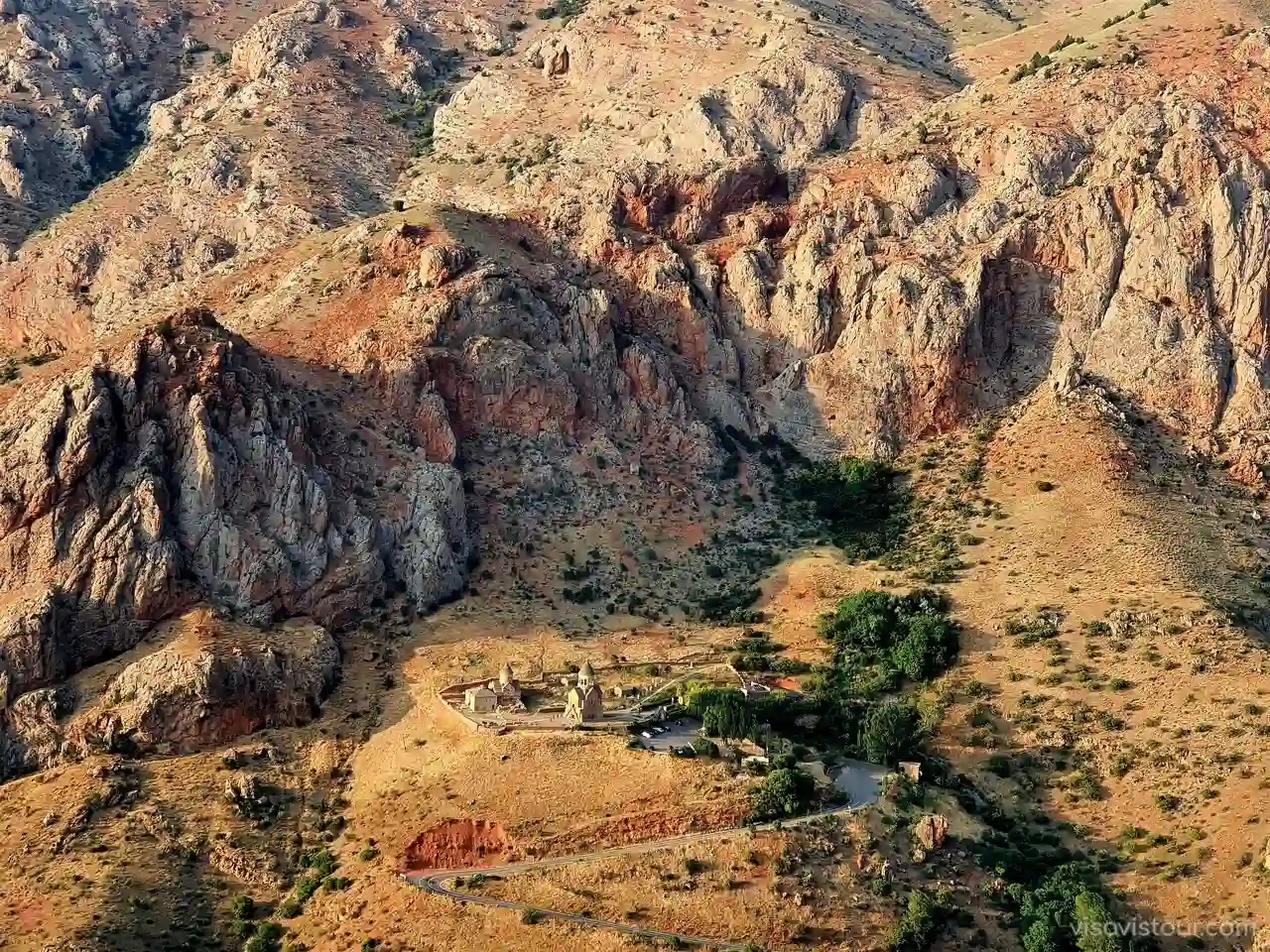
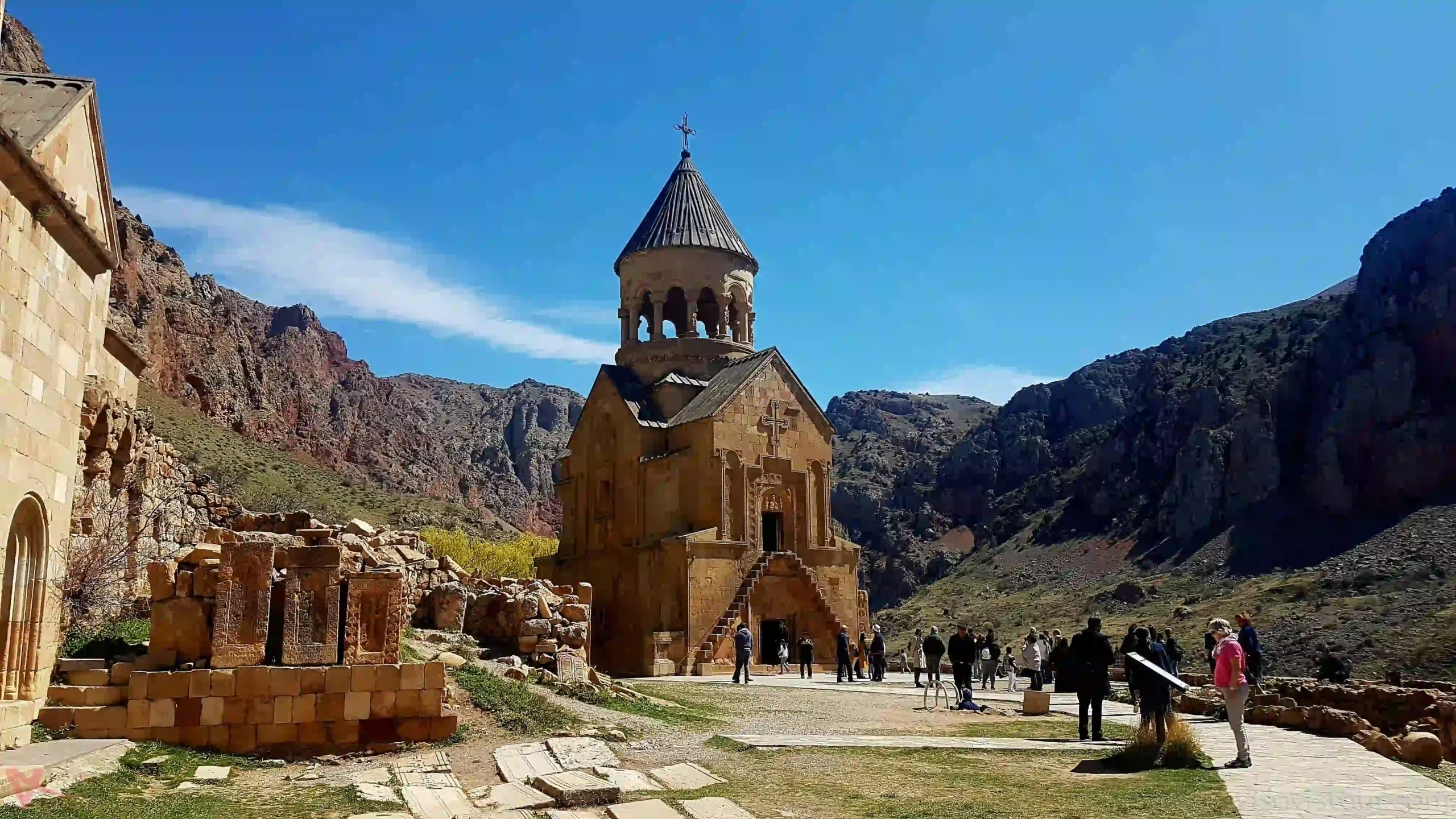
After enjoy a scenic drive through stunning red rocks canyons to Noravank Monastery (13th century), one of Armenia’s most treasured religious and cultural landmarks, known for its historical importance and architectural beauty. Noravank was also closely linked to the renowned medieval Gladzor University. Many visitors find the view so mesmerizing that they opt to walk the final stretch to the monastery, capturing the beauty of the canyon and its unique rock formations. Wander this historic monastery, surrounded by dramatic red rock cliffs. The interplay of sunlight on these rocks creates a vivid natural spectacle.
Continue to Goris.
Goris - Tatev Monastery - Selim Pass – Noradouz - Lake Sevan
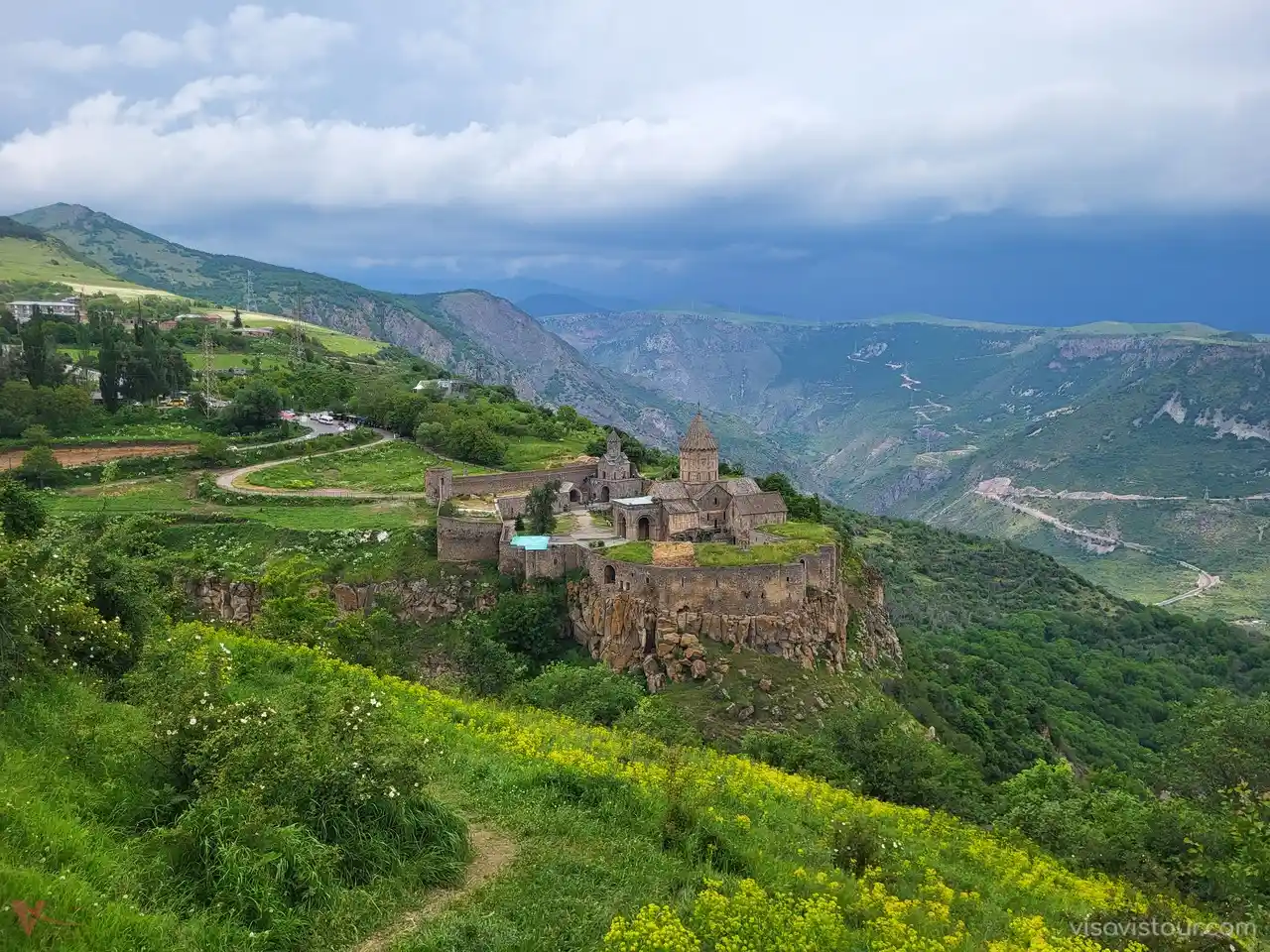
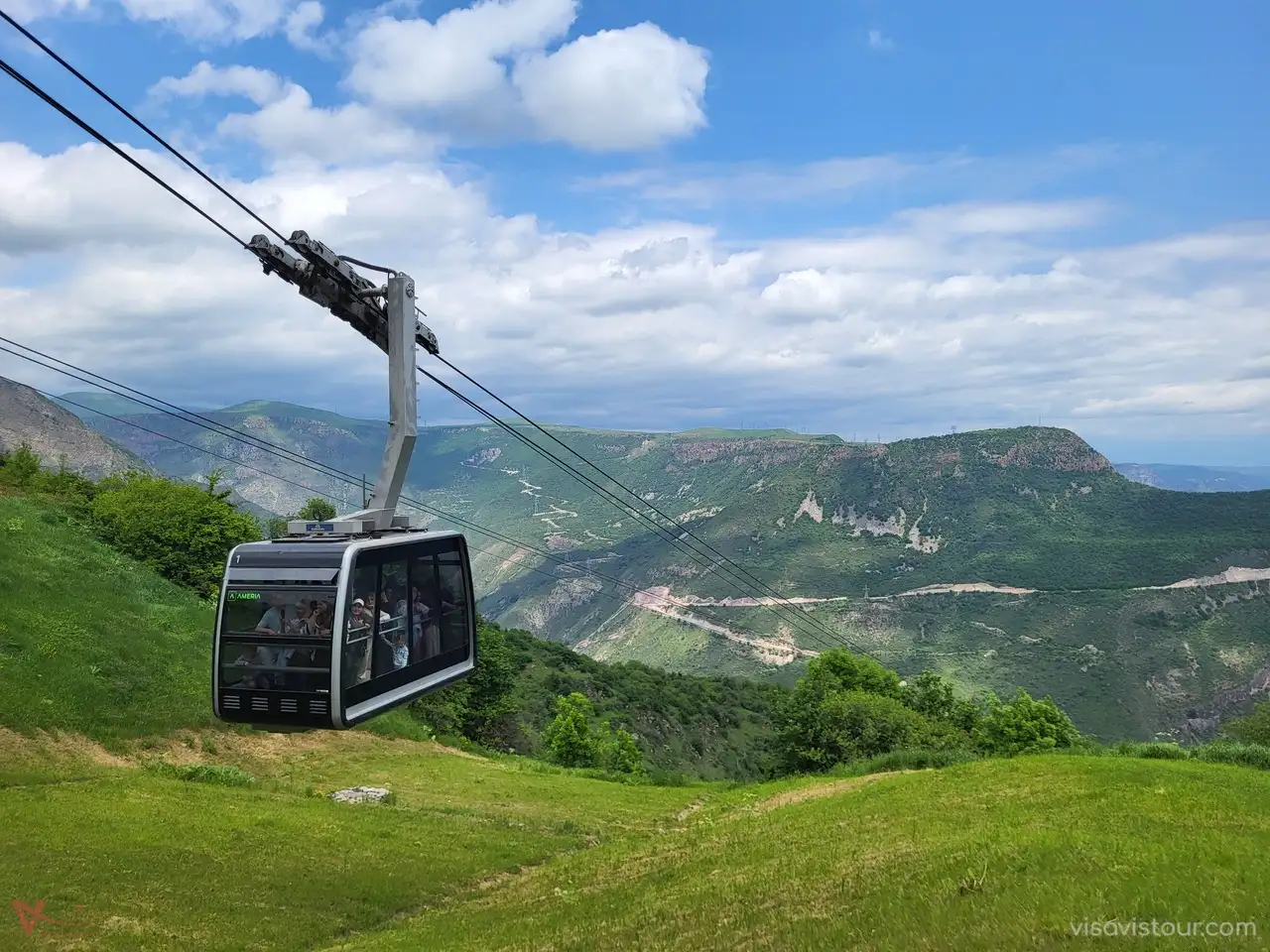
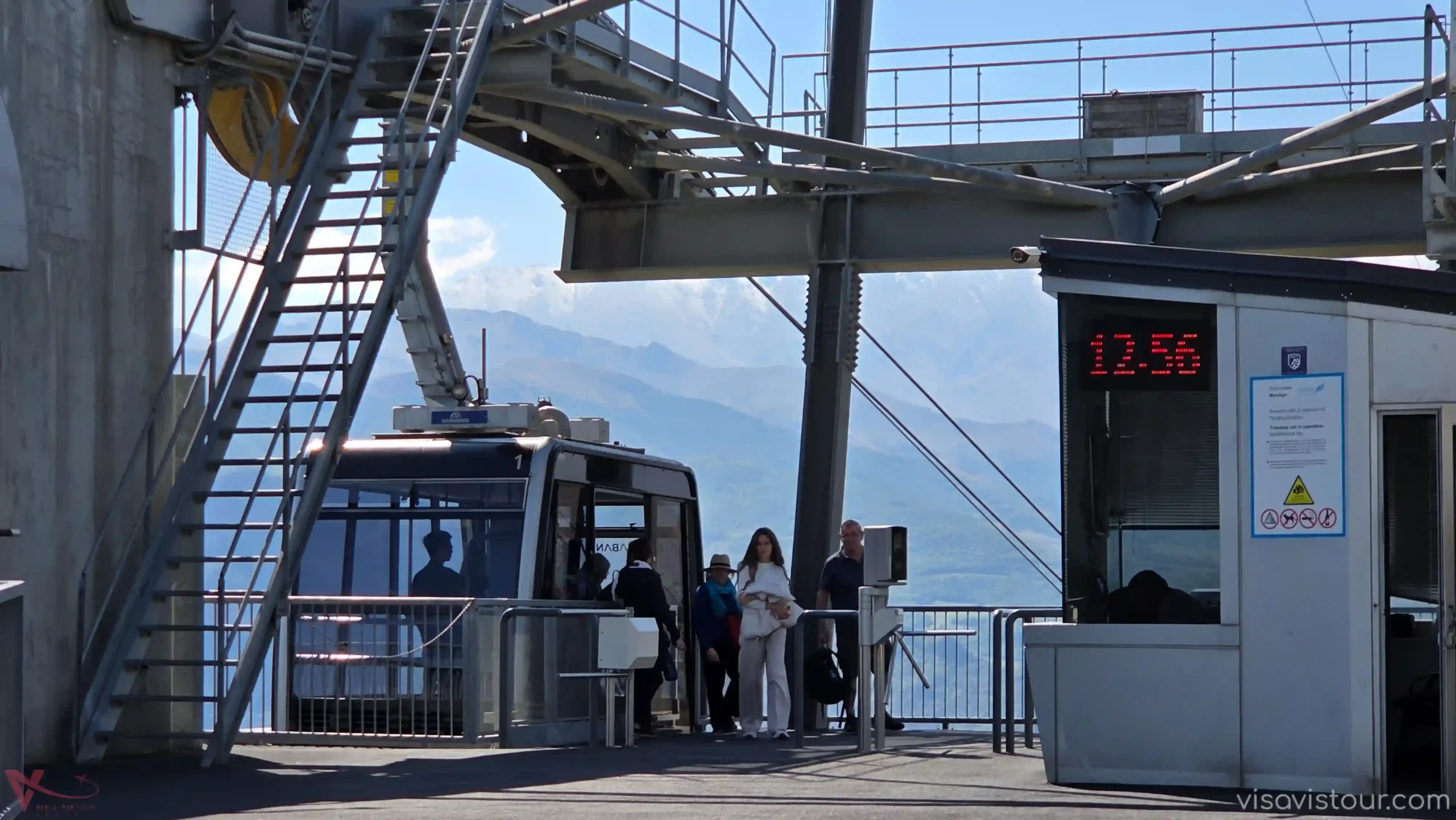
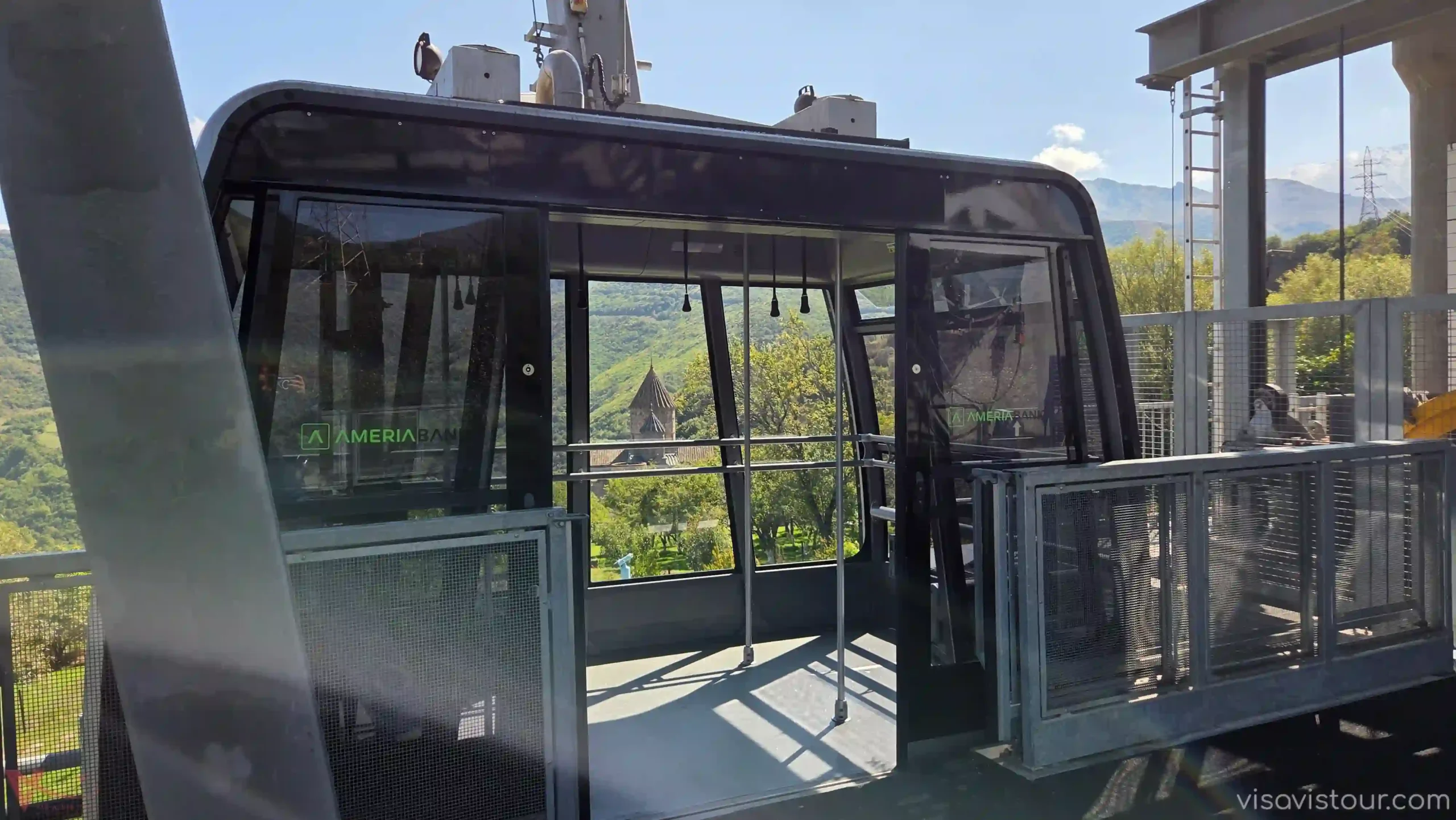
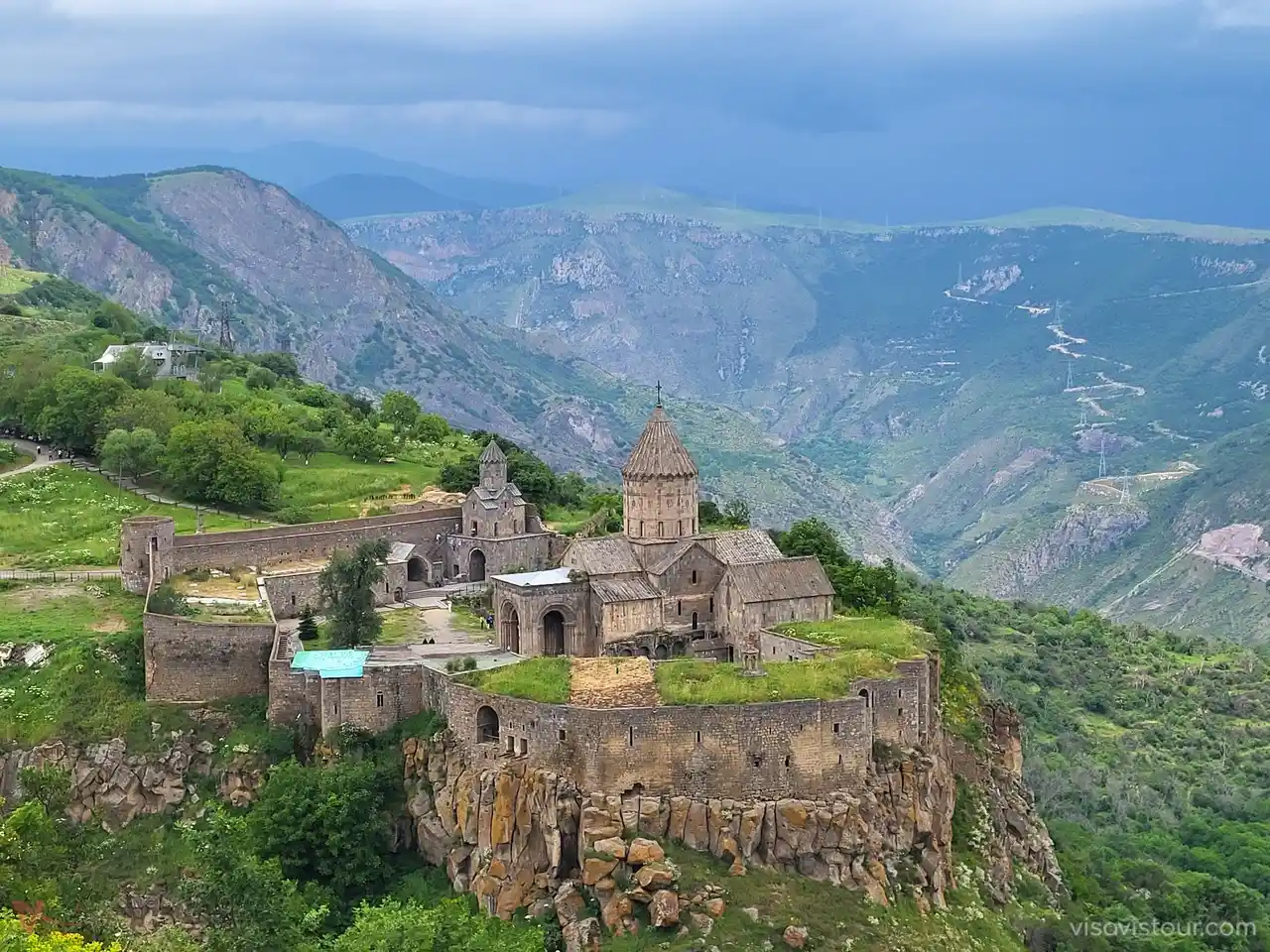
Start your day with a ride on the “Wings of Tatev” Ropeway—the world’s longest non-stop double track reversible aerial tramway, included in Guiness
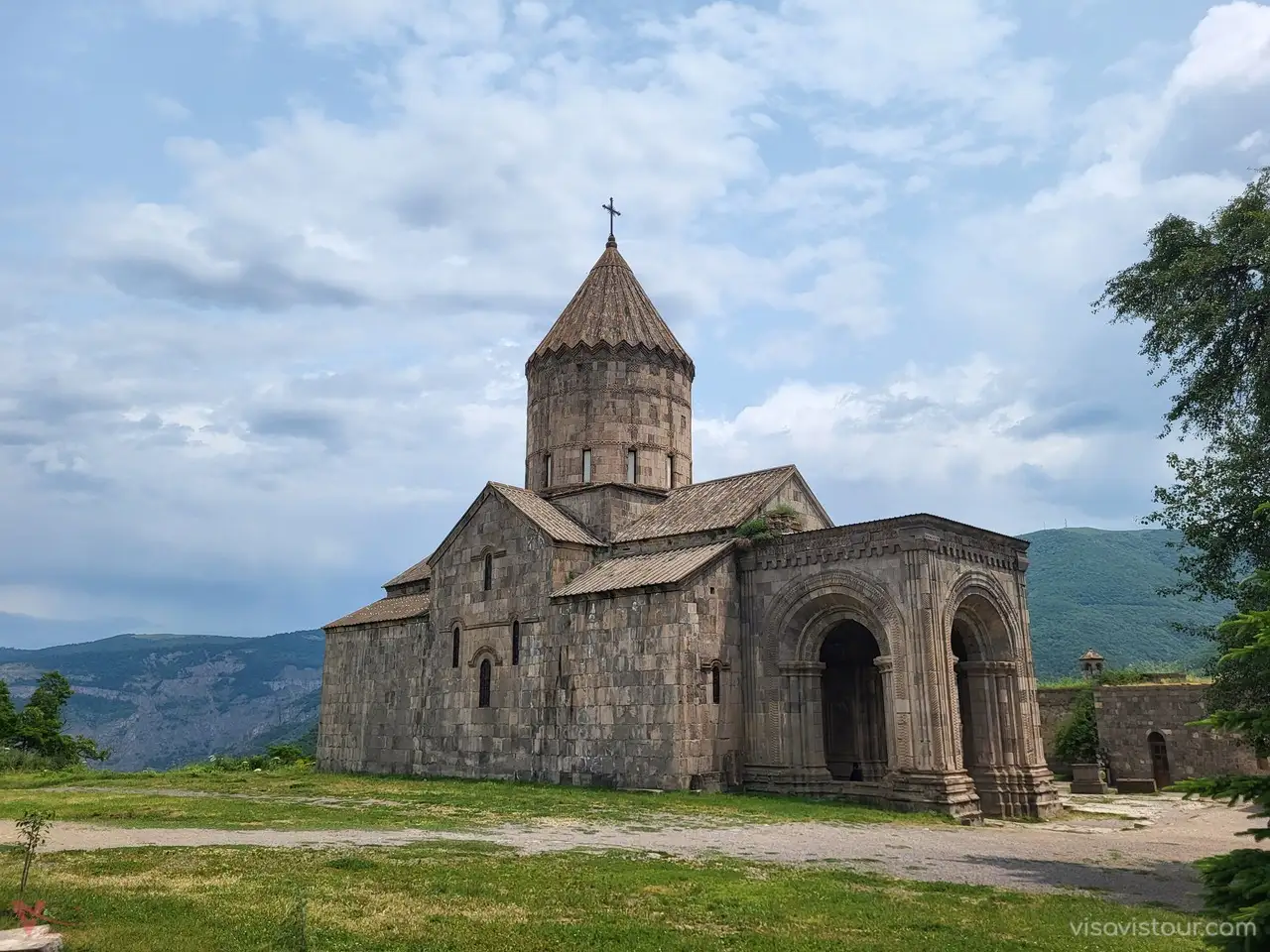
record book. Spanning 5.7 km (3.5 miles), this extraordinary ride takes you soaring over the breathtaking Vorotan Gorge to Tatev Monastery, a historical site and former intellectual center from the 9th–13th centuries. Nestled in a dramatic gorge, Tatev was once a vital center of Armenian culture and learning, where philosophers, musicians, painters, calligraphers and monks lived. Tatev used to be a religious and political center of Syunik princedom.
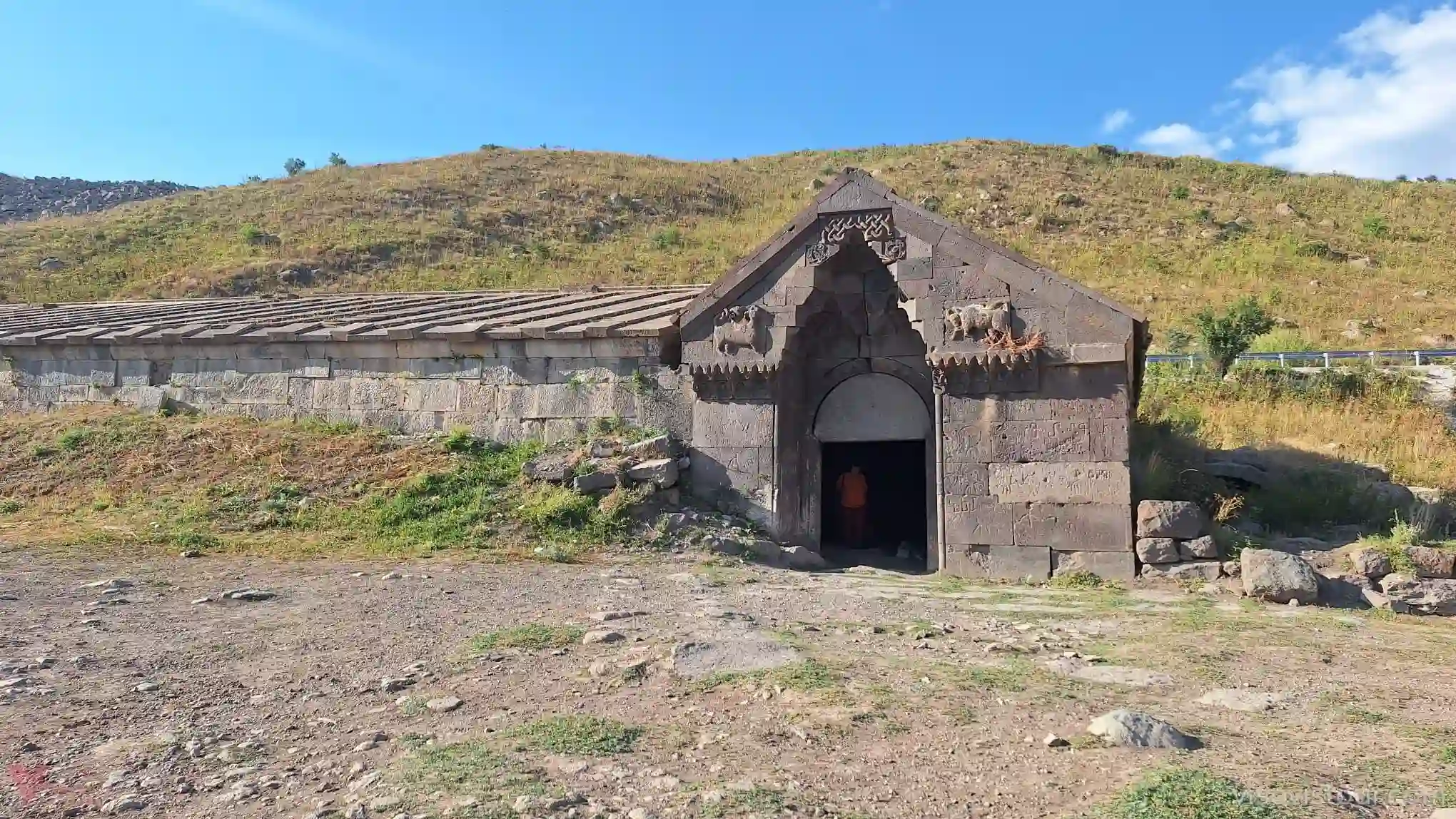
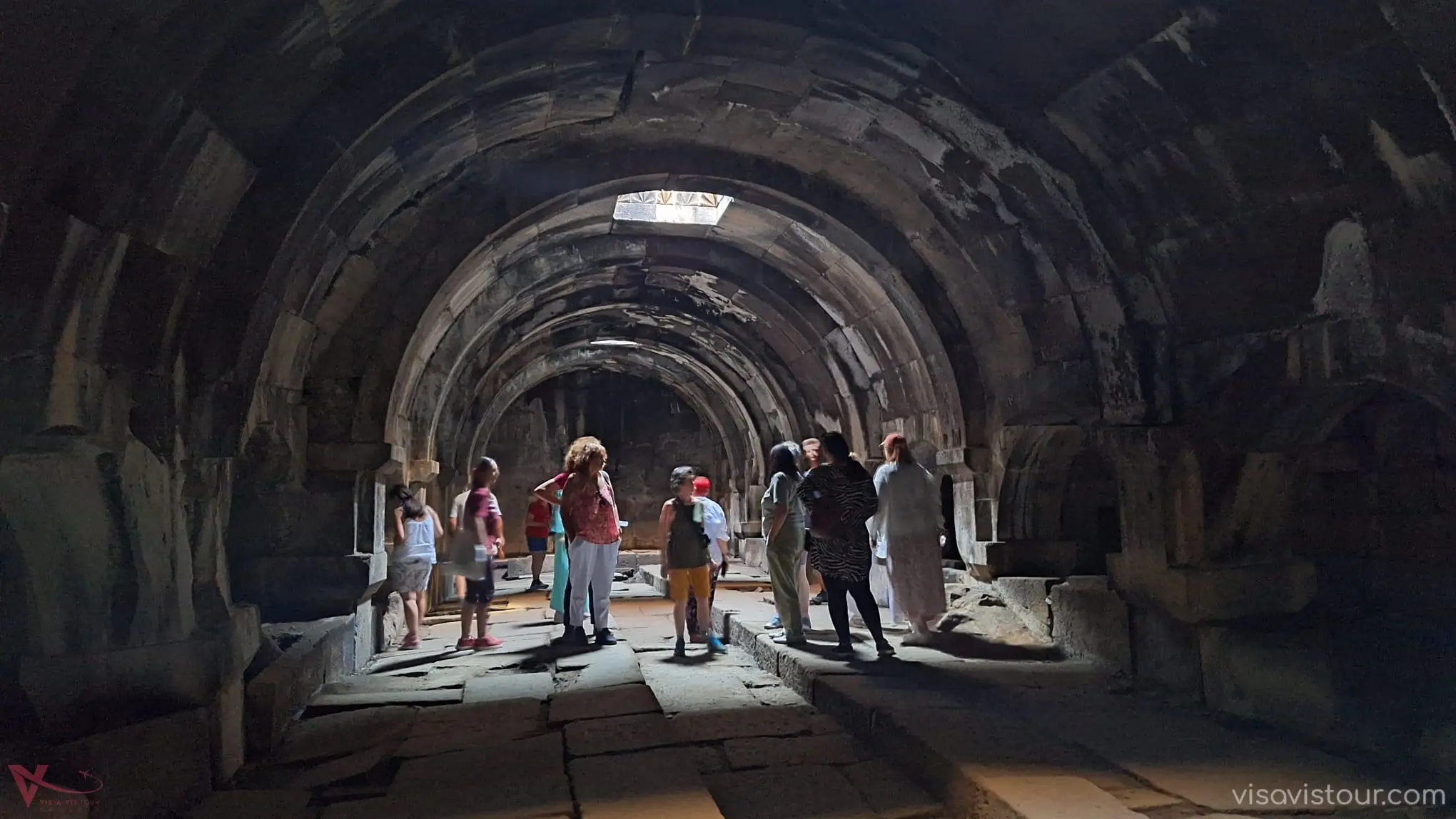
Continue through Selim Pass, visiting the historic Selim Caravanserai (XIV c), once served as a resting point for Silk Road travelers, towards Lake Sevan. The caravanserai is a reminder of Armenia’s significant role in facilitating trade between the East and West during ancient times.
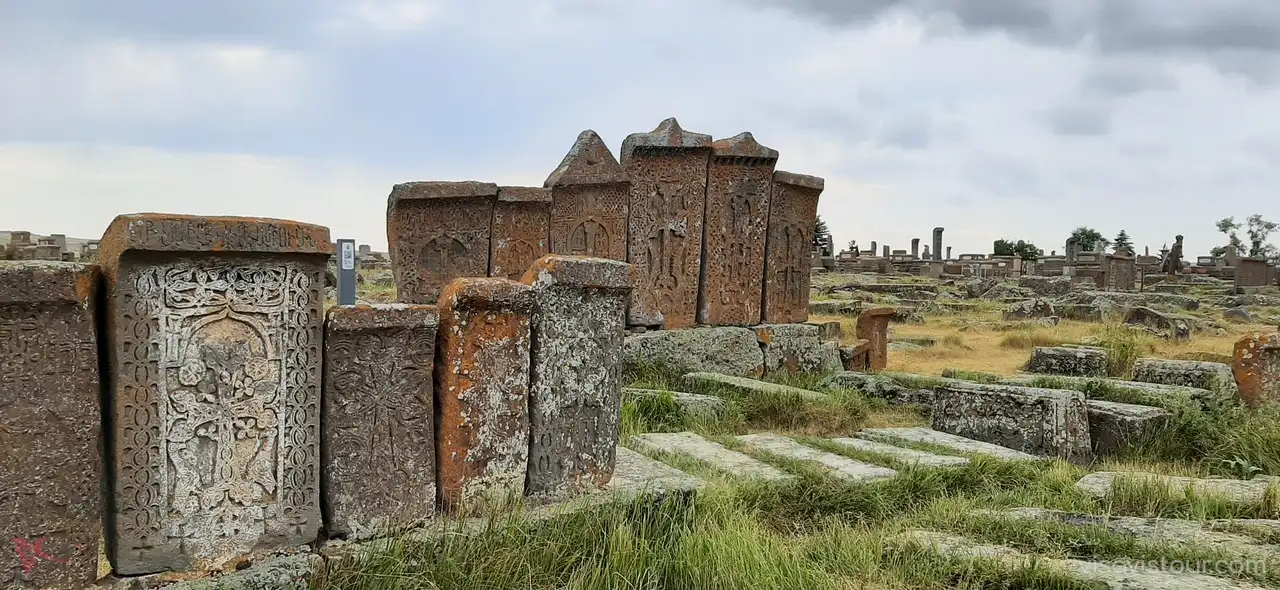
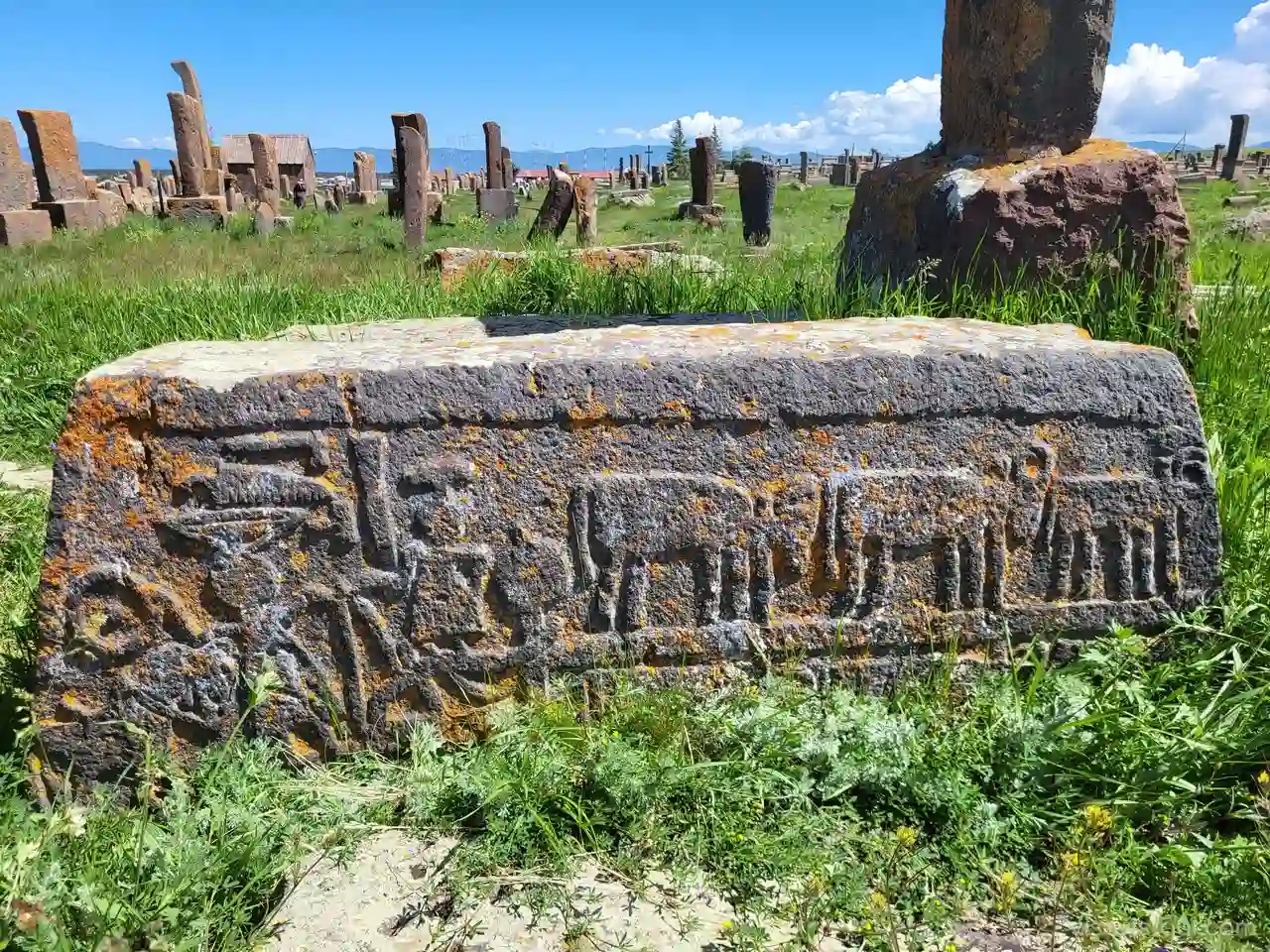
Next, make your way to Noradouz, a picturesque village located on the shores of Lake Sevan. Noradouz is famous for its ancient khachkars (Armenian cross-stones), some of the finest and oldest examples of this unique Armenian art form. Here, you’ll explore a fascinating cemetery, where hundreds of intricately carved cross-stones date back to the medieval period.
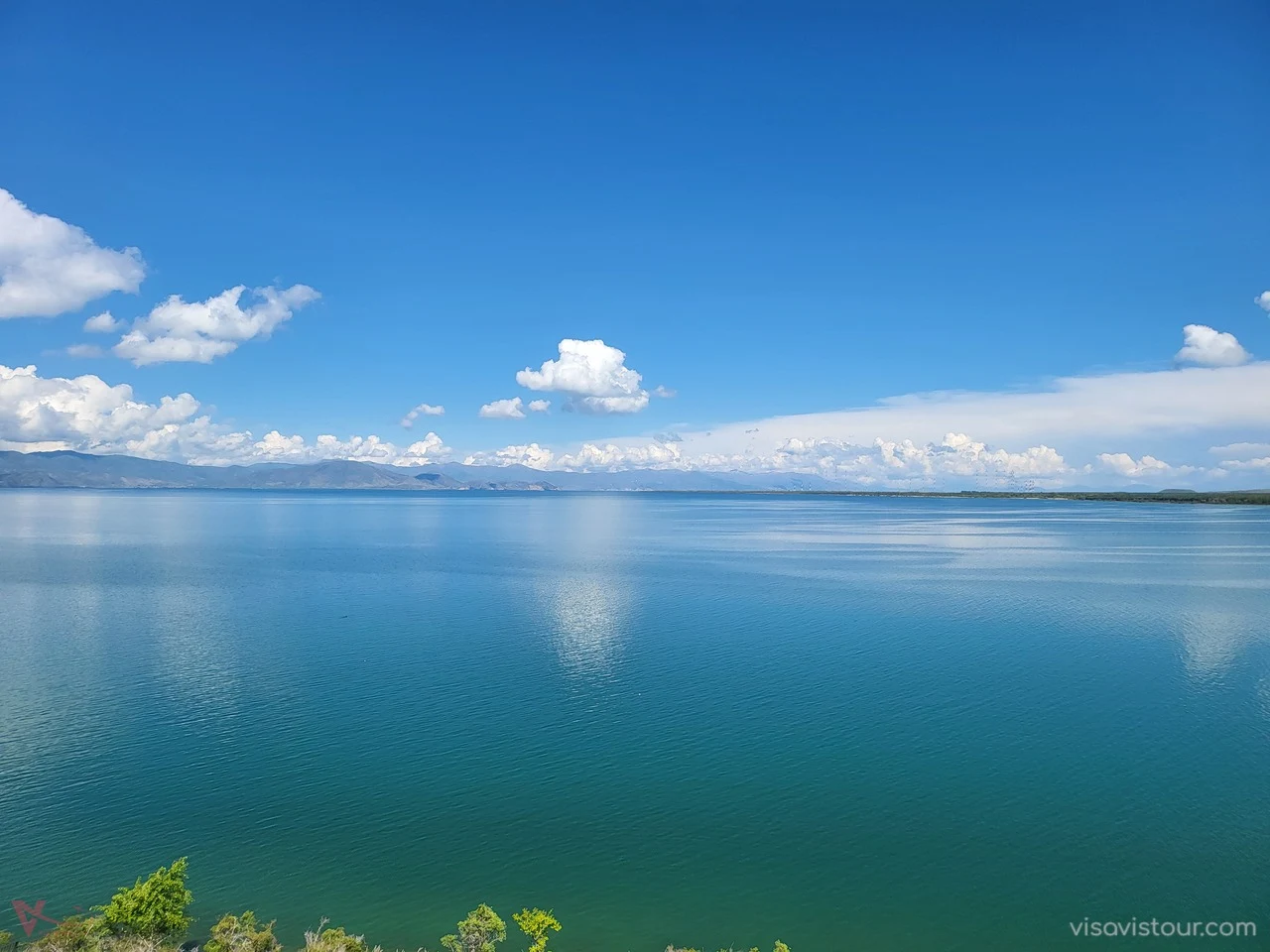
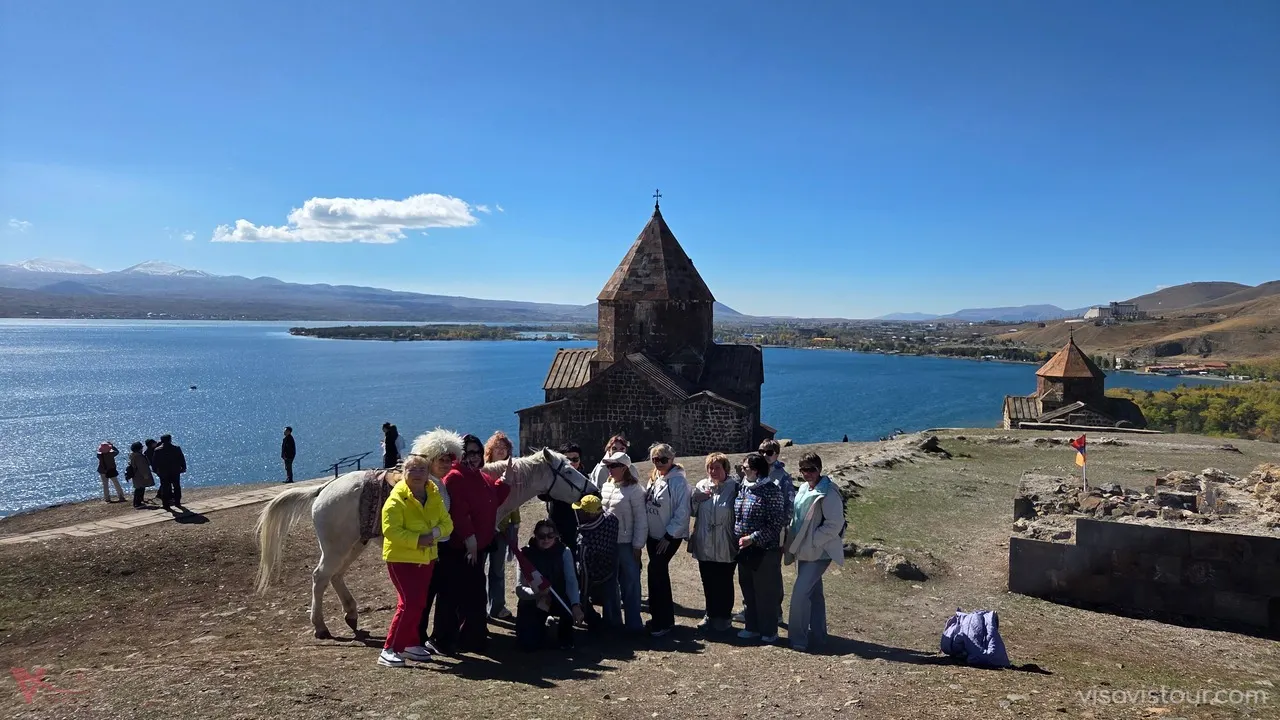
Afterward, continue your scenic drive to Lake Sevan, one of the largest high-altitude freshwater lakes in the world, where you’ll visit Sevanavank Monastery (IX c) on the peninsula, offering sweeping views over the lake and the surrounding beauty. Check in hotel.
Lake Sevan - Dilijan – Haghpat Monastery – Sanahin Monastery – Odzun
Optional: After breakfast, enhance your visit to Lake Sevan with a relaxing and picturesque boat cruise in the morning on its crystal-clear waters. Marvel at the stunning panoramic views of the surrounding mountains and lush landscapes. Feel the refreshing breeze as you glide across the serene lake, and enjoy the tranquility of this natural wonder. This unforgettable experience offers a perfect opportunity to take in the beauty of Lake Sevan from a unique perspective, creating memories to treasure.
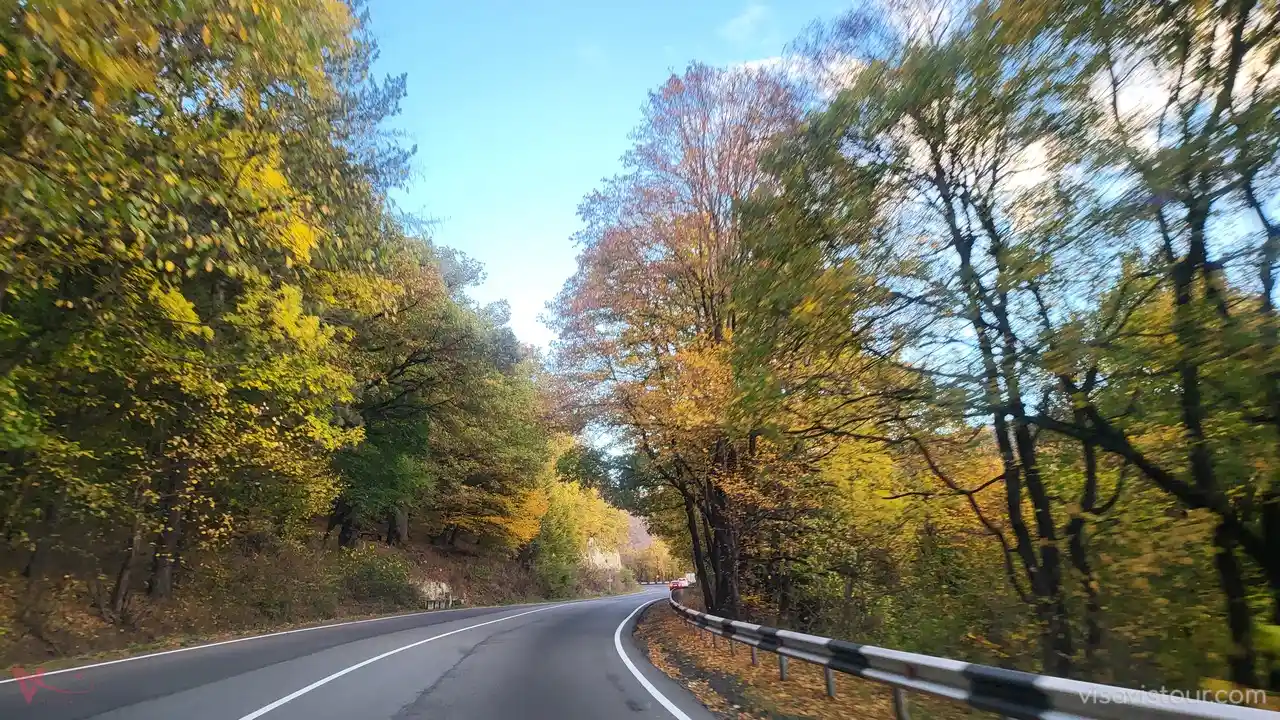
Continue to the charming town of Dilijan, often referred to as “Armenian Switzerland” for its lush forests and diverse wildlife. During the drive one can enjoy the unbelievable change of the surrounding environment and landshaft from the mountainous lake to the green and rich forest mountains.
Stroll through Dilijan’s artisanal quarter, visiting local artisans crafting traditional souvenirs, made from wood, stone and ceramics.
Continue a captivating journey to northern Armenia, a magical region of lush forests, towering mountains, and deep canyons. This region is famous for some of the most stunning examples of medieval Armenian architecture, including the UNESCO World Heritage-listed monasteries of Sanahin and Haghpat.
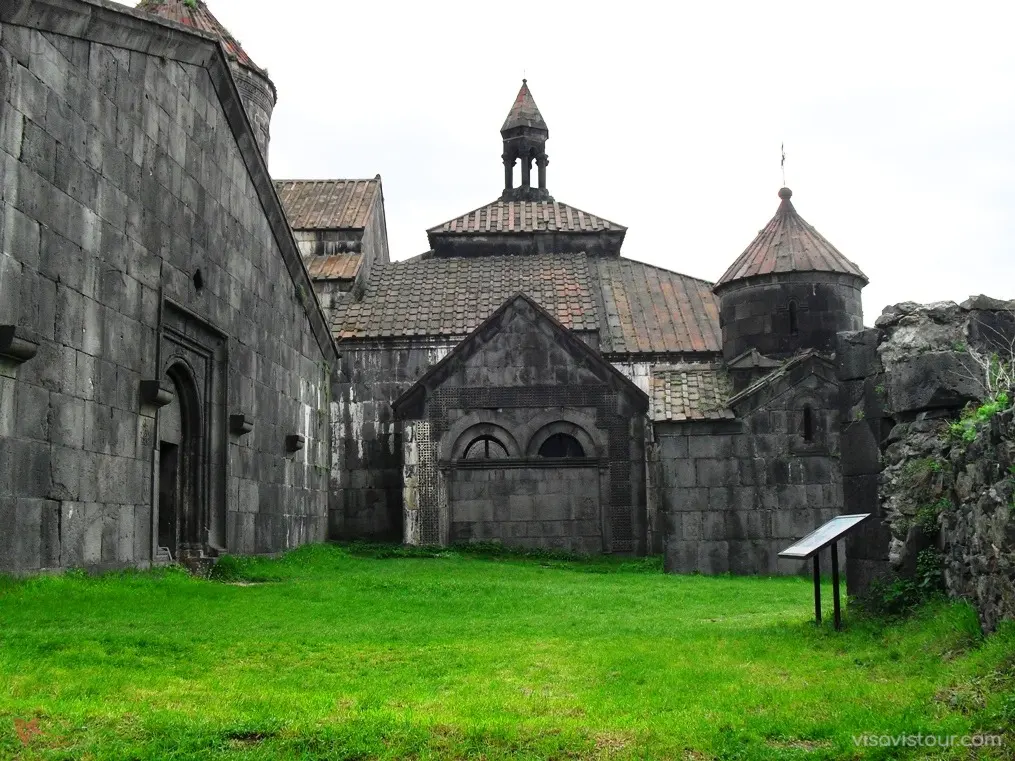
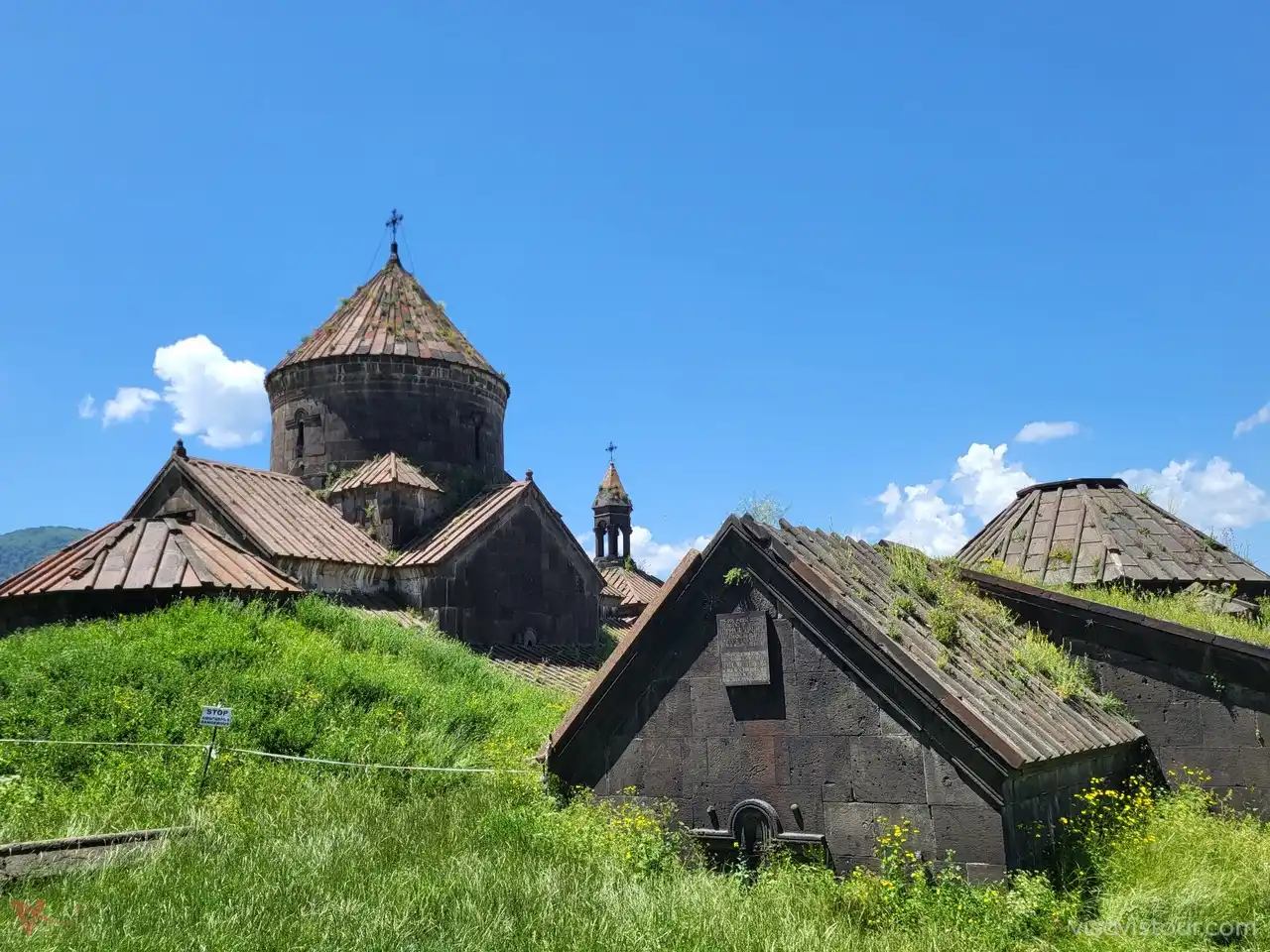
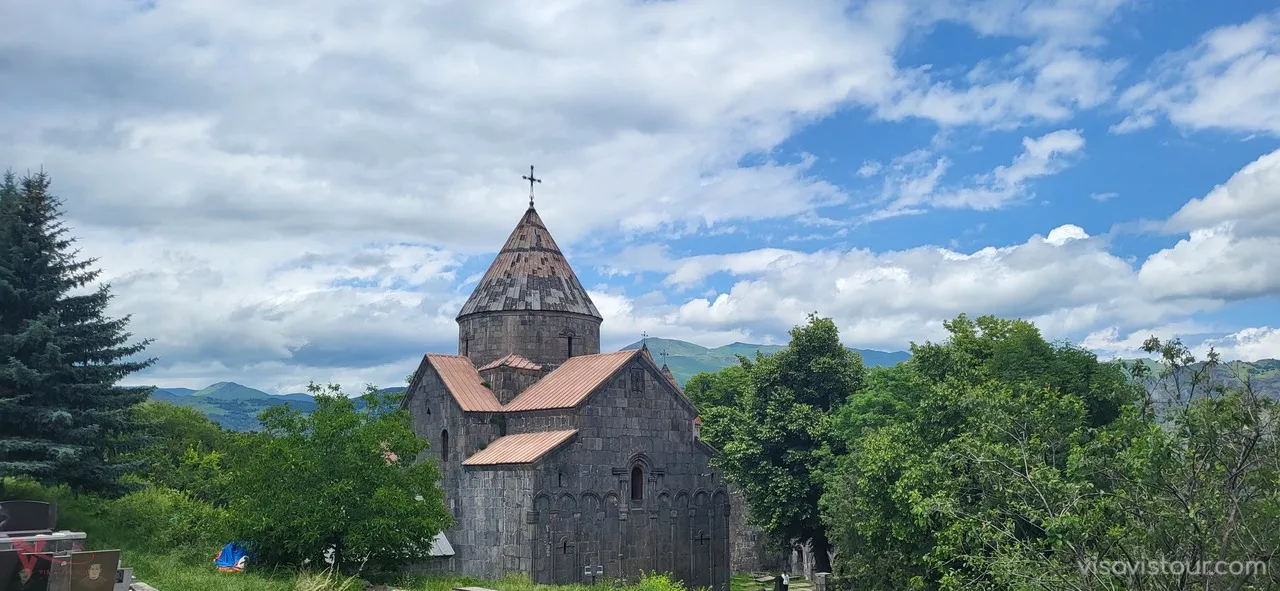
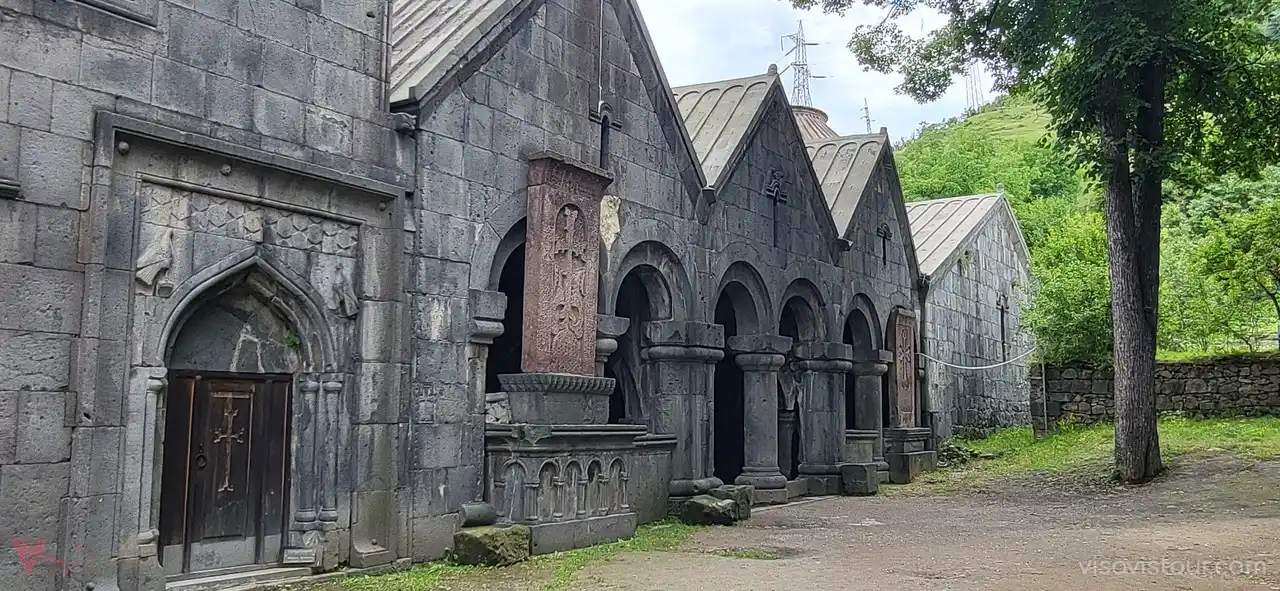
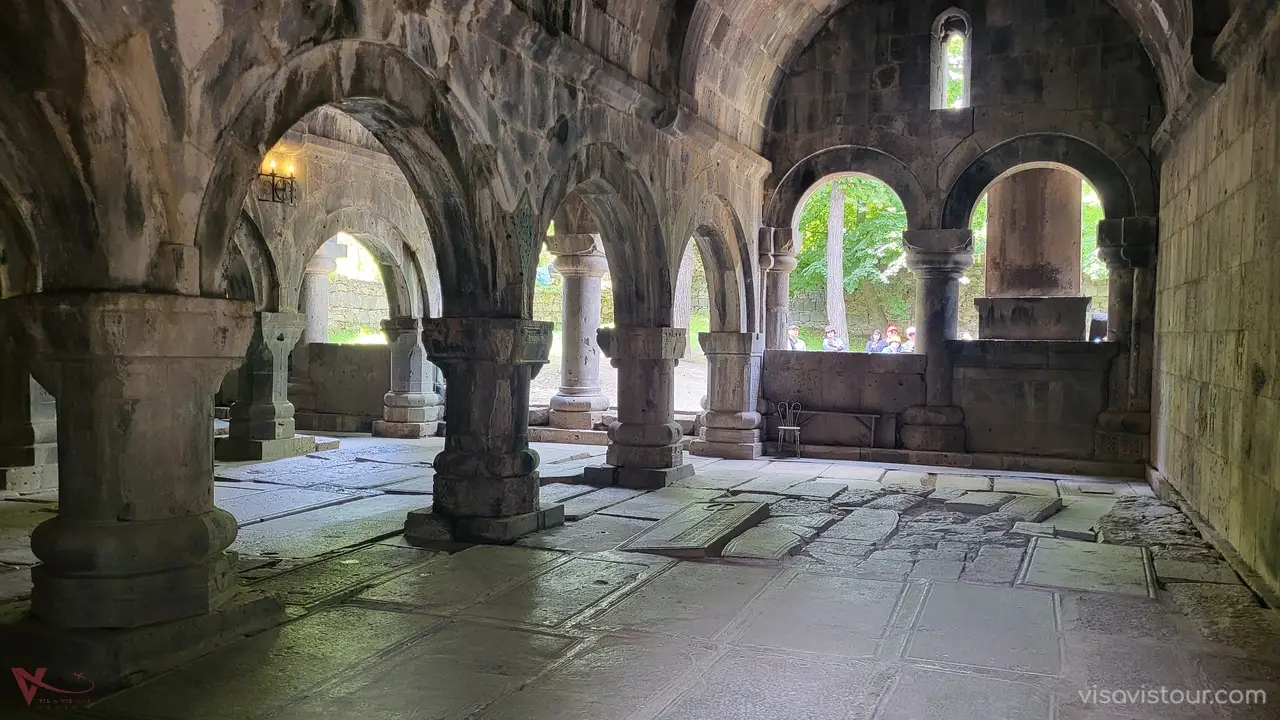
Sanahin Monastery (IX – XII centuries) is one of Armenia’s most revered monastic complexes. Located near the town of Alaverdi in the picturesque Lori region, Sanahin was a major religious and educational center, home to a community of over 500 monks. As you explore its ancient structures, you’ll see the Church of the Holy Mother of God, the Church of San Amenaprkich, and the Chapel of San Gregorio, dating back to the 10th century. The Academy of Sanahin, established in the 11th century, played a crucial role in the preservation of Armenian culture, arts, and sciences. The monastery was renowned for its contributions to Armenian education, particularly in theology, medicine, and the arts.
Haghpat Monastery, located just to the north-east of Sanahin, is equally captivating and bears striking architectural similarities to its sister complex.
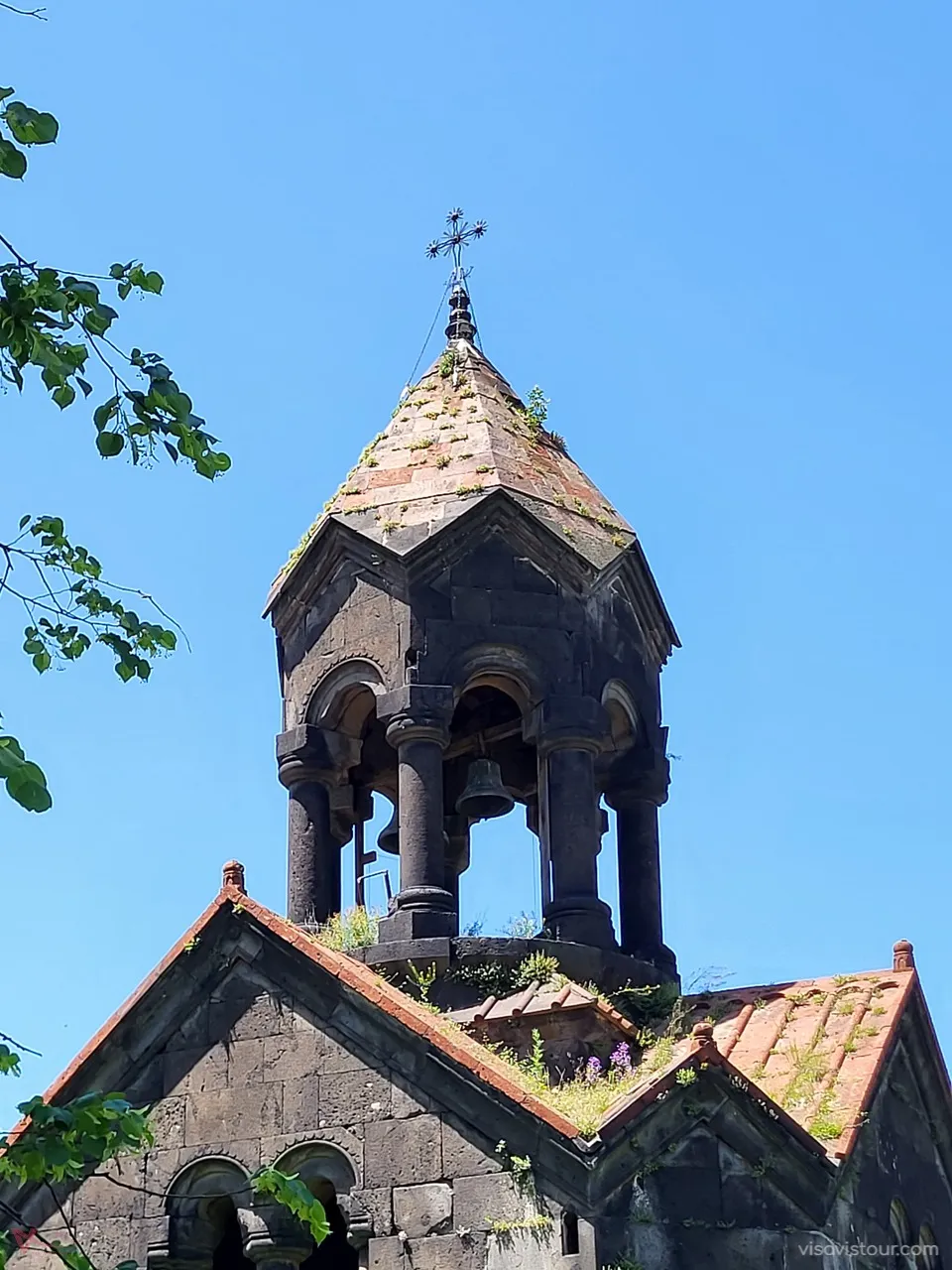
Established between the X and XIII centuries, Haghpat flourished as both a religious center and a place of learning. It is home to one of the finest examples of medieval Armenian bell towers, built in 1210, and the refectory (XIII century) which remains a remarkable feature of the monastery complex. The bell tower, built in 1245, is another iconic symbol of Armenia’s architectural heritage. As at Sanahin, Haghpat also housed a renowned library, scriptorium, and medical school. The famous national poet and musician Sayat-Nova was among the monks of Haghpat.
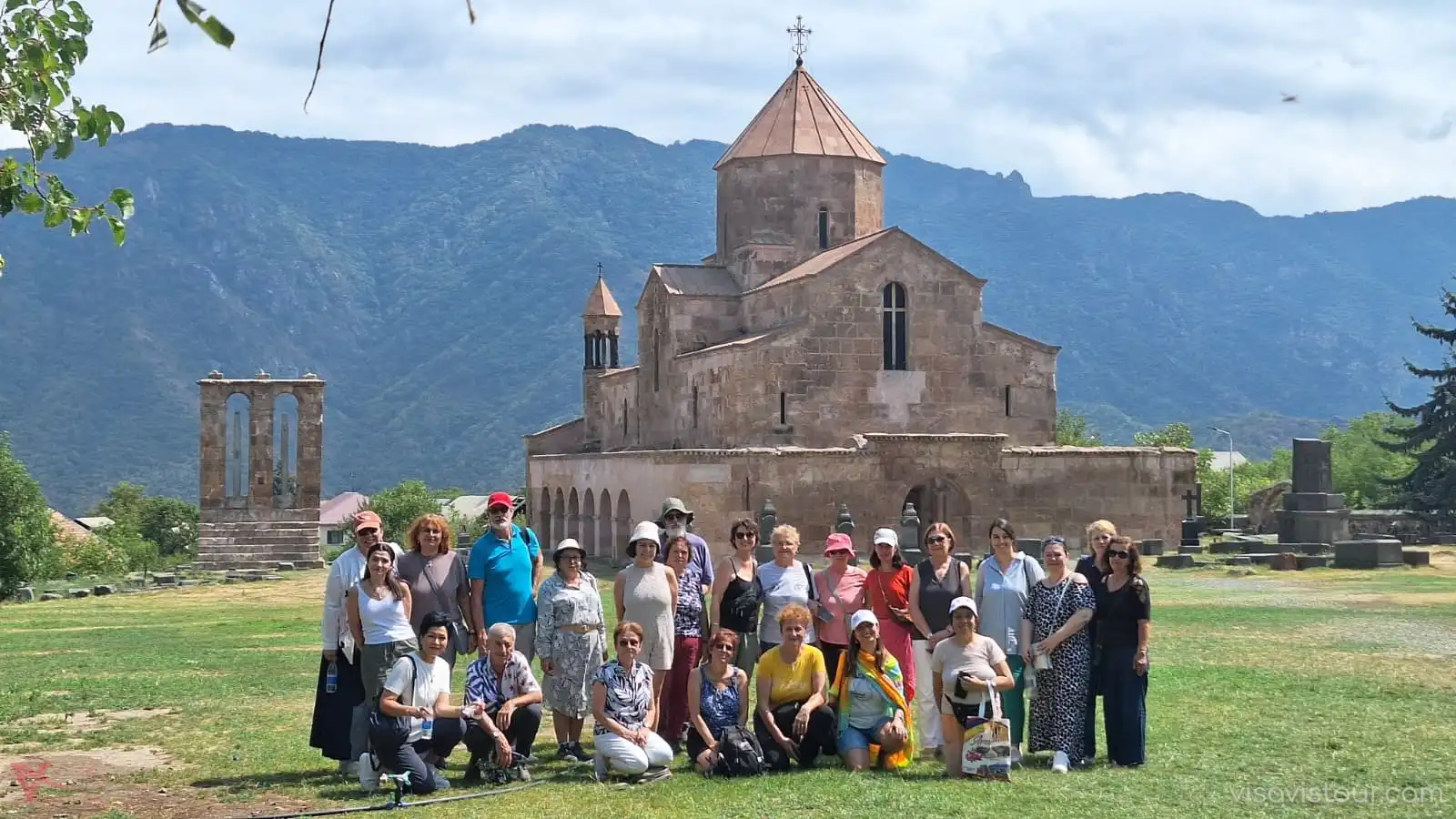
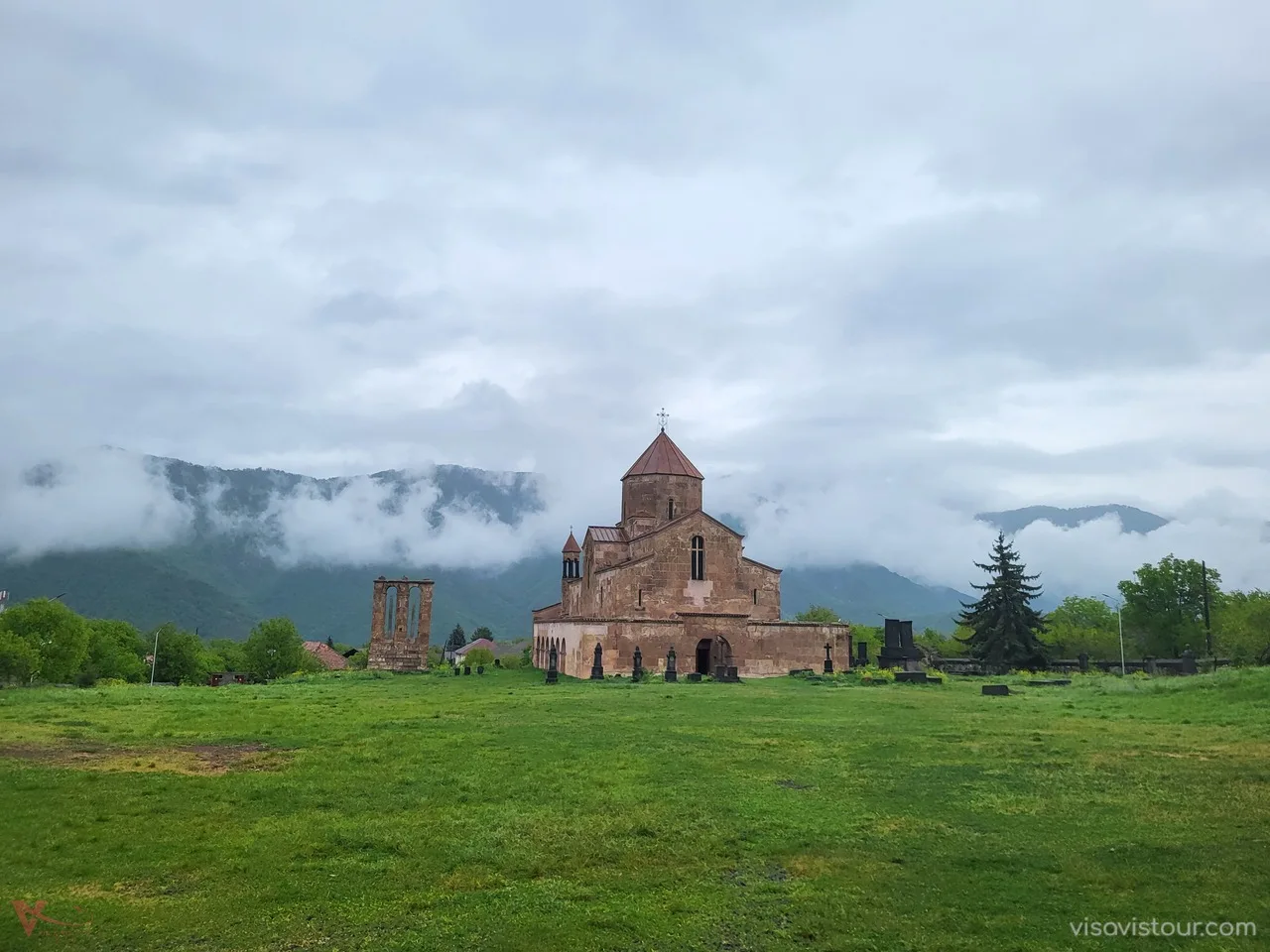
Another significant stop on this journey is Odzun Monastery, which is located in the upper Lori region, nestled in the picturesque village of Odzun. This ancient monastery, dating back to the VI century, is a remarkable example of early Christian Armenian architecture. Known for its distinctive basilica design and impressive row of arches, Odzun stands as a testament to Armenia’s rich ecclesiastical heritage. The monastery played an essential role in the early spread of Christianity in the region and became an important cultural and religious center. Set against the stunning backdrop of Debed Canyon, the monastery offers both historical intrigue and breathtaking natural beauty.
Check in hotel.
Odzun – Gyumri – Black fortress – City tour of Gyumri
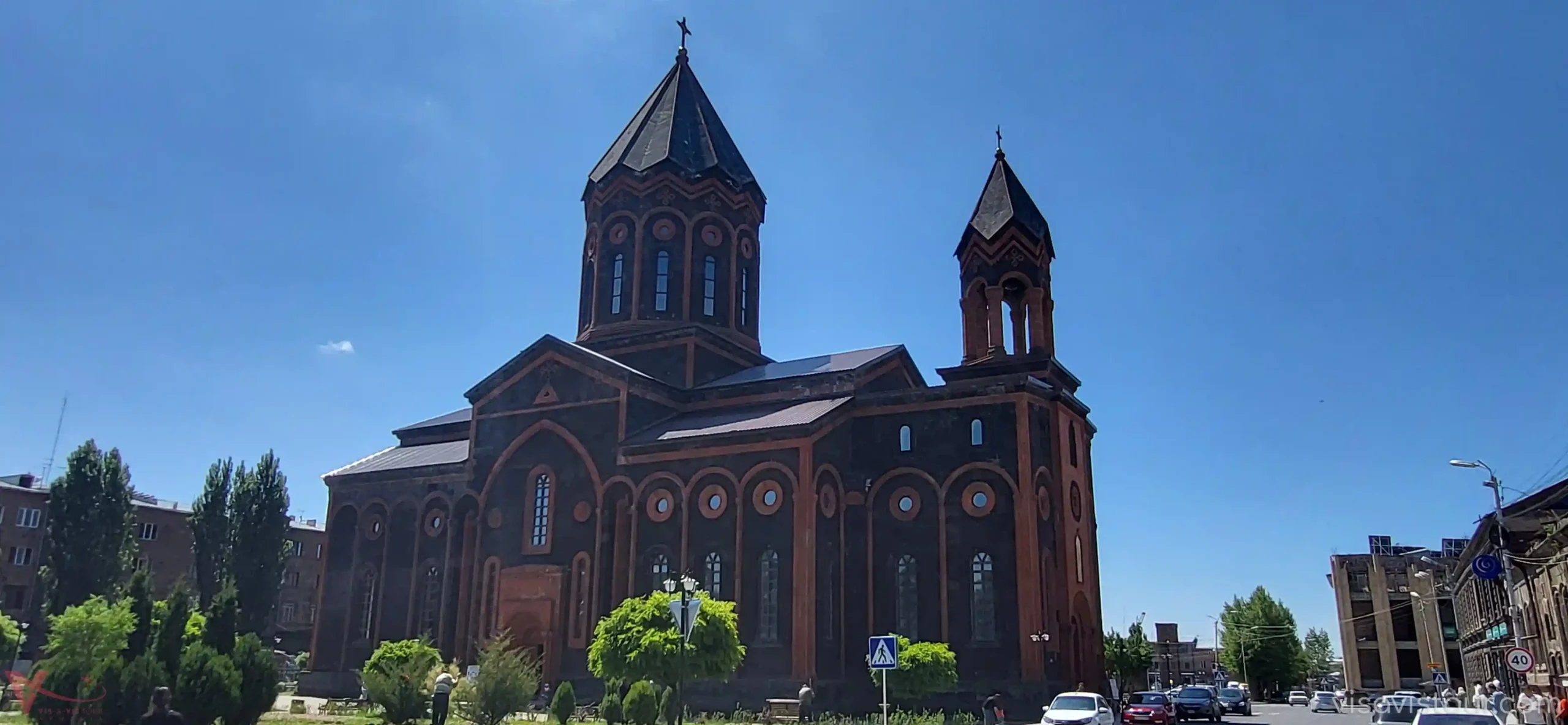
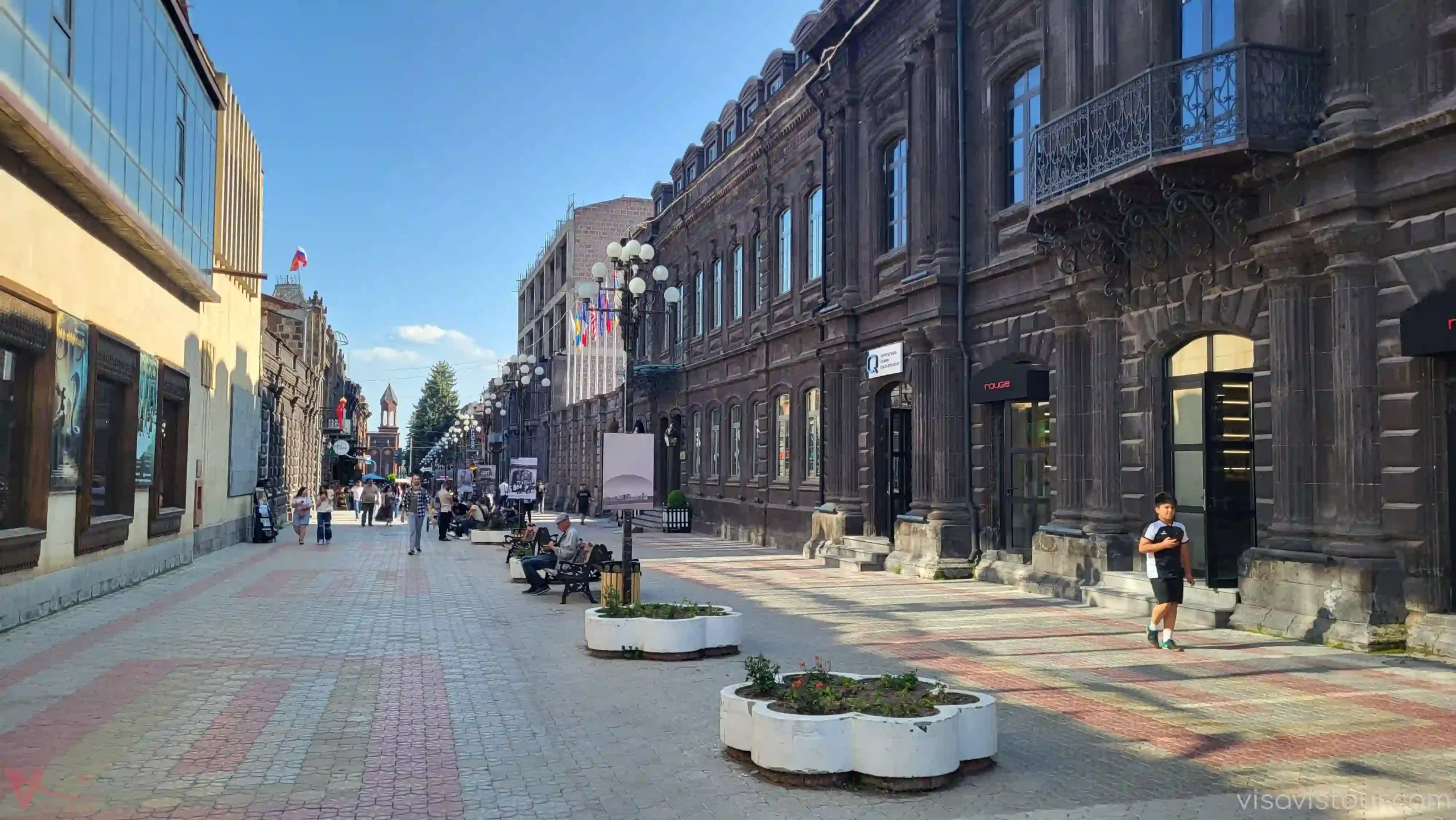
After breakfast depart for Gyumri, Armenia’s second-largest city, located 130 km from Yerevan, Shirak Marz, famed for its unique cultural traditions and hospitable atmosphere. Stroll through the historic Kumayri district, characterized by 18th- and 19th-century architecture. Here are many cultural buildings with unique architectural style of the eighteenth and nineteenth centuries, that creates cozy atmosphere of a typical Armenian city of those times.
Gyumri is also renowned for its centuries-old blacksmithing tradition, which was inscribed on UNESCO’s Representative List of the Intangible Cultural Heritage of Humanity in 2023. This centuries-old craft has been passed down through generations, with artisans in Gyumri creating intricate metalworks using traditional techniques. The blacksmiths of Gyumri are renowned for their skill in forging tools, weapons, and decorative items, often using locally sourced materials.
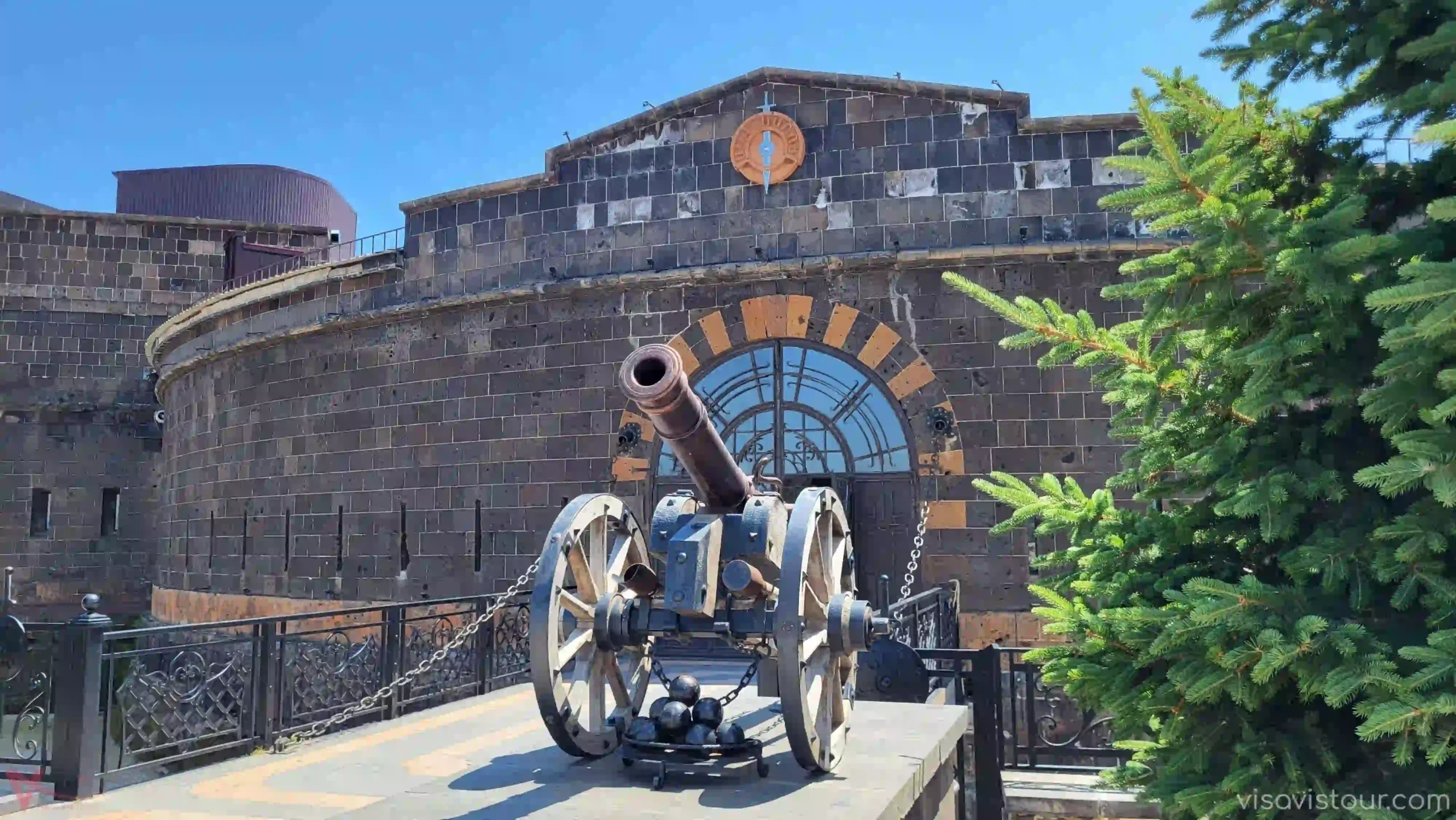
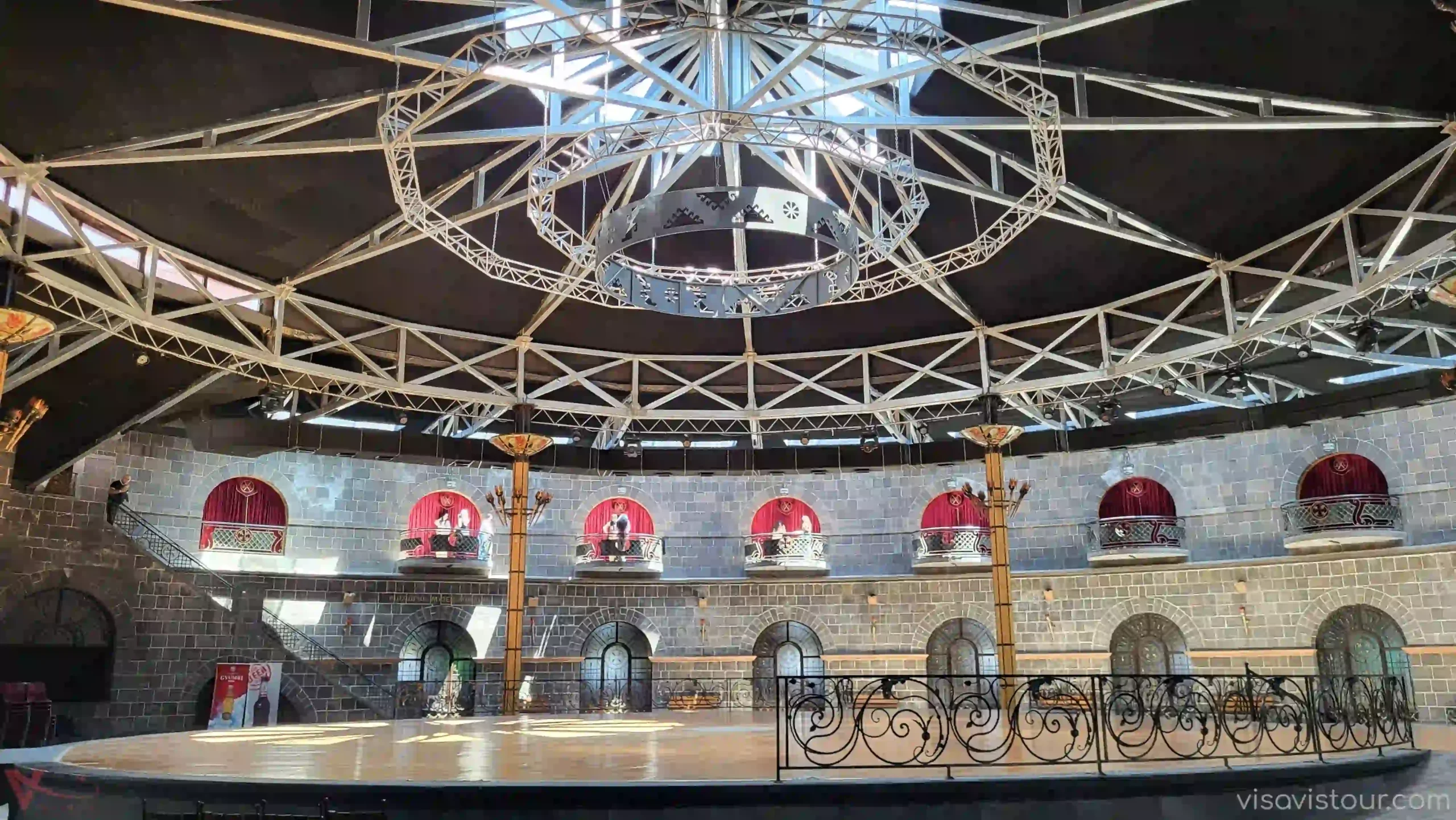
Next, visit the Black Fortress in Gyumri, built in the 19th century during the Russian Empire’s rule. The fortress was designed to protect the city from potential invasions. Its name, “Black Fortress,” comes from the dark color of the volcanic stone used in its construction. The fortress provides panoramic views of Gyumri and the surrounding landscape.
Check in hotel.
Gyumri – Yereruyk Basilica – Oshakan – Yerevan
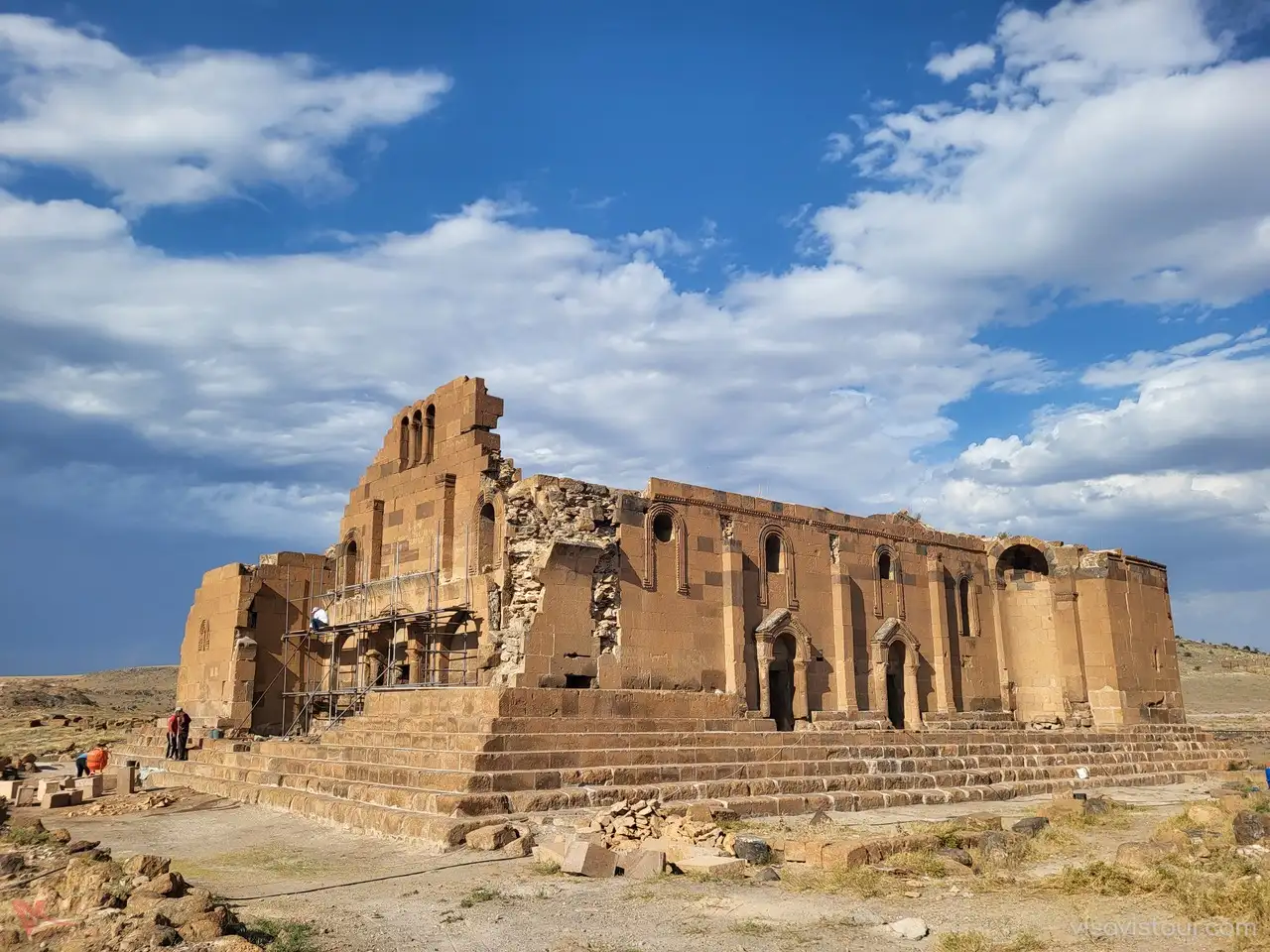
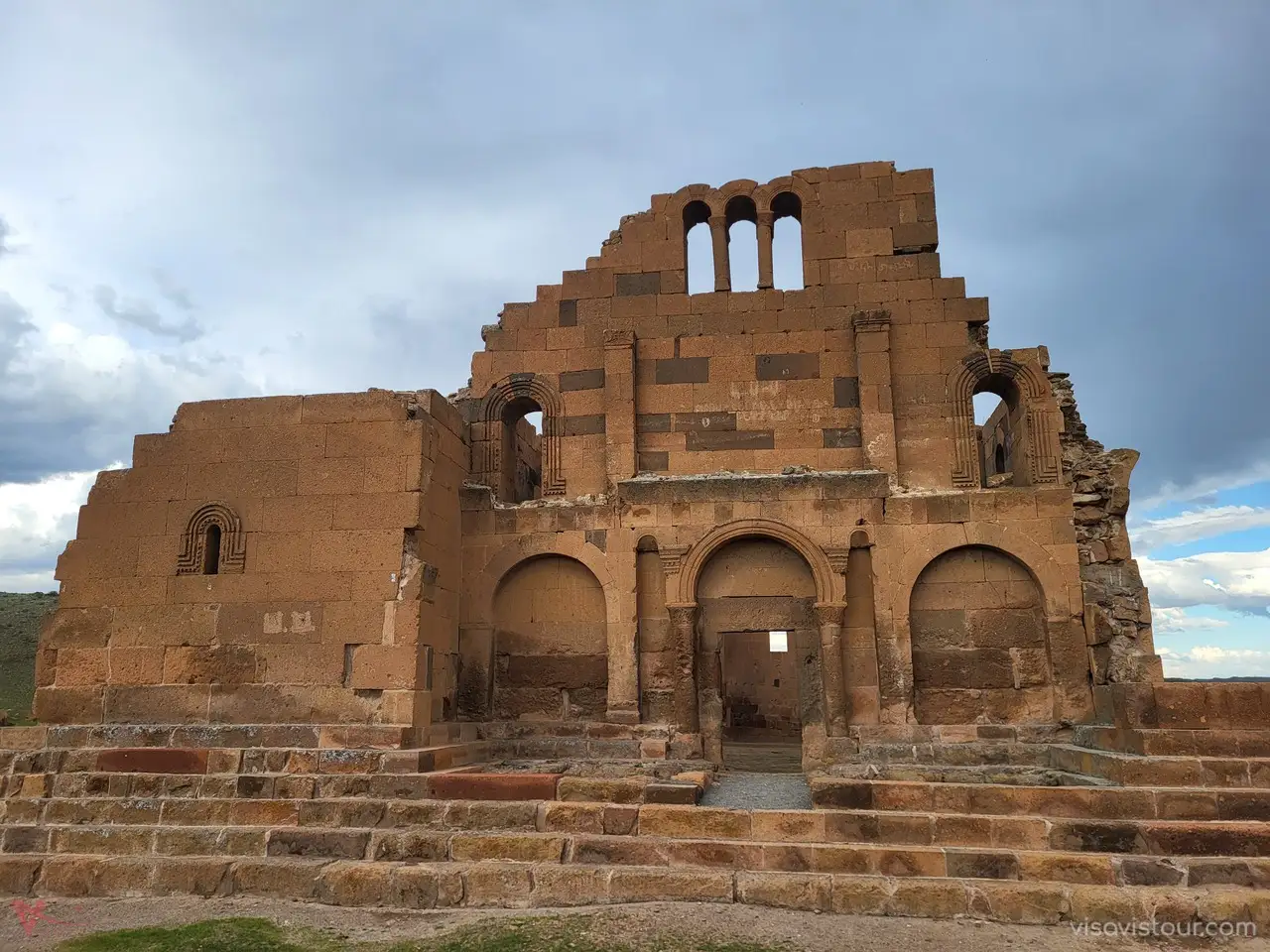
After breakfast as you journey from Gyumri to Yerevan, stop at the Yereruyk Basilica, a magnificent IV – V century early Christian monument. This architectural masterpiece is a testament to Armenia’s rich ecclesiastical history and is inscribed on UNESCO’s Tentative List of World Heritage Sites for its historical and cultural significance. Set against the backdrop of a serene landscape, the basilica’s ruins reflect a unique blend of early Christian architectural traditions and local artistry. Explore the remains of this ancient site, which once served as an important center of worship and pilgrimage.
Continue to the village of Oshakan, a site of great importance to Armenian heritage. During the springtime, as you travel along the route, you’ll have the
chance to observe storks nesting gracefully on poles by the roadside. These majestic birds are a common sight in the region, often associated with good luck and the arrival of spring.
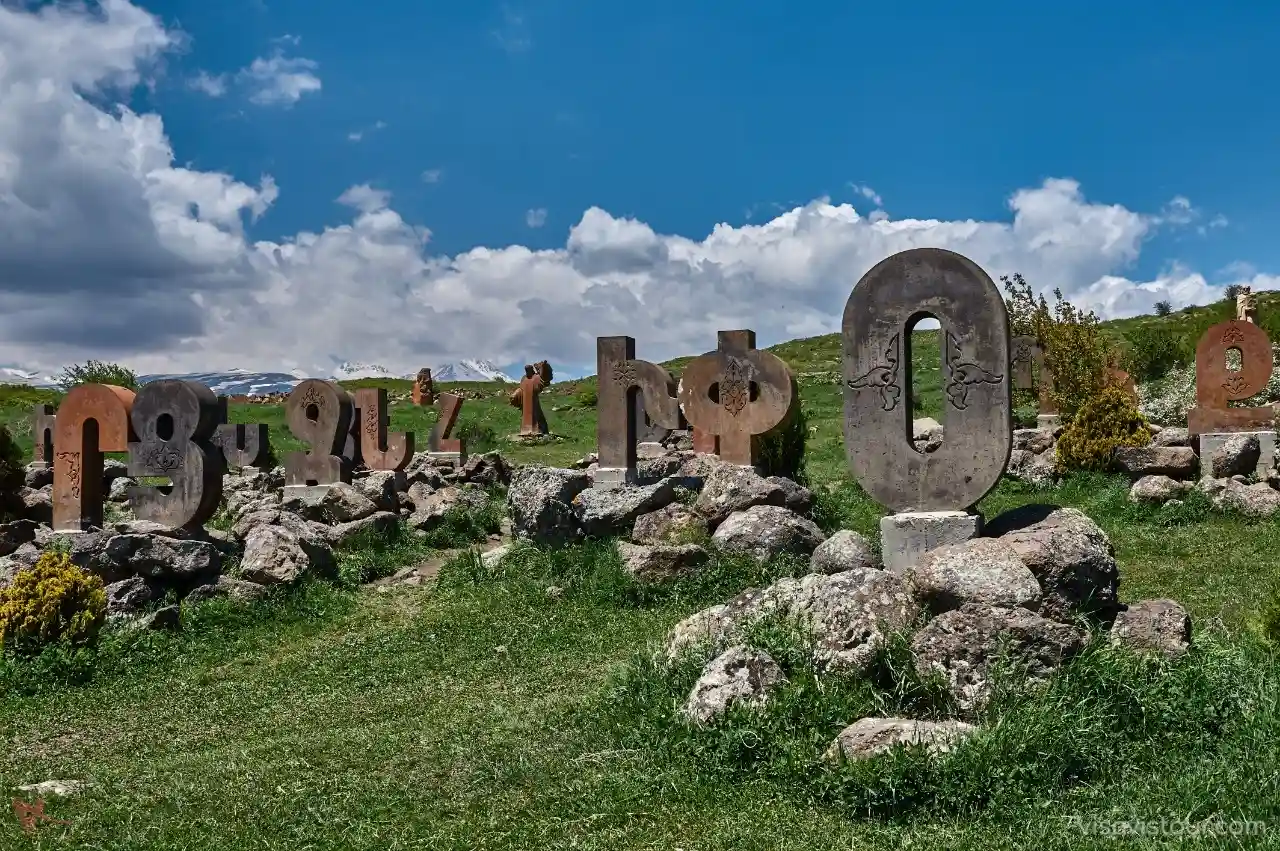
Upon arrival in Oshakan, visit the Church of St. Mesrop Mashtots, the creator of the Armenian alphabet. Pay respects at his gravestone and learn about his remarkable contribution to preserving Armenian culture and language. His invention of the alphabet in the early 5th century (405 AD) allowed the Armenian people to write their own language, ensuring the survival of their rich literary and religious traditions.
The Armenian alphabet is more than a writing system; it is a cultural treasure that has played a vital role in preserving the nation’s history, faith, and literature. Recognized by UNESCO in 2019 as part of the Intangible Cultural Heritage of Humanity, “Armenian Letter Art and its Cultural Expressions” it represents a rich culture of decorative scripts and their diverse applications. Armenian letters are celebrated for their ornamental beauty, often shaped into forms resembling birds, animals, and mythical creatures.
Continue trip to Yerevan. Check-in hotel.
Transfer to the airport. Departure.
Tour Package Prices Per Person in Double Room (USD)
| Number of Participants | Mandarin 3* or similar | Ani Central Inn 4* | Ani Grand hotel 4+* |
|---|---|---|---|
| 2 | 1330 | 1360 | 1425 |
| 4 | 915 | 946 | 1010 |
| 6 | 810 | 840 | 905 |
| 8 | 710 | 740 | 810 |
| 10 | 655 | 685 | 750 |
| 15 | 595 | 615 | 680 |
| 20 | 545 | 565 | 630 |
| 25 | 515 | 535 | 600 |
| 30 | 510 | 530 | 595 |
| 35 | 495 | 515 | 575 |
| Single Supplement | 185 | 200 | 250 |
Tour Package Price Includes:
- Accommodation in the hotels: 4 nights in Yerevan, 1 night in Goris, 1 night in Sevan, 1 night in Odzun, 1 night in Gyumri
- BB (breakfasts at the hotels)
- Transportation service per program
- Professional English speaking guide service per program
- Entry tickets per program: Matenadaran, Garni Temple, Aram Khachatryan museum, Echmiadzin museum, Zvartnots
- Round-trip tickets for the Tatev Ropeway, offering breathtaking views and an unforgettable experience
- Wine tasting in Areni
- Optional visit to the Nairian Bio-Cosmetic boutique, featuring an introduction to their activities and products. Guests will be warmly welcomed with a selection of herbal teas and dried fruits
Tour Package Price Does Not Include:
- Air flight ticket
- Insurance
- 1-hour guided tour of a brandy factory, including entry tickets and a tasting session
- 4x4 car rent to reach Garni canyon
- Family hosted lunch with lavash baking demonstration
- Soulful concert of liturgical songs performed by an invited choral group at Geghard Monastery
- Performance of Armenian national instrument Duduk (20 minutes)
- Cruise on Lake Sevan (1 hour)